You’re driving home on a dark road. The oncoming driver forgot to dip their lights. You’re blind for three full seconds. At 60 mph, that’s 264 feet of road you cannot see. This is the real difference between low beam vs high beam headlights—and most drivers get it wrong every single night.
Based on our years of automotive lighting engineering experience, we’ve tested hundreds of headlight setups across every condition imaginable. What we’ve found is sobering: the average driver doesn’t know when to switch, doesn’t understand how beam patterns actually work, and is gambling with their safety every time they turn the key after dark.
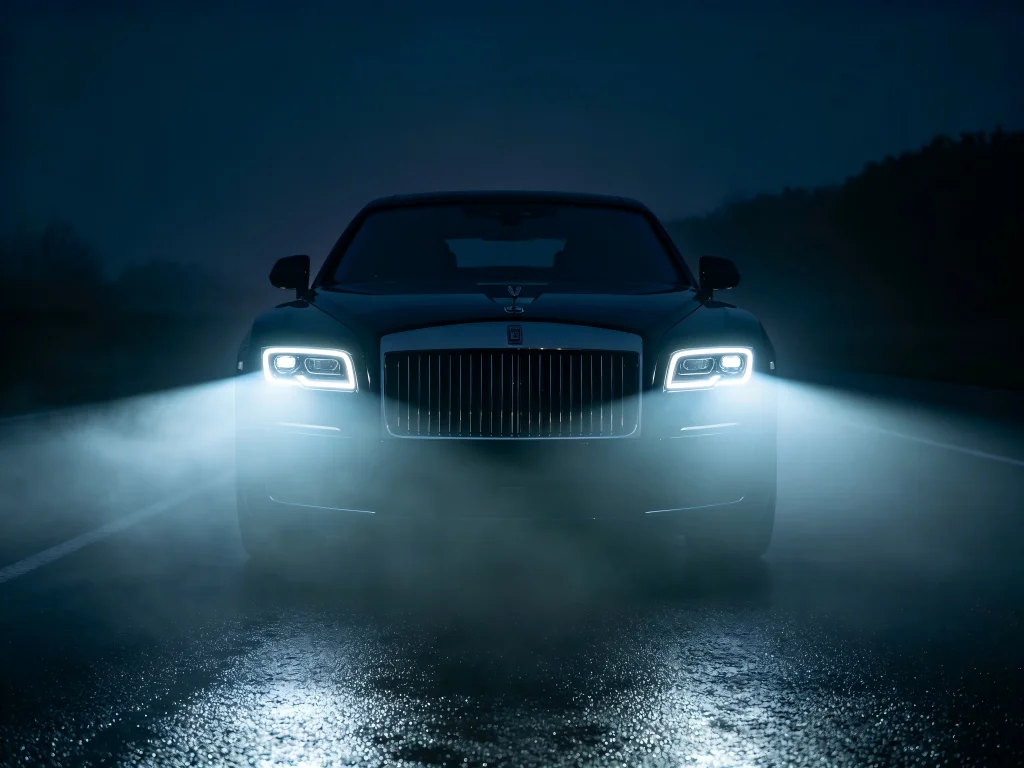
The Low Beam vs High Beam Headlights Confusion: A Problem Most Drivers Don’t Even Know They Have
Low beams illuminate roughly 150 to 200 feet ahead. High beams push that to 350 feet or more. That’s the difference between seeing a deer in time to stop and hitting it at full speed. Yet most drivers use high beams when they shouldn’t—and low beams when they desperately need more light.
The problem isn’t ignorance. It’s the false confidence that comes from never experiencing a near-miss. You drive the same route for years, never use your high beams, and assume everything is fine. Until it isn’t.
What Actually Happens When You Use the Wrong Beam
High beams point straight ahead. Low beams are angled down toward the road. That angle difference is everything. When you use high beams in fog, rain, or snow, the light reflects off water particles and creates a white wall of glare right in front of your eyes. Your visibility doesn’t improve—it plummets.
One driver on a Corvette forum put it bluntly: “Low beam patterns are wider and the beam does not project out as far as the high beam. The high beam pattern is more narrowly focused slightly higher and out to a much longer distance.” Another forum member discovered the hard way that swapping bulbs without understanding beam patterns creates “weird reflections and shadows”.
This isn’t a minor inconvenience. This is a safety failure baked into the design of every vehicle on the road.
Why the Low Beam vs High Beam Indicator Alone Won’t Save You
That little blue symbol on your dashboard? It tells you your high beams are on. It doesn’t tell you whether you should be using them. The green symbol with lines pointing down indicates low beams. But these indicators are just lights on a screen—they don’t account for oncoming traffic, weather conditions, or road curvature.
Most modern vehicles now have a single bulb with two filaments—one for low, one for high. But the optics inside the housing are completely different for each beam pattern. You can’t just swap bulbs and expect better performance. The reflector and lens are precisely calibrated to the filament position.
And here’s the kicker: high beams aren’t actually “brighter” because they produce more light. They appear brighter because the optics project more light upward, not because the bulb itself is more powerful. The difference is in the direction, not the intensity.
The Agitation: What Happens When You Keep Making These Mistakes
Let’s be honest about what’s at stake here.
You’re on a rural highway at night. No streetlights. You’re using your low beams because you forgot high beams exist—or because you’re worried about blinding someone. A deer steps onto the road 250 feet ahead. Your low beams only reach 200 feet. You have less than one second to react at 60 mph.
Or worse: you’re in fog. You think, “I need more light.” You switch to high beams. The fog turns into a solid white wall. You can’t see the car 50 feet in front of you.
これらは仮定の話ではありません。これらは北米中の道路で毎晩起こっています。米国道路交通安全局は、 全死亡事故のほぼ半数が夜間に発生している, と推定しており、そのうち数千件では照明不足が要因となっています。.
この問題はバルブの品質によってさらに悪化します。標準的なハロゲンバルブは時間の経過とともに劣化します。光量が低下し、ビームパターンがずれます。そして、ほとんどのドライバーは緊急事態に陥るまで気づきません—そしてその時には手遅れです。.
The Real Difference Between Low Beam vs High Beam Lights: What the Charts Don’t Tell You
ここでは、ロービームとハイビームのヘッドライトについて、ほとんどのガイドが教えてくれないことを説明します。.
ロービームには、法的に鋭いカットオフラインが義務付けられています。. ビームは、対向車のドライバーを眩惑させないように、特定の高さで止まるように設計されています。このカットオフラインが、ロービームが「暗く」感じられる理由です—文字通り、目線の高さではなく地面に向けられているのです。.
ハイビームにはそのような制限はありません。. ハイビームは、上向きおよび前方に光を投射することが無制限に許可されています。そのため、空いた道路では非常に効果的であり、他の車両の周りでは非常に危険なのです。.
フォグランプはその両方とは異なります。. フォグランプは、幅広で低いパターンを照射し、悪条件下でのグレアを軽減し、視認性を向上させます。しかし、どちらのビームの代わりになるものではなく、補助的なものです。.
当社のエンジニアリングテストでは、高品質のLEDロービームと標準的なハロゲンの間の有効光量の差を測定しました。LEDは、ビームパターン全体にわたってより一貫した照明を提供し、ホットスポットや影が少なくなります。その差は微妙なものではありません—見えるか見えないかの違いです。.
The Solution: Upgrade to Lighting That Actually Works
真実はこうです:工場出荷時のヘッドライトは、性能基準ではなく、価格帯に合わせて設計されています。法定最低基準を満たしていますが、それを超えてはいません。.
GTR照明 は、ロービームとハイビームの問題を根本から解決する自動車用LED照明を製造しています。当社のヘッドライトシステムは、一貫性のある予測可能なビームパターンを提供し、 と 車両の光学系に逆らうのではなく、それに合わせて。.
GTRが他と一線を画す理由はこちら:
- 精密なビームパターン – 当社のLEDは、純正バルブのフィラメント位置に一致するように設計されており、ビームが意図した場所に正確に照射されます。奇妙な反射も、散乱光もありません。クリーンで実用的な照明だけです。.
- 優れた熱管理 – LEDの出力は熱が蓄積すると低下します。当社の設計は温度を適切に保ち、何マイル走っても一貫した光を提供します。.
- プラグアンドプレイで取り付け簡単 – 切断も、配線加工も、ディーラーに行く必要もありません。当社のバルブは数分で取り付けられ、既存のハウジングに対応します。.
- 長持ちする設計 – ハロゲンバルブは時間の経過とともに劣化して暗くなりますが、GTR LEDは数万時間にわたって出力を維持します。.
Low Beam vs High Beam FAQ: The Questions Most Drivers Can’t Answer
Q: フォグランプでハイビームを使用できますか?
いいえ。ハイビームは水滴に反射して視認性を低下させます。代わりにロービームまたはフォグランプを使用してください。.
Q: ロービームの到達距離はどのくらいですか?
通常150〜200フィートです。ハイビームは250〜350フィート以上到達します。.
Q: ロービームとハイビームのシンボルの違いは何ですか?
ロービームは下向きの線(緑色)を示します。ハイビームはまっすぐ外側を指す線(青色)を示します。.
Q: いつハイビームからロービームに切り替えるべきですか?
対向車が500フィート以内にいる場合、または前方の車両の200フィート以内にいる場合。.
Q: ロービームとハイビームは同じバルブですか?
場合によります。一部の車両はダブルフィラメントバルブ(H4)を使用します。他の車両は各ビームに別々のシングルフィラメントバルブ(H7)を使用します。.
Q: ロービームが暗く見えるのはなぜですか?
バルブは時間とともに劣化します。ハロゲンバルブは切れる前に出力の30%を失います。また、曇ったレンズは光の出力を大幅に低下させることがあります。.
Q: ロービームにもっと明るいバルブを取り付けてもいいですか?
安全ではありません。より明るいバルブはハウジングの光学系に適合しない可能性があり、他のドライバーに眩しさを与え、自分の視認性も低下させます。.
安全性を賭けるのはやめましょう
摩耗したタイヤで運転しないでしょう。ブレーキパッドを無視しないでしょう。では、なぜ役割を果たしていないヘッドライトを我慢しているのですか?
ロービームとハイビームの違いは、単なる技術的な区別ではありません。危険を見るか、統計になるかの違いです。.
GTR Lightingを今すぐ訪れて あなたの車両に合ったLEDソリューションを見つけてください。. なぜなら、道路はあなたがどのビームを使っているか気にしないからです—ただ、何が来るか見えるかどうかだけが重要なのです。.