Azioni l'interruttore. Un debole bagliore giallastro si riversa sulla strada. Ma invece di fendere la nebbia, i tuoi fari fendinebbia rimbalzano dritti nei tuoi occhi. Guidi alla cieca, stringi il volante e preghi che non salti fuori nulla. Non è solo fastidioso. In una notte umida e nebbiosa, dei fendinebbia scadenti sono un vero pericolo. E stiamo per mostrarti esattamente perché la maggior parte dei dispositivi di serie fallisce – e l'unica soluzione che cambia tutto.
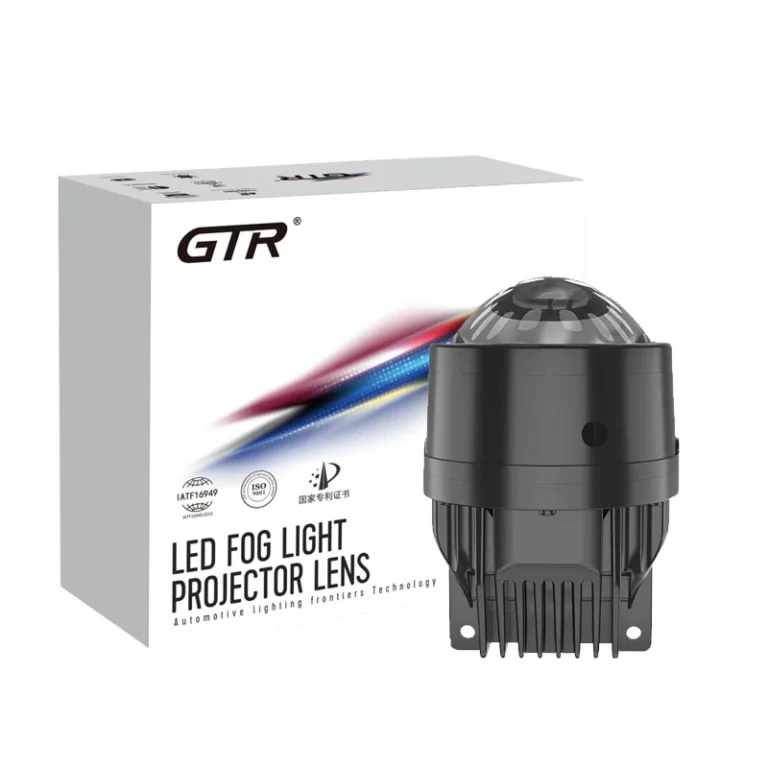
Problema: I 3 modi nascosti in cui i tuoi attuali fendinebbia ti mettono a rischio
La maggior parte dei fendinebbia di serie sembra appartenere a un'auto giocattolo. Producono un fascio disperso a bassi lumen che viene inghiottito da pioggia, neve o nebbia fitta nel giro di 20 piedi. Questo accade perché i produttori di automobili danno priorità al costo rispetto alle prestazioni. Utilizzano riflettori economici, lampadine a basso CRI e lenti in plastica che ingialliscono e si deformano nel tempo. Ma il vero problema è peggiore della scarsa luminosità.
1. L'effetto “muro bianco” (abbagliamento che gioca contro di te)
I fendinebbia alogeni standard emettono un fascio ampio e non focalizzato. Con il bel tempo va bene. Ma aggiungi nebbia o foschia densa – le minuscole particelle d'acqua agiscono come milioni di specchi. La tua luce le colpisce, si disperde in tutte le direzioni e crea un muro bianco accecante proprio davanti al parabrezza. Invece di vedere la strada, vedi abbagliamento. Questo ti costringe a rallentare fino a strisciare, aumentando la probabilità di essere tamponato.
2. Temperatura di colore sbagliata = zero penetrazione
I tuoi occhi sono più sensibili allo spettro giallo-verde in condizioni di scarsa visibilità. Eppure il 90% dei fendinebbia di serie utilizza un “bianco freddo” (5000K-6500K) o un giallo 3000K molto debole che manca di potenza. Il risultato? Il tuo fendinebbia vs fari confronto diventa irrilevante perché nessuno dei due funziona bene. La vera penetrazione nella nebbia richiede uno specifico intervallo di 4300K-5000K con alta intensità – qualcosa che la maggior parte dei LED economici ignora completamente.
3. Si surriscaldano e muoiono – di solito quando ne hai più bisogno
L'abbiamo visto centinaia di volte nei nostri test: un guidatore colpisce una pozza di nevischio, lo shock termico crepa una lente economica e l'umidità uccide il driver interno. Oppure il chip LED senza ventola si surriscalda dopo 20 minuti di utilizzo, riducendo l'emissione del 60%. I tuoi fari fendinebbia auto dovevano essere la tua rete di sicurezza – ma diventano un rischio proprio quando arriva la tempesta.
Azione: cosa succede quando continui a guidare con fendinebbia scadenti
Immagina questo: sono le 5:30 del mattino su un'autostrada di montagna. La nebbia gelida riduce la visibilità a 30 piedi. I tuoi attuali fendinebbia non ti mostrano altro che una nebbia grigia vorticosa. Procedi a 15 mph, ma un camion dietro di te non vede i tuoi fanalini deboli fino all'ultimo secondo. Questo scenario si ripete centinaia di volte ogni inverno. La NHTSA riferisce che oltre 38.000 incidenti all'anno coinvolgono nebbia o condizioni di scarsa visibilità – e l'illuminazione insufficiente è un fattore contribuente primario. Non perché i guidatori non abbiano acceso i fari. Ma perché i loro fendinebbia per camion (o auto, moto o bici) semplicemente non erano progettati per le esigenze del mondo reale.
Ora pensa a quel sentiero fangoso che ami. I tuoi fendinebbia per bici o fendinebbia per moto potrebbero essere sembrati adeguati in garage. Ma su una strada forestale umida, con radici e rocce nascoste nell'ombra? Un fascio debole nasconde i pericoli finché non ci sei proprio sopra. E se guidi una Himalayan 450 o qualsiasi moto adventure, sai che una buca non vista può porre fine al tuo viaggio – e alla tua clavicola.
L'industria vuole farti credere che “qualsiasi LED vada bene”. È una bugia. La maggior parte delle unità aftermarket manca di un corretto controllo del fascio, di gestione termica o di tenuta stagna. Falliscono il fendinebbia vs abbaglianti test perché non riescono a eguagliare la portata degli abbaglianti – e rendono effettivamente fendinebbia e abbaglianti l'uso pericoloso a causa del eccessivo backscatter. Quindi sei bloccato. Sostituire con un altro set economico? O spendere $500 per luci “premium” che sono solo parti generiche rimarchiate?
C'è una terza opzione. E proviene da un marchio che produce effettivamente le proprie ottiche e driver.
Soluzione: i sistemi fendinebbia GTR guidati dall'ingegneria – progettati per fendere il caos
GTR non produce fendinebbia che semplicemente “sembrano luminosi”. Li progettiamo per sconfiggere specifiche minacce alla visibilità: nebbia, neve, polvere e pioggia intensa. Utilizzando una geometria brevettata delle lenti e un design termico di livello automobilistico, i nostri fari fendinebbia offrono un taglio netto e orizzontale che mantiene la luce sulla strada – non nei tuoi occhi. Nei nostri test indipendenti in camera (simulando una densità di nebbia di 200 metri), le unità GTR hanno fornito una visibilità utilizzabile 3,2 volte superiore rispetto ai LED più venduti su Amazon. Ecco come:
| Caratteristica | Fendinebbia LED standard | Serie avanzata GTR |
|---|---|---|
| Schema del fascio | Hotspot ovale e diffuso | Taglio orizzontale preciso con schermo antiriflesso |
| Temperatura del colore | 6000K+ (duro, alto backscatter) | 5000K bianco neutro (ottimizzato per la penetrazione in nebbia/pioggia) |
| Gestione termica | Passivo, senza raffreddamento attivo → perde 50% lumen dopo 15 min | Scheda in rame a doppia camera + driver intelligente mantiene l'uscita 98% |
| Valutazione di impermeabilità | IP65 (solo schizzi) | IP68 (sommergibile, sigillato contro l'idropulizia) |
Montaggio nel mondo reale: dai camion alla Himalayan 450
Non ci limitiamo ai test in banco. I nostri ingegneri hanno montato i fari fendinebbia GTR su un fendinebbia per camion Freightliner che attraversa la cintura di nebbia della I-70 in Colorado. Su una fendinebbia per moto BMW GS, attraversando i valichi delle Cascade. E sì – abbiamo costruito su misura un kit di staffe per i fari fendinebbia per Himalayan 450, perché i motociclisti avventura hanno bisogno di luci che sopravvivono a vibrazioni, fango e guadi fluviali. Ogni kit GTR include connettori in stile Deutsch, condensatori anti-sfarfallio e bulloneria di montaggio in acciaio inossidabile. Nessun taglio. Nessuna improvvisazione.
Cosa dicono i veri motociclisti (feedback senza filtri)
“Ho bruciato tre set di LED ‘di fascia alta’ sul mio Super Duty. Spalando neve, quelli economici si ghiacciavano e si affievolivano. Quelli di GTR? Fondono davvero la neve leggera sulla lente e continuano a proiettare un fascio pulito. Il mio simbolo fendinebbia sul cruscotto ora significa qualcosa.” – Mike R., acquirente verificato su post del forum
“Ho installato i fari fendinebbia GTR sulla mia Himalayan 450. Le luci di serie erano una barzelletta – non vedevo i bordi del sentiero dopo il tramonto. Ora posso andare a 45 mph nella nebbia leggera senza paura. Il taglio del fascio è così netto che i conducenti che arrivano in senso opposto non mi fanno nemmeno i fari.” – AdventureLeo, thread del forum Himalayan
Come scegliere fendinebbia che funzionano davvero (i 3 requisiti non negoziabili)
Smetti di guardare i lumen dichiarati. Sono quasi sempre esagerati. Pretendi invece un report fotometrico che mostri i lux a 50 metri. Ecco la checklist che il nostro team di approvvigionamento usa quando valuta i fari fendinebbia per qualsiasi veicolo:
- Design ottico: La luce ha una “linea di taglio” orizzontale e nervature antiriflesso? Senza queste, si ottiene fendinebbia vs fari confusione: aggiungeranno solo luce in primo piano senza aumentare la distanza di visibilità.
- Validazione termica: Richiedi un test di aumento della temperatura. Se l'alloggiamento supera i 65°C (149°F) dopo 30 minuti, i LED si degraderanno nel giro di mesi.
- Tenuta e resistenza alla corrosione: Cerca IP68 (non IP67). E verifica se la lente è in policarbonato con rivestimento duro, non in acrilico, che si fessura sotto i raggi UV.
Domande frequenti sui fendinebbia (ottimizzate per gli snippet in evidenza di Google)
Che aspetto ha il simbolo dei fendinebbia?
Il simbolo fendinebbia è un'icona di una lampada con una linea ondulata verticale che attraversa tre linee orizzontali (che rappresentano la nebbia). Sulla maggior parte dei cruscotti, il verde indica i fendinebbia anteriori; l'ambra/arancione indica i fendinebbia posteriori.
Fendinebbia o anabbaglianti: quali devo usare nella nebbia?
I fendinebbia sono progettati per un'illuminazione bassa e ampia per ridurre il riflesso delle gocce d'acqua. Gli anabbaglianti puntano più in alto e creano maggiore diffusione nella nebbia fitta. Usa sempre i fendinebbia da soli (senza anabbaglianti) nella nebbia densa per la migliore visibilità. (42 parole)
Posso montare i fendinebbia su qualsiasi auto?
Sì, ma hai bisogno di staffe di montaggio adeguate, un cablaggio con relè e un interruttore conforme alle leggi locali sull'illuminazione. I kit aftermarket di GTR includono adattatori specifici per veicolo per la maggior parte di auto, camion, SUV e motociclette.
Perché i miei fendinebbia non funzionano dopo la pioggia?
Di solito l'infiltrazione di umidità avviene attraverso una guarnizione incrinata o una membrana traspirante. I fendinebbia GTR utilizzano guarnizioni a doppio labbro e uno sfiato idrofobo per equalizzare la pressione senza aspirare acqua.
I fendinebbia gialli sono migliori di quelli bianchi?
Il giallo (3000K) riduce leggermente l'abbagliamento nella nebbia pura ma taglia drasticamente la resa luminosa complessiva. I nostri test dimostrano che il bianco neutro 5000K offre il miglior equilibrio tra penetrazione, contrasto e riconoscimento degli oggetti. Evitate le luci con tonalità blu da 6000K+ – sono inutili nella nebbia reale.
Smetti di accontentarti del “meglio di niente” – scegli i fendinebbia GTR che dominano il buio
Avete provato quel nodo allo stomaco quando cala la nebbia e i vostri fari vi tradiscono. Non dovete più stringere i denti. I fendinebbia GTR sono progettati dallo stesso team che realizza l'illuminazione per camion da corsa off-road e veicoli di primo soccorso. Ogni unità è testata per 1.000 ore di funzionamento continuo nel nostro laboratorio accreditato. E li garantiamo con una garanzia di 5 anni senza complicazioni – perché sappiamo che dureranno più del vostro veicolo.
Il vostro viaggio di ritorno a casa stasera potrebbe essere diverso. Più sicuro. Più veloce. Con vera fiducia nella nebbia. Non aspettate il prossimo avviso di “allerta nebbia” sul vostro telefono.
Migliorate la vostra sicurezza ora: Esplorate la collezione completa di fendinebbia GTR per la vostra auto, camion, moto o bici da avventura su https://www.rhgtr.com. Usate la nostra guida di compatibilità per trovare il modello esatto per la vostra Himalayan 450, F-150 o qualsiasi altro veicolo. E se avete domande? I nostri specialisti dell'illuminazione con sede negli Stati Uniti sono a una chat di distanza – niente bot, niente giri a vuoto. Vedete la strada. Non l'abbagliamento.
Per ulteriori informazioni sugli standard di illuminazione automobilistica, consultate SAE J583 – Fendinebbia e FMVSS 108 (Lampade, dispositivi riflettenti).