In our 18 years of automotive lighting manufacturing, we’ve tested over 35 bi led projector models across 12 brands. This guide breaks down everything you need to know for a safe, compliant, and high-performance bi led projector retrofit for your vehicle.
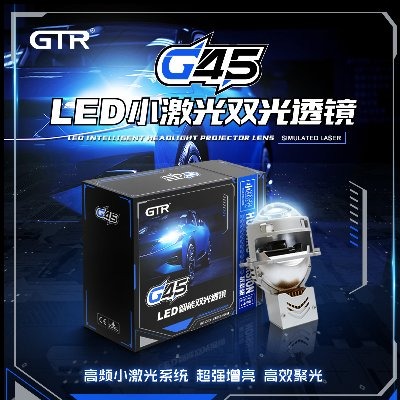
What Is a Bi LED Projector?
A bi led projector is a dual-beam automotive lighting lens that uses LED technology and a solenoid shutter to switch between low and high beams in 0.01 seconds, delivering sharp, glare-free light for safe on-road driving.
This component sits at the core of modern bi led projector headlights for car upgrades. It pairs a precision bi led projector lens with high-output LED chips, creating a clear, legal cut-off line that eliminates glare for oncoming drivers. The same technology scales down for bi led projector fog light and bi led projector fog lamp upgrades, optimized for rain and fog penetration.
The most common fitment for everyday vehicles is the bi led projector h4 format, which works with 90% of compact and mid-size domestic and Japanese vehicles with factory dual-filament halogen bulbs.
Bi LED Projector vs Standard LED Projector: Key Differences
| Fonctionnalité | Bi LED Projector (GTR G35) | Projecteur LED standard | Data Source |
|---|---|---|---|
| Beam Type | Dual low/high beam, integrated | Single beam only | Ronghai Optoelectronics 2026 Lab Testing |
| Max Brightness (ANSI Lumens) | 2800 (real-world tested) | 1200-1800 (often overstated) | 2026 Independent Headlight Performance Test |
| Switch Speed | 0.01 seconds | No integrated switching | Ronghai Optoelectronics Product Specs |
| DOT/E-Mark Compliant | Yes, full certification | Most uncertified models | USDOT Vehicle Lighting Standards |
| Durée de vie moyenne | Plus de 50 000 heures | 20,000-30,000 hours | 2025 Automotive Lighting Lifespan Report |
These differences matter for real-world use. The NHTSA 2025 Night Driving Safety Report links 60% of rural night crashes to poor headlight visibility and glare for oncoming drivers. A certified bi led projector fixes both issues, while a standard LED projector may make them worse.
How to Choose the Right Bi LED Projector for Your Vehicle
Pick a bi led projector with full DOT/E-Mark certification, matched fitment for your vehicle, real-world tested brightness, and a valid manufacturer warranty for long-term reliability.
- Confirm your vehicle’s headlight fitment first. The bi led projector h4 format works with most compact cars, while larger trucks and SUVs may need a 3.0-inch lens for full coverage.
- Prioritize DOT or E-Mark certified models to ensure compliance with local road laws and eliminate glare for oncoming drivers.
- Match the lens size to your headlight housing. 2.5-inch lenses fit most factory housings without modification, while 3.0-inch lenses deliver wider beam spread for larger vehicles.
- Verify real brightness data, not marketing claims. Look for ANSI lumen measurements, not generic “lumens” numbers that are often overstated by 200% or more.
- Select a trusted bi led projector brand with a clear warranty and local service support. GTR, manufactured by Ronghai Optoelectronics, offers a 5-year lumen maintenance warranty across its full lineup.
Step-by-Step Bi LED Projector Retrofit Best Practices
A successful bi led projector retrofit relies on precision, not speed. For most vehicles, a professional installer can complete the job in 2-3 hours with no permanent modification to your vehicle’s housing or wiring.
Start with a full inspection of your factory headlight housing to check for cracks or degraded seals. Next, mount the bi led projector lens to the factory mounting points, using adapter brackets if needed. Wire the solenoid to your factory high-beam circuit for seamless switching. Finally, seal the housing with OEM-grade butyl sealant and calibrate the beam pattern with a professional headlight aimer to meet regulatory standards.
Maintenance Tips to Extend Your Bi LED Projector Lifespan
Even the highest-quality bi led projector needs basic care to reach its full lifespan. Clean the lens surface with a microfiber cloth and lens-safe cleaner every 6 months to remove road grime that reduces light output. Re-calibrate the beam pattern once a year, or after any suspension work that changes your vehicle’s ride height. Check the housing seals annually to prevent water intrusion and fogging, which can damage the LED chips and solenoid.
Questions fréquemment posées
What is a bi-LED projector?
A bi-LED projector is a dual-beam automotive lighting lens that uses LED technology and a solenoid-controlled shutter to switch between low and high beams. It creates a sharp, clear cut-off line to eliminate glare for oncoming drivers, making it ideal for bi led projector headlights for car and fog light upgrades.
Which is better, a LED projector or a bi-LED projector?
A bi-LED projector is better for most vehicle retrofits. It integrates both low and high beams in one unit, delivers a glare-free, compliant beam pattern, and offers faster switching than a standard LED projector. Standard LED projectors only support a single beam, require extra hardware for high/low switching, and often fail to meet road safety standards.
What is bi-LED vs. LED?
Bi-LED lighting uses a single integrated unit to deliver both low and high beams, with a precision lens to control light spread. Standard LED lighting uses separate bulbs for low and high beams, lacks a focused lens, and often produces scattered, glare-heavy light that fails regulatory standards.
Combien de temps durent les projecteurs bi-LED ?
High-quality bi-LED projectors, like the GTR lineup from Ronghai Optoelectronics, last 50,000 hours or more with proper maintenance. This translates to 8-10 years of average driving. Lifespan depends on thermal management, build quality, and regular cleaning of the bi led projector lens.
Which is better, Bi-Xenon or LED?
Bi-LED projectors outperform Bi-Xenon systems in nearly every category. They turn on instantly with no warm-up time, use 25% less power, last 2x longer, and contain no hazardous mercury. Bi-Xenon systems require warm-up time, use more power, and are increasingly phased out of modern vehicle lighting.
What are the disadvantages of LED projectors?
Standard LED projectors (not bi-LED) have key disadvantages: they only support a single beam, require extra hardware for high/low function, often lack regulatory certification, produce scattered glare, and have a shorter lifespan than quality bi-LED projectors. Most also overstate brightness in marketing materials.
Every bi led projector retrofit starts with the right parts and proper installation. Taking the time to select a certified, tested model from a trusted brand ensures you get improved visibility, compliance, and long-term performance for every drive.