Sie haben einen Satz LED-Autolampen gekauft, in der Erwartung hellerer Straßen und sichererem Nachtfahren. Stattdessen bekamen Sie flackernde Lichter, eine Warnleuchte im Armaturenbrett und ein Abblendlichtmuster, das alle außer Ihnen blendet. Wir hören diese Geschichte jeden Tag. Und wir haben eine bessere Lösung entwickelt.
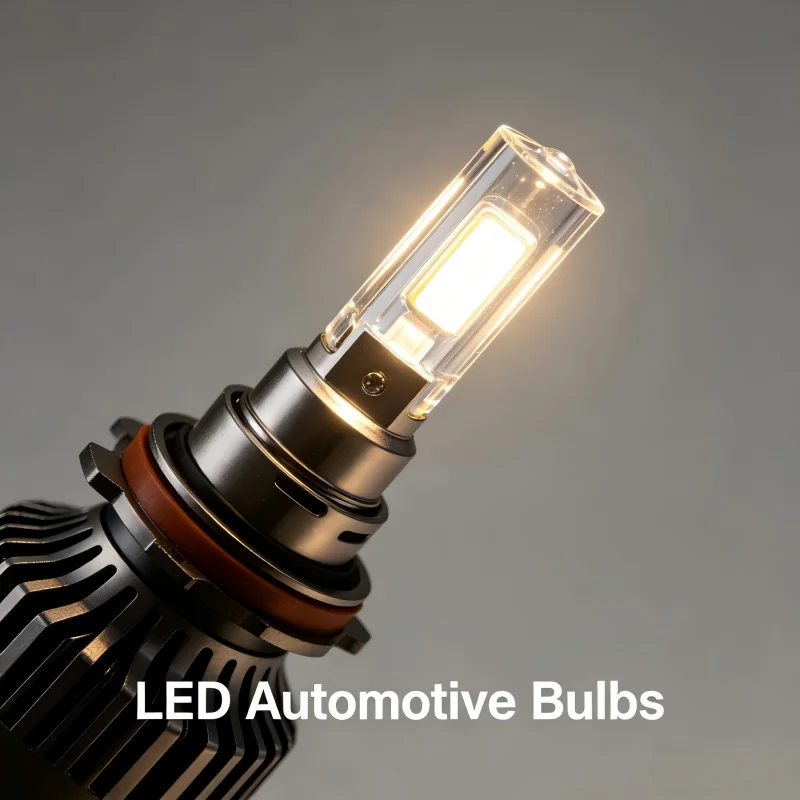
Das Problem: Warum Ihr LED-Autolampen-Upgrade wahrscheinlich gescheitert ist
Die meisten LED-Autolampen auf dem Markt sind für Gewinn konzipiert, nicht für Leistung. Sie verwenden veraltete Chip-Technologie, nachgeahmte Kühlkörperdesigns und ignorieren die Physik, wie Licht sich tatsächlich in einem Halogen-Gehäuse verhält. Das Ergebnis? Eine Lampe, die physisch passt, aber optisch versagt.
Hier ist, was tatsächlich passiert, wenn Sie eine billige oder schlecht konstruierte LED-Autolampe einbauen:
Flackern, das aussieht, als würden Sie eine Discokugel fahren
Sie installieren Ihre neuen LED-Autolampen, schalten sie ein, und sie stroboskopieren wie ein Nachtclub. Das ist nicht nur nervig – es ist gefährlich. Flackern tritt auf, wenn das CANbus-System Ihres Fahrzeugs den geringeren Stromverbrauch von LEDs nicht erkennt. Moderne Autos erwarten einen bestimmten Widerstand. Wenn sie diesen nicht bekommen, pulsieren sie die Stromversorgung, was diesen Stroboskopeffekt erzeugt.
Einige Fahrer versuchen, es zu ignorieren. Andere kaufen billige “Anti-Flackern”-Module, die innerhalb von Wochen ausfallen. Das Grundproblem? Die LED-Autolampe wurde nicht dafür entwickelt, richtig mit dem elektrischen System Ihres Fahrzeugs zu kommunizieren.
Fehlercodes im Armaturenbrett, die nicht verschwinden wollen
Sie installieren Ihre LED-Autolampen, und Ihr Armaturenbrett leuchtet wie ein Weihnachtsbaum. “Scheinwerfer prüfen”-Warnungen. Lampenfehlermeldungen. Der Computer Ihres Fahrzeugs denkt, die Lampe sei durchgebrannt, weil LEDs viel weniger Strom verbrauchen als die Halogenlampen, die sie ersetzt haben.
Das ist keine kleine Unannehmlichkeit. Es ist ein Zeichen dafür, dass Ihre LED-Autolampen grundlegend inkompatibel mit Ihrem Fahrzeug sind – und kein noch so großer Optimismus, dass “es sich schon von selbst regeln wird”, wird das beheben.
Blendet alle anderen, während Sie selbst nichts sehen können
Nichts sagt “Ich habe einen Fehlkauf getätigt” so sehr, wie wenn man von jedem entgegenkommenden Auto mit Fernlicht geblendet wird. Man installiert seine LED-Autolampen und ist plötzlich der Bösewicht jeder Nachtfahrt. Das Licht streut überall hin, nur nicht auf die Straße.
Folgendes passiert: Ihr Halogen-Scheinwerfergehäuse wurde für eine bestimmte Glühfadenposition ausgelegt. Die meisten billigen LED-Autolampen replizieren diese Position nicht genau. Die LED-Chips sitzen an der falschen Stelle, sodass der Reflektor oder Projektor das Licht in alle Richtungen wirft. Sie erhalten Blendung statt eines fokussierten Strahls. Mehr Licht, weniger nutzbare Ausleuchtung.
Sie passen nicht einmal – und jetzt bleiben Sie auf einer Rücksendung sitzen
Sie öffnen die Verpackung, aufgeregt, Ihre neuen LED-Autolampen zu installieren. Dann stellen Sie fest, dass der Kühlventilator oder Kühlkörper die Lampe zu groß für Ihr Gehäuse macht. Die Staubschutzkappe lässt sich nicht schließen. Der Lampensockel sitzt nicht richtig. Sie bleiben mit einem Produkt zurück, das physisch nicht in Ihr Fahrzeug passt – und ein Rückgabeprozess, der Ihre Zeit in Anspruch nimmt.
Nach sechs Monaten tot – das Glücksspiel
Sie haben ein Schnäppchen gemacht. Fünfzehn Dollar für einen Satz LED-Autolampen. Sechs Monate später ist eine Lampe dunkel, gelb oder komplett tot. Sie sind wieder am Anfang, haben nicht nur Geld verschwendet, sondern auch Zeit und Frustration für zwei Installationen. Billige LED-Autolampen sparen an der Wärmemanagement. Sie überhitzen, die LED-Chips degradieren, und Sie bleiben im Dunkeln – im wahrsten Sinne des Wortes. Das alte Sprichwort gilt: Billig kaufen, doppelt kaufen.
Die Aufregung: Das ist nicht nur unpraktisch – es ist gefährlich
Lassen Sie uns klar sagen, worum es hier geht. Das Fahren mit unsachgemäß installierten oder schlecht funktionierenden LED-Autolampen ist nicht nur ärgerlich. Es ist eine Sicherheitsgefahr.
Wenn Ihr Abblendlicht fleckige Schatten statt eines sauberen, breiten Strahls wirft, fahren Sie in kritischen Momenten blind. Wenn Ihr Fernlicht Licht in die Augen entgegenkommender Fahrer streut, erzeugen Sie ein Kollisionsrisiko bei Autobahngeschwindigkeit.
Und doch ist der Markt überschwemmt mit Produkten, die überversprechen und unterliefern. Marken kleben “50.000 Lumen” auf die Verpackung – eine physikalisch unmögliche Zahl für eine einzelne Lampe – und nennen es einen Tag. Sie verwenden billige Kühlventilatoren, die innerhalb von Monaten ausfallen. Sie sparen an der Treiberschaltung, was bedeutet, dass Ihre Lampe bei jeder Unebenheit oder beim Einschalten der Klimaanlage flackert.
Wir haben erlebt, dass Fahrer Stunden – manchmal Tage – damit verbringen, zu diagnostizieren, warum ihre neuen LED-Autolampen nicht funktionieren. Sie tauschen Lampen von Seite zu Seite. Sie kaufen CANbus-Decoder, die das Problem nicht beheben. Sie drehen die Lampe hundertmal, um den “Sweet Spot” für die Strahlausrichtung zu finden. Und am Ende geben viele auf und installieren ihre alten Halogenlampen wieder.
Das ist kein Upgrade. Das ist Zeit- und Geldverschwendung.
Die Lösung: LED-Autolampen, entwickelt für reale Bedingungen
Die GTR Lighting Ultra Series löst jedes oben genannte Problem. Nicht mit Marketing-Hype, sondern mit Technik, die die Ursachen für LED-Ausfälle in Halogen-Gehäusen angeht.
1:1-Filament-Replikapositionierung für perfekte Lichtkegel
Der mit Abstand größte Grund, warum LED-Autolampen in Halogen-Gehäusen versagen, ist die Platzierung der LED-Chips. Halogenlampen emittieren Licht von einem bestimmten Punkt – einem Glühfaden, der sich präzise 8–10 mm vom Sockelflansch befindet. Wenn die LED-Chips nicht an genau dieser Stelle sitzen, können die Reflektor- oder Projektoroptiken das Licht nicht richtig fokussieren.
Die Ultra Series von GTR Lighting positioniert ihre kundenspezifischen TST 7045 Chips mit digital gesteuerter Präzision, um die Halogen-Glühfadenposition exakt zu treffen. Das Ergebnis? Ein Strahlenmuster, das mit Ihrem Werksgehäuse funktioniert – nicht dagegen. Saubere Hell-Dunkel-Grenze. Keine Blendung. Licht dort, wo Sie es brauchen.
Integrierte CANbus-Kompatibilität – keine Widerstände, keine Decoder, kein Kopfzerbrechen
Die meisten LED-Autolampen erfordern externe Widerstände oder Decoder, um den Bordcomputer Ihres Fahrzeugs dazu zu bringen, sie zu akzeptieren. Die Carbide Series 2.0 Lampen von GTR haben eine eingebaute CANbus-Integrationsschaltung, die mit 95% aller heute auf der Straße befindlichen Autos, Lastwagen und Motorräder funktioniert.
Vorbei sind die Zeiten, in denen man Widerstände verdrahten oder Blinkerrelais ersetzen musste. Plug and Play. Das ist alles.
Fortschrittliches Wärmemanagement, das Dimmen und Ausfälle verhindert
LED-Autolampen werden heiß. Wirklich heiß. Ohne ordnungsgemäßes Wärmemanagement dimmt sich der LED-Chip selbst, um einen Ausfall zu verhindern. Diese “50.000-Lumen”-Lampe könnte in den ersten fünf Minuten 15.000 Lumen liefern und dann auf 8.000 abfallen, wenn sie sich erwärmt. Sie bekommen nicht, wofür Sie bezahlt haben.
Die Ultra-Serie von GTR verwendet modernste thermische Trennung – der LED-Chip wird auf einer separaten thermischen Ebene vom Treiberschaltkreis platziert. In Kombination mit hocheffizienten Kühlkörpern und Konstantstrom-Treibertechnologie hält dieses Design die Glühbirne kühl und sorgt während der gesamten Fahrt für eine konstante Leistung.
Passgenau – keine Modifikationen erforderlich
GTR Lighting entwickelt jede Glühbirne mit Blick auf die reale Fahrzeugpassung. Kein Feilen an Fassungen. Kein Zwängen von Staubschutzkappen. Keine “passt fast”-Frustration. Wenn die Glühbirnengröße zu Ihrem Fahrzeug passt, passt die Glühbirne in Ihr Fahrzeug.
Was echte Fahrer sagen
Ein Fahrer berichtete in einem Forum, dass er GTR Lighting Ultra 3 Glühbirnen in seinen serienmäßigen Scheinwerfern installiert hat: “Sie sind extrem hell und ich wurde kein einziges Mal von entgegenkommendem Verkehr geblendet. Sie sind nicht billig, aber sie funktionieren gut.”
Branchentests bestätigen die Ergebnisse. Eine Bewertung ergab, dass die GTR Lighting Ultra 3 H11 920 max Lux am hellsten Punkt an der Wand lieferte – 475% heller als die Serienausstattung. Das Lichtmuster behielt die scharfe Hell-Dunkel-Grenze bei, die das Projektorgehäuse erzeugen soll.
Eine andere Bewertung nannte die Ultra 3 “hell, gut verarbeitet, stark in einem Reflektor-Gehäuse, sehr gut in einem Projektor, und sie hat die Art von ausgewogener Gesamtleistung, die in der LED-Scheinwerferwelt schwer zu finden ist.”
Dies sind keine bezahlten Empfehlungen. Dies sind echte Ergebnisse von echten Fahrern, die umgestiegen sind und nie zurückgeblickt haben.
Häufig gestellte Fragen zu LED-Autolampen
Warum flackern meine LED-Autolampen nach dem Einbau?
Flackern tritt auf, wenn das CANbus-System Ihres Fahrzeugs den geringeren Stromverbrauch von LEDs nicht erkennt. Das System pulsiert den Strom, um eine durchgebrannte Glühbirne zu erkennen, was einen Stroboskopeffekt erzeugt. Die Lösung ist die Verwendung von LED-Automobilglühbirnen mit integrierter CANbus-Kompatibilität, wie die GTR Carbide Series 2.0.
Brauche ich Widerstände für LED-Autolampen?
Nicht, wenn Sie die richtigen Glühbirnen wählen. Widerstände sind eine Notlösung für LED-Automobilglühbirnen ohne integrierte CANbus-Kompatibilität. Sie erhöhen den Stromverbrauch, um den Computer des Fahrzeugs auszutricksen. Widerstände erzeugen jedoch Wärme, erfordern das Anlöten an die Werksverkabelung und können mit der Zeit ausfallen. Die integrierte CANbus-Integration von GTR macht Widerstände vollständig überflüssig.
Warum blenden meine LED-Autolampen entgegenkommende Fahrer?
Dies geschieht, wenn die LED-Chips nicht genau dort positioniert sind, wo sich der Halogenfaden befand. Die Optik des Gehäuses kann das Licht nicht richtig fokussieren, was Streulicht und Blendung erzeugt. Die 1:1-Filament-Replikapositionierung von GTR stellt sicher, dass das Lichtmuster zu Ihrem Werksgehäuse passt.
Welche Farbtemperatur ist am besten für LED-Autolampen?
Die meisten Fahrer bevorzugen 5000K bis 6000K für ein klares weißes Licht. 5000K bietet ein neutrales Weiß, das Sichtbarkeit und Komfort ausbalanciert. 6000K erzeugt ein etwas kühleres, klareres Weiß. Beides sind ausgezeichnete Optionen – der Unterschied ist weitgehend persönliche Vorliebe.
Wie lange sollten LED-Autolampen halten?
Qualitativ hochwertige LED-Automobilglühbirnen können realistisch 15.000 bis 30.000 Stunden halten. Die tatsächliche Lebensdauer hängt jedoch stark vom Wärmemanagement ab. Billige Glühbirnen überhitzen und verschlechtern sich schnell. Richtiges thermisches Design – wie die thermische Trennung und Konstantstrom-Treiber von GTR – stellt sicher, dass die Glühbirne über ihre gesamte Lebensdauer ihre Leistung beibehält.
Sind LED-Autolampen für den Straßenverkehr legal?
Die Legalität variiert je nach Region. In vielen Gebieten sind LED-Automobilglühbirnen legal, wenn sie ein ordnungsgemäßes Lichtmuster erzeugen und die Helligkeitsgrenzen nicht überschreiten. Glühbirnen, die übermäßige Blendung erzeugen oder Licht falsch streuen, können jedoch illegal sein. Überprüfen Sie immer Ihre örtlichen Vorschriften. GTR-Glühbirnen sind so konzipiert, dass sie ein sauberes, fokussiertes Licht erzeugen, das mit Werksgehäusen funktioniert – wodurch das Risiko der Nichteinhaltung verringert wird.
Werden LED-Autolampen in meinem älteren Fahrzeug funktionieren?
Ja – mit der richtigen Glühbirne. Ältere Fahrzeuge haben in der Regel keine CANbus-Systeme, daher ist die Kompatibilität einfacher. Die Passform kann jedoch bei übergroßen Glühbirnen ein Problem sein. GTR entwickelt Glühbirnen mit kompakten Abmessungen, die in die meisten Werksgehäuse passen.
Hören Sie auf, sich mit LED-Autolampen zufrieden zu geben, die nicht funktionieren
Sie haben nicht auf LED-Automobilglühbirnen umgerüstet, um mit Flackern, Fehlercodes, Blendung und vorzeitigem Ausfall umzugehen. Sie haben für bessere Sichtbarkeit, modernes Styling und Seelenfrieden auf der Straße aufgerüstet.
GTR Lighting liefert genau das. Technik, die die Ursachen von LED-Ausfällen löst. Integrierte CANbus-Kompatibilität. 1:1-Filament-Replikapositionierung für perfekte Lichtmuster. Fortschrittliches Wärmemanagement, das Ihre Glühbirnen in Bestform hält. Und eine Passformgarantie – wenn es sagt, dass es passt, passt es.
Verschwenden Sie keine weitere Nacht mit LED-Autolampen, die Sie im Stich lassen. Holen Sie sich die Lampen, die tatsächlich funktionieren.
Besuchen Sie GTR Lighting noch heute und sehen Sie den Unterschied, den Technik macht.