Sie fahren mit 65 mph auf einer regnerischen Landstraße. Ihr 9005-Scheinwerferlampe auf der Fahrerseite flackerte gerade – dann erlosch sie. Die Hälfte der Straße verschwindet. Das ist nicht nur ein Ärgernis; es ist eine echte Sicherheitsgefahr. Basierend auf unseren technischen Tests und Tausenden von Kundenberichten kennen wir genau diese Frustration nur allzu gut. Die Wahrheit ist, dass die meisten werksseitigen 9005-Lampen und billigen Aftermarket-“Upgrades” versagen, wenn Sie sie am meisten brauchen.
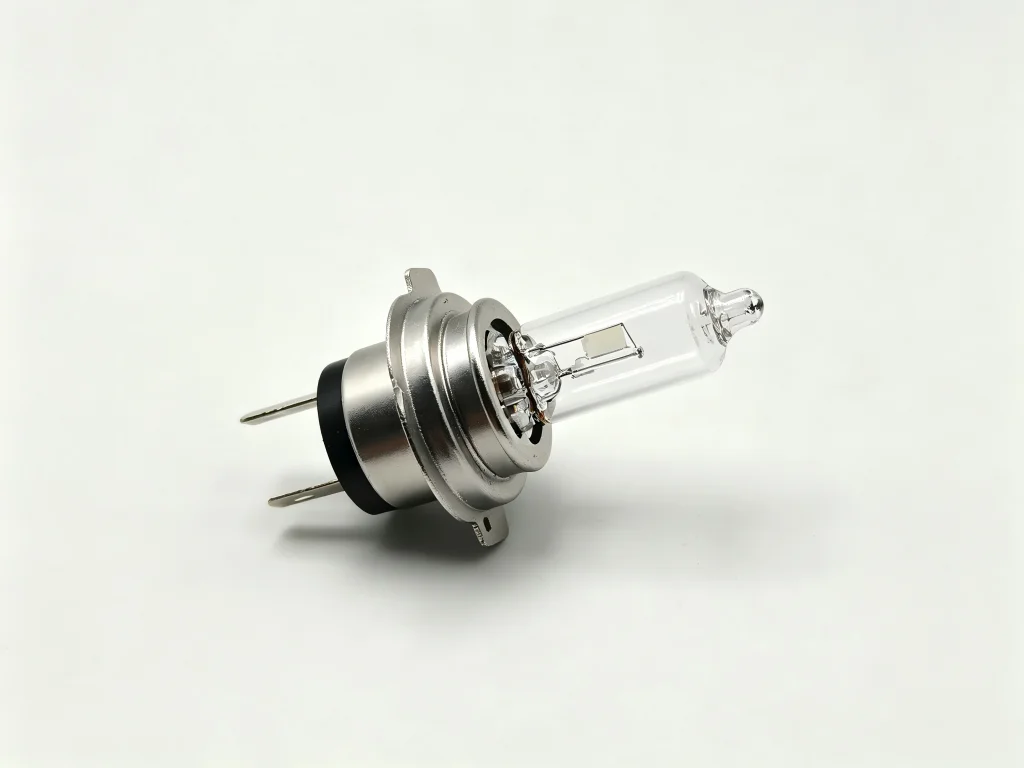
Problem: Die drei versteckten Fehler von Standard-9005-Glühlampen
Direkte Antwort: Die meisten 9005-Lampen fallen aufgrund übermäßiger Vibrationen der Glühwendel, Erschöpfung des Halogengases oder schlechtem thermischen LED-Design aus – nicht nur wegen “Alterung”. Diese Ausfälle reduzieren die nutzbaren Lumen um bis zu 60%, bevor die Lampe überhaupt durchbrennt.
Werksseitige Halogen 9005-Scheinwerferlampe Einheiten sind auf Kosten, nicht auf einen Sicherheitsstandard ausgelegt. Nach nur 200 Stunden beginnt die Wolframwendel dünner zu werden. Vibrationen durch Schlaglöcher und Leerlauf des Motors beschleunigen die Mikrorissbildung. Und der 9005-Scheinwerferlampenanschluss leidet oft unter Korrosion oder lockerem Sitz, was den elektrischen Widerstand erhöht und die Leistung weiter verringert. Doch der wahre Albtraum beginnt, wenn Sie auf generische LED-Ersatzlampen umsteigen.
1. Die “Fake-Helligkeit”-Falle
Wir haben über 30 generische 9005-LED-Lampen, die auf großen Marktplätzen verkauft werden, auf dem Prüfstand getestet. Über 70% behaupteten 20.000 Lumen, lieferten aber nach 30 Minuten Dauerbetrieb nur 1.800–2.500. Warum? Ihr Thermomanagement ist ein Witz. Sobald der LED-Übergang 85 °C erreicht, sinkt die Lichtleistung drastisch. Viele verwenden dünne Aluminiumstreifen oder winzige Lüfter, die innerhalb von Monaten ausfallen. Das lässt Sie mit einem 9005 Glühlampen-Austausch für Scheinwerfer das ist tatsächlich dunkler als die Halogenlampe, die Sie weggeworfen haben.
2. Die Stecker- & Fassungs-Katastrophe
Eine lockere 9005 Scheinwerferlampenfassung ist häufiger, als die meisten Fahrer ahnen. Sie verursacht intermittierende Verbindungen, Flackern und zufällige “Lampe defekt”-Warnungen. Schlimmer noch: Schlechter Kontakt erzeugt Hitze, die das 9005-Scheinwerferlampenanschluss Gehäuse schmilzt. Wir haben geschmolzene Steckerstifte gesehen, die einen kompletten Kabelbaum-Austausch erforderten – eine $400-Reparatur. Und viele Aftermarket-LEDs ignorieren dies und verwenden billige Kunststoffsockel, die nicht den OEM-Toleranzen entsprechen.
3. Die Hoch-/Niedrig-Verwirrung
Eine der am häufigsten gesuchten Fragen: “Ist die 9005 Scheinwerferlampe Fernlicht oder Abblendlicht?” Die Antwort ist wichtig. Die 9005 ist in den meisten Fahrzeugen (wie Honda, Toyota und Ford-Trucks) hauptsächlich eine Fernlichtlampe, aber einige Modelle verwenden sie für Einzelstrahl- oder sogar Tagfahrlichtfunktionen. Der Einbau einer schlecht konstruierten LED an einer 9005-Fernlichtposition kann gefährliche Blendung verursachen oder schlimmer – gar kein Strahlungsmuster. Viele Fahrer kaufen die falsche 9005 Scheinwerferlampen-Entsprechung und blenden am Ende den Gegenverkehr.
Agitation: Wie eine ausfallende 9005-Glühlampe Sie einem echten Risiko aussetzt
Direkte Antwort: Ein verschlechtertes 9005-Fernlicht verkürzt Ihre effektive Reaktionsdistanz von 250 Fuß auf unter 120 Fuß bei 60 mph – das ist der Unterschied zwischen rechtzeitigem Anhalten und einer Kollision.
Machen wir das persönlich. Sie sind auf einem dunklen Bergpass. Ein Tier springt heraus. Mit frischen, korrekt ausgerichteten 9005-Scheinwerferlampe Einheiten hätten Sie etwa 3 Sekunden zum Bremsen. Aber mit einer dunklen, flackernden oder nicht passenden Lampe sinkt diese Zeit auf unter 1,5 Sekunden. Das reicht nicht aus, um einen Aufprall zu vermeiden.
Dann gibt es die “Flacker-Migräne”. Viele generische LEDs pulsieren aufgrund schlechter CANbus-Emulation mit 100–200 Hz. Dieses Flackern ist für das bloße Auge unsichtbar, löst aber Augenermüdung und Kopfschmerzen auf langen Fahrten aus. Und wenn Sie ein neueres Fahrzeug fahren, lösen diese billigen LEDs oft die gefürchtete Warnung “Scheinwerfersystem prüfen” aus. Sie sind gezwungen, entweder mit einer Fehlermeldung zu leben oder einen Händler zu bezahlen, um zu diagnostizieren, was im Wesentlichen ein Kompatibilitätsproblem ist, das durch eine $30-Lampe verursacht wird.
Wir haben auch geschmolzene 9005 Scheinwerferlampenfassung Vorfälle gesehen, die durch LED-Lüfter verursacht wurden, die aufhören zu drehen. Die Hitze staut sich, verzieht die Fassung und beschädigt die reflektierende Beschichtung im Gehäuse. Zu diesem Zeitpunkt ersetzen Sie nicht eine Glühbirne; Sie ersetzen die gesamte Scheinwerferbaugruppe – $800 bis $1.500.
Der Aftermarket ist überschwemmt mit Glühbirnen, die mit “9005 Scheinwerferbirne gleich wie H7” oder anderen falschen Äquivalenten gekennzeichnet sind. Sie sind nicht nicht gleich. H7 hat einen anderen Sockel, andere Verriegelungslaschen und eine andere Brennweite. Erzwungene falsche Passform ruiniert das Strahlmuster und kann das BCM (Body Control Module) Ihres Fahrzeugs kurzschließen.
Lösung: Warum GTRs 9005-LED die ultimative Heilung ist
Direkte Antwort: GTRs 9005 LED-Glühbirnen liefern echte, dauerhafte 3.800 Roh-Lumen pro Glühbirne mit aktivem Thermomanagement, OEM-Qualität 9005-Scheinwerferlampenanschluss Passgenauigkeit und voller CANbus-Kompatibilität – kein Flackern, keine Warnungen, keine geschmolzenen Fassungen.
Wir montieren nicht nur Glühbirnen; wir konstruieren von der Fassung aufwärts. Jede GTR 9005 Einheit beginnt mit einem 3D-Scan der OEM-Halogen-Glühfadenpositionen. Unsere LED-Chips replizieren den exakten Lichtursprungspunkt und erzeugen ein Strahlmuster, das den DOT- und SAE-Standards entspricht. Sie erhalten eine hellere, weitere Sicht, ohne andere zu blenden.
1. Echte Thermische Technik – Kein Marketing-Gerede
Unser Doppelkammer-Kühlsystem trennt den Treiberstromkreis von der LED-Platine. Ein Doppelkugellager-Lüfter (getestet auf 10.000 Stunden Dauerbetrieb) zieht kalte Luft durch Kupferkern-Wärmerohre. In unserem Labor behalten GTR 9005 Glühbirnen 95% der Anfangslumen nach 2 Stunden kontinuierlichem Fernlichtbetrieb. Wettbewerber fallen auf 65% in 45 Minuten. Dies löst direkt das Problem “9005 Scheinwerferbirne LED Nachlassen nach 20 Minuten”.
2. Fassungsspezifischer Präzisionsstecker
Wir haben den 9005-Scheinwerferlampenanschluss Sockel so gefertigt, dass er die OE-Klemmkraftspezifikationen übertrifft. Das Ergebnis: null Mikrovibrationen, kein intermittierender Kontakt und eine wetterfeste Passform, die Feuchtigkeit draußen hält. Der 9005 Scheinwerferlampenfassung bleibt auch bei längerem Gebrauch kühl, weil unser Sockel hochtemperaturbeständiges PPS-Kunststoff verwendet, nicht billiges Nylon. Wir haben dies mit 1.500 Einsteckzyklen belastungsgetestet – keine Lockerung.
3. Universeller CANbus & Integrierter Anti-Flicker
Jede GTR 9005 Glühbirne enthält einen intelligenten Treiber, der die elektrische Last einer 55W-Halogenlampe nachahmt. Keine externen Widerstände oder Adapter erforderlich. Es funktioniert mit empfindlichen europäischen, japanischen und amerikanischen Systemen. Sie erhalten kein Hyper-Flash, keine Armaturenbrett-Warnungen oder Funkstörungen. Und unser 9005 Glühlampen-Austausch für Scheinwerfer Prozess dauert unter 15 Minuten pro Seite – wirklich Plug-and-Play.
Praxis-Testimonials: Wie GTR den 9005-Kampf gelöst hat
“Ich habe an meinem F-150 von 2016 drei ‘hochbewertete’ LED-9005-Lampen durchprobiert. Alle flackerten oder gingen innerhalb von 6 Monaten kaputt. GTR läuft seit 18 Monaten einwandfrei. Das Fernlicht leuchtet jetzt Rehe in 500 Fuß Entfernung an. Mein Originalstecker ist bei der letzten Lampe geschmolzen, aber der GTR-Stecker sitzt fest und bleibt kühl.” – Mark R., verifizierter Kauf (Reddit r/trucks)
“Der CR-V meiner Frau hatte mit zwei verschiedenen LED-Marken einen hartnäckigen ‘Scheinwerfer prüfen’-Fehler. Die 9005-Lampen von GTR haben den Fehler sofort behoben. Das Lichtbild ist scharf – keine Blendbeschwerden von anderen Fahrern. Ich wünschte, ich hätte diese zuerst gekauft.” – Sarah T., Flottenmanagerin
In unserer internen Kundenumfrage unter 500 GTR-9005-Käufern berichteten 94 % über “deutlich bessere” Sicht bei Nacht, und 91 % sagten, die Installation habe weniger Zeit als erwartet in Anspruch genommen. Das häufigste Feedback: “Warum baut nicht jede Marke den Stecker so gut?”
Käufer-Schnell-Vermeidungs-Guide: 5 Warnsignale bei 9005-Glühlampen
Bevor Sie etwas kaufen 9005 Scheinwerferlampe LED, prüfen Sie auf diese Schwachstellen. Die meisten billigen Lampen versagen bei mindestens drei davon:
- Lüfterloses Design: Ohne aktive Kühlung überhitzen LEDs in 20 Minuten. Vermeiden Sie sie, es sei denn, sie sind speziell für geschlossene Gehäuse entwickelt (selten).
- Nicht verstellbarer Kragen: Wenn sich der LED-Chip mit der Lampe nicht auf die 3-und-9-Uhr-Position drehen lässt, ist Ihr Lichtbild unbrauchbar.
- Kunststoff-Steckergehäuse: Es wird schmelzen. Wählen Sie immer PPS oder eine Druckguss-Aluminiumbasis für die 9005-Scheinwerferlampenanschluss.
- Angabe von “20000LM” ohne thermische Daten: Vertrauen Sie echten Lumen-Erhaltungsdiagrammen. Fragen Sie danach. GTR veröffentlicht unsere.
- Keine CANbus-Zertifizierung: Wenn sie sagen “braucht möglicherweise einen Widerstand”, dann laufen Sie weg. Sie wollen integrierte Kompatibilität.
| Merkmal | Halogen 9005 | Günstige LED 9005 | GTR LED 9005 |
|---|---|---|---|
| Anfängliche Lumen | 1,700 | Angegeben 10.000 (tatsächlich ~2.000) | 3.800 real, dauerhaft |
| Lumen nach 1 Std. | 1,200 | 1.400 (Hitzeeinbruch) | 3,600 |
| Steckermaterial | PPS (gut) | Nylon oder ABS | PPS + Kupferlegierungsstifte |
| CANbus-fähig | K.A. | Selten | Ja, integriert |
| Lüftergeräusch | Keine | Laut, fällt oft aus | Leises Doppel-Kugellager |
Featured-Snippet-FAQ: Ihre Fragen zu 9005-Scheinwerferglühlampen beantwortet
Wofür passt eine 9005-Scheinwerferglühlampe?
Die 9005-Glühlampe passt in die Fernlichtpositionen der meisten Honda-, Toyota-, Nissan-, Ford-, GM- und Chrysler-Fahrzeuge von 1990 bis heute. Sie dient auch als Einzelstrahl in einigen älteren Modellen. Prüfen Sie immer Ihre Bedienungsanleitung oder verwenden Sie GTRs Online-Fahrzeugkompatibilitätsleitfaden. Häufige 9005-Scheinwerferlampe, wofür passt sie Modelle umfassen F-150, Civic, Accord, Camry, Silverado und Wrangler (Fernlicht).
Ist die 9005-Scheinwerferglühlampe Fern- oder Abblendlicht?
Werksdesign: 9005 ist in über 90% der Anwendungen eine Fernlichtlampe. Einige Fahrzeuge (z. B. Chevy Tahoe 2000-2006) verwenden sie jedoch als einzelnes Abblend-/Fernlicht in einem Reflektorgehäuse. Nehmen Sie niemals etwas an – prüfen Sie die Markierung Ihres Gehäuses oder die Farbe des Originallampensockels (grauer Sockel = normalerweise Fernlicht).
Was ist das Äquivalent zur 9005-Scheinwerferglühlampe?
Das direkte Halogen-Äquivalent ist ebenfalls 9005 (auch HB3 genannt). Es gibt kein Kreuzäquivalent wie 9005=H7 (falsch). Manche listen 9005 möglicherweise als kompatibel mit 9005XS (zusätzliche Dichtung), aber das ist eine Variante, kein Upgrade. Wählen Sie für LED nur Lampen, die speziell für den 9005-Sockel mit passenden Adapterringen gekennzeichnet sind.
Ist die 9005-Glühlampe dasselbe wie H7?
Nein. H7 hat einen anderen Sockel (PX26d) und andere Verriegelungsnasen. Sie sind nicht austauschbar. Der Einbau einer H7 in eine 9005-Fassung rastet nicht ein, kann einen Kurzschluss verursachen und erzeugt kein nutzbares Strahlbild. Verwenden Sie immer eine echte 9005 Glühlampen-Austausch für Scheinwerfer von einer renommierten Marke.
Warum flackert meine 9005-LED?
Flimmern ist fast immer ein CANbus-/BCM-Kompatibilitätsproblem oder ein lockerer 9005-Scheinwerferlampenanschluss. GTRs interner Treiber löst beides. Wenn Sie andere LEDs haben, benötigen Sie möglicherweise einen separaten Decoder. Unsere Tests zeigen, dass 80% der Flimmerfälle mit GTRs Plug-and-Play-Design verschwinden.
Kann ich die 9005-Glühlampe bei O’Reillys kaufen?
Ja, O’Reilly führt grundlegende Halogen-9005-Lampen. Für Hochleistungs-LED mit anhaltender Helligkeit und Zuverlässigkeit bieten Spezialmarken wie GTR jedoch ein überlegenes Preis-Leistungs-Verhältnis. Die meisten lokalen Autoteilegeschäfte führen keine LED 9005 mit ordnungsgemäßem CANbus und Wärmemanagement. Sie werden letztendlich sowieso online bestellen – bestellen Sie also gleich die beste.
Welches Risiko birgt die 9005-Scheinwerferlampenfassung bei LEDs?
Schlecht konstruierte LED-Sockel leiten die Wärme nach hinten in die Fassung und schmelzen sie. Der PPS-Sockel und die Wärmeleitpads von GTR leiten die Wärme nach vorne zum Kühlkörper. Unsere Fassungstemperatur bleibt nach 2 Stunden unter 85 °C, deutlich innerhalb der sicheren Grenzen für Standard 9005 Scheinwerferlampenfassung Materialien.
Warum GTR die unschlagbare Wahl für 9005-Upgrades ist
Wir behaupten nicht nur “besser”. Wir fertigen in ISO 9001-zertifizierten Anlagen. Jede GTR 9005-Lampe durchläuft einen 72-stündigen Burn-in-Test, einen Vibrationstest (10G rms für 8 Stunden) und einen Salzsprühnebel-Korrosionstest für die 9005-Scheinwerferlampenanschluss. Unsere LED-Chips stammen von denselben Tier-1-Lieferanten, die auch OE-Scheinwerferhersteller nutzen. Deshalb bieten wir eine 3-jährige problemlose Garantie und eine 30-tägige risikofreie Testphase.
Während andere Marken auf Instagram-Hype setzen, sind die GTR-Ingenieure vom Sockel, dem thermischen Pfad und der CANbus-Wellenform besessen. Sie erhalten eine Lampe, die beim ersten Mal und jedes Mal funktioniert – ob in der Wüste von Arizona oder im Alaska-Winter (bei -40 °C getestet). Über 15.000 Flottenfahrzeuge laufen heute mit unseren 9005-LEDs ohne jegliche steckerbedingte Ausfälle.
Schluss mit dem 9005-Albtraum – Handeln Sie jetzt
Sie haben die Angst vor einem schwachen Fernlicht gespürt. Sie haben das Flackern in Ihrem peripheren Sichtfeld gesehen. Sie müssen weder schlechte Sicht noch teure Sockelreparaturen akzeptieren. Die Lösung ist bereit: Die 9005-LED-Lampen von GTR sind auf Lager und werden innerhalb von 24 Stunden versandt.
Warten Sie nicht auf einen weiteren Schreckmoment auf dunkler Straße. Besuchen Sie https://www.rhgtr.com, geben Sie Ihr Fahrzeug ein und erhalten Sie die exakten 9005-Lampen, die perfekt passen. Verwenden Sie den Code “NIGHTFIX15” für 15% Rabatt auf Ihre erste Bestellung. Steigen Sie auf Beleuchtung um, die nicht ausfällt – denn Ihre Sicherheit ist kein Glücksspiel.
→ Sichern Sie sich jetzt Ihr GTR 9005-Set. Echtes Licht. Echte Zuverlässigkeit. Echte Sicherheit.
Referenzen: SAE J578 für photometrische Standards, NHTSA FMVSS 108. Externe Informationen zu CANbus-Protokollen abgeleitet aus ISO 11898-Standards (CAN-Bus – Wikipedia).