Choosing the wrong led module costs more than the purchase price. It costs labor, downtime, and brand credibility. This guide compares materials, drivers, and specs so you can buy once and buy right.
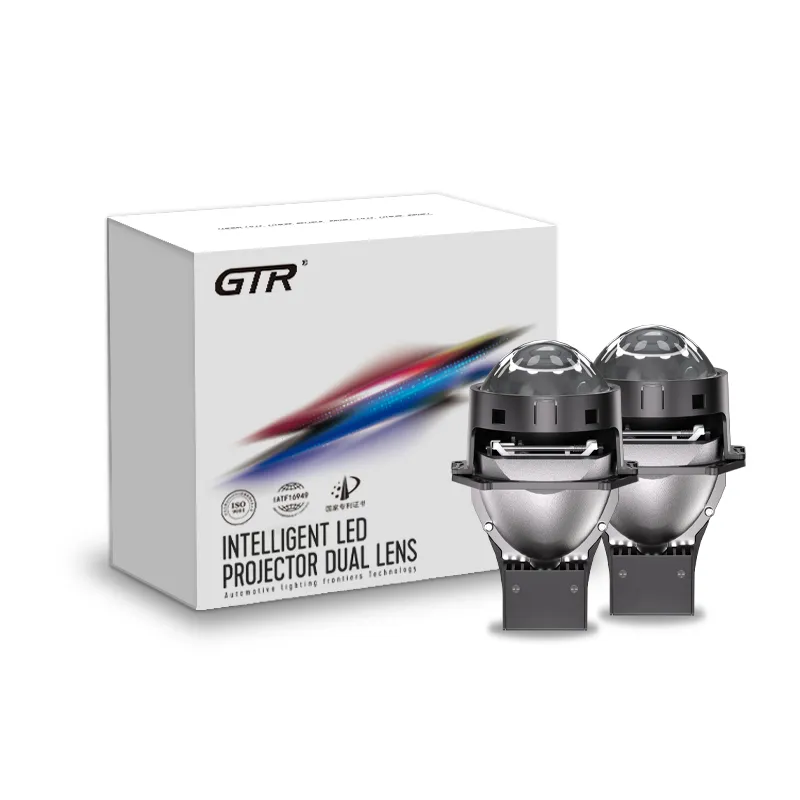
What Separates a Good LED Module From a Bad One
A good LED module holds its lumen output at high temperature, seals against moisture, tolerates current variation, and pairs with a matched driver. A bad one meets the spec sheet at 25°C and fails in the real world.
Most spec sheets look similar. The differences hide in the details that matter after installation. Here is what to compare before you commit.
Lumen Maintenance at Temperature
Every module lists a lumen output. Fewer list how much output remains at 60°C or 80°C. A module that holds 90 percent at 60°C will look bright for years. One that holds 70 percent will dim noticeably within the first two years. Ask for the hot-temperature curve, not just the room-temperature number.
Ingress Protection and Potting
IP ratings tell you what the housing resists. They do not tell you how the internal components are protected. Full potting, where the circuit board is encased in a protective compound, resists vibration, corrosion, and condensation far better than a simple gasket. For coastal, cold-storage, or washdown environments, potting is not optional.
Current Binning and Consistency
Two modules from the same production run can draw different current. Tight binning keeps that variation small. Loose binning means some modules run hotter and fail sooner. When you replace one module in a sign, tight binning also means the new module matches the old ones in brightness.
LED Module Comparison: Materials and Designs
Compare modules by lens material, board substrate, potting method, and connector design. These four choices determine how long a module survives heat, moisture, and vibration in real installations.
| 特點 | Budget Option | Mid-Range Option | GTR Premium Option |
|---|---|---|---|
| 鏡片材質 | Standard PMMA | UV-stabilized PMMA | UV-stabilized, high-clarity PMMA |
| Board substrate | FR-4 standard | Aluminum-backed | Aluminum-backed, thermal-optimized |
| Potting | None or partial | Partial potting | Full potting, marine-grade |
| Connector | Open pin | Sealed push-in | Sealed, keyed, downward-facing |
| Current tolerance | ±15% | ±10% | ±5% |
| Typical warranty | 1–2 years | 3–5 years | 5–7 years |
Constant Current vs. Constant Voltage: Which Driver Do You Need?
This is the decision that causes the most repeat failures. Get it wrong, and your modules die early no matter how good they are.
- Constant voltage (CV) supplies a fixed voltage, usually 12V or 24V. Modules designed for CV have built-in current limiting. They are easy to wire but less efficient and less precise.
- Constant current (CC) supplies a fixed current and varies voltage. Modules designed for CC run cooler and more consistently. They need a driver matched to the total load.
Mixing the two is the classic mistake. A CV driver feeding CC modules pushes too much current. A CC driver feeding CV modules may not start them at all. Match the driver to the module type, and size the driver for the total wattage with a 20 percent margin.
Driver Sizing Example
Suppose you run 40 modules at 0.72W each. Total load is 28.8W. Add a 20 percent margin, and you need a driver rated for at least 34.6W. Undersizing the driver forces it to run at its limit, which shortens its life and can cause flicker.
Matching Modules to Real Applications
Different jobs demand different modules. The table below maps common applications to the specs that matter most.
| Application | Key Spec | Why |
|---|---|---|
| Channel letters | Wide beam angle, shallow profile | Fills the letter evenly without hot spots |
| Light boxes | High lumen output, even pitch | Prevents banding and dark edges |
| Cold storage | IP68, full potting | Resists condensation and freeze-thaw cycles |
| Coastal signage | Marine-grade potting, UV-stable lens | Resists salt air and sun damage |
| Industrial enclosures | Vibration-resistant, wide temperature range | Survives machinery and temperature swings |
What Experienced Buyers Look For
We asked installers and facility managers what they check before placing a module order. Their answers cluster around a few themes.
One purchasing manager for a national sign company said: “We stopped buying on price per module. We now buy on price per year of service. The cheap modules cost us three times more in truck rolls.”
A maintenance lead at a food processing plant added: “Potting is the whole game for us. Washdown kills anything that is not fully sealed. We learned that the hard way.”
These buyers are not looking for the lowest led module price. They are looking for the lowest total cost of ownership. That shift in thinking separates buyers who stop replacing modules from those who keep replacing them.
Frequently Asked Questions About Buying LED Modules
What is the difference between led modules for signs and general led modules?
Led modules for signs prioritize wide beam angles, low profile, and weather protection. General modules may prioritize raw output or color quality for indoor fixtures.
What led module size do I need for channel letters?
Measure the letter depth and stroke width. Choose a module whose pitch and beam angle fill the channel evenly. Deeper letters need wider angles or more modules.
What is the led module hsn code for imports?
的 led module hsn code varies by country and function. Common classifications include 8531.20 and 9405.40. Confirm with your customs broker before shipping.
How do I know if a module is truly 12V compatible?
Check the rated voltage and current. A led module 12v unit should list both. If the spec sheet only lists voltage, ask for the current rating and the driver recommendation.
Can I mix brands of led modules in one sign?
You can, but brightness and current may differ. Mixing brands often creates visible inconsistency and uneven aging. Matching brand and bin is the safer choice.
What warranty should I expect on premium led modules?
Premium modules typically carry 5 to 7 year warranties. Budget modules often carry 1 to 2 years. The warranty reflects the manufacturer’s confidence in the thermal and sealing design.
Why GTR Is the Low-Risk Choice
GTR designs modules for buyers who cannot afford callbacks. Our modules use aluminum-backed boards, full marine-grade potting, and tightly binned LEDs. We test to IP67 and IP68, and we publish hot-temperature lumen data instead of hiding behind room-temperature specs.
We also help you match the driver, size the load, and plan the installation. That system-level support is why sign companies, industrial facilities, and lighting contractors standardize on GTR.
If you are tired of choosing between cheap modules that fail and expensive modules that still fail, visit https://www.rhgtr.com to compare specs, request samples, and get a recommendation for your exact application. Buy once. Buy right.