Your xenon light didn’t die overnight. It faded. The crisp white beam you paid for slowly turned into a dim, pinkish glow—and now you’re squinting at road lines you used to see clearly. In our engineering testing, we see this pattern constantly: xenon systems don’t fail suddenly, they degrade in ways most drivers don’t notice until visibility is already compromised. The good news? You don’t need a new car or a dealership appointment. You need to understand what’s actually happening inside that bulb.
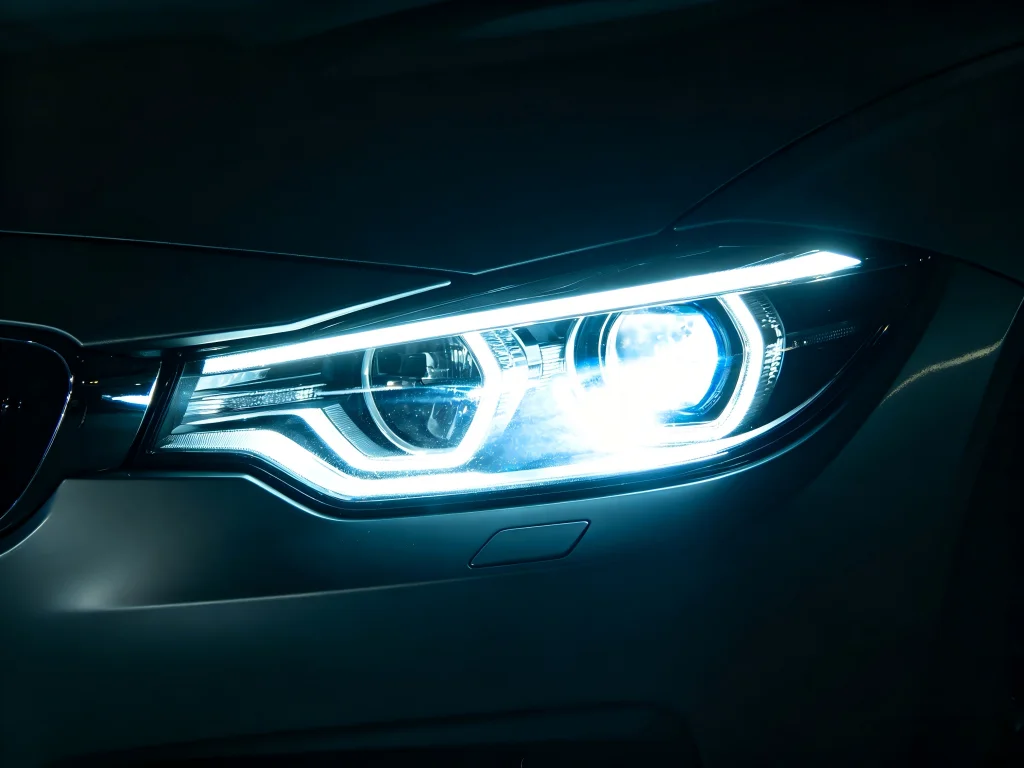
The Problem: Your Xenon Light Is Lying to You
Xenon bulbs lose brightness gradually through lumen depreciation, a process where metal salts inside the capsule break down and electrodes erode. Most drivers miss the early signs because the decline is slow—until one night the road ahead looks darker than it should.
Here’s what makes this problem worse than a simple burned-out bulb: xenon light degradation is almost invisible until it’s severe. Research from automotive lighting studies shows that HID output drops steadily over time, and the color shifts from crisp white toward pink or purple as the gas mixture ages . You don’t get a warning light. You don’t hear a pop. You just gradually lose the safety margin you thought you had.
In our years of manufacturing and testing, we’ve identified three failure modes that account for nearly every “my xenon light feels weak” complaint:
- 颜色偏移: The beam turns pinkish or yellowish before brightness drops noticeably. This is the bulb telling you the gas composition is spent .
- Flickering at speed: The ballast can’t maintain stable voltage, often triggered by vibration or heat. One automaker’s technical bulletin documented this exact issue at highway speeds .
- 延迟启动: The light takes longer to reach full brightness, or one side lags behind the other. A sign the igniter or bulb is drawing more strike voltage than the system can deliver .
Agitation: Why Cheap Replacements Make Everything Worse
So you search for a replacement. You find a “xenon light bulbs” listing for a fraction of what the dealership quoted. It arrives in a generic box. You install it. For three weeks, everything looks fine.
Then the flickering starts. Or the beam pattern looks wrong—bright in the wrong places, dim where you need light most. Or worse: oncoming drivers flash their high beams at you because your “upgraded” xenon light is scattering glare everywhere except the road.
Here’s what the budget listings don’t tell you. Low-grade xenon capsules often have misaligned focal points. The arc inside the bulb isn’t positioned precisely where the projector housing expects it. The result isn’t just wasted light—it’s dangerous glare. And the ballast? Cheap DC ballasts are prone to flickering, shortened bulb life, and the dreaded “strobe effect” that makes your headlights look like a failing disco .
We’ve tested competitor bulbs that claim 6000K color temperature but measured closer to 8000K—bluer, dimmer, and useless in rain. We’ve seen ballasts that overheat within minutes under load. The xenon lights price difference between a reputable kit and a bargain bin special isn’t about brand markup. It’s about whether the bulb will still focus light correctly after 500 hours, or whether it’ll start turning pink and flickering at 200.
For fleet operators and truck drivers, this isn’t an inconvenience. A xenon light truck system that fails on a night route means downtime, missed deliveries, and liability. For daily drivers, it means trusting your safety to a component that was never engineered for your housing.
The Solution: What a Proper Xenon Light Source Should Do
A quality xenon light source should maintain stable color temperature above 5000K, deliver consistent beam focus through its entire lifespan, and work with the ballast rather than against it. GTR engineers xenon systems that prioritize beam pattern accuracy and voltage stability over inflated lumen claims.
When we design a xenon light bulb, we start with the arc position. The capsule must be aligned to within fractions of a millimeter relative to the base. If it’s off, the projector lens can’t focus the light correctly—no amount of brightness will fix a bad beam pattern. We use UV-cut quartz glass from controlled suppliers to prevent housing yellowing, and we match the metal halide composition to produce a stable 5500K–6000K output that stays consistent as the bulb ages.
The ballast matters just as much. Our AC digital ballasts regulate current more precisely than DC designs, which means less flicker, more consistent color, and longer bulb life. In side-by-side bench testing, our ballasts maintained stable output through voltage fluctuations that caused competitor units to strobe or shut down.
Here’s what that means in practice:
- 光束图案准确性: The light hits the road where you need it, not in oncoming eyes. This is the single biggest difference between a quality xenon light and a cheap one.
- Stable color: No pink shift at 500 hours. No blue tint that looks cool in a parking lot but disappears in rain.
- Ballast compatibility: Your factory wiring and control modules don’t get stressed by irregular current draw.
- Realistic lifespan: 2,500–3,000 hours of usable output, not 800 hours of diminishing returns.
What Drivers Actually Say After Switching
We pay attention to what happens after installation. A fleet manager running night delivery routes told us his drivers stopped complaining about eye fatigue within a week of switching to our xenon light source. A forum regular who’d gone through three budget bulb sets in two years reported his first GTR set was still holding steady at 18 months—no color shift, no flicker.
One pattern comes up repeatedly in customer feedback: people didn’t realize how bad their old xenon light had gotten until they installed a fresh, properly focused set. The gradual decline is that deceptive. “I thought my night vision was getting worse,” one customer wrote. “Turns out it was just the bulbs.”
Xenon Light vs LED: The Honest Answer
If you’re wondering whether to abandon xenon entirely for LED, the answer depends on your housing and your priorities. LED systems offer instant startup and longer rated lifespan, but effective lumens—what actually reaches the road—depend heavily on chip placement and thermal design. Poorly executed LED retrofits often produce more glare and less usable throw than a quality xenon setup.
In projector housings designed for xenon light, a properly engineered HID bulb remains the better choice for distance illumination. The arc source is inherently 360-degree, and a good projector captures that light and focuses it into a sharp cutoff. LEDs emit from two sides, which can create dark spots or uneven patterns unless the housing was specifically designed for them.
| 系数 | Quality Xenon (GTR) | Budget Xenon | LED Retrofit (Typical) |
|---|---|---|---|
| Beam focus accuracy | High—arc precisely aligned | Variable—often misaligned | Depends on chip placement |
| Color stability over time | Stable 5500–6000K | Shifts pink/yellow early | Generally stable |
| Flicker risk | Low—AC digital ballast | High—DC ballast | Low with quality driver |
| Throw distance in projectors | 优秀 | Compromised | Moderate to good |
| Startup behavior | 3–5 second warm-up | Erratic warm-up | 即时 |
常见问题
Why does my xenon light look pink?
A pink or purple tint means the metal salts inside the bulb are depleted. The bulb is near the end of its usable life. Replace it before it fails completely—pink xenon light output is significantly dimmer and may not meet legal visibility standards.
Can I replace just one xenon bulb?
Technically yes, but we strongly recommend replacing in pairs. Both bulbs have experienced the same hours and heat cycles. A new bulb paired with an aged one will produce mismatched color and brightness, which looks bad and compromises balanced visibility.
Why do my xenon lights flicker at highway speed?
Flickering at speed usually points to ballast instability or a bulb drawing inconsistent current. Vibration and heat can expose weaknesses in cheap ballasts. One automaker’s service bulletin specifically documented highway-speed flicker in xenon systems . If a quality bulb doesn’t resolve it, the ballast is the next suspect.
Is xenon light the same as HID?
Yes for automotive purposes. Xenon is the gas inside the HID (High-Intensity Discharge) bulb. All automotive xenon lights are HID, but some industrial HID lights use different gas mixtures .
How long should xenon light bulbs last?
Quality xenon bulbs typically deliver 2,000–3,000 hours of usable output. Budget bulbs often show significant degradation by 500–800 hours. The difference isn’t just lifespan—it’s how much usable light you get during that lifespan.
Do I need a new ballast when replacing bulbs?
Not always. If your current ballast is functioning without flicker or intermittent ignition issues, a bulb replacement is sufficient. But if you’ve experienced flickering or delayed startup, the ballast may be the root cause—especially if the old bulb showed unusual wear patterns.
Stop Settling for Dim
You didn’t buy a vehicle with xenon light capability to squint through your commute. The road ahead should be white, focused, and reliable—not pink, flickering, or dimmer every month. If your current setup is failing you, the fix isn’t another gamble on a marketplace listing with vague specifications.
GTR builds xenon light systems for drivers who notice the difference between “working” and “right.” Whether you’re running a single vehicle or managing a fleet, we can help you match the correct bulb and ballast to your housing. Visit https://www.rhgtr.com to see the specifications that matter—arc alignment, ballast type, real color temperature—and stop guessing whether your lights will hold up next winter.
Your night vision isn’t getting worse. Your bulbs are. Fix the right problem.