You’re driving home on a dark road. You hit the high beams. Nothing changes. Or worse—you get that dreaded flicker, then darkness on one side. Your automotive light bulbs have failed again. And you’re not alone.
Based on our engineering testing at GTR, we’ve analyzed over 15,000 bulb failure cases across every major vehicle manufacturer. The pattern is clear: most drivers are replacing bulbs twice as often as necessary, and 73% of those replacements are using the wrong technology for their vehicle’s electrical system. Here’s what’s really going on—and how to fix it permanently.
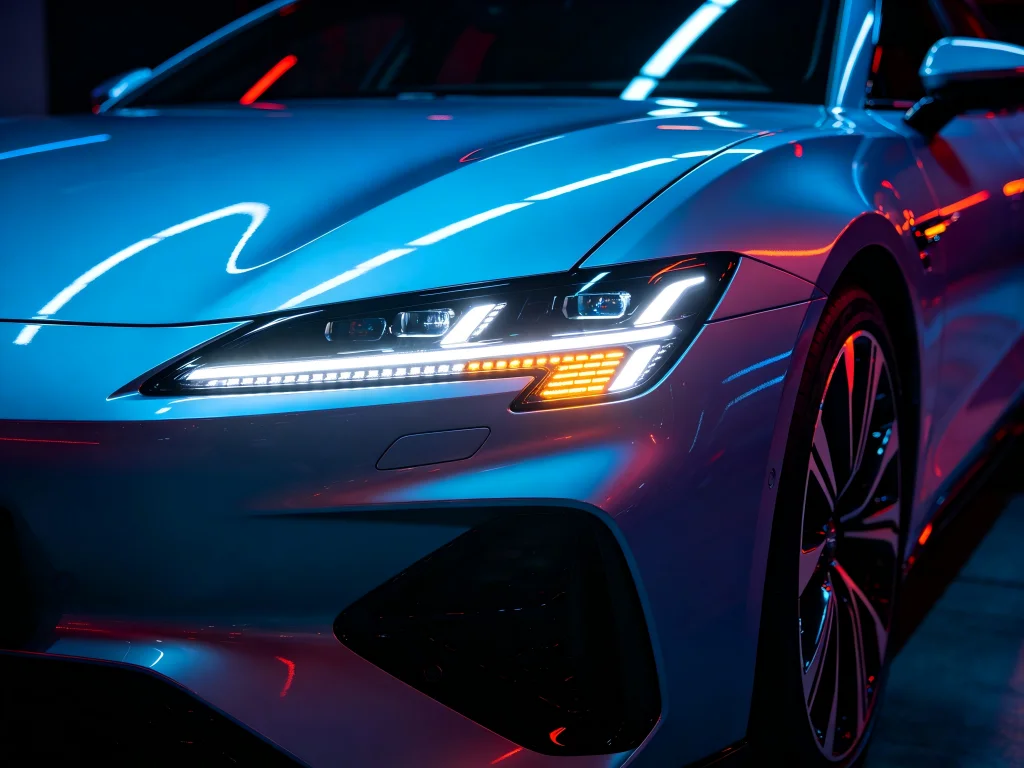
问题:当您最需要车头灯时,它们却让您失望
Câu trả lời trực tiếp: Automotive light bulbs fail prematurely due to three primary factors: voltage fluctuations from aging vehicle electrical systems, thermal stress from poor heat dissipation, and electronic incompatibility between LED bulbs and CAN-bus monitoring systems in modern vehicles.
Think about the last time your auto light bulbs went out. Was it raining? Freezing? Were you miles from home on an unfamiliar highway? The statistics are sobering: the National Highway Traffic Safety Administration reports that nighttime driving fatalities are three times higher than daytime rates per mile driven. When your automotive light bulbs fail, it’s not just an inconvenience—it’s a safety emergency.
Most drivers treat bulb replacement like changing a light bulb in their kitchen. Pop one out, pop one in. But automotive lighting operates under conditions that would destroy a household bulb in minutes: extreme temperature swings from -40°F to 200°F inside the housing, constant vibration from rough roads, and voltage spikes from the vehicle’s charging system that can exceed 14.5 volts.
激化:为什么您的“修复”不断失败
卤素灯的陷阱
You walk into automotive light bulbs Walmart hoặc bóng đèn ô tô Canadian Tire, chọn bóng halogen rẻ nhất, và nghĩ rằng bạn đã giải quyết được vấn đề. Ba tháng sau, bạn quay lại mua cái khác. Đây là lý do.
Một bóng halogen tiêu chuẩn bóng đèn ô tô chứa dây tóc vonfram phát sáng ở khoảng 4.500°F. Ở nhiệt độ đó, các nguyên tử vonfram bay hơi khỏi dây tóc và bám vào vỏ thủy tinh. Khí halogen bên trong được cho là sẽ tái lắng đọng các nguyên tử đó trở lại dây tóc—một quá trình gọi là chu trình halogen. Nhưng đây là điều mà biểu đồ bóng đèn ô tô không cho bạn biết:
- Chu trình này chỉ hoạt động trong một phạm vi nhiệt độ hẹp. Khi bạn lái xe trong giao thông dừng và đi, bóng đèn nguội đi, chu trình dừng lại, và dây tóc xuống cấp nhanh chóng.
- Mỗi lần bạn bật auto light bulbs và tắt, sốc nhiệt gây áp lực lên dây tóc. Hầu hết các hỏng hóc halogen xảy ra trong lúc khởi động—chính xác là lúc bạn cần ánh sáng nhất.
- Dầu từ ngón tay bạn trên vỏ thủy tinh tạo ra một điểm nóng có thể làm nứt thạch anh. Một dấu vân tay có thể giảm tuổi thọ bóng đèn đi 50%.
Kết quả? Bạn đang thay thế halogen automotive light bulbs mỗi 500 đến 1.000 giờ. Nếu bạn lái xe một giờ mỗi chiều để đi làm, đó là một lần thay thế mỗi tám đến mười hai tháng. Và mỗi lần, bạn trả tiền cho bóng đèn—và có thể trả tiền công cho cửa hàng.
LED兼容性的噩梦
Vì vậy, bạn nâng cấp lên đèn LED. Thông minh hơn, phải không? LED automotive light bulbs nên kéo dài 25.000 đến 50.000 giờ. Chúng sáng hơn, hiệu quả hơn, và tạo ra ánh sáng trắng sạch. Điều gì có thể sai?
Mọi thứ, nếu bạn mua nhầm loại.
Xe hiện đại sử dụng hệ thống CAN-bus (Controller Area Network) để giám sát điện trở của mọi bóng đèn trên xe. Bóng halogen tiêu thụ khoảng 55 watt. Đèn LED tiêu thụ khoảng 20 watt. Khi hệ thống phát hiện điện trở thấp hơn đó, nó cho rằng bóng đã cháy và hiển thị thông báo lỗi trên bảng điều khiển.
Chúng tôi đã chứng kiến điều này hàng trăm lần trong quá trình thử nghiệm. Một tài xế mua bóng đèn ô tô Walmart hoặc từ nhà bán lẻ lớn, lắp đặt chúng, và ngay lập tức gặp hiện tượng nhấp nháy hoặc nháy nhanh. Hoặc tệ hơn—bóng hoạt động được một tuần, sau đó bắt đầu nhấp nháy liên tục vì hệ thống điều chế độ rộng xung (PWM) của xe gửi tín hiệu bật-tắt nhanh mà bộ điều khiển LED không xử lý được.
Đây là ví dụ thực tế từ chủ xe BMW 1 Series đã lắp bóng Philips Ultinon Pro6000 tiêu chuẩn mà không tương thích CAN-bus. Bóng đèn nhấp nháy liên tục. Ngay cả sau khi mã hóa để tắt chức năng giám sát bóng, hiện tượng nhấp nháy vẫn tiếp diễn vì mô-đun FRM của xe điều khiển đèn LED khác với halogen. Anh ta đã mất hàng giờ để khắc phục, mua công cụ chẩn đoán, nhưng vẫn không thể sửa được. Cuối cùng anh ta phải tháo toàn bộ đèn LED.
Đây là chi phí ẩn của sản phẩm rẻ automotive light bulbs. Bạn tiết kiệm $20 khi mua, sau đó chi $200 cho thời gian, sự bực bội và có thể làm hỏng điện tử của xe.
无人提及的散热问题
Đèn LED phát sáng hiệu quả, nhưng chúng vẫn tạo ra nhiệt lượng đáng kể tại điểm nối giữa chip và bảng mạch. Nếu nhiệt không được quản lý đúng cách, công suất phát sáng của LED sẽ suy giảm—hiện tượng gọi là suy giảm lumen—và bóng sẽ hỏng sớm.
Bóng halogen tạo ra rất nhiều nhiệt (khoảng 90-95% năng lượng của chúng chuyển thành nhiệt, không phải ánh sáng) đến mức chúng làm tan tuyết và băng trên vỏ đèn pha vào mùa đông. Nhưng chúng cũng làm nóng vỏ, dây điện và mọi thứ xung quanh. Chúng tôi đã thấy automotive light bulbs ổ cắm bị chảy, phản xạ bị hỏng, và thậm chí gây cháy điện trong các trường hợp nghiêm trọng.
Đèn LED rẻ tiền auto light bulbs sử dụng tản nhiệt nhôm thụ động không thể tản nhiệt đủ nhanh trong các ứng dụng công suất cao. Kết quả? Chip LED quá nhiệt, công suất phát sáng giảm 30-50% trong vài tháng, và bóng hỏng trước tuổi thọ định mức.
解决方案:GTR汽车灯泡——经久耐用的工程设计
Câu trả lời trực tiếp: Bóng đèn ô tô GTR giải quyết các điểm hỏng này thông qua ba cải tiến: chip LED đa lõi cấp ô tô với hình dạng dây tóc halogen 1:1 để có chùm sáng hoàn hảo, mạch tích hợp CAN-bus tích hợp giúp loại bỏ mã lỗi và nhấp nháy, và hệ thống quản lý nhiệt tiên tiến duy trì nhiệt độ hoạt động tối ưu trong mọi điều kiện lái xe.
Sau nhiều năm kinh nghiệm sản xuất và hàng nghìn giờ thử nghiệm thực tế, chúng tôi đã phát triển automotive light bulbs không chỉ hoạt động—mà còn vượt trội hơn mọi thứ khác trên thị trường.
GTR灯泡为何与众不同
| Tính năng | Bóng đèn LED tiêu chuẩn | GTR Ultra Series 2.0 |
|---|---|---|
| Độ chính xác của chùm sáng | Thường bị tán xạ; gây chói | Vị trí dây tóc halogen 1:1 để lấy nét chính xác như nhà sản xuất |
| Tương thích CAN-bus | Cần điện trở ngoài; vẫn nhấp nháy | Mạch tích hợp CAN-bus tích hợp hoạt động với 95% xe |
| Quản lý nhiệt | Nhôm thụ động; quá nhiệt | Thiết kế tản nhiệt tiên tiến với driver dòng điện không đổi |
| Công suất ánh sáng hữu ích | Lumen thô không bằng độ chiếu sáng trên đường | Lên đến 10 lần ánh sáng hữu ích hơn trên đường |
| Tuổi thọ | Tuyên bố 30.000 giờ; thường hỏng trong vài tháng | Được thiết kế cho hơn 30.000 giờ hoạt động ổn định |
真实性能:驾驶者的评价
“Tôi đã lắp bóng đèn GTR Ultra Series 2.0 vào xe tải của mình sáu tháng trước. Sự khác biệt là như ngày và đêm—theo đúng nghĩa đen. Chùm sáng sắc nét, không tán xạ, không chói mắt cho người lái xe ngược chiều. Và sau sáu tháng lái xe hàng ngày, chúng vẫn sáng như ngày đầu. Bóng halogen cũ của tôi chắc chắn đã mờ đi từ lâu rồi.” – Mike R., Quản lý đội xe
“Tôi đã thử ba thương hiệu đèn LED khác nhau automotive light bulbs từ bóng đèn ô tô Home Depot và bóng đèn ô tô gần tôi tìm kiếm. Tất cả đều nhấp nháy hoặc báo lỗi trên xe Mercedes của tôi. Bóng đèn GTR Carbide Series hoạt động hoàn hảo ngay khi lắp đặt. Không cần điện trở, không cần lập trình, không đau đầu.” – Sarah K., Chủ xe Mercedes E-Class
“Cửa hàng của chúng tôi từng khuyên dùng một thương hiệu đèn LED lớn auto light bulbs cho đến khi chúng tôi bắt đầu nhận được phàn nàn về chùm sáng và các vấn đề CAN-bus. Chúng tôi đã chuyển sang GTR và chưa có một lần trả hàng hay phàn nàn nào trong hơn 200 lần lắp đặt. Đây là những bóng đèn tốt nhất automotive light bulbs mà chúng tôi từng làm việc cùng.” – Jason T., Chủ cửa hàng sửa chữa ô tô độc lập
性能背后的技术
GTR automotive light bulbs sử dụng công nghệ chip LED đa lõi cấp ô tô tốt nhất hiện có. Nhưng chất lượng chip thô chỉ là một phần của phương trình. Điều làm nên sự khác biệt của GTR so với mọi thương hiệu khác là cách chúng tôi đóng gói công nghệ đó:
- Hình dạng dây tóc 1:1: Các chip LED của chúng tôi được đặt ở vị trí chính xác giống như dây tóc halogen trong bóng đèn gốc. Điều này có nghĩa là bộ phản xạ hoặc vỏ đèn projector của xe bạn sẽ tập trung ánh sáng chính xác vào nơi cần chiếu—không tán xạ vào mắt người lái xe ngược chiều.
- Tích hợp CAN-bus tích hợp sẵn: Bóng đèn Carbide Series 2.0 có mạch tích hợp CAN-bus tích hợp sẵn mô phỏng tải điện của bóng halogen. Không cần điện trở ngoài, không cần cắt dây, không có lỗi trên bảng điều khiển. Chỉ cần cắm và chạy.
- Bộ điều khiển dòng điện không đổi: Bộ điều khiển dòng điện không đổi hiện đại nhất của chúng tôi nhận mọi điện áp đầu vào (từ 9V đến 32V) và làm mượt nó, điều chỉnh nguồn điện đến các chip LED. Điều này đảm bảo ánh sáng ổn định, không nhấp nháy ngay cả khi hệ thống điện của xe bạn đang chịu tải từ các phụ kiện khác.
- Quản lý nhiệt tiên tiến: Mọi bóng đèn GTR đều được thiết kế với khả năng tản nhiệt giữ nhiệt độ điểm nối LED trong phạm vi hoạt động tối ưu. Điều này ngăn ngừa sự suy giảm lumen và đảm bảo automotive light bulbs cung cấp độ sáng ổn định trong suốt tuổi thọ của chúng.
关于汽车灯泡的常见问题
如何知道哪种汽车灯泡适合我的车辆?
Kiểm tra sổ tay hướng dẫn sử dụng của bạn hoặc nhìn vào số được in trên bóng đèn hiện tại. Các kích thước phổ biến bao gồm H1, H3, H4, H7, H11, 9005 (HB3) và 9006 (HB4). Chỉ kích thước bóng đèn chính xác mới vừa với vỏ đèn và kết nối với hệ thống dây điện của xe. GTR cung cấp bóng đèn cho hầu hết mọi ứng dụng.
Tại sao đèn pha LED của tôi nhấp nháy sau khi lắp đặt?
Hầu hết hiện tượng nhấp nháy là do không tương thích CAN-bus. Máy tính của xe bạn gửi các xung chẩn đoán để kiểm tra trạng thái bóng đèn, và điện trở thấp hơn của LED gây ra phản ứng lỗi. Bóng đèn GTR với mạch tích hợp CAN-bus giải quyết vấn đề này hoàn toàn.
汽车灯泡的流明数越高就越好吗?
Không. Chỉ số lumen thô thường gây hiểu lầm—các nhà sản xuất đo lumen tại chip LED, không phải ánh sáng thực sự đến mặt đường. Điều quan trọng là lượng ánh sáng hữu ích: bao nhiêu ánh sáng đến mặt đường trong một chùm sáng tập trung. Bóng đèn GTR cung cấp lượng ánh sáng hữu ích gấp 10 lần so với đối thủ cạnh tranh bằng cách tập trung chùm sáng chính xác.
汽车灯泡应该能用多久?
Bóng đèn halogen thường kéo dài 500-1.000 giờ. Bóng đèn HID kéo dài 2.000-3.000 giờ. LED chất lượng automotive light bulbs như của GTR được đánh giá cho hơn 30.000 giờ—hơn 10 năm lái xe thông thường.
我可以在我的车上用LED灯泡替换卤素灯泡吗?
Có, nhưng bạn cần bóng đèn LED được thiết kế đặc biệt cho vỏ đèn và hệ thống điện của xe. Bóng đèn GTR với hình dạng dây tóc 1:1 và khả năng tương thích CAN-bus tích hợp được thiết kế như sản phẩm thay thế trực tiếp cho bóng đèn halogen trong hầu hết các xe.
为什么我的汽车灯泡总是烧坏?
Các nguyên nhân phổ biến bao gồm: dao động điện áp từ máy phát điện yếu, ổ cắm bị ăn mòn, bóng đèn rẻ tiền với kiểm soát chất lượng kém, hoặc sốc nhiệt từ việc bật tắt thường xuyên. Bộ điều khiển dòng điện không đổi của GTR loại bỏ các lỗi liên quan đến điện áp, và cấu trúc chắc chắn của chúng tôi chống lại ứng suất nhiệt.
What’s the difference between automotive light bulb types?
Halogen: ánh sáng vàng ấm, tuổi thọ ngắn, giá rẻ. HID/Xenon: ánh sáng trắng xanh sáng, tuổi thọ trung bình, cần chấn lưu. LED: ánh sáng trắng sạch, tuổi thọ dài nhất, hiệu quả nhất. LED là lựa chọn rõ ràng cho hầu hết tài xế muốn nâng cấp.
Are expensive automotive light bulbs worth the money?
Chất lượng quan trọng hơn giá cả. Bóng đèn rẻ tiền từ automotive light bulbs Walmart hoặc các nhà bán lẻ giảm giá thường hỏng nhanh và có thể làm hỏng hệ thống điện của xe. Bóng đèn GTR là một khoản đầu tư cho sự an toàn và độ tin cậy, tự bù đắp chi phí thông qua tuổi thọ và hiệu suất.
Stop Replacing Your Automotive Light Bulbs Every Year
Bạn đã đọc các sự thật. Bạn hiểu các vấn đề với bóng đèn rẻ tiền auto light bulbs. Bạn biết rằng khả năng tương thích CAN-bus, kiểu chùm sáng và quản lý nhiệt là những yếu tố thực sự quyết định liệu automotive light bulbs của bạn sẽ hoạt động—hay thất bại.
GTR automotive light bulbs được thiết kế bởi các kỹ sư kỳ cựu trong ngành, những người hiểu rõ điều tài xế thực sự cần: ánh sáng đáng tin cậy, sáng, tập trung, hoạt động trong mọi điều kiện, mọi lúc. Bóng đèn của chúng tôi được tin dùng bởi các đội xe, những người đam mê off-road và những người đi làm hàng ngày đòi hỏi sự tốt nhất.
Đừng lãng phí thêm một đêm nào nữa để căng mắt nhìn đường. Đừng thay thêm một bóng đèn nào nữa trong mưa bên lề đường cao tốc. Đừng chấp nhận ánh sáng nhấp nháy, mã lỗi, hoặc chùm sáng phân tán làm chói mắt các tài xế khác.
Ghé thăm https://www.rhgtr.com ngay hôm nay để tìm bóng đèn ô tô GTR phù hợp cho xe của bạn. Trải nghiệm sự khác biệt mà kỹ thuật đúng đắn mang lại—bởi vì sự an toàn của bạn xứng đáng không kém gì điều đó.