Bạn đã thay thế đèn pha nguyên bản của xe bằng đèn pha độ với hy vọng có được tầm nhìn tốt hơn. Thay vào đó, chỉ sau ba tháng, bên trong vỏ đèn đã xuất hiện hiện tượng đọng sương, chùm sáng làm chói mắt các phương tiện đi ngược chiều, và bóng đèn nhấp nháy mỗi khi xe đi qua ổ gà. Điều này không chỉ gây phiền toái mà còn rất nguy hiểm. Và tình trạng này phổ biến hơn nhiều so với những gì phần lớn tài xế nhận thức được.
Hầu hết các loại đèn pha độ đều hỏng trong vòng 18 tháng do khả năng chống thấm kém, lớp phủ chống tia UV không đạt tiêu chuẩn và hệ thống quản lý nhiệt không phù hợp. Những chiếc đèn pha độ phù hợp — được chế tạo từ vật liệu đạt tiêu chuẩn OEM và thiết kế kỹ thuật đúng đắn — có thể sử dụng được từ 8 đến 10 năm mà không gặp bất kỳ sự cố nào.
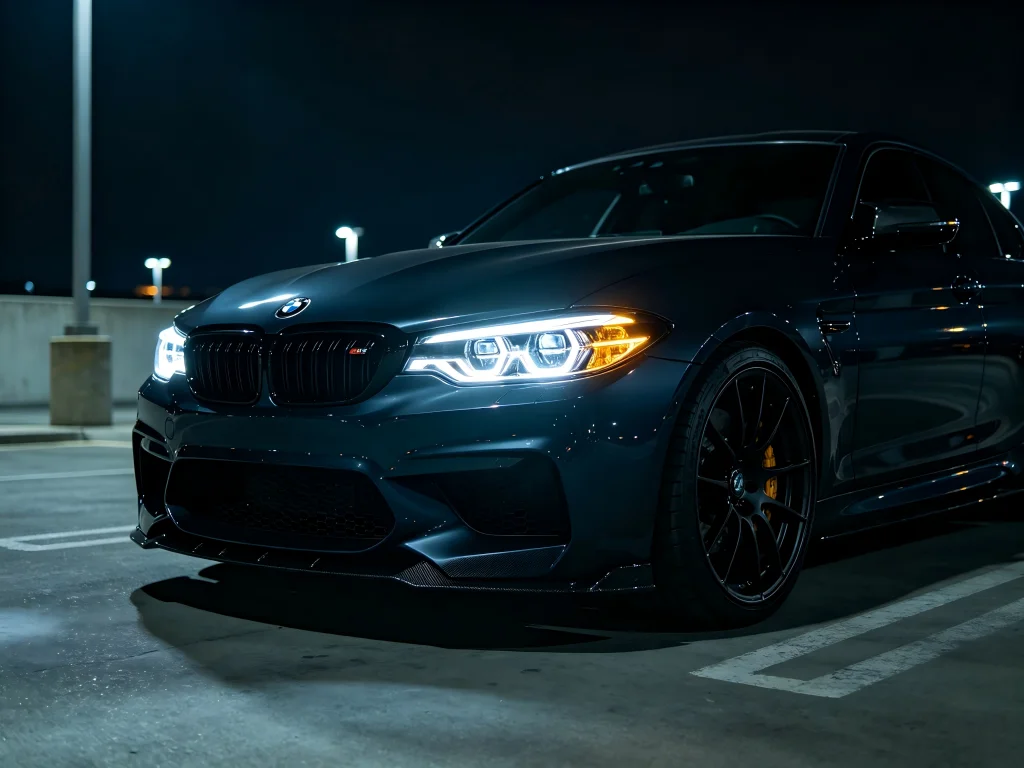
Vấn đề thực sự của hầu hết các loại đèn pha độ
Đây là những gì sẽ xảy ra khi bạn mua đèn pha sau thị trường giá rẻ. Ống kính polycarbonate không có lớp phủ chống tia UV phù hợp. Chỉ sau sáu tháng tiếp xúc với ánh nắng mặt trời, ống kính vốn trong suốt như pha lê đó bắt đầu ngả vàng và mờ đục. Cường độ ánh sáng giảm tới 60%. Giờ đây, bạn đang lái xe với những chiếc đèn pha chỉ chiếu sáng được khoảng 50 feet phía trước — chính là vấn đề mà bạn đã thay thế đèn nguyên bản để khắc phục.
Sau đó, các miếng đệm bị hỏng. Các vỏ đèn thay thế giá rẻ sử dụng miếng đệm bằng băng xốp thay vì miếng đệm cao su butyl như trên các bộ phận chất lượng cao. Độ ẩm xâm nhập vào bên trong. Hiện tượng ngưng tụ hình thành bên trong thấu kính. Nước đọng lại ở đáy vỏ đèn, gây ăn mòn gương phản xạ và làm hỏng các kết nối điện. Một thành viên diễn đàn đã miêu tả sự bực bội này một cách hoàn hảo: “Tôi đã dùng thử một vài sản phẩm Trung Quốc giá rẻ mua trên Amazon và đúng là hầu hết chúng cuối cùng đều bị rò rỉ hoặc bắt đầu bong tróc sau khoảng một năm rưỡi.”
Vấn đề về hình dạng chùm sáng có lẽ là nguy hiểm nhất trong số tất cả. Khi bạn lắp bóng đèn LED vào các vỏ đèn được thiết kế dành cho đèn halogen, ánh sáng sẽ bị tán xạ không đúng cách. Các chip LED không được căn chỉnh đúng với tiêu điểm của gương phản xạ. Thay vì có một đường cắt rõ ràng giúp chiếu sáng mặt đường đồng thời bảo vệ người lái xe đi ngược chiều, bạn lại gặp phải hiện tượng chói mắt. Bạn sẽ thấy xuất hiện những vùng tối. Ánh sáng sẽ chiếu vào các cây cối thay vì nơi bạn cần – trên mặt đường phía trước.
Tại sao đèn pha nguyên bản của xe bạn lại không tốt hơn?
Hãy nói rõ: chúng tôi không bênh vực đèn pha OEM. Các bộ phận nguyên bản cũng có thể gây ra nhiều vấn đề không kém. Ống kính nguyên bản bị ố vàng và mờ đi do tiếp xúc với tia UV, giống như bất kỳ loại polycarbonate nào khác. Các bộ phận bên trong — bóng đèn, gương phản xạ, hệ thống dây điện — bị hao mòn do rung động liên tục và sự dao động nhiệt độ. Và các sản phẩm thay thế OEM có giá cao hơn từ 50% đến 200% so với các lựa chọn phụ tùng thay thế chất lượng cao trên thị trường.
Sự khác biệt không nằm ở chỗ là sản phẩm OEM hay phụ tùng thay thế. Sự khác biệt nằm ở chỗ là kỹ thuật chất lượng cao so với việc cắt giảm chi phí.
Đèn pha sau thị trường chất lượng thực sự trông như thế nào
Dựa trên kinh nghiệm sản xuất lâu năm của chúng tôi, đây là những điểm khác biệt giữa đèn pha có tuổi thọ 3 năm và đèn pha có tuổi thọ 10 năm:
Thấu kính: Polycarbonate có lớp phủ chống tia UV, không phải nhựa thông thường
Các loại đèn pha thay thế chất lượng cao sử dụng polycarbonate tiêu chuẩn ô tô với lớp phủ chống tia UV. Hãy dùng đồng xu cào nhẹ lên bề mặt — lớp phủ tiêu chuẩn OEM sẽ không để lại vết xước; còn những loại rẻ tiền sẽ bị xước ngay lập tức. Độ dày thấu kính nên nằm trong khoảng 3–5 mm để đảm bảo khả năng chống va đập. Nếu mỏng hơn mức này, thấu kính sẽ dễ bị nứt sớm do va chạm với các mảnh vụn trên đường.
Miếng đệm: Cao su butyl, không phải băng keo xốp
Chính sự khác biệt duy nhất này quyết định liệu đèn pha của bạn sẽ luôn khô ráo hay biến thành “bể cá”. Các miếng đệm cao su butyl được kích hoạt bởi nhiệt và tạo thành một lớp liên kết vĩnh viễn, chống thấm nước. Trong khi đó, băng keo xốp sẽ bị xuống cấp chỉ sau vài tháng. Dữ liệu của NHTSA cho thấy đèn pha độ có miếng đệm xốp có nguy cơ bị ngưng tụ hơi nước cao hơn 73%.
Quản lý nhiệt: Làm mát chủ động, không phụ thuộc vào phương pháp thụ động
Đèn LED tỏa nhiệt. Nếu không được làm mát đúng cách, nhiệt lượng này sẽ làm suy giảm hiệu suất của các bộ phát sáng và rút ngắn tuổi thọ từ 50.000 giờ xuống dưới 1.000 giờ. Các sản phẩm chất lượng cao sử dụng tản nhiệt bằng nhôm tiêu chuẩn hàng không kết hợp với thiết kế làm mát chủ động. Ngược lại, các sản phẩm giá rẻ thường bỏ qua hoàn toàn các cánh tản nhiệt hoặc sử dụng hệ thống làm mát thụ động có kích thước không đủ, không thể đáp ứng được tải nhiệt.
Mô hình chùm sáng: Công nghệ quang học được thiết kế chuyên biệt, không phải gương phản xạ thông thường
Đây chính là điểm mà hầu hết các loại đèn pha thay thế đều thất bại hoàn toàn. Các nhà sản xuất uy tín thiết kế hệ thống quang học riêng biệt cho từng vỏ đèn. Vị trí đặt chip LED trùng khớp với vị trí dây tóc halogen nguyên bản. Hình học của gương phản xạ được tính toán kỹ lưỡng, chứ không phải sao chép một cách máy móc. Kết quả là: đường cắt ánh sáng rõ ràng, giúp chiếu sáng mặt đường mà không làm chói mắt người lái xe đi ngược chiều.
Những câu chuyện có thật từ các tài xế đã chuyển sang sử dụng dịch vụ này
Chúng tôi đã thử nghiệm các loại đèn pha sau thị trường trên hàng chục mẫu xe khác nhau. Dưới đây là những phản hồi từ chính các tài xế:
Một chủ sở hữu chiếc Ford F-150 trên một diễn đàn xe tải nổi tiếng đã chia sẻ trải nghiệm của mình về chất lượng của các phụ tùng thay thế: “Tôi thực sự ấn tượng với chất lượng và thiết kế ’cắm là chạy” của sản phẩm. Việc lắp đặt rất đơn giản—chỉ cần tháo lưới tản nhiệt ra, nới lỏng 3 con ốc, nối các dây điện lại với nhau, rồi lắp vào là xong. Phạm vi chiếu sáng và độ sáng của đèn thực sự vượt trội.”
Một tài xế lái xe Ram 1500 cho biết: “Độ vừa vặn như được sản xuất tại nhà máy, kèm theo sự gia tăng đáng kể về cường độ ánh sáng. Chất lượng gia công tốt với các bộ điều chỉnh thực sự hoạt động hiệu quả.”
Tuy nhiên, những bài học kinh nghiệm cũng không kém phần ý nghĩa. Một tài xế đã mua đèn pha sau thị trường giá rẻ cho chiếc RAV4 của mình đã cảnh báo: “Dyno cũng từng sử dụng loại đèn pha độ tương tự, nhưng do chất lượng gia công và khả năng chống thấm kém nên thường bị ẩm. Tôi chắc chắn bạn đang rất háo hức muốn lắp đặt và nối dây hoàn tất mọi thứ, nhưng hãy lưu ý đến những vấn đề có thể phát sinh.”
Vấn đề về chứng nhận mà không ai đề cập đến
Đây là điều mà hầu hết các hướng dẫn mua sắm sẽ không nói với bạn: Chỉ riêng việc được Bộ Giao thông Vận tải (DOT) phê duyệt thôi thì chưa đủ để đảm bảo hiệu suất. Bộ Giao thông Vận tải quy định các tiêu chuẩn tối thiểu về hình dạng chùm sáng và độ chói, nhưng nhiều loại đèn pha lắp thêm trên thị trường lại tuyên bố tuân thủ các quy định của Bộ Giao thông Vận tải (DOT) mà thực tế lại không đáp ứng các tiêu chuẩn của Hiệp hội Kỹ sư Ô tô Hoa Kỳ (SAE) về phân bố ánh sáng.
Chứng nhận CAPA là một chỉ số đáng tin cậy hơn. Hiệp hội Phụ tùng Ô tô Chứng nhận (CAPA) tiến hành kiểm tra các phụ tùng thay thế dựa trên các tiêu chuẩn của nhà sản xuất gốc (OEM) về độ khớp, hiệu suất và độ bền. Tuy nhiên, ngay cả các tiêu chí của CAPA cũng không yêu cầu đèn thay thế phải hoạt động giống hệt như đèn nguyên bản về mặt hiệu suất, độ bền hay khả năng chống chịu thời tiết.
Đó chính là lý do tại sao việc kiểm định bởi bên thứ ba lại quan trọng. Các phòng thí nghiệm độc lập đo lường cường độ chiếu sáng thực tế (lux), độ chính xác của hình dạng chùm sáng và hiệu suất tản nhiệt sẽ cung cấp cho bạn dữ liệu thực tế — chứ không chỉ là những lời quảng cáo suông.
Tại sao đèn pha độ GTR lại giải quyết được những vấn đề này
Chúng tôi đã chế tạo đèn pha độ GTR nhằm khắc phục mọi điểm yếu mà chúng tôi vừa nêu. Đội ngũ kỹ sư của chúng tôi đã dành 18 tháng để phát triển các vỏ đèn đáp ứng hoặc vượt qua các tiêu chuẩn của nhà sản xuất gốc (OEM) trên năm tiêu chí quan trọng:
- Tròng kính polycarbonate chống tia UV với hơn 5.000 giờ thử nghiệm lão hóa gia tốc — không bị ố vàng, không bị mờ đục
- Hệ thống làm kín bằng cao su butyl vượt qua các bài kiểm tra ngâm trong nước trong 72 giờ mà không có dù chỉ một giọt nước ngưng tụ
- Quản lý nhiệt chủ động với các bộ tản nhiệt bằng nhôm tiêu chuẩn hàng không và các kênh làm mát được thiết kế chính xác
- Hệ thống quang học của máy chiếu với các mẫu chùm sáng tuân thủ tiêu chuẩn SAE, giúp chiếu sáng chính xác vào những vị trí cần thiết
- Khả năng tương thích “cắm là chạy” với các hệ thống CANbus — không có mã lỗi, không có hiện tượng đèn nhấp nháy liên tục, không có cảnh báo trên bảng điều khiển
Mỗi bộ sản phẩm GTR đều đạt chứng nhận DOT và SAE. Mỗi sản phẩm đều được kiểm tra hình dạng chùm sáng trước khi xuất xưởng. Và mọi khách hàng đều được hưởng chế độ bảo hành đối với các lỗi kỹ thuật — bởi vì chúng tôi sản xuất những chiếc đèn pha không bao giờ hỏng hóc.
Kết luận
Việc lựa chọn đèn pha sau khi lắp đặt không nên là một canh bạc. Bạn không nên phải lo lắng liệu chúng có bị mờ sương sau cơn mưa đầu tiên hay làm chói mắt các phương tiện đi ngược chiều khi bạn di chuyển vào buổi tối. Công nghệ hiện nay hoàn toàn có thể sản xuất ra những chiếc đèn pha có hiệu suất vượt trội so với đèn pha nguyên bản (OEM) với chi phí chỉ bằng một phần nhỏ — nhưng điều đó chỉ xảy ra khi nhà sản xuất ưu tiên chất lượng kỹ thuật hơn là lợi nhuận.
GTR coi trọng lĩnh vực kỹ thuật.
Ghé thăm https://www.rhgtr.com để xem danh mục đầy đủ các loại đèn pha độ dành cho xe tải, SUV và xe hiệu suất cao của chúng tôi. Hãy tìm xe của bạn, so sánh thông số kỹ thuật của chúng tôi với các sản phẩm cạnh tranh và tìm hiểu lý do tại sao hàng nghìn tài xế đã quyết định chuyển sang sử dụng sản phẩm của chúng tôi.
Việc lái xe ban đêm của bạn không nên chỉ là một trò đoán mò. Mọi thứ phải rõ ràng như ban ngày.
Các câu hỏi thường gặp về đèn pha độ
Thông thường, đèn pha thay thế có tuổi thọ bao lâu?
Các loại đèn pha thay thế chất lượng cao, có thấu kính polycarbonate được phủ lớp chống tia UV và được bịt kín đúng cách, có tuổi thọ từ 8–10 năm. Các sản phẩm giá rẻ thường hỏng hóc trong vòng 3–7 năm do hiện tượng ngả vàng, nước xâm nhập hoặc suy giảm do nhiệt.
Đèn pha độ có hợp pháp khi sử dụng trên đường không?
Đèn pha thay thế phải có chứng nhận DOT hoặc SAE mới được phép lưu hành hợp pháp trên đường phố tại Hoa Kỳ. Một số sản phẩm thay thế có thể không đáp ứng các tiêu chuẩn an toàn. Luôn kiểm tra chứng nhận trước khi mua.
Tôi có thể lắp bóng đèn LED vào các đui đèn halogen hiện có của mình không?
Bạn có thể làm vậy, nhưng điều này thường gây ra các vấn đề về hình dạng chùm sáng. Các chip LED không phát sáng từ cùng vị trí như dây tóc halogen, dẫn đến ánh sáng bị tán xạ, chói mắt và khả năng chiếu sáng đường kém. Chúng tôi khuyên bạn nên thay thế toàn bộ vỏ đèn được thiết kế riêng cho hệ thống quang học LED.
Tại sao đèn pha độ của tôi cứ nhấp nháy liên tục vậy?
Hiện tượng nhấp nháy thường cho thấy có vấn đề về khả năng tương thích với hệ thống CANbus. Đèn LED tiêu thụ ít điện năng hơn đèn halogen, và bộ điều khiển điện tử của xe có thể hiểu nhầm điều này là bóng đèn đã cháy. Các loại đèn pha sau thị trường chất lượng cao thường được trang bị mạch khử lỗi tích hợp để ngăn chặn tình trạng này.
Sự khác biệt giữa đèn pha phản xạ và đèn pha chiếu xa là gì?
Đèn pha phản xạ sử dụng một chảo gương để tán xạ ánh sáng. Đèn pha chiếu điểm sử dụng thấu kính để hội tụ ánh sáng thành chùm sáng có thể điều khiển với đường cắt rõ nét. Đèn pha chiếu điểm mang lại tầm nhìn tốt hơn mà không làm chói mắt các tài xế đi ngược chiều.
Làm thế nào để ngăn đèn pha độ bị ngả vàng?
Hãy chọn đèn pha có thấu kính polycarbonate được phủ lớp chống tia UV. Nếu có thể, hãy đỗ xe ở những nơi có bóng râm. Hàng năm, hãy bôi lớp chất bịt kín chống tia UV. Thay thế các bộ phận có dấu hiệu ngả vàng rõ rệt — bộ dụng cụ phục hồi chỉ là giải pháp tạm thời mà thôi.
Các loại đèn pha sau khi thay thế có giá cao hơn liệu có đáng để đầu tư không?
Nói chung là đúng. Mức giá cao hơn thường đi kèm với chất liệu tốt hơn (lớp phủ chống tia UV, gioăng butyl, tản nhiệt bằng nhôm), hệ thống quang học vượt trội và thời gian bảo hành dài hơn. Các sản phẩm rẻ nhất thường thiếu thiết kế kỹ thuật chu đáo và dễ hỏng hóc sớm.