You’ve decided to upgrade your motorcycle light. Maybe the stock halogen finally died, or maybe you’re tired of riding behind a candle. Either way, you’re about to enter a market full of contradictory claims, inflated numbers, and products that look identical on a screen but perform nothing alike on the road.
This guide exists because most buyers make the same three mistakes: they chase raw lumens, they ignore beam pattern, and they underestimate thermal design. We’ve tested enough motorcycle lights in real-world conditions to know which specifications actually predict a good ride—and which are marketing noise.
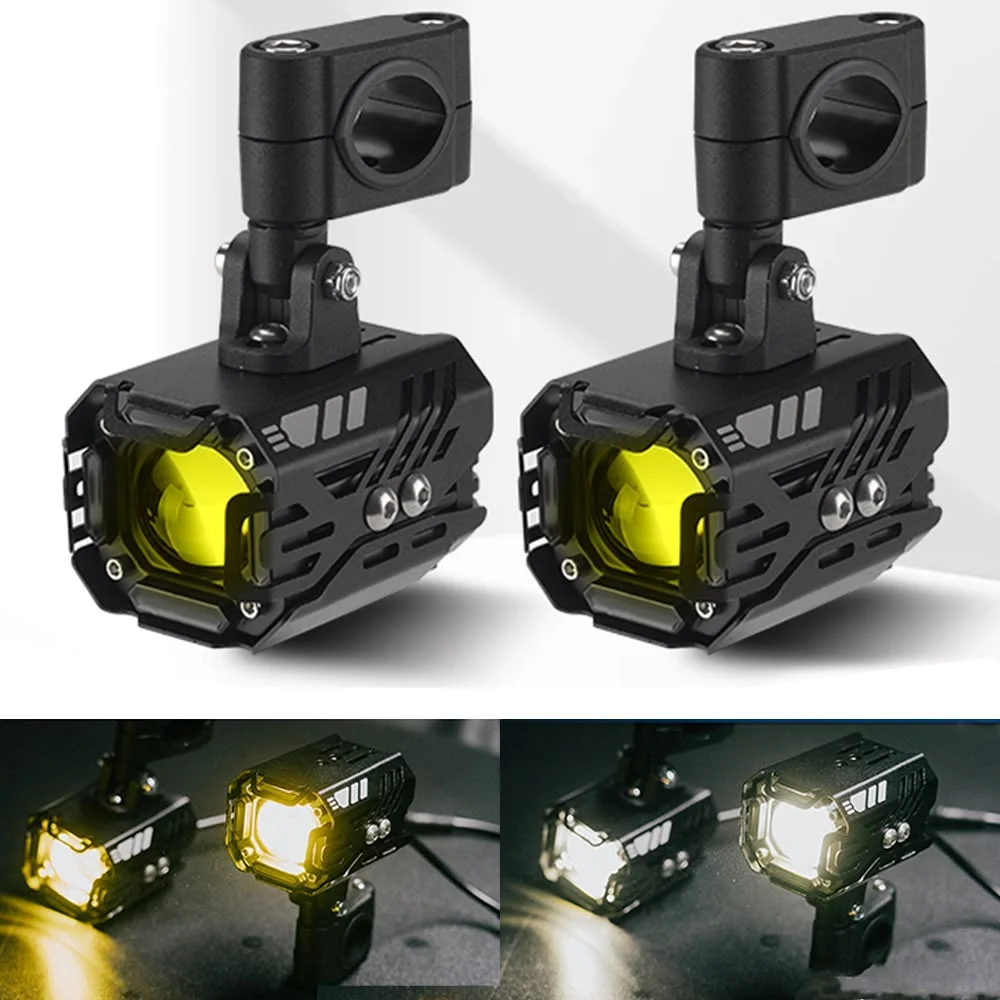
LED vs. HID vs. Halogen: What Actually Matters
LED motorcycle lights win for most riders because they reach full brightness instantly, draw less current, and tolerate vibration far better than halogen or HID. The catch is that LED quality varies more widely than any other lighting technology.
Halogen is the baseline. Cheap, simple, and warm-colored. A halogen bulb produces light from a glowing filament, which emits in all directions—perfect for a reflector designed around it. But halogen is fragile, hot, and inefficient. Vibration kills filaments. Output fades with age.
HID produces more light per watt than halogen, and its arc emits omnidirectionally like a filament . That makes HID a better optical match for some projector housings. But HID requires a ballast, takes a few seconds to reach full brightness, and adds complexity. For a motorcycle with limited electrical headroom and no room for extra components, HID is often more trouble than it’s worth.
LED is the modern default for good reason. Instant-on. Low draw. Vibration-resistant. Long lifespan *when thermally managed*. The problem is that “LED” describes a component, not a finished product. A $15 eBay bulb and a properly engineered motorcycle light kit both contain LEDs. They are not the same thing.
| عنصر | ہیلوجن | HID | Quality LED | Budget LED |
|---|---|---|---|---|
| Instant full brightness | ہاں | No (warm-up) | ہاں | ہاں |
| Vibration resistance | ناقص | درمیانہ | بہترین | مختلف |
| Beam pattern compatibility | Native | Good in projectors | Good if designed for reflector | Often poor |
| Thermal management need | کم | Moderate (ballast heat) | Critical | Often inadequate |
| Typical lifespan | 500–1000 hrs | 2000–3000 hrs | 25,000+ hrs (rated) | Highly variable |
The Specification That Separates Good Lights from Garbage
Lumens get all the attention. Beam pattern deserves it. A motorcycle light with a poorly controlled beam is worse than a dimmer light with a good one, because glare doesn’t just annoy others—it reflects back at you in rain and fog, and it fails to put light where your eyes need it at speed.
Look for a sharp cutoff on low beam. That’s the horizontal line where light stops and darkness begins. A clean cutoff means the reflector and diode are working together. A fuzzy cutoff means light is bleeding upward into oncoming drivers’ eyes.
Custom Dynamics, a US-based aftermarket manufacturer, draws a useful distinction between raw lumens and effective lumens . Raw lumens measure total output. Effective lumens measure how much of that output actually reaches the road in a usable pattern. A light rated at 4000 raw lumens with poor optics might deliver less usable light than a 2500-lumen unit with a tight beam.
What to Check Before You Buy
- Diode position relative to stock filament. If the seller can’t tell you the LED chip height matches the original halogen focal point, walk away.
- Heatsink design. Aluminum housing is the minimum. A copper heat pipe or active fan indicates serious thermal engineering. No fins and no fan means the output will degrade.
- IP rating. IP65 or higher for motorcycle applications. Water and dust find their way into everything .
- Beam photos from real users. Not marketing renders. Look for forum posts or reviews showing the cutoff against a wall or on a dark road.
- Warranty that reflects confidence. A one-year warranty on a product rated for 25,000 hours tells you something about the manufacturer’s own expectations.
Motorcycle Light Bar Kits: When Auxiliary Lighting Makes Sense
A headlight upgrade improves your primary beam. A motorcycle light bar kit adds a second layer of visibility—both for you to see and for others to see you. The distinction matters for how you wire and switch them.
For seeing: mount auxiliary lights low and aim them wide. Fog lights belong here. They fill the near-field gaps that a focused headlight beam leaves dark.
For being seen: daytime running lights or small LED pods mounted higher on the bike create a visual signature that drivers notice. But check local regulations—some areas restrict auxiliary light height, color, or use in traffic.
We’ve seen too many riders wire auxiliary lights directly to the battery with a cheap toggle switch and wonder why their battery drains or their wiring melts. A proper motorcycle light switch kit includes a relay, an inline fuse, and a handlebar-mounted control. That’s not overkill. It’s the difference between a reliable setup and a roadside problem.
Real Rider Feedback: What the Forums and Reviews Actually Say
Rider experiences cut through spec-sheet noise. Across eBay reviews, forum threads, and owner communities, a few patterns repeat with striking consistency.
Positive reviews almost always mention the same thing: a clear cutoff line and a noticeable improvement over stock without blinding others. One reviewer of a budget LED noted that it was “a fair bit brighter than the Halogen; but not so bright as to cause trouble for opposing traffic” . That’s the sweet spot—more usable light, no glare penalty.
Negative reviews cluster around two failures. Thermal degradation (“chips going on and off after two months”) and fitment surprises (“the bulb is longer than a stock one so the back of the bezel needed to be drilled out”) . Both are avoidable with better product research and better products.
On the auxiliary side, riders who install proper fog lights with a dedicated switch consistently report that the low, wide beam helps most in rain and at dusk—conditions where a single focused headlight beam isn’t enough. The key is aiming them correctly. Too high, and you’re the problem.
Why GTR Builds Lights Around the Beam, Not the Box
We could list certifications and chip brands. Those matter. But what actually separates a GTR motorcycle light from the generic flood is a design philosophy: the beam comes first. Every housing, every heatsink, every driver is shaped by the question “does this put usable light on the road without glare?”
Our light bar kits use CREE chips paired with a combo optic—lenticular center for throw, striated edges for width. That’s not a marketing bullet point. It’s the difference between seeing a deer at 200 feet and seeing it at 80 . Our replacement bulbs are tested in real reflector housings, not just bench-tested for lumen output. And our switch kits are built with the relay and fuse protection that a motorcycle’s charging system actually needs.
You can see the full range and the testing data behind it at https://www.rhgtr.com. If you’re tired of guessing which motorcycle light will actually work—not just claim to—that’s the place to start.