آپ نے ایل ای ڈی بلب آٹوموٹو اپ گریڈ کا ایک سیٹ خریدا کیونکہ آپ رات کو بہتر مرئیت چاہتے تھے۔ اس کے بجائے، آپ کو ٹمٹماتی روشنیاں، ڈیش بورڈ وارننگ کی غلطیاں، اور ایک بیم پیٹرن ملا جو سامنے سے آنے والی ٹریفک کی آنکھیں چندھیا دیتا ہے۔. آپ اکیلے نہیں ہیں — اور مسئلہ تقریباً کبھی گاڑی نہیں ہوتا۔.
ہماری انجینئرنگ ٹیسٹنگ سہولیات میں ہزاروں ناکام ایل ای ڈی ریٹروفٹ تنصیبات کا تجزیہ کرنے کے بعد، ہم نے ایک مستقل نمونہ شناخت کیا ہے: زیادہ تر ڈرائیور اپنی مخصوص گاڑی اور ہاؤسنگ کی قسم کے لیے غلط ایل ای ڈی بلب آٹوموٹو خریدتے ہیں. ۔ نتیجہ صرف مایوسی نہیں ہے — یہ ایک حقیقی حفاظتی خطرہ ہے۔.
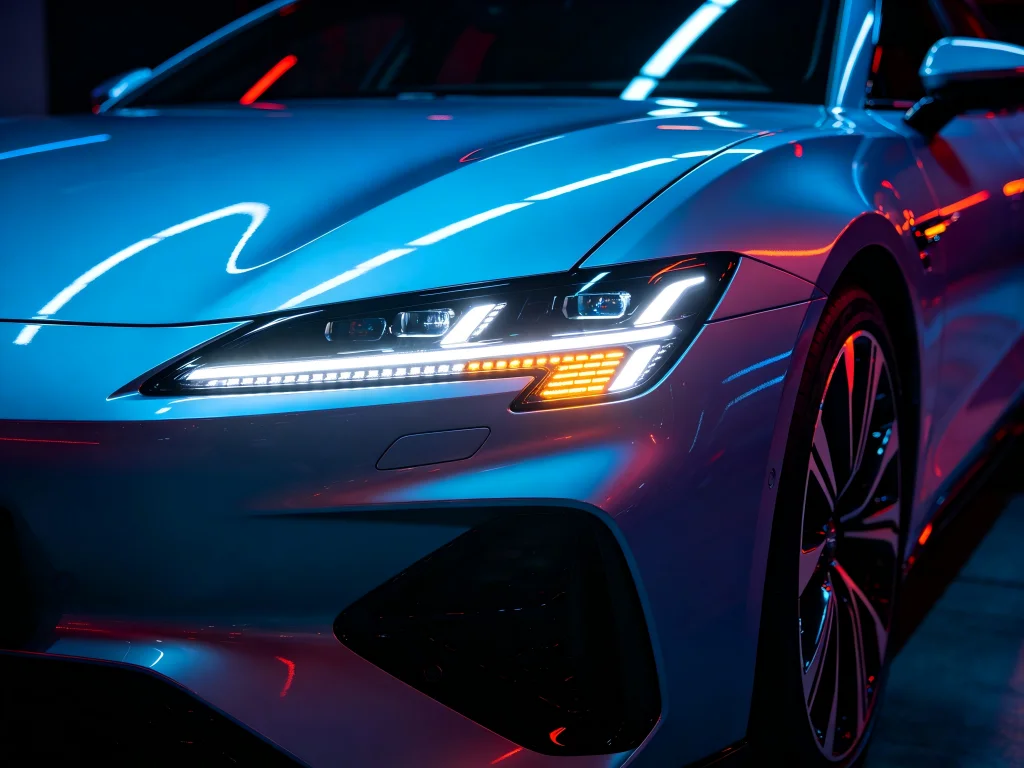
صبح 3 بجے کی حقیقت: جب آپ کی ایل ای ڈی لائٹس آٹوموٹو آپ کو مایوس کرتی ہیں
اس کا تصور کریں۔ آپ رات 11 بجے بارش سے چکنی شاہراہ پر گھر جا رہے ہیں۔ آپ کی نئی ایل ای ڈی لائٹس آٹوموٹو اپ گریڈ — وہی جن کی ایمازون پر چمکدار لسٹنگ اور 4.5 ستارے ہیں — خراب اسٹریٹ لیمپ کی طرح ٹمٹما رہی ہیں۔ ہر چند سیکنڈ بعد، ڈیش بورڈ “بلب آؤٹ” کی وارننگ دیتا ہے۔ آپ کی ہائی بیم آن رہنے سے انکار کرتی ہے۔ اور بیم پیٹرن؟ ایسا لگتا ہے جیسے کسی نے روشنی کی بالٹی سڑک پر بہا دی ہو بغیر کسی فوکس کے۔.
یہ مبالغہ آرائی نہیں ہے۔. یہ ان ہزاروں ڈرائیوروں کی روزمرہ حقیقت ہے جنہوں نے تکنیکی تقاضوں کو سمجھے بغیر ایل ای ڈی بلب آٹوموٹو کی خریداری میں جلد بازی کی.
ایک ریڈٹ صارف نے حال ہی میں اپنا تجربہ بیان کیا: “2015 جیپ رینگلر میں ایل ای ڈی ہیڈلائٹ بلب H13 لگائے۔ ہلکی سی ٹمٹماہٹ محسوس ہوئی اور وقفے وقفے سے TIPM وارننگز بھی آتی ہیں جو کہتی ہیں، ‘no buS’ اور لو بیم بند ہونے سے انکار کرتی ہے”۔ ایک اور ڈرائیور نے رپورٹ کیا کہ ایل ای ڈی لگانے کے بعد، “بے ترتیب طور پر بند ہو جاتی ہیں بشمول ڈیش بورڈ پر غلطیاں”۔.
مسئلہ یہ نہیں کہ ایل ای ڈی خراب ہیں۔ مسئلہ یہ ہے کہ مارکیٹ میں زیادہ تر ایل ای ڈی بلب آٹوموٹو آپ کی مخصوص گاڑی کے برقی نظام اور ہاؤسنگ جیومیٹری کے لیے انجینئرڈ نہیں ہیں۔.
آپ کے ایل ای ڈی بلب آٹوموٹو کیوں ناکام ہو رہے ہیں (سخت سچائی)
CANbus کی ڈراؤنی صورتحال
جدید گاڑیاں کنٹرولر ایریا نیٹ ورک (CANbus) سسٹم استعمال کرتی ہیں جو سرکٹ پر ہر بلب کی نگرانی کرتا ہے۔ کنٹرول یونٹ کو بالکل معلوم ہوتا ہے کہ ہیلوجن بلب کی برقی مزاحمت کتنی ہونی چاہیے۔ جب آپ ایل ای ڈی بلب آٹوموٹو لگاتے ہیں جو نمایاں طور پر کم بجلی کھینچتا ہے، تو سسٹم اسے جلا ہوا بلب سمجھتا ہے اور ایرر کوڈز متحرک کرتا ہے۔.
براہ راست جواب: ایل ای ڈی بلب آٹوموٹو ہیلوجن کے مقابلے میں بہت کم کرنٹ کھینچتے ہیں۔ آپ کی گاڑی کا کمپیوٹر اسے خرابی سمجھتا ہے اور “بلب آؤٹ” وارننگز، ٹمٹماہٹ، یا مکمل بندش متحرک کرتا ہے۔ بلٹ ان ریزسٹرز والے CANbus کے موافق ایل ای ڈی ہیلوجن بلب کے برقی بوجھ کی نقل کر کے اسے حل کرتے ہیں۔.
یہی وجہ ہے کہ ہالوجن کی جگہ LED لگانے کے بعد آپ کو ٹمٹمانا، ہائپر فلیش اور ڈیش بورڈ کی وارننگز نظر آتی ہیں۔ گاڑی کا لوڈ مانیٹرنگ سرکٹ سمجھتا ہے کہ LED خراب ہے اور اسے پورا کرنے کی کوشش کرتا ہے۔. کم بجٹ کے LED روشنی کے ذرائع میں اکثر ایسی الیکٹرانکس ہوتی ہے جو صرف بلب کی نقل کرتی ہے اور اس لیے کنٹرول یونٹ اسے صحیح طور پر شناخت نہیں کر پاتا.
بیم پیٹرن کی تباہی
یہاں تک کہ اگر آپ برقی مسائل حل کر لیں، تب بھی آپ کو بیم پیٹرن کا مسئلہ ہو سکتا ہے۔. LED چپس کو بالکل وہیں رکھا جانا چاہیے جہاں ریفلیکٹر ہاؤسنگ کے اندر ہالوجن فلامنٹ ہوا کرتا تھا۔ صرف 2mm کی تبدیلی پورے بیم پیٹرن کو خراب کر سکتی ہے.
زیادہ تر سستے آٹوموٹو LED بلب اس بنیادی انجینئرنگ اصول کو نظر انداز کرتے ہیں۔ نتیجہ؟ بکھری ہوئی روشنی جو آپ کی سامنے کی مرئیت کو کم کرتی ہے جبکہ ہر سامنے سے آنے والے ڈرائیور کی آنکھیں چندھیا دیتی ہے۔. آپ بہتر نہیں دیکھ رہے — آپ بدتر دیکھ رہے ہیں، اور آپ باقی سب کے لیے سڑک کو مزید خطرناک بنا رہے ہیں.
حرارت کا مسئلہ جس کے بارے میں کوئی بات نہیں کرتا
بہت سے لوگ سمجھتے ہیں کہ LED ٹھنڈی چلتی ہیں۔ ایسا نہیں ہے۔. LED کی استعمال ہونے والی توانائی کا صرف تقریباً 30% روشنی میں تبدیل ہوتا ہے۔ باقی حرارت کی صورت میں نکلتا ہے. ہالوجن بلب میں حرارت باہر کی طرف پھیلتی ہے۔ LED میں، زیادہ تر حرارت بیس پر رہتی ہے، جہاں LED چپ اور الیکٹرانکس موجود ہوتے ہیں۔.
ہیڈلائٹ ہاؤسنگز سیل بند ہوتی ہیں۔ اندر ہوا کا بہاؤ تقریباً نہ ہونے کے برابر ہے۔ مناسب تھرمل مینجمنٹ — معیاری ہیٹ سنکس، فعال کولنگ فینز، یا اچھی طرح ڈیزائن کردہ غیر فعال کولنگ — کے بغیر، یہ حرارت کا جمع ہونا LED چپ اور ڈرائیور الیکٹرانکس کو تباہ کر دیتا ہے۔.
نتیجہ؟ مہینوں میں ٹمٹمانا، مدھم ہونا، یا مکمل خرابی — وہ 30,000 سے 50,000 گھنٹے نہیں جو مارکیٹنگ نے دعویٰ کیا تھا۔.
حقیقی ڈرائیور ایل ای ڈی بلب آٹوموٹو کے بارے میں کیا کہہ رہے ہیں
ہم روزانہ فورمز، Reddit تھریڈز اور کسٹمر ریویوز کی نگرانی کرتے ہیں۔ حقیقی ڈرائیورز یہ رپورٹ کر رہے ہیں:
- “وہ بالکل روشن ترین نہیں تھے لیکن پھر بھی تمام ڈرائیونگ حالات کے لیے کافی روشن تھے؛ اسٹاک ہالوجن بلب سے کئی گنا زیادہ روشن۔ اعلیٰ تعمیراتی معیار تھا، خاص طور پر موٹے تانبے کے ہیٹ سنک اور فینز کی صورت میں حرارت کے انتظام کے لیے” — ایک ڈرائیور جس نے واقعی اپنی تحقیق کی۔.
- “یہ واقعی مایوس کن ہے۔ یہ میرے ہالوجن سے بھی بدتر ہے۔ ساتھ ساتھ رکھ کر دیکھیں تو ہالوجن لائٹس سے زیادہ کچھ نہیں ملتا، صرف ٹھنڈا درجہ حرارت، فاصلہ اور وضاحت تقریباً یکساں ہے” — ایک ڈرائیور جس نے سستے LEDs خریدے۔.
- “میں نے دیکھا کہ چند مہینوں بعد سڑک پر بیم میں گہرے حصے نظر آنے لگے” — ایک ڈرائیور جو گرمی سے متعلق خرابی کا سامنا کر رہا ہے۔.
نمونہ واضح ہے: سستے LED بلب آٹوموٹو ناکام ہو جاتے ہیں۔ معیاری LED بلب آٹوموٹو آپ کے ڈرائیونگ تجربے کو بدل دیتے ہیں۔.
جی ٹی آر حل: انجینئرنگ جو واقعی کام کرتی ہے
آٹوموٹو لائٹنگ مینوفیکچرنگ میں 25+ سال کے بعد، ہم نے ایک بات سیکھی ہے: معیاری LED بلب آٹوموٹو کے لیے کوئی شارٹ کٹ نہیں ہیں.
GTR Lighting کی Ultra Series اور Carbide 2.0 LED بلب آٹوموٹو اوپر بیان کردہ ہر مسئلے کو حل کرنے کے لیے بنیادی طور پر ڈیزائن کیے گئے ہیں:
1. CANbus مطابقت — اندر سے بنی ہوئی، باہر سے لگی نہیں
ہمارے LED بلب آٹوموٹو میں مربوط CANbus ڈیکوڈرز شامل ہیں جو ہالوجن بلب کے عین برقی بوجھ کی نقل کرتے ہیں۔. کوئی بیرونی ریزسٹر نہیں۔ کوئی ایرر کوڈ نہیں۔ کوئی ٹمٹماہٹ نہیں۔ بس پلگ اینڈ پلے.
2. درست بیم پیٹرن — فلیمنٹ کے مطابق چپ کی جگہ
ہم اپنی LED چپس کو عین وہیں رکھتے ہیں جہاں ہالوجن فلامنٹ ہوتا۔ نتیجہ ایک بیم پیٹرن ہے جو آپ کے اصل ہیڈلائٹ ہاؤسنگ سے مماثل ہے — پروجیکٹرز میں تیز کٹ آف، ریفلیکٹرز میں مناسب روشنی کی تقسیم، آنے والی ٹریفک کے لیے صفر گلیئر۔.
آزاد جانچ میں،, GTR Lighting کے Ultra 2 H11 LED بلب نے حالیہ ہیڈلائٹ شوٹ آؤٹ میں LEDs کے ہر دوسرے سیٹ سے بہتر کارکردگی کا مظاہرہ کیا. ایک جائزہ لینے والے نے نوٹ کیا کہ وہ “اسٹاک ہالوجن بلب سے تقریباً 400% زیادہ روشن تھے اور ان کا بیم پیٹرن بہت اچھا تھا”۔.
3. جدید تھرمل مینجمنٹ — دیرپا استعمال کے لیے بنایا گیا
ہمارے ایل ای ڈی آٹوموٹو بلب میں ہوائی جہاز کے درجے کے ایلومینیم ہاؤسنگز، تانبے کے ہیٹ سنکس، اور تیز رفتار کولنگ فینز ہیں جو ایل ای ڈی چپ اور ڈرائیور سے گرمی کو فعال طور پر دور کرتے ہیں۔.
نتیجہ؟ ایک عمر 50,000 گھنٹے یا اس سے زیادہ — جو ہالوجن سے 30 سے 50 گنا زیادہ ہے۔ اور حقیقی دنیا کی جانچ میں، GTR الٹرا 3 بلب عام 27 منٹ کی ڈرائیو کے بعد اپنی ابتدائی چمک کا 87% برقرار رکھتے ہیں, ، مستقل، قابل اعتماد کارکردگی کو یقینی بناتے ہوئے۔.
4. حقیقی دنیا کی کارکردگی — آزاد جانچ سے تصدیق شدہ
ہم مارکیٹنگ کی ہائپ پر انحصار نہیں کرتے۔ ہم اعداد و شمار کو بولنے دیتے ہیں۔ آمنے سامنے موازنے میں،, GTR الٹرا 3 نے اسٹاک ہالوجن بلب کے مقابلے میں 475% زیادہ روشن لو بیم اور حیران کن طور پر 742% زیادہ روشن ہائی بیم فراہم کی. یہ مارکیٹنگ نہیں ہے۔ یہ انجینئرنگ ہے.
صحیح ایل ای ڈی بلب آٹوموٹو کیسے منتخب کریں (30 سیکنڈ کی چیک لسٹ)
- اپنے بلب کا سائز چیک کریں — H1، H4، H7، H11، 9005، 9006، 9007۔ اسے درست طریقے سے حاصل کریں۔.
- CANbus مطابقت کی تصدیق کریں — بلٹ ان ڈیکوڈرز، بیرونی ریزسٹرز نہیں۔.
- ہیٹ سنک کا معائنہ کریں — ایلومینیم ہاؤسنگ + تانبے کا ہیٹ سنک + فعال پنکھا = اچھا۔ پلاسٹک ہاؤسنگ + پنکھا نہیں = خراب۔.
- چپ کی جگہ کو دیکھیں — ایل ای ڈی کو ہالوجن فلیمنٹ کی پوزیشن کی بالکل نقل کرنی چاہیے۔.
- آزاد جائزوں کو دیکھیں — ایمازون کے جائزے نہیں۔ حقیقی آمنے سامنے ٹیسٹنگ۔.
ایل ای ڈی بلب آٹوموٹو کے بارے میں اکثر پوچھے جانے والے سوالات
لگانے کے بعد میرے ایل ای ڈی ہیڈلائٹس کیوں ٹمٹماتی ہیں؟
براہ راست جواب: ایل ای ڈی ہیڈلائٹس اس لیے ٹمٹماتی ہیں کیونکہ گاڑی کا CANbus سسٹم ایل ای ڈی سے کم برقی مزاحمت کا پتہ لگاتا ہے اور اسے جلے ہوئے بلب کے طور پر سمجھتا ہے۔ یہ پلس-وِدتھ ماڈیولیشن (PWM) کے اتار چڑھاؤ یا ایرر کوڈز کو متحرک کرتا ہے۔ بلٹ اِن ریزسٹرز والی CANbus کے ساتھ مطابقت رکھنے والی ایل ای ڈی اس مسئلے کو حل کرتی ہیں۔.
کیا ایل ای ڈی بلب آٹوموٹو سڑک پر استعمال کے لیے قانونی ہیں؟
اپنے مقامی ضوابط چیک کریں۔ بہت سے علاقوں میں، ایل ای ڈی ریٹروفٹ صرف اسی صورت میں قانونی ہیں جب وہ درست بیم پیٹرن پیدا کریں اور چمک کی حد سے تجاوز نہ کریں۔ ہمیشہ تصدیق کریں کہ آپ کے ایل ای ڈی بلب آٹوموٹو سڑک کے استعمال کے لیے ECE یا DOT سے تصدیق شدہ ہیں۔.
ایل ای ڈی بلب آٹوموٹو اصل میں کتنی دیر چلتے ہیں؟
معیاری ایل ای ڈی بلب آٹوموٹو 30,000 سے 50,000 گھنٹے چلتے ہیں۔ سستے ایل ای ڈی خراب ہیٹ مینجمنٹ کی وجہ سے مہینوں میں فیل ہو سکتے ہیں۔ اہم فرق تھرمل ڈیزائن ہے — خود ایل ای ڈی چپ نہیں۔.
کیا میں کسی بھی کار میں ایل ای ڈی بلب آٹوموٹو لگا سکتا ہوں؟
زیادہ تر گاڑیاں ایل ای ڈی ریٹروفٹ قبول کر سکتی ہیں، لیکن پرانی گاڑیوں کو اضافی اڈاپٹر یا لوڈ ریزسٹرز کی ضرورت ہو سکتی ہے۔ خریداری سے پہلے ہمیشہ CANbus مطابقت اور ہاؤسنگ فٹمنٹ کی تصدیق کریں۔.
ایل ای ڈی بلب آٹوموٹو کے لیے مجھے کون سا رنگ درجہ حرارت منتخب کرنا چاہیے؟
5000K تمام حالات میں بہترین مرئیت کے ساتھ خالص سفید روشنی فراہم کرتا ہے۔ 6000K زیادہ “جدید” لگتا ہے لیکن بارش اور دھند میں زیادہ بکھرتا ہے۔ سال بھر ڈرائیونگ کے لیے، 4300K–5000K منتخب کریں۔.
میرا ایل ای ڈی بلب اشتہار کے مطابق روشن کیوں نہیں ہے؟
“50,000 lumens” کے بارے میں مارکیٹنگ کے دعوے تقریباً ہمیشہ مبالغہ آمیز ہوتے ہیں۔ حقیقی دنیا کی چمک بیم فوکس (lux) پر منحصر ہے، نہ کہ کل روشنی کی پیداوار (lumens) پر۔ معیاری بلب خام lumen نمبروں پر بیم پیٹرن کو ترجیح دیتے ہیں۔.
اپنی حفاظت کے ساتھ جوا کھیلنا بند کریں۔ ایک بار ہی صحیح اپ گریڈ کریں۔.
آپ سستے ایل ای ڈی بلب آٹوموٹو کی مایوسی کا تجربہ پہلے ہی کر چکے ہیں۔ ٹمٹمانا۔ ایرر کوڈز۔ بکھری ہوئی بیم۔ تین مہینوں بعد مدھم ہونا۔.
اب آپ کے پاس ایک انتخاب ہے۔. آپ $30 ایمازون کٹس خریدتے رہ سکتے ہیں اور مختلف نتیجے کی امید کر سکتے ہیں۔ یا آپ GTR Lighting میں ایک سرمایہ کاری کر سکتے ہیں — وہ برانڈ جسے آزاد ٹیسٹنگ ثابت کرتی ہے کہ مارکیٹ میں سب سے روشن، سب سے قابل اعتماد ایل ای ڈی بلب آٹوموٹو ہے.
ملاحظہ کریں www.rhgtr.com اپنی گاڑی کے لیے بالکل درست ایل ای ڈی بلب تلاش کرنے کے لیے۔. کیونکہ رات کی ڈرائیونگ کی حفاظت ایسی چیز نہیں جس پر جوا لگایا جائے۔.