คุณซื้อชุดแปลงไฟหน้า LED โดยหวังว่าจะได้ถนนที่สว่างขึ้นและทัศนวิสัยตอนกลางคืนที่ดีขึ้น แต่กลับได้ไฟกะพริบ ข้อผิดพลาดจากหน้าปัด และรูปแบบลำแสงที่ทำให้ผู้ขับขี่สวนทางตาพร่า คุณไม่ได้เป็นคนเดียวที่เจอปัญหาแบบนี้ นี่คือเหตุผลที่ GTR ออกแบบชุดแปลงไฟหน้า LED ที่แตกต่างออกไป ซึ่งทำงานเหมือนไฟฮาโลเจนจากโรงงาน แต่สว่างกว่า.
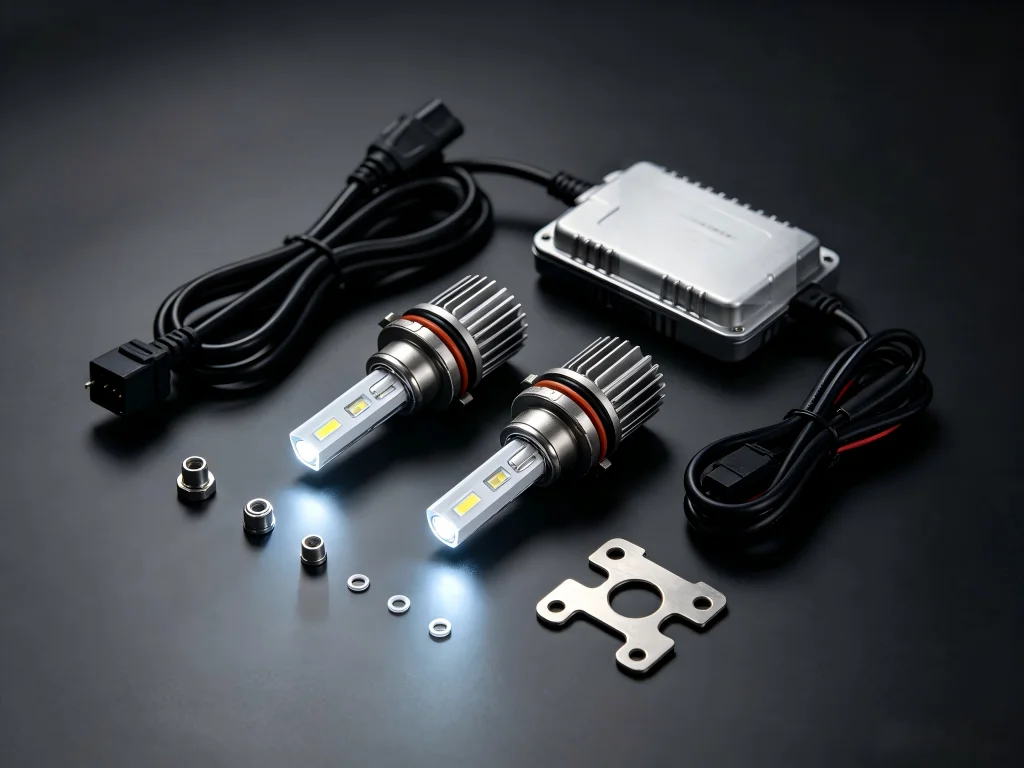
คุณอัปเกรดเป็น LED แล้ว ทำไมถึงรู้สึกเหมือนดาวน์เกรด?
คำตอบสั้นๆ คือ ชุดแปลงไฟ LED ส่วนใหญ่ถูกออกแบบโดยอ้างอิงตัวเลขทางการตลาด ไม่ใช่เรื่องทัศนศาสตร์หรือระบบไฟฟ้าของรถจริง.
นี่คือสิ่งที่เกิดขึ้นจริงเมื่อคุณติดตั้งชุดแปลงไฟทั่วไป ชิป LED อยู่ในตำแหน่งที่ไม่ถูกต้องสัมพันธ์กับโครงสะท้อนแสง ผลลัพธ์คือแสงกระจายซึ่งลดทัศนวิสัยของคุณเองในขณะที่ทำให้คนอื่นตาพร่า ระบบ CAN-Bus ของรถคุณตรวจจับการใช้พลังงานที่ต่ำลงของ LED และเข้าใจว่าหลอดไฟขาด ส่งผลให้เกิดข้อความแสดงข้อผิดพลาดหรือบังคับให้ไฟเข้าสู่โหมดกะพริบ และภายในไม่กี่เดือน ความร้อนสะสมทำให้เกิดการลดประสิทธิภาพเนื่องจากความร้อน ความสว่างที่คุณจ่ายไปลดลง 30% หรือมากกว่านั้นเมื่อ LED ร้อนเกินไป.
นี่ไม่ใช่การพูดเกินจริง ผู้รีวิวบน Amazon คนหนึ่งเล่าว่าติดตั้งชุดแปลงไฟ LED แล้วไฟหน้ารถหยุดทำงานทั้งหมด เนื่องจากระบบไฟหน้าแบบสลับขั้วลบของรถไม่ยอมรับหลอดไฟใหม่ อีกรายรายงานว่าหลังจากห้าเดือน หลอดไฟหนึ่งดวงหยุดทำงาน ซึ่งทำลายจุดประสงค์ทั้งหมดของการเปลี่ยนมาใช้ LED เพื่ออายุการใช้งานที่ยาวนานขึ้น อีกรายกล่าวถึง “พัดลมที่ดังเกินไป” ซึ่ง “ไม่เพียงแต่น่ารำคาญ แต่ยังทำให้กังวลเกี่ยวกับคุณภาพโดยรวม”.
สิ่งเหล่านี้ไม่ใช่เหตุการณ์ที่เกิดขึ้นเพียงลำพัง แต่เป็นอาการของปัญหาพื้นฐานเดียวกัน: ชุดแปลงไฟหน้า LED ส่วนใหญ่เป็นโซลูชันทั่วไปแบบหนึ่งเดียวใช้ได้กับทุกรุ่น ซึ่งละเลยข้อกำหนดทางไฟฟ้า ความร้อน และทัศนศาสตร์เฉพาะของรถคุณ.
ค่าใช้จ่ายที่แท้จริงของการแปลงเป็น LED ที่ไม่ดี
ให้เราพูดตรงๆ ว่าการแปลงไฟ LED คุณภาพต่ำทำให้คุณเสียอะไรบ้าง.
ทัศนวิสัยตอนกลางคืนแย่กว่าไฟฮาโลเจน. แม้จะมีตัวเลขลูเมนพิมพ์บนกล่อง แต่แสงที่กระจายหมายถึงแสงที่มีประโยชน์บนถนนน้อยลง ชิป LED ที่อยู่ในตำแหน่งไม่ดีในโครงสะท้อนแสงสามารถลดระยะการส่องไปข้างหน้าได้ 40% เมื่อเทียบกับไส้หลอดฮาโลเจนที่โฟกัสอย่างถูกต้อง คุณไม่ได้มองเห็นไกลขึ้น แต่กลับเห็นน้อยลงและมีแสงจ้ามากขึ้น.
ปัญหาทางระบบไฟฟ้า. รถสมัยใหม่ใช้การมอดูเลตความกว้างพัลส์ (PWM) เพื่อควบคุมกำลังไฟหน้า LED ดึงกระแสไฟน้อยมากจนระบบเข้าใจผิดว่าการเชื่อมต่อไม่เสถียร ทำให้เกิดการกะพริบเร็ว ไฟกะพริบ หรือดับสนิท นี่คือเหตุผลที่ชุดแปลงไฟจำนวนมากต้องใช้ตัวต้านทานโหลดหรือตัวถอดรหัส CAN-Bus แยก และถึงอย่างนั้นก็ไม่รับประกันความเข้ากันได้.
ความเสียหายจากความร้อนและการเสียหายก่อนเวลาอันควร. LED สร้างความร้อนจำนวนมากที่จุดเชื่อมต่อ หากไม่มีการจัดการความร้อนที่เหมาะสม เช่น แผงวงจรพิมพ์ทองแดง ระบบระบายความร้อนแบบแอคทีฟ หรือท่อความร้อนที่มีประสิทธิภาพ ความร้อนนั้นจะเร่งการเสื่อมของ LED อายุการใช้งาน 30,000 ชั่วโมงที่คุณจ่ายไปจะกลายเป็น 3,000 ชั่วโมง หากคุณโชคดี ผู้ใช้รายหนึ่งรายงานว่าหลอดไฟเสีย “ภายใน 2 นาที” อีกรายสังเกตเห็นการกะพริบหลังจากใช้งานเพียงสามเดือน.
ปัญหาทางกฎหมาย. ในหลายเขตอำนาจศาล การแปลงไฟหน้าเป็น LED หลังการขายถือเป็นสิ่งผิดกฎหมายหากชุดไฟหน้าไม่ได้ออกแบบมาสำหรับหลอด LED กฎข้อบังคับ ADR ของออสเตรเลียห้ามการเปลี่ยนเฉพาะหลอดไฟในโคมไฟฮาโลเจนเดิมอย่างชัดเจน นิวซีแลนด์ปฏิบัติตามมาตรฐานเดียวกัน ในสหรัฐอเมริกา ชุดแปลง LED ส่วนใหญ่ถูกระบุอย่างชัดเจนว่า “ใช้สำหรับออฟโรดเท่านั้น” เนื่องจากไม่เป็นไปตามมาตรฐาน FMVSS 108.
คุณไม่ได้อัปเกรดไฟหน้าเพื่อให้ถูกใบสั่ง ทำให้ผู้ขับขี่คนอื่นตาพร่า หรือต้องเปลี่ยนหลอดไฟบ่อยกว่าเดิม คุณอัปเกรดเพื่อให้มองเห็นได้ดีขึ้นและขับขี่ปลอดภัยขึ้น แต่ชุดอุปกรณ์ที่ผิดจะให้ผลตรงกันข้ามโดยสิ้นเชิง.
ชุดแปลงไฟหน้า LED GTR: ออกแบบมาเพื่อสิ่งที่สำคัญจริงๆ
จากความเชี่ยวชาญด้านการผลิตไฟยานยนต์หลายปี GTR เข้าถึงชุดแปลงไฟหน้า LED แตกต่างออกไป แทนที่จะไล่ตามตัวเลขลูเมนสูงสุด เราออกแบบโดยคำนึงถึงสามสิ่งที่กำหนดประสิทธิภาพในโลกแห่งความเป็นจริง ได้แก่ ความแม่นยำทางแสง ความเสถียรทางความร้อน และความเข้ากันได้กับยานพาหนะ.
ความแม่นยำทางแสง: รูปแบบลำแสงที่ทำงานร่วมกับตัวโคมไฟของคุณ
นี่คือสิ่งที่ผู้ผลิตส่วนใหญ่ไม่บอกคุณ: โคมไฟสะท้อนแสงหรือโปรเจกเตอร์ฮาโลเจนถูกออกแบบมาโดยรอบตำแหน่งและรูปร่างที่แน่นอนของไส้หลอดฮาโลเจน หากชิป LED ไม่ได้อยู่ในตำแหน่งที่แน่นอนนั้น รูปแบบลำแสงจะแตก.
ชุด GTR ใช้การวางตำแหน่งชิป LED ที่ตรงกับไส้หลอดแบบ 1:1 รูปทรงของอีมิตเตอร์จำลองตำแหน่งแหล่งกำเนิดแสงเดิมภายในค่าความคลาดเคลื่อน 0.1 มม. ผลลัพธ์คือเส้นตัดแสงที่คมชัด การส่องไปข้างหน้าที่เหมาะสม และแสงจ้าน้อยที่สุด — ตรงตามที่โคมไฟของคุณถูกออกแบบมาให้ผลิต.
ในการทดสอบทางวิศวกรรมของเรา ชุดแปลง LED ของ GTR ให้รูปแบบลำแสงที่ตรงหรือเกินประสิทธิภาพของฮาโลเจนเดิมทั้งในโคมไฟสะท้อนแสงและโปรเจกเตอร์ ไม่มีการกระจายแสง ไม่มีจุดมืด มีแต่แสงมากขึ้นในจุดที่คุณต้องการ.
การจัดการความร้อนแบบแอคทีฟ: ความสว่างที่คงความสว่าง
ความร้อนคือศัตรูของประสิทธิภาพ LED เมื่ออุณหภูมิจุดเชื่อมต่อสูงขึ้น แสงที่ออกมาจะลดลงและอายุการใช้งานสั้นลง ชุดอุปกรณ์ราคาถูกจำนวนมากใช้การระบายความร้อนแบบพาสซีฟ — ครีบระบายความร้อนธรรมดาที่ไม่มีอากาศไหลเวียน เมื่อครีบระบายความร้อนอิ่มตัวด้วยความร้อน LED จะลดกำลังลง.
ชุด GTR มีแผงวงจรพิมพ์ทองแดง — หนึ่งในตัวนำความร้อนที่ดีที่สุด — ควบคู่กับระบบระบายความร้อนแบบแอคทีฟที่รักษาอุณหภูมิการทำงานให้คงที่แม้ใช้งานเป็นเวลานาน นี่ไม่ใช่แค่การป้องกันความล้มเหลว แต่คือการรับประกันว่าลูเมน 4,000+ ที่คุณจ่ายไปจะยังคงเป็น 4,000+ ลูเมนหลังจากขับขี่ 30 นาที หลังจากใช้งาน 6 เดือน และหลังจากใช้งาน 30,000 ชั่วโมง.
ความเข้ากันได้กับ CAN-Bus: ไม่มีข้อผิดพลาด ไม่มีการกะพริบ ไม่ต้องใช้ตัวต้านทาน
ชุดแปลง LED ส่วนใหญ่ต้องใช้ตัวต้านทานโหลดเพิ่มเติมหรือตัวถอดรหัส CAN-Bus เพื่อป้องกันข้อผิดพลาดบนแผงหน้าปัดและการกะพริบ อุปกรณ์เสริมเหล่านี้เพิ่มจุดเสี่ยงต่อความล้มเหลว สร้างความร้อน และทำให้การติดตั้งซับซ้อน.
GTR สร้างความเข้ากันได้กับ CAN-Bus โดยตรงในวงจรขับเคลื่อน ชุดอุปกรณ์สื่อสารกับระบบไฟฟ้าของรถยนต์ของคุณอย่างเหมาะสมโดยไม่ต้องใช้ตัวต้านทานหรือตัวถอดรหัสภายนอก เสียบปลั๊ก ไม่มีรหัสข้อผิดพลาด ไม่มีการกะพริบ ไม่มีไฮเปอร์แฟลช มีเพียงแสงที่เสถียรและสะอาดตั้งแต่วินาทีที่คุณบิดกุญแจ.
สร้างตามมาตรฐานทางกฎหมาย
ชุดแปลง LED ของ GTR ถูกออกแบบให้ตรงหรือเกินข้อกำหนดรูปแบบลำแสง ECE และ SAE แม้ว่าการเปลี่ยนหลอดไฟหลังการขายจะเผชิญข้อจำกัดทางกฎหมายในบางภูมิภาค ชุด GTR ถูกออกแบบโดยคำนึงถึงการปฏิบัติตามข้อกำหนดทางแสง — หมายความว่าคุณได้การควบคุมลำแสงที่เหมาะสมซึ่งลดแสงจ้าและเพิ่มการส่องสว่างบนถนนสูงสุด.
ความคิดเห็นจริงจากผู้ขับขี่จริง
“ฉันเคยสงสัยหลังจากชุด LED ก่อนหน้าของฉันทำให้ไฟวิ่งกลางวันหยุดทำงาน ชุด GTR ติดตั้งได้โดยไม่มีปัญหา — ไม่มีข้อผิดพลาด ไม่มีการกะพริบ และรูปแบบลำแสงดีกว่าฮาโลเจนเดิมจริงๆ การขับขี่ตอนกลางคืนรู้สึกปลอดภัยอีกครั้ง”
“ติดตั้งชุด GTR H4 บนมอเตอร์ไซค์ของฉัน เส้นตัดแสงสะอาด แสงเป็นสีขาวบริสุทธิ์ไม่มีโทนสีน้ำเงินราคาถูก และพัดลมแทบไม่ได้ยินเสียง ผ่านไปสามเดือน ยังทำงานได้อย่างสมบูรณ์”
“ฉันติดตั้งชุดแปลง LED บนรถห้าคันที่แตกต่างกันตลอดหลายปีที่ผ่านมา ชุด GTR เป็นชุดเดียวที่ไม่ต้องซื้อตัวต้านทานหรือตัวถอดรหัสเพิ่มเติม มันใช้งานได้ทันที”
คำถามที่พบบ่อยเกี่ยวกับชุดแปลงไฟหน้า LED
ชุดแปลงไฟ LED จะพอดีกับรถของฉันหรือไม่?
ตรวจสอบประเภทหลอดไฟของรถคุณ — ขนาดทั่วไปได้แก่ H4, H7, 9005, 9006, 9012 และ H13 GTR มีชุดอุปกรณ์สำหรับขนาดหลอดไฟมาตรฐานส่วนใหญ่ นอกจากนี้ ตรวจสอบให้แน่ใจว่ามีพื้นที่ว่างเพียงพอด้านหลังตัวเรือนไฟหน้า สำหรับชุดระบายความร้อนและพัดลม.
ชุดแปลงไฟ LED ทำให้เกิดแสงจ้าสำหรับผู้ขับขี่ที่สวนทางมาหรือไม่?
ได้ หากตำแหน่งของชิป LED ไม่ตรงกับตำแหน่งไส้หลอดเดิม ชุดอุปกรณ์คุณภาพที่มีรูปทรงอิมิตเตอร์แบบ 1:1 จะสร้างรูปแบบลำแสงที่เหมาะสมและมีแสงจ้าน้อยที่สุด ชุดอุปกรณ์ GTR ถูกออกแบบมาเพื่อสิ่งนี้โดยเฉพาะ.
ทำไมไฟหน้า LED ของฉันถึงกะพริบหลังการติดตั้ง?
การกะพริบมักเกิดจากความไม่เข้ากันของ CAN-Bus — ระบบ PWM ของรถอ่านค่ากระแสไฟที่ต่ำของ LED ผิดไป รถบางคันต้องใช้ตัวต้านทานหรือตัวถอดรหัสเพิ่มเติม ชุดอุปกรณ์ GTR มีความเข้ากันได้กับ CAN-Bus ในตัว.
ชุดแปลงไฟหน้า LED มีอายุการใช้งานนานเท่าไร?
ชุด LED คุณภาพมีอายุการใช้งานประมาณ 30,000 ถึง 50,000 ชั่วโมง อย่างไรก็ตาม การจัดการความร้อนที่ไม่ดีสามารถลดอายุการใช้งานลงได้อย่างมาก การระบายความร้อนที่เหมาะสม — พัดลมแบบแอคทีฟพร้อมฮีทซิงก์ทองแดง — เป็นสิ่งจำเป็นเพื่อให้ได้อายุการใช้งานตามที่กำหนด.
ชุดแปลงไฟหน้า LED ถูกกฎหมายหรือไม่?
ความถูกต้องตามกฎหมายแตกต่างกันไปตามเขตอำนาจศาล ในสหรัฐอเมริกา หลอด LED หลังการขายส่วนใหญ่ไม่เป็นไปตามมาตรฐาน DOT และถูกระบุว่าใช้สำหรับออฟโรดเท่านั้น ในออสเตรเลียและนิวซีแลนด์ การเปลี่ยนเฉพาะหลอดไฟโดยทั่วไปผิดกฎหมายในตัวเรือนฮาโลเจน ควรตรวจสอบกฎระเบียบในท้องถิ่นก่อนซื้อเสมอ.
ความแตกต่างระหว่างไฟหน้าแบบฮาโลเจนและ LED คืออะไร?
หลอดฮาโลเจนใช้ไส้หลอดที่ให้ความร้อนเพื่อผลิตแสง — หลอดเหล่านี้สร้างความร้อนจำนวนมาก ใช้พลังงานมากกว่า และมีอายุการใช้งาน 450-1,000 ชั่วโมง LED ใช้เทคโนโลยีเซมิคอนดักเตอร์เพื่อผลิตแสงอย่างมีประสิทธิภาพมากขึ้น — ใช้พลังงานน้อยกว่า มีอายุการใช้งานสูงสุด 50,000 ชั่วโมง และให้แสงสีขาวสว่างกว่า อย่างไรก็ตาม การออกแบบเชิงแสงต้องถูกต้องเพื่อให้ LED ทำงานได้อย่างเหมาะสมในตัวเรือนของคุณ.
ชุดแปลงไฟหน้า LED ทำงานในโครงสะท้อนแสงแบบโปรเจกเตอร์หรือไม่?
ได้ แต่หลักการเชิงแสงเดียวกันนี้ใช้ได้ — ชิป LED ต้องจำลองตำแหน่งไส้หลอดเพื่อการโฟกัสที่เหมาะสม ชุดอุปกรณ์ GTR ได้รับการทดสอบทั้งในตัวเรือนรีเฟลกเตอร์และโปรเจกเตอร์.
ชุดแปลงไฟ LED สว่างกว่าไฟฮาโลเจนมากแค่ไหน?
หลอดฮาโลเจนมาตรฐานให้ความสว่าง 1,000-1,500 ลูเมน ชุด LED คุณภาพให้ความสว่าง 4,000-6,000 ลูเมน — มากกว่าสามถึงสี่เท่าของแสงที่ใช้งานได้ อย่างไรก็ตาม ตัวเลขลูเมนที่โฆษณาไม่ถูกต้องเสมอไป ควรมองหาค่ากำลังไฟจริงและข้อมูลจำเพาะด้านความเสถียรทางความร้อน.
หยุดยอมรับกับการอัปเกรดที่ไม่ได้คุณภาพ
คุณต้องการการมองเห็นตอนกลางคืนที่ดีขึ้น คุณต้องการมองเห็นได้ไกลขึ้น ตอบสนองเร็วขึ้น และขับขี่ด้วยความมั่นใจ คุณไม่ได้ต้องการเจอโค้ดข้อผิดพลาด ไฟกะพริบ หรือรูปแบบลำแสงที่ทำให้คุณเป็นคนขับที่ทุกคนเกลียด.
ชุดแปลงไฟหน้า LED GTR ให้สิ่งที่ชุดอื่นๆ สัญญาแต่ไม่สามารถให้ได้: รูปแบบลำแสงที่เหมาะสม ความสว่างที่คงที่ การติดตั้งแบบเสียบแล้วใช้งานได้ และความเข้ากันได้ที่ใช้งานได้จริง.
เยี่ยมชม https://www.rhgtr.com เพื่อค้นหาชุดอุปกรณ์ที่เหมาะสมสำหรับรถของคุณ เห็นความแตกต่างที่วิศวกรรมที่เหมาะสมสร้างขึ้น ขับขี่ด้วยความมั่นใจอีกครั้ง.