คุณกำลังซื้อไฟหน้าใหม่ คุณเคยเห็นคำศัพท์เหล่านี้ทุกที่—ไฟสูง, ไฟต่ำ, LED, HID, ฮาโลเจน แต่สิ่งที่สำคัญจริงๆ คืออะไร? อะไรแยกไฟหน้าที่ดีออกจากไฟหน้าที่ดีเยี่ยม? และทำไมบาง ไฟสูง ทำให้คุณหรี่ตามองเข้าไปในความมืด ในขณะที่บางอันเปลี่ยนกลางคืนให้เป็นกลางวัน?
คำตอบโดยตรง: ความแตกต่างหลักระหว่างไฟสูงและไฟต่ำอยู่ที่มุมและความเข้ม—ไฟสูงชี้ตรงไปข้างหน้าเพื่อระยะทางสูงสุด (350-500 ฟุต) ในขณะที่ไฟต่ำเอียงลงสู่ถนน (200-300 ฟุต) เพื่อหลีกเลี่ยงการทำให้รถที่สวนทางมามองไม่เห็น.
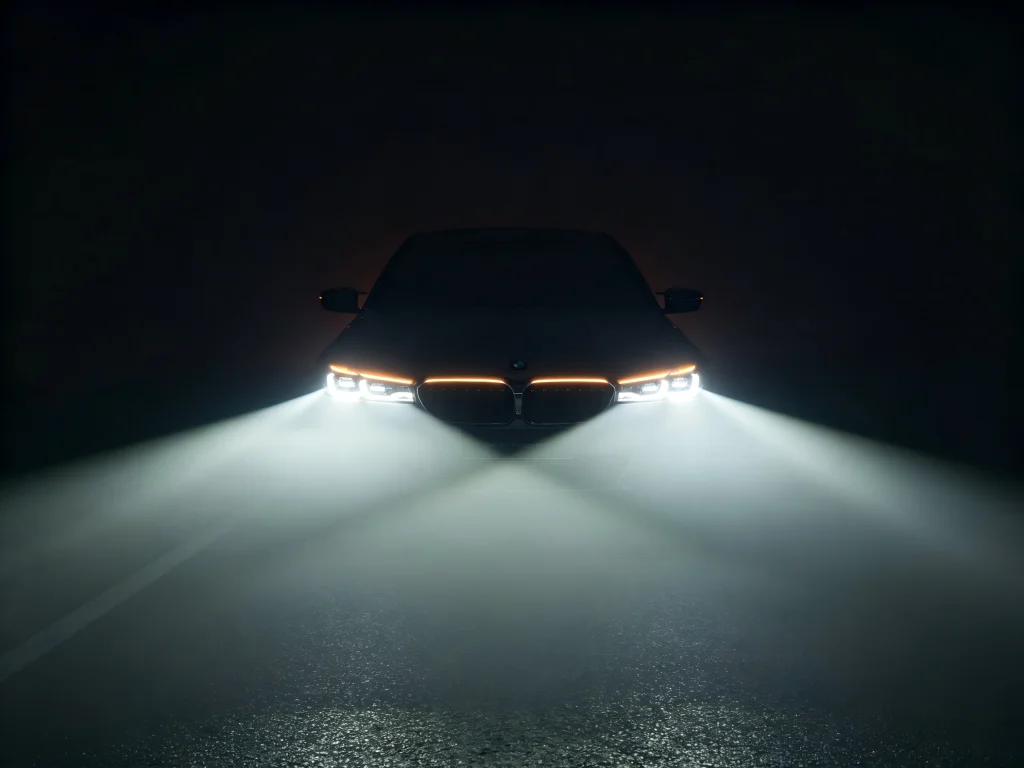
ไฟสูง vs ไฟต่ำ: ความแตกต่างพื้นฐาน
มาคลายความสับสนกันเถอะ. ไฟสูง และไฟต่ำมีวัตถุประสงค์ที่แตกต่างกันโดยสิ้นเชิง และการเข้าใจความแตกต่างนั้นเป็นขั้นตอนแรกในการตัดสินใจซื้ออย่างมีข้อมูล.
| ลักษณะเฉพาะ | ไฟต่ำ | ไฟสูง |
|---|---|---|
| มุมลำแสง | ส่องลงสู่ถนน | ส่องตรงไปข้างหน้า ขนานกับถนน |
| ระยะการส่องสว่าง | 200-300 ฟุต | 350-500 ฟุต |
| ความเข้ม | ต่ำ ควบคุมได้ | สูง มีพลังมากขึ้น |
| การใช้งานหลัก | การขับขี่ในเมือง การจราจร ถนนที่มีแสงสว่างเพียงพอ | ถนนชนบท ทางหลวง พื้นที่ที่ไม่มีแสงสว่าง |
| ดีที่สุดในหมอก/ฝน | ใช่—ลดแสงสะท้อน | ไม่—สร้างแสงสะท้อนที่เป็นอันตราย |
สมาคมวิศวกรรมแสงสว่าง (Illuminating Engineering Society) กำหนด ไฟสูง (เรียกอย่างเป็นทางการว่า “ลำแสงขับขี่ด้านบน”) ว่า “ลำแสงหนึ่งหรือหลายลำที่ออกแบบมาเพื่อให้แสงสว่างในระยะไกล และใช้บนทางหลวงเปิดโล่งเมื่อไม่พบกับยานพาหนะอื่น” นั่นคือคำจำกัดความทางเทคนิค ส่วนคำจำกัดความในทางปฏิบัติที่ง่ายกว่านั้นคือ: ไฟสูง ใช้สำหรับมองเห็นได้ไกลเมื่อไม่มีใครอยู่รอบข้าง.
ไฟต่ำ ในทางตรงกันข้าม ให้แสงสว่างประมาณ 50 ถึง 75 เมตรด้านหน้ารถของคุณโดยไม่ทำให้รถที่สวนมามองไม่เห็น เป็นไฟที่ใช้ในชีวิตประจำวัน—เป็นไฟที่คุณใช้ 90% ของเวลา.
ประเภทหลอดไฟ: สิ่งที่คุณกำลังซื้อจริงๆ
เมื่อคุณซื้อ ไฟสูง หรือไฟต่ำ คุณกำลังเลือกเทคโนโลยีหลอดไฟจริงๆ นี่คือตัวเลือกที่มี:
ฮาโลเจน
ยังคงเป็นตัวเลือกที่พบบ่อยที่สุดสำหรับผู้ผลิตอุปกรณ์ดั้งเดิม หลอดฮาโลเจนใช้ไส้หลอดทังสเตนภายในหลอดที่บรรจุก๊าซฮาโลเจน มีราคาถูกและทำงานได้อย่างเพียงพอ—แต่ “เพียงพอ” คือขีดจำกัด หลอดฮาโลเจน ไฟสูง ให้แสงสีเหลืองที่ประสิทธิภาพน้อยกว่าและสลัวกว่าตัวเลือกสมัยใหม่.
HID (หลอดปล่อยประจุความเข้มสูง)
หลอด HID ให้แสงโดยการส่งอาร์กไฟฟ้าผ่านก๊าซซีนอน สว่างกว่าหลอดฮาโลเจนอย่างมากแต่มีราคาแพงกว่า ยานพาหนะบางคันใช้ HID สำหรับ ไฟสูง และฮาโลเจนสำหรับไฟต่ำ จุดที่ต้องระวัง? หลอด HID ใช้เวลาไม่กี่วินาทีในการอุ่นเครื่องให้ถึงความสว่างเต็มที่—ไม่เหมาะสำหรับ ไฟสูง ที่ต้องการการเปิดใช้งานทันที.
LED (ไดโอดเปล่งแสง)
เทคโนโลยี LED ให้แสงที่สว่างและขาวกว่าฮาโลเจนในขณะที่ใช้พลังงานน้อยกว่า LED ไฟสูง ถึงความสว่างเต็มที่ทันที มีอายุการใช้งานยาวนานกว่าฮาโลเจนหรือ HID อย่างมาก และทนทานต่อการสั่นสะเทือนได้ดีกว่าหลอดไส้.
แหล่งข้อมูลในอุตสาหกรรมหนึ่งระบุว่า: “ไฟหน้า LED ให้แสงที่สว่างกว่าฮาโลเจนในขณะที่ใช้พลังงานน้อยกว่า” ประสิทธิภาพนั้นหมายถึงภาระต่อระบบไฟฟ้าของรถยนต์น้อยลงและอายุการใช้งานของหลอดไฟยาวนานขึ้น.
เมื่อใดควรใช้ไฟสูง (และเมื่อใดที่ห้ามใช้โดยเด็ดขาด)
การรู้ว่าเมื่อใดควรใช้ ไฟสูง สำคัญพอๆ กับการรู้ว่าควรซื้อหลอดไฟชนิดใด นี่คือกฎ:
ใช้ไฟสูงเมื่อ:
- ขับบนถนนชนบทที่ไม่มีไฟถนน
- เดินทางบนทางหลวงที่มืดและมีการจราจรน้อย
- คุณต้องมองเห็นอันตราย (สัตว์ป่า เศษซาก ทางเลี้ยว) ล่วงหน้าอย่างดี
- ไม่มีรถสวนทางภายในระยะประมาณ 500 ฟุต
ห้ามใช้ไฟสูงเมื่อ:
- มีรถสวนทาง—คุณจะทำให้ผู้ขับขี่คนอื่นตาพร่า
- ขับในหมอก ฝน หรือหิมะ—แสงสะท้อนจากน้ำ
- ขับตามรถคันอื่นอย่างใกล้ชิด—คุณจะทำให้พวกเขาตาพร่าผ่านกระจกมองหลัง
- ขับในเขตเมืองหรือชานเมืองที่มีแสงสว่างเพียงพอ
กฎหมอกมีความสำคัญเป็นพิเศษ ตามที่ผู้เชี่ยวชาญด้านยานยนต์คนหนึ่งอธิบายไว้ว่า: “ไฟสูงจะไม่ช่วยให้คุณมองเห็นได้ดีในหมอก อันที่จริงแล้ว ไฟสูงจะลดทัศนวิสัยของคุณลง แสงจาก ไฟสูง สะท้อนกลับจากหมอกเข้าสู่ดวงตาของคุณ” ซึ่งสร้างเอฟเฟกต์ “กำแพงสีขาว” ที่ทำให้การขับขี่เป็นอันตรายอย่างแท้จริง.
ฟีเจอร์ช่วยเปิดไฟสูงอัตโนมัติ: มีประโยชน์หรือเกินจริง?
รถยนต์สมัยใหม่หลายคันมาพร้อมกับระบบ ไฟสูง—หรือที่เรียกว่าระบบช่วยไฟสูง ระบบเหล่านี้ใช้เซ็นเซอร์หรือกล้องที่ติดตั้งบนกระจกหน้ารถเพื่อตรวจจับไฟหน้าและไฟท้ายของรถที่สวนทางมา โดยสลับระหว่างไฟสูงและไฟต่ำโดยอัตโนมัติ.
ตัวอย่างเช่น ระบบของโตโยต้าทำงานที่ความเร็วมากกว่า 25 ไมล์ต่อชั่วโมงเท่านั้น และจดจำทั้งไฟหน้าและไฟท้าย ระบบของฟอร์ดยังสามารถหรี่ไฟต่ำเพื่อลดแสงสะท้อนเมื่อจำเป็น.
แต่มีข้อแม้: ระบบอัตโนมัติไม่สมบูรณ์แบบ ระบบอาจทำงานได้ไม่ดีในหมอก ฝนตกหนัก หรือหิมะ เนื่องจากเซ็นเซอร์อ่านแสงสะท้อนเป็นแสงโดยรอบ ตามที่บทวิจารณ์หนึ่งระบุว่า: “ไฟหน้าอัตโนมัติส่วนใหญ่ตอบสนองต่อแสง ไม่ใช่สภาพอากาศเฉพาะ ซึ่งเป็นเหตุผลที่คำแนะนำด้านความปลอดภัยส่วนใหญ่แนะนำให้ใช้การตั้งค่าไฟหน้าด้วยตนเองในหมอก”.
หากคุณกำลังซื้อรถยนต์ที่มีระบบ ไฟสูง, ควรเข้าใจข้อจำกัด ระบบนี้เป็นเพียงความสะดวกสบาย ไม่ใช่สิ่งทดแทนการตัดสินใจของผู้ขับขี่.
ปัญหาไฟสูงทั่วไปและความหมาย
เมื่อซื้อ ไฟสูง, คุณอาจพบรูปแบบความเสียหายเฉพาะ นี่คือสิ่งที่บ่งบอก:
“ไฟสูงใช้งานได้แต่ไฟต่ำไม่ทำงาน”
โดยปกติหมายความว่าไส้หลอดไฟต่ำไหม้ในหลอดไฟแบบไส้คู่ หรือฟิวส์ไฟต่ำขาด อาจบ่งบอกถึงรีเลย์ที่เสียหาย.
“ไฟต่ำใช้งานได้แต่ไฟสูงไม่ทำงาน”
สถานการณ์ตรงกันข้าม ตรวจสอบฟิวส์ไฟสูง รีเลย์ และหลอดไฟ ในหลอดไฟแบบไส้คู่ ไส้หลอดไฟสูงอาจเสียหายในขณะที่ไส้หลอดไฟต่ำยังคง完好.
“ไฟสูงข้างหนึ่งทำงานแต่อีกข้างไม่ทำงาน”
นี่เกือบจะเป็นปัญหาที่หลอดไฟด้านนั้นเสมอ เปลี่ยนหลอดไฟที่เสียหาย หากปัญหายังคงอยู่ ให้ตรวจสอบเต้ารับว่ามีการกัดกร่อนหรือสายไฟเสียหายหรือไม่.
“ไฟสูงติดค้างตลอดเวลา”
รีเลย์ติดค้างหรือไฟฟ้าลัดวงจรลงกราวด์ในวงจรควบคุมไฟสูง ต้องให้ผู้เชี่ยวชาญวินิจฉัย.
สิ่งที่ผู้เชี่ยวชาญพูด: ประสบการณ์จริงจากผู้ขับขี่
การสนทนาในฟอรัมเผยให้เห็นว่าผู้ขับขี่ให้ความสำคัญกับอะไรเมื่อพูดถึง ไฟสูง:
ผู้ใช้ในฟอรัม Thunderbird รุ่นเก่าคนหนึ่งเล่าถึงปัญหาที่เกิดขึ้นเป็นครั้งคราวและน่าหงุดหงิดว่า “เมื่อฉันกดสวิตช์เพื่อเปิดไฟสูง ฝั่งคนขับทำงานปกติทั้งไฟสูงและไฟต่ำ แต่ไฟต่ำฝั่งผู้โดยสารสลัวมากและไฟสูงไม่ติดเลย” ซึ่งชี้ให้เห็นถึงปัญหาที่สายไฟหรือเบ้าสำหรับหลอดไฟที่ส่งผลต่อฝั่งใดฝั่งหนึ่ง.
ผู้ใช้อีกคนในฟอรัม BMW ตั้งข้อสังเกตว่า “เป็นเรื่องปกติที่ไฟต่ำจะถูกใช้งานมากกว่าไฟสูง ดังนั้นอาจจะง่ายๆ แค่ตรวจสอบและเปลี่ยนหลอดไฟ” นั่นเป็นข้อสังเกตที่ใช้ได้จริง—ไฟต่ำถูกใช้งานมากกว่าจึงเสียบ่อยกว่า.
ผู้ใช้ฟอรัม Miata รายงานว่า “ไฟหลัก ไฟสูง ทำงานตลอดเวลา แต่ไฟต่ำมีปัญหา บางครั้งทั้งสองข้างทำงาน บางครั้งทั้งสองข้างไม่ติด บางครั้งข้างหนึ่งสลัวในขณะที่อีกข้างปกติ” รูปแบบนี้บ่งบอกถึงการเชื่อมต่อไฟฟ้าที่ไม่เสถียรมากกว่าการที่หลอดไฟเสียเพียงอย่างเดียว.
ประสบการณ์จริงเหล่านี้เน้นย้ำความจริงที่สำคัญ: ไฟสูง ปัญหามักไม่ค่อยลึกลับ เกือบทุกครั้งสามารถสืบย้อนไปยังชิ้นส่วนเฉพาะได้—หลอดไฟ ฟิวส์ รีเลย์ หรือสายไฟ.
วิธีเลือกไฟสูงที่เหมาะสมสำหรับรถของคุณ
นี่คือกรอบแนวทางที่ใช้ได้จริงสำหรับการเลือกซื้อหลอดไฟทดแทน ไฟสูง:
- ตรวจสอบความเข้ากันได้กับรถของคุณ. หลอดไฟบางรุ่นไม่เหมาะกับรถทุกคัน ตรวจสอบคู่มือเจ้าของรถหรือใช้เครื่องมือตรวจสอบความเข้ากันได้ออนไลน์.
- ตัดสินใจเลือกเทคโนโลยีหลอดไฟ. หลอดฮาโลเจนถูกที่สุดแต่สลัวที่สุด หลอด HID สว่างกว่าแต่มีดีเลย์ในการอุ่นเครื่อง หลอด LED สว่างที่สุด ติดทันที และมีอายุการใช้งานยาวนานที่สุด.
- พิจารณาคุณภาพของรูปแบบลำแสง. หลอดไฟที่สว่างแต่รูปแบบลำแสงออกแบบมาไม่ดี แย่กว่าหลอดไฟปานกลางที่มีเลนส์คุณภาพเยี่ยม มองหาผลิตภัณฑ์ที่ควบคุมลำแสงได้แม่นยำ.
- ตรวจสอบการปฏิบัติตามกฎหมาย. บางเขตอำนาจศาลมีข้อจำกัดในการดัดแปลงไฟหน้ารถยนต์หลังการขาย ตรวจสอบให้แน่ใจว่าหลอดไฟที่คุณเลือกปฏิบัติตามข้อบังคับท้องถิ่น.
- อ่านรีวิวจากผู้ใช้จริง. มองข้ามการตลาดไปก่อน ผู้ขับขี่จริงพูดถึงการติดตั้ง ประสิทธิภาพ และความทนทานอย่างไร
ทำไมไฟหน้า LED GTR จึงเหนือกว่าคู่แข่ง
หลังจากทดสอบระบบไฟหน้ามาหลายสิบระบบ เราได้เรียนรู้ว่าอะไรที่ทำให้ระบบที่ยอดเยี่ยม ไฟสูง แตกต่างจากระบบที่ธรรมดา ไม่ใช่แค่ความสว่าง—แต่是关于การควบคุมลำแสง ความทนทาน และความสม่ำเสมอ.
ไฟหน้า LED GTR ตอบโจทย์ทั้งสามด้าน:
- เลนส์แม่นยำ: LED ของเรา ไฟสูง สร้างรูปแบบลำแสงที่โฟกัสและระยะไกล วางแสงตรงจุดที่คุณต้องการ—ไกลลงไปบนถนน โดยมีการกระจายแสงน้อยที่สุด.
- ความทนทานระดับอุตสาหกรรม: โครงสร้างที่ทนต่อการสั่นสะเทือนหมายความว่า ไฟสูง ของคุณยังคงทำงานได้แม้บนพื้นที่ขรุขระ.
- ความสว่างเต็มที่ทันที: ไม่มีความล่าช้าในการอุ่นเครื่อง ไฟสูง ของคุณสว่าง 100% ทันทีที่คุณเปิด.
- ติดตั้งแบบเสียบปลั๊กแล้วใช้งานได้ทันที: ไม่ต้องตัด ไม่ต้องต่อ ไม่ต้องเดินสายไฟยุ่งยาก ระบบ GTR ทำงานร่วมกับระบบรถที่มีอยู่ของคุณ.
นักรีวิวอุปกรณ์แต่งรถต่างให้ความสนใจ หนึ่งในนั้นกล่าวว่า “ไฟหน้า LED Carbide ของ GTR Lighting มอบการอัปเกรดประสิทธิภาพครั้งใหญ่ด้วยเทคโนโลยี LED เต็มรูปแบบ... โดยไม่ต้องดัดแปลงหรือตัดสายไฟโรงงาน”.
นี่คือข้อได้เปรียบของ GTR เราออกแบบผลิตภัณฑ์ที่ทำงานร่วมกับรถของคุณ ไม่ใช่ต่อต้านมัน.
คำถามที่พบบ่อยเกี่ยวกับไฟสูง
ไฟสูงและไฟต่ำแตกต่างกันอย่างไร?
คำตอบโดยตรง: ไฟสูงส่องตรงไปข้างหน้าและให้แสงสว่าง 350-500 ฟุต เพื่อการมองเห็นระยะไกลสูงสุด ไฟต่ำเอียงลงและส่องถึง 200-300 ฟุต ให้แสงสว่างเพียงพอโดยไม่ทำให้รถที่สวนมามองไม่เห็น.
ฉันสามารถใช้ไฟสูงและไฟต่ำพร้อมกันได้หรือไม่?
ในรถส่วนใหญ่ ไม่ การสลับไปใช้ ไฟสูง โดยทั่วไปจะปิดไฟต่ำ รถบางรุ่นที่มีหลอดแยกจะทำให้ทั้งสองดวงสว่าง แต่ทั้งนี้ขึ้นอยู่กับผู้ผลิตและรุ่น.
ไฟสูงและไฟต่ำเป็นหลอดแยกกันหรือไม่?
ขึ้นอยู่กับรถของคุณ บางรุ่นใช้หลอดเดียวที่มีไส้หลอดสองเส้น บางรุ่นใช้หลอดแยกสำหรับไฟสูงและไฟต่ำ ตรวจสอบคู่มือเจ้าของรถเพื่อทราบรูปแบบที่คุณมี.
ทำไมฉันไม่ควรใช้ไฟสูงในหมอก?
ไฟสูงสะท้อนกับละอองน้ำในหมอก ทำให้เกิดแสงจ้าที่ลดทัศนวิสัย แสงกระจายและสะท้อนกลับ สร้างเอฟเฟกต์ “กำแพงสีขาว” ไฟต่ำหรือไฟตัดหมอกเป็นทางเลือกที่ปลอดภัยกว่า.
ฉันจะรู้ได้อย่างไรว่าไฟสูงของฉันเปิดอยู่?
สัญลักษณ์ไฟหน้าสีน้ำเงินจะสว่างขึ้นบนแผงหน้าปัด นั่นคือการยืนยันด้วยสายตาว่า ไฟสูง ทำงานอยู่.
อะไรทำให้ไฟสูงหยุดทำงาน?
สาเหตุที่พบบ่อยที่สุดคือหลอดไฟไหม้ ฟิวส์ขาด รีเลย์เสีย สายไฟเสียหาย หรือสวิตช์บกพร่อง ปัญหามักจำกัดอยู่ที่ชิ้นส่วนเดียวในวงจรไฟสูง.
รถทุกคันมีไฟสูงอัตโนมัติหรือไม่?
ไม่ ระบบ ไฟสูง อัตโนมัติ (ระบบช่วยไฟสูง) เป็นคุณสมบัติในรถรุ่นใหม่หลายคัน แต่ไม่ได้มีในทุกรุ่น ตรวจสอบข้อมูลจำเพาะของรถคุณเพื่อดูว่ารถมีระบบนี้หรือไม่.
อัปเกรดประสบการณ์การขับขี่ตอนกลางคืนของคุณวันนี้
ของคุณ ไฟสูง เป็นหนึ่งในระบบความปลอดภัยที่สำคัญที่สุดของคุณ ไม่ใช่สิ่งฟุ่มเฟือย—แต่เป็นสิ่งจำเป็นสำหรับผู้ที่ขับขี่ในเวลากลางคืนบนถนนที่ไม่มีไฟส่องสว่าง และเช่นเดียวกับระบบความปลอดภัยอื่นๆ ควรใช้อุปกรณ์ที่ดีที่สุดที่มี.
ไฟหน้า LED GTR เป็นจุดสูงสุดของเทคโนโลยีไฟส่องสว่างยานยนต์ ไม่ว่าคุณจะเปลี่ยนหลอดที่เสีย ไฟสูง หรืออัปเกรดจากหลอดฮาโลเจนที่ล้าสมัย เรามีโซลูชันที่จะเปลี่ยนประสบการณ์การขับขี่ตอนกลางคืนของคุณ.
อย่าพอใจกับแสงไฟที่ mediocre อย่าประนีประนอมกับความปลอดภัย เลือก ไฟสูง ที่ผู้ขับขี่ไว้วางใจ.
เยี่ยมชม www.rhgtr.com เพื่อสำรวจโซลูชันไฟหน้า LED ครบวงจรของเรา การขับขี่ตอนกลางคืนของคุณจะไม่เหมือนเดิมอีกต่อไป.