คุณซื้อหลอดเปลี่ยน D3S HID เมื่อหกเดือนก่อน ตอนนี้มันกะพริบ หรือแย่กว่านั้น—ข้างหนึ่งดับสนิท และคุณขับรถกลับบ้านในความมืดโดยสงสัยว่าคุณเพิ่งเสียเงินไปเปล่า ๆ หรือเปล่า นี่ไม่ใช่ความโชคร้าย แต่เป็นความจริงของสิ่งที่เกิดขึ้นเมื่อคุณใส่หลอด D3S HID ที่ผิดลงในระบบ HID โรงงานของรถคุณ.
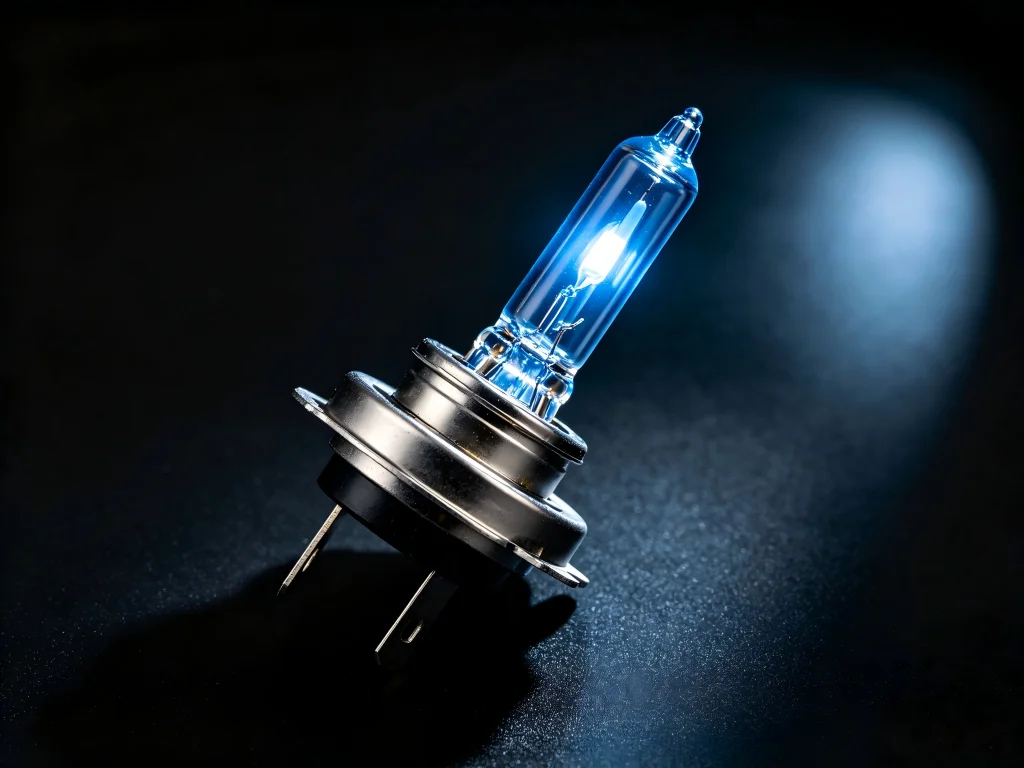
ปัญหา D3S HID ที่ไม่มีใครเตือนคุณ
หลอด D3S HID ไม่ใช่อุปกรณ์ที่ใช้ได้ทั่วไป—มันคืออุปกรณ์ที่ผ่านการออกแบบอย่างแม่นยำซึ่งทำงานที่ 42V DC พอดี พร้อมตัวจุดระเบิดในตัวและฐาน PK32d-5. ใส่หลอดที่ไม่ตรงกับสเปกเหล่านี้ลงในโคมไฟของคุณ คุณไม่ได้แค่ได้แสงสว่างที่ไม่ดี—คุณกำลังเสี่ยงต่อความเสียหายของบัลลาสต์ ซึ่งเป็นการซ่อมที่อาจมีค่าใช้จ่าย $300 หรือมากกว่า.
แต่ตลาดกลับเต็มไปด้วยหลอด D3S HID ที่มีราคาตั้งแต่ $25 ถึง $200 ทั้งหมดอ้างว่าสว่างกว่า ทนทานกว่า และคุณภาพเทียบเท่า OEM รายการสินค้าดูเหมือนกัน สเปกดูคล้ายกัน และผู้ขับขี่ส่วนใหญ่—ซึ่งเข้าใจได้—คิดว่าพวกเขากำลังซื้อสินค้าเดียวกัน.
พวกเขาไม่ได้ซื้อสินค้าเดียวกัน.
ทำไมหลอด D3S HID ราคาถูกจึงเสียอยู่เรื่อย (และมันทำให้คุณต้องเสียอะไร)
นี่คือสิ่งที่เกิดขึ้นเมื่อคุณติดตั้งหลอดซีนอน D3S HID ที่ต่ำมาตรฐาน หลอดอาร์กไม่ได้ผลิตตามค่าความคลาดเคลื่อนที่ถูกต้อง ส่วนผสมของก๊าซไม่ได้ปรับเทียบอย่างแม่นยำ ฐานเซรามิกขาดการระบายความร้อนที่เหมาะสม ภายใน 3 ถึง 6 เดือน คุณจะเริ่มสังเกตเห็นสัญญาณ.
นักรีวิวบน Amazon คนหนึ่งอธิบายได้อย่างตรงประเด็น: “หลอดหนึ่งติดอยู่ไม่กี่วินาทีแล้วดับ—อีกหลอดหนึ่งใช้งานได้” อีกคนรายงานว่า: “หลอดหนึ่งดับใน 6 เดือน อีกหลอดทนได้ 10 เดือนแล้วเริ่มกะพริบ” คนที่สามเขียนว่า: “หลังจากประมาณ 3 เดือน หลอดซ้ายเริ่มกะพริบ ฉันจึงใส่หลอดเดิมกลับเข้าไป”
สิ่งเหล่านี้ไม่ใช่เหตุการณ์ที่เกิดขึ้นโดด ๆ ลองดูฟอรัมหรือส่วนรีวิวใดก็ได้ คุณจะพบรูปแบบเดิมซ้ำ ๆ: หลอด D3S HID ที่เสียก่อนกำหนด กะพริบเป็นระยะ หรือไม่เคยสว่างเต็มที่ และเมื่อคุณพยายามคืนสินค้า? “ฉันต้องจ่าย 50% ของมูลค่ามันเพื่อขอคืนเงิน—เสียเงินเปล่าจริง ๆ”
แต่ต้นทุนที่แท้จริงไม่ใช่แค่ราคาซื้อ ทุกครั้งที่หลอดไฟหน้า D3S HID เสีย คุณต้องกลับไปใต้ฝากระโปรง งัดกับโคมไฟหน้า และอาจทำให้ขั้วต่อหรือบัลลาสต์เสียหายในระหว่างนั้น สมาชิกฟอรัมคนหนึ่งบรรยายถึงความหงุดหงิดนี้ว่า: “หลังจากติดตั้งและยืนยันว่าขั้วต่อเสียบเข้าที่ถูกต้องแล้ว หลอดก็สว่างขึ้นและดับลงอย่างไม่สม่ำเสมอ”
ผู้ขับขี่บางรายรายงานผลลัพธ์ที่แย่ยิ่งกว่านั้น “หลอดไฟเหล่านี้ไม่ทนทานและอาจทำให้ชุดไฟหน้าของคุณเสียหาย” ผู้รีวิวคนหนึ่งเตือน อีกคนหนึ่งตั้งข้อสังเกตว่าหลังจากผ่านวงจรความร้อนซ้ำๆ จากหลอดไฟที่ไม่ได้มาตรฐาน “สารเคลือบโลหะบนตัวสะท้อนแสงพลาสติกตรงตำแหน่งที่หลอดไฟตั้งอยู่ ด้านหลังเลนส์โปรเจกเตอร์” อาจบิดเบี้ยวหรือผุกร่อน “ส่งผลให้รูปแบบลำแสงเป็นจุดด่างพร้อย”
นั่นไม่ใช่แค่การเปลี่ยนหลอดไฟอีกต่อไป นั่นคือการเปลี่ยนชุดไฟหน้าทั้งชุด.
อะไรทำให้หลอด D3S HID เชื่อถือได้จริง ๆ
การกำหนดรหัส D3S ไม่ใช่การตลาด—แต่เป็นมาตรฐานสากล (IEC 60061) ที่ระบุอย่างชัดเจนว่าหลอดไฟเหล่านี้ต้องผลิตอย่างไร “D” หมายถึง discharge (HID) “3” บ่งบอกถึงสถาปัตยกรรมทางไฟฟ้า: 42V DC พร้อมบัลลาสต์ในตัว “S” หมายถึง shielded—ออกแบบมาโดยเฉพาะสำหรับไฟหน้าแบบโปรเจกเตอร์ที่มีฉากกั้นแสง.
สิ่งนี้สำคัญเพราะหลอดไฟ D3S ไม่สามารถใช้แทนกันได้ กับ D1S (85V AC มีสารปรอท), D2S หรือ D4S แม้ว่าฐานจะดูคล้ายกัน แต่ความต้องการแรงดันไฟฟ้าและการกำหนดค่าบัลลาสต์นั้นแตกต่างกันโดยสิ้นเชิง การติดตั้งหลอดไฟผิดประเภทอาจทำให้บัลลาสต์ของคุณเสียหาย—และนั่นคือการซ่อมที่คุณไม่อยากจ่าย.
หลอดไฟ HID D3S ทดแทนคุณภาพดีควรให้:
- อุณหภูมิสีที่สม่ำเสมอ—ไม่เปลี่ยนจากสีขาวเป็นสีชมพูหรือสีม่วงภายในปีแรก
- การทำงานที่ 35W ที่เสถียร—ตรงกับเอาต์พุตของบัลลาสต์จากโรงงานโดยไม่ดึงไฟเกินหรือทำงานต่ำกว่ามาตรฐาน
- การจัดตำแหน่งหลอดอาร์กที่ถูกต้อง—เพื่อให้แสงตกกระทบเลนส์โปรเจกเตอร์ของคุณตรงตำแหน่งที่ควรจะเป็น
- ฐานเซรามิกทนความร้อน—เพื่อรองรับอุณหภูมิที่สูงมากภายในชุดไฟหน้า
ตามข้อมูลจาก Diode Dynamics ซึ่งวัดอุณหภูมิสีในห้องปฏิบัติการทดสอบโฟโตเมตริกของพวกเขา 6000K เป็นตัวเลือกหลังการขายที่ได้รับความนิยมมากที่สุดเพราะเข้ากันได้ดีที่สุดกับ LED ส่วนใหญ่ แต่ความนิยมไม่ได้เท่ากับคุณภาพ คำถามที่แท้จริงไม่ใช่ว่าคุณต้องการอุณหภูมิสีแบบใด แต่เป็นว่าหลอดไฟสามารถรักษาอุณหภูมิสีนั้นไว้ได้ตลอดการใช้งานหลายพันชั่วโมงหรือไม่.
ความแตกต่างของ GTR: หลอด D3S HID ที่ออกแบบมาให้ทนทาน
จากประสบการณ์การผลิตด้านไฟส่องสว่างยานยนต์หลายปีของเรา เราได้เห็นชัดเจนว่าเกิดอะไรขึ้นกับหลอด D3S HID ซีนอนราคาถูก หลอดอาร์กเสื่อมสภาพ ส่วนผสมก๊าซรั่วไหล และตัวจุดระเบิดทำงานล้มเหลว.
หลอด GTR D3S HID ถูกออกแบบมาแตกต่างออกไป ทุกชิ้นผ่านการทดสอบอย่างเข้มงวดก่อนออกจากโรงงานของเรา เราใช้วัสดุระดับ OEM เราจับคู่สเปก 42V DC ที่แน่นอนซึ่งบัลลาสต์ของรถคุณต้องการ และเราออกแบบมาเพื่อการใช้งานระยะยาว ไม่ใช่แค่ช่วงสองสามเดือนแรก.
สิ่งนี้หมายความว่าอย่างไรสำหรับคุณ
- ไม่มีการกะพริบก่อนกำหนด—ให้แสงสว่างสม่ำเสมอตั้งแต่วันแรก
- ไม่มีการเปลี่ยนสี—คงความเป็นสีขาว ไม่ใช่สีชมพูหรือม่วง
- ไม่มีความเสียหายต่อบัลลาสต์—เพราะเราจับคู่สเปกไฟฟ้าของรถคุณอย่างแม่นยำ
- ไม่เสียเงินเปล่า—เปลี่ยนครั้งเดียว ไม่ใช่ทุกหกเดือน
ผู้ขับขี่จริงสังเกตเห็นความแตกต่าง ลูกค้ารายหนึ่งรายงานว่า: “ติดตั้งใน MK7 golf พอดีดี สว่างกว่า OEM” อีกรายแชร์ว่า: “สว่างกว่าของเดิมมาก และ 6k มีโทนสีอมฟ้า”
เมื่อการเปลี่ยนหลอด D3S HID ทำงานได้อย่างที่ควรจะเป็น คุณจะไม่ต้องคิดถึงมัน คุณแค่ขับรถ นั่นคือเป้าหมาย.
คำถามที่พบบ่อยเกี่ยวกับหลอด D3S HID
ถาม: ฉันสามารถใช้หลอด D3S HID ในโคมไฟหน้ารถแบบฮาโลเจนได้หรือไม่
หลอดไฟ D3S ถูกออกแบบมาสำหรับระบบ HID จากโรงงานที่มีโคมไฟแบบโปรเจคเตอร์ การติดตั้งในโคมไฟแบบฮาโลเจนจะทำให้เกิดแสงจ้ารบกวนและรูปแบบลำแสงที่ไม่ดี.
ถาม: ทำไมหลอด HID D3S ของฉันจึงกะพริบหลังการติดตั้ง?
การกะพริบมักบ่งชี้ถึงหนึ่งในสามปัญหา: การเชื่อมต่อที่ไม่ดี หลอดไฟที่ไม่เข้ากัน หรือบัลลาสต์ที่เริ่มเสีย ลองสลับหลอดไฟไปอีกด้านเพื่อระบุปัญหา.
ถาม: หลอดซีนอน HID D3S ควรมีอายุการใช้งานนานเท่าใด?
หลอด HID D3S คุณภาพดีควรมีอายุการใช้งาน 2,500 ถึง 5,000 ชั่วโมงภายใต้การใช้งานปกติ หลอดราคาถูกมักเสียภายใน 3 ถึง 12 เดือน.
ถาม: ความแตกต่างระหว่าง D3S และ D3R คืออะไร?
D3S มีฉนวนบังสำหรับไฟหน้าแบบโปรเจคเตอร์ D3R มีส่วนที่ทาสีซึ่งบังแสงบางส่วนสำหรับโคมไฟแบบรีเฟลกเตอร์ ทั้งสองไม่สามารถใช้แทนกันได้.
ถาม: ฉันจำเป็นต้องเปลี่ยนบัลลาสต์ใหม่เมื่อเปลี่ยนหลอด HID D3S หรือไม่?
ไม่จำเป็น หลอด D3S มีตัวจุดระเบิดในตัวและเชื่อมต่อโดยตรงกับบัลลาสต์เดิมของคุณ หากบัลลาสต์ทำงานปกติ คุณเพียงต้องการหลอดไฟเท่านั้น.
ถาม: 6000K ดีกว่า 4300K สำหรับหลอด HID D3S หรือไม่?
4300K ให้การมองเห็นที่ดีที่สุดในทุกสภาพ โดยเฉพาะถนนเปียกและหมอก 6000K ดูทันสมัยกว่าและเข้ากับ LED แต่อาจลดการมองเห็นในฝน เลือกตามความสำคัญของคุณ—การมองเห็นหรือสไตล์.
ถาม: ฉันควรเปลี่ยนหลอด HID D3S ทั้งสองข้างพร้อมกันหรือไม่?
ใช่ หลอด HID จะหรี่ลงเมื่อเวลาผ่านไป ดังนั้นหลอดใหม่ข้างหนึ่งและหลอดเก่าอีกข้างจะให้ความสว่างและสีที่ไม่ตรงกัน.
หยุดเสียเงินกับหลอด D3S HID ที่ไม่ทนทาน
คุณได้อ่านรีวิวแล้ว คุณได้เห็นข้อร้องเรียนแล้ว คุณรู้ดีว่าเกิดอะไรขึ้นเมื่อคุณซื้อหลอดไฟหน้า HID D3S ราคาถูก มันกะพริบ มันเสีย มันทิ้งคุณไว้ในความมืด ทำให้คุณสงสัยว่าทำไมไม่จ่ายเพิ่มอีกนิดเพื่อสิ่งที่ใช้งานได้จริง.
หลอด HID GTR D3S ถูกสร้างขึ้นแตกต่าง—ออกแบบตามข้อกำหนด OEM ทดสอบเพื่อความน่าเชื่อถือ และได้รับการสนับสนุนจากผู้ที่เข้าใจไฟยานยนต์ในระดับชิ้นส่วน ไม่ใช่คำโฆษณา ไม่ใช่การกล่าวอ้างลูเมนที่เกินจริง เพียงแค่หลอดไฟที่ใช้งานได้ ทุกครั้ง.
เยี่ยมชม www.rhgtr.com เพื่อค้นหาหลอดไฟ D3S HID ที่เหมาะสมสำหรับรถของคุณ เปลี่ยนเพียงครั้งเดียว ขับขี่อย่างมั่นใจ ไม่ต้องกังวลเกี่ยวกับไฟหน้ารถของคุณอีกต่อไป.