ลำแสงสีเหลืองสลัวที่ตัดผ่านความมืด ไฟหน้าของรถที่สวนมาทำให้การมองเห็นของคุณพร่ามัว อันตรายบนถนนปรากฏขึ้นช้าเกินไป ถ้าคุณคุ้นเคยกับสิ่งนี้ ไฟหน้า motorbike ของคุณไม่ได้แค่ไม่เพียงพอ—แต่มันอันตราย ระบบไฟมอเตอร์ไซค์ที่ไม่ดียังมีส่วนทำให้เกิดการชนในเวลากลางคืนมากกว่า 25%[reference:0] ข่าวดีก็คือ? คุณไม่จำเป็นต้องขี่ด้วยความกลัว.
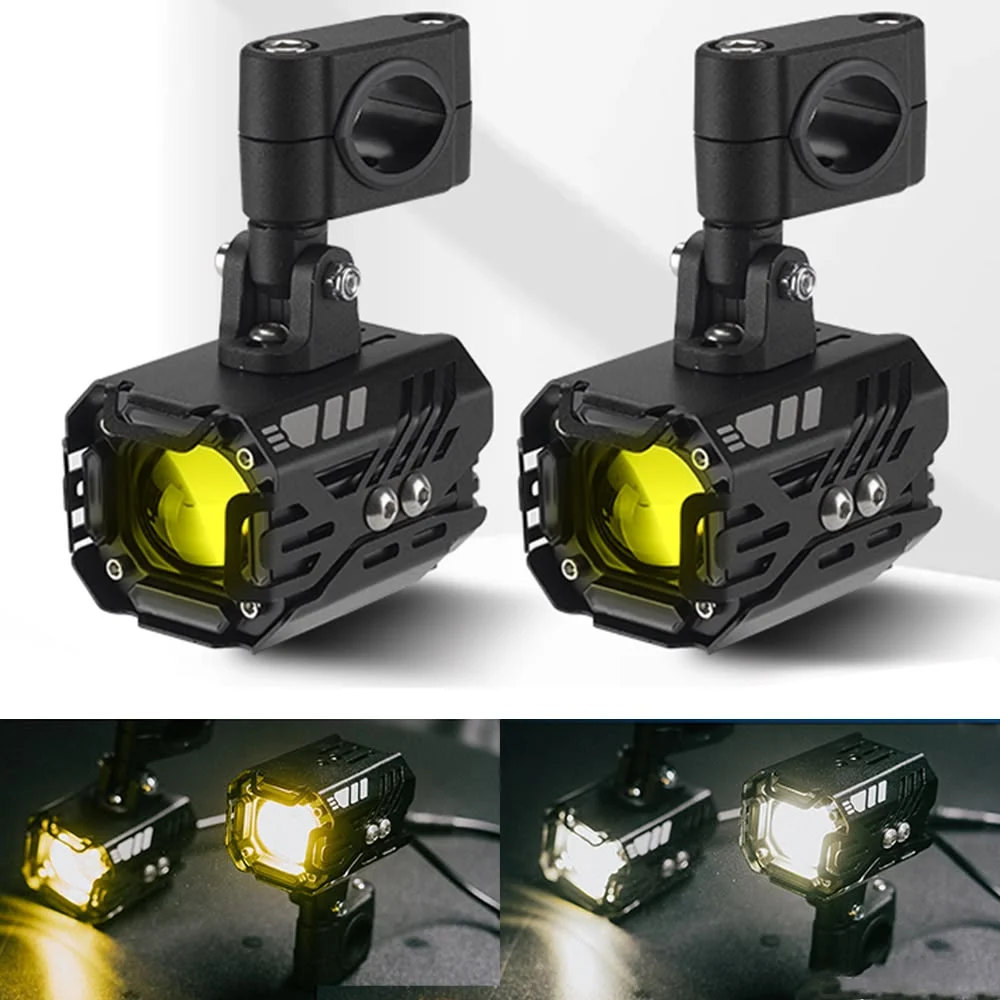
ฝันร้ายที่นักขี่ทุกคนรู้ดี
คุณกำลังขี่ไปตามถนนในชนบท ไม่มีไฟถนน มีแค่คุณ มอเตอร์ไซค์ของคุณ และสิ่งที่ซ่อนอยู่ในความมืดข้างหน้า หลอดฮาโลเจนมาตรฐาน หลอดไฟหน้า motorbike ของคุณเปล่งแสงสีเหลืองอ่อนที่ส่องไปได้ไกลเพียง 100 เมตร[reference:1] กวางอาจยืนอยู่ห่างออกไป 150 เมตร และคุณจะไม่รู้จนกว่าจะสายเกินไป.
นี่ไม่ใช่การพูดเกินจริง มันคือความจริงสำหรับผู้ขับขี่หลายพันคนที่ไว้วางใจเทคโนโลยีไฟที่ล้าสมัย หลอดฮาโลเจน—แบบที่ติดตั้งมาเป็นมาตรฐานบนมอเตอร์ไซค์ส่วนใหญ่—ให้แสงเพียง 16–24 ลูเมนต่อวัตต์[reference:2] พลังงานส่วนใหญ่? สูญเสียไปเป็นความร้อน[reference:3] คุณกำลังเผาผลาญพลังงานโดยไม่เห็นผลลัพธ์.
แล้วก็มีปัญหาการจ้า เคยไหมที่รถ SUV ที่สวนมาสาดไฟ LED ใส่คุณขณะที่ ฝาครอบไฟหน้า motorbike ของคุณไม่ได้ช่วยอะไร ดวงตาของคุณปรับตัวกับความสว่าง และทันใดนั้นถนนข้างหน้าก็กลายเป็นความมืดมิด นั่นไม่ใช่แค่เรื่องน่ารำคาญ แต่มันเป็นสูตรแห่งหายนะ.
ทำไม “ดีพอแล้ว“ ถึงไม่ดีพออีกต่อไป
ไฟหน้า motorbike ฮาโลเจนมาตรฐานมักให้อายุการใช้งาน 500–1,000 ชั่วโมง และให้แสงน้อยกว่า 1,500 ลูเมน[reference:4][reference:5] ในทางตรงกันข้าม ระบบ LED คุณภาพดีสามารถใช้งานได้ 20,000–50,000 ชั่วโมง พร้อมให้แสง 3,000+ ลูเมน[reference:6] ช่องว่างไม่ใช่เล็กน้อย—แต่มันเป็นเหว.
มาดูกันว่าสิ่งนี้หมายถึงอะไรต่อความปลอดภัยของคุณ หลอดฮาโลเจนให้แสงสีเหลืองอบอุ่นที่ถนอมสายตารถที่สวนมา แต่ทำให้คุณมองเห็นได้ยากขึ้น[reference:7] แสงอบอุ่นนั้น? มันลดความคมชัด ทำให้ spotting หลุมบ่อ เศษซาก หรือสัตว์ยากขึ้น เทคโนโลยี LED ให้แสงสีขาวคมชัดใกล้เคียงแสงกลางวัน[reference:8] นั่นหมายถึงความคมชัดที่ดีขึ้น การรับรู้อันตรายเร็วขึ้น และมีเวลาตอบสนองมากขึ้น.
การจัดการความร้อนบอกอีกเรื่อง หลอดฮาโลเจนเปลี่ยนพลังงานประมาณ 80% เป็นความร้อน[reference:9] ความร้อนนั้นไม่เพียงแต่สิ้นเปลืองพลังงาน—แต่มันทำให้ ฝาครอบไฟหน้า motorbike และตัวเรือนเสื่อมเร็วขึ้น ในทางตรงกันข้าม LED ทำงานที่อุณหภูมิต่ำกว่ามาก ช่วยรักษาอุปกรณ์ของคุณและมีอายุการใช้งานยาวนานขึ้นอย่างทวีคูณ[reference:10].
และมาพูดถึงสิ่งที่เกิดขึ้นเมื่อคุณเอียงเข้าโค้ง ไฟหน้ามอเตอร์ไซค์เอียงไปพร้อมกับรถ[reference:11] ลำแสงที่อ่อนอยู่แล้วบนถนนตรงจะแทบไร้ประโยชน์กลางโค้ง คุณกำลังขี่แบบมองไม่เห็นผ่านช่วงที่สำคัญที่สุดของการเลี้ยว.
นักขี่จริง ความหงุดหงิดจริง
“ฉันเปลี่ยนจากหลอดฮาโลเจนเป็น LED ไฟหน้า LED สำหรับมอเตอร์ไซค์ และความแตกต่างก็เหมือนกลางวันกับกลางคืน—จริงๆ แล้ว“ ผู้ขับขี่คนหนึ่งแชร์บนฟอรัมยอดนิยม “รูปแบบลำแสงมีการตัดขอบที่สะอาดตาตอนนี้ ฉันเห็นหลุมบ่อก่อนที่จะชนมัน และรถที่สวนมาไม่กะพริบไฟใส่ฉันอีกต่อไป‘
เจ้าของ Suzuki SV650 อีกคนรายงานว่า: “ซื้อมาใส่รถของฉันและพอดีเป๊ะ ไฟสูงและไฟต่ำทำงานได้ดีเยี่ยม และคุณภาพการประกอบก็ยอดเยี่ยม“[reference:12].
สิ่งเหล่านี้ไม่ใช่ประสบการณ์ที่แยกออกมาต่างหาก ผู้ขับขี่ที่อัปเกรดรายงานอย่างสม่ำเสมอถึงสามสิ่ง: การมองเห็นที่ดีขึ้น เหตุการณ์เฉียดอันตรายที่น้อยลง และความมั่นใจที่มากขึ้นหลังมืด.
โซลูชัน GTR: แสงที่ออกแบบมาเพื่อความอยู่รอด
นี่คือจุดที่เรื่องราวเปลี่ยนไป. จีทีอาร์ ไม่ได้ผลิตไฟหน้ามอเตอร์ไซค์ที่แค่ ‘ดีพอ“ เรา engineering แสงสว่างที่เปลี่ยนวิธีที่คุณมองเห็นและเป็นที่มองเห็นบนถนน.
เทคโนโลยี LED ของเรามอบแสงที่ใช้งานได้มากกว่าถึง 400% เมื่อเทียบกับระบบฮาโลเจนมาตรฐาน นั่นหมายความว่าคุณไม่เพียงแต่มองเห็นได้ไกลขึ้น—คุณมองเห็นได้ชัดเจนขึ้น ด้วยคอนทราสต์ที่ดีขึ้นและเมื่อยตาน้อยลง รูปแบบลำแสงถูกออกแบบอย่างแม่นยำด้วยการตัดขอบที่คมชัดซึ่งเก็บแสงไว้บนถนน ไม่ให้เข้าตาผู้ขับขี่ที่สวนมา.
ความทนทานล่ะ? ตัวเรือนของเราถูกสร้างขึ้นเพื่อทนต่อการสั่นสะเทือน ความชื้น และอุณหภูมิสุดขั้วที่ทำลายผลิตภัณฑ์ที่ด้อยกว่า การซีลระดับ IP67 หมายความว่าฝน โคลน และละอองน้ำบนถนนจะไม่ลดทอนการมองเห็นของคุณ[reference:13] และด้วยอายุการใช้งานที่วัดเป็นหมื่นชั่วโมง คุณคงไม่ต้องเปลี่ยน หลอดไฟหน้า motorbike อีกเลย.
การติดตั้งนั้นตรงไปตรงมา ไฟหน้า GTR ส่วนใหญ่ใช้ขั้วต่อแบบ plug-and-play ที่ทำงานกับสายไฟที่มีอยู่เดิม[reference:14] ไม่มีการดัดแปลงที่ซับซ้อน ไม่ต้องไปหาช่าง เพียงแค่แสงที่ดีขึ้นทันทีเมื่อแกะกล่อง.
สิ่งที่ควรพิจารณาในไฟหน้า motorbike คุณภาพดี
หากคุณกำลังมองหาการอัปเกรด นี่คือสิ่งที่สำคัญจริงๆ:
- ลูเมน ไม่ใช่วัตต์: อย่าหลงกลกับตัวเลขการใช้พลังงาน ให้ดูที่ปริมาณแสงที่ออกมาจริง LED ที่ดี ไฟหน้า LED สำหรับมอเตอร์ไซค์ ควรให้แสง 3,000+ ลูเมนในโหมดไฟสูง[reference:15].
- รูปแบบลำแสง: เส้นตัดที่คมชัดสำคัญกว่าความสว่างดิบ มันเก็บแสงไว้ในที่ที่คุณต้องการและไม่ส่องเข้าตาผู้ขับขี่คนอื่น[reference:16].
- การจัดการความร้อน: ตัวเรือนอะลูมิเนียมพร้อมฮีตซิงก์ที่เหมาะสมช่วยป้องกันการเสื่อมของความสว่างตามกาลเวลา[reference:17].
- การรับรอง: การรับรอง DOT หรือ ECE หมายความว่าไฟได้มาตรฐานตามกฎหมายสำหรับการใช้งานบนถนน[reference:18].
- การกันน้ำ: IP67 หรือสูงกว่าช่วยให้มั่นใจว่าการลงทุนของคุณทนต่อฝน โคลน และการฉีดล้างด้วยแรงดัน[reference:19].
คำถามที่พบบ่อยเกี่ยวกับไฟหน้า motorbike
รถจักรยานยนต์จำเป็นต้องมีไฟหน้าหรือไม่?
ใช่ รถจักรยานยนต์ทุกคันที่ขับขี่บนถนนสาธารณะต้องติดตั้งไฟหน้าอย่างน้อยหนึ่งดวงที่ใช้งานได้[reference:20] เขตอำนาจส่วนใหญ่กำหนดให้เปิดไฟหน้าตลอดเวลา ทั้งกลางวันและกลางคืน[reference:21] การขับขี่โดยไม่เปิดไฟไม่เพียงแต่อันตราย—มันผิดกฎหมาย.
คุณต้องเปิดไฟหน้า motorbike ในตอนกลางวันหรือไม่?
ในรัฐและประเทศส่วนใหญ่ ใช่ กฎหมายกำหนดให้ใช้ไฟส่องสว่างกลางวันหรือไฟหน้าในหลายเขตอำนาจ[reference:22] แม้ในที่ที่ไม่ได้บังคับ การเปิดไฟหน้าในเวลากลางวันช่วยลดความเสี่ยงการชนโดยทำให้คุณมองเห็นได้ชัดขึ้นต่อผู้ขับขี่คนอื่น.
ไฟหน้า motorbike มีกี่ประเภท?
มีสามประเภทหลัก: ฮาโลเจน (แบบดั้งเดิม ราคาถูก อายุการใช้งานสั้น), HID/ซีนอน (สว่างกว่าฮาโลเจน ต้องใช้บัลลาสต์ อายุการใช้งานยาวนานกว่า)[reference:23] และ LED (ประหยัดที่สุด อายุการใช้งานยาวนานที่สุด ควบคุมลำแสงได้ดีที่สุด)[reference:24] LED กำลังกลายเป็นมาตรฐานมากขึ้นในรถจักรยานยนต์สมัยใหม่[reference:25].
ฉันสามารถเปลี่ยนหลอดฮาโลเจนเป็น LED ได้หรือไม่?
ได้ แต่หลอด LED ไม่ใช่ทุกตัวที่จะทำงานได้อย่างถูกต้องในตัวเรือนฮาโลเจน[reference:26] รูปแบบลำแสงอาจกระจายแสงอย่างไม่เหมาะสม เพื่อผลลัพธ์ที่ดีที่สุด ควรเปลี่ยนชุดไฟหน้าทั้งชุดเป็นแบบที่ออกแบบมาสำหรับเลนส์ LED—ซึ่งเป็นสิ่งที่ GTR นำเสนอ.
ไฟหน้า LED สำหรับ motorbike มีอายุการใช้งานนานเท่าใด?
ระบบ LED ไฟหน้า motorbike คุณภาพสูงมักมีอายุการใช้งาน 20,000 ถึง 50,000 ชั่วโมง[reference:27] บางรุ่นระดับพรีเมียมเกิน 80,000 ชั่วโมง[reference:28] เมื่อเทียบกับ 500–1,000 ชั่วโมงของฮาโลเจน[reference:29] คุณค่าที่ได้รับก็ชัดเจนขึ้น.
ทำไมไฟหน้า LED ใหม่ของฉันจึงมีฮีตซิงก์?
LED สร้างความร้อนที่รอยต่อซึ่งเป็นจุดกำเนิดแสง[reference:30] ฮีตซิงก์ดึงความร้อนนั้นออกไป ป้องกันความเสียหายและรักษาเอาต์พุตแสงให้สม่ำเสมอ หากไม่มีการจัดการความร้อนที่เหมาะสม LED ของคุณจะหรี่ลงตามกาลเวลา.
ไฟหน้า LED สำหรับ motorbike ถูกกฎหมายหรือไม่?
ได้ หากได้รับการออกแบบและรับรองอย่างถูกต้อง มองหาการรับรอง DOT (สหรัฐอเมริกา) หรือ ECE (ยุโรป)[reference:31] ไฟหน้า GTR เป็นไปตามหรือเกินมาตรฐานเหล่านี้ ทำให้คุณถูกกฎหมายพร้อมทั้งเพลิดเพลินกับทัศนวิสัยที่เหนือกว่า.
หยุดประนีประนอมกับความปลอดภัยของคุณ
ทุกการขับขี่หลังพระอาทิตย์ตกคือการเสี่ยงโชคด้วยไฟส่องสว่างที่ล้าสมัย คุณกำลังฝากความปลอดภัยไว้กับเทคโนโลยีจากศตวรรษที่แล้วในสภาพการจราจรยุคใหม่ ซึ่งไม่สมเหตุสมผลเลย.
ที่ จีทีอาร์, เราใช้เวลาหลายปีในการออกแบบ ไฟหน้า motorcycles ที่แก้ปัญหาที่ผู้ขับขี่ต้องเผชิญทุกคืนได้จริง ทัศนวิสัยดีขึ้น อายุการใช้งานยาวนานขึ้น ติดตั้งง่ายขึ้น และความสบายใจที่ได้จากการรู้ว่าคุณมองเห็น—และเป็นที่มองเห็น.
รถของคุณคู่ควรกับสิ่งที่ดีกว่า ครอบครัวของคุณคู่ควรที่จะรู้ว่าคุณจะกลับบ้านอย่างปลอดภัย และคุณคู่ควรที่จะสนุกกับทุกการขับขี่ ไม่ใช่แค่ช่วงก่อนพระอาทิตย์ตก.
เยี่ยมชม GTR วันนี้และสัมผัสความแตกต่างด้วยตัวคุณเอง. เพราะถนนข้างหน้าควรจะไม่เป็นปริศนา.