Если вы когда-нибудь покупали светодиодную штырьковую лампу, устанавливали её, испытывали мимолётное удовлетворение, а затем через три недели наблюдали, как она начинает мерцать — вы не одиноки. Каждый месяц тысячи людей ищут ответы на вопрос, почему их светодиодные лампы со штырьковым цоколем стробируют, гудят или просто выходят из строя через несколько месяцев. Мы много лет работаем в производстве светодиодов и протестировали сотни неудачных возвратов, отправленных нам и нашим конкурентам. Закономерность одна и та же: не только лампа вышла из строя. Система вокруг неё изначально не была рассчитана на успешную работу.
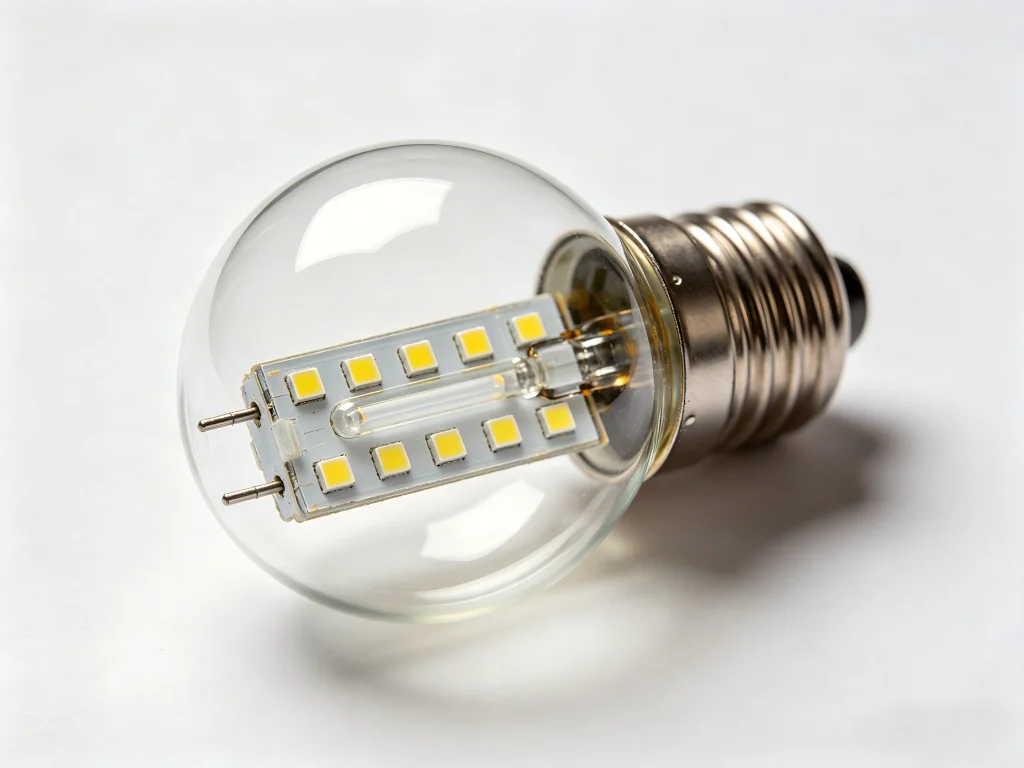
Настоящая проблема, о которой никто не говорит: дело не (всегда) в лампочке
Пройдитесь по ряду с осветительными приборами в магазине или пролистайте объявления о светодиодной штырьковой лампе, и упаковка расскажет простую историю. “Замените свой галогенный светильник 20 Вт этой светодиодной лампой 2 Вт. Экономьте энергию. Служит 25 000 часов”. В этой истории умалчивается о том, что лампа перегорит через шесть месяцев, потому что светильник, в который она вставляется, никогда для неё не предназначался.
Момент отказа: сцена, которую вы, возможно, узнаете
Представьте кухню в пригороде Ванкувера. Точечные светильники под шкафами были установлены в 2012 году с галогенными капсулами G4 мощностью 20 Вт. Они прекрасно работали десять лет. Затем один перегорает, и домовладелец берёт упаковку из 3 светодиодных штырьковых ламп в ближайшем магазине. Установка занимает тридцать секунд — просто вставьте штырьки в патрон, поворачивать не нужно. Две недели всё идеально. Свет ярче, шкафы холоднее, а экономия энергии радует. Затем начинается мерцание. Сначала лёгкое дрожание, потом полноценный дискотечный эффект каждый вечер. В течение трёх месяцев две лампы выходят из строя. Домовладелец винит дешёвые светодиодные лампы. Но коренная причина совсем в другом: стареющий электронный трансформатор в потолке, рассчитанный на галогенную нагрузку 20 Вт, а не на светодиод 2 Вт.
Почему ваш светильник может саботировать переход на светодиоды
Большинство низковольтных штырьковых осветительных приборов — точечные светильники под шкафами, садовые светильники, потолочные светильники для автодомов — используют магнитный или электронный трансформатор для понижения сетевого напряжения 120 В до 12 В. Эти трансформаторы разрабатывались, когда галоген был единственным вариантом. Галогенная лампа 20 Вт потребляет примерно 1,67 ампера. Светодиодная штырьковая лампа 12 В потребляет около 0,17 ампера — одну десятую тока. Многие электронные трансформаторы имеют минимальный порог нагрузки. Ниже этого порога они просто не включаются или циклически включаются и выключаются беспорядочно. Результат — это не дефектная светодиодная лампа. Это трансформатор, который не может обнаружить лампочку.
Это не маргинальная проблема. Norman Lamps, специализированный поставщик осветительных приборов, подтверждает, что “многие подшкафные и ландшафтные светильники используют электронные или магнитные трансформаторы, рассчитанные на галогенные нагрузки. Некоторые из этих трансформаторов не работают должным образом со светодиодными лампами из-за гораздо более низкого потребления мощности — трансформатор может не ‘видеть’ достаточной нагрузки для включения или может вызывать мерцание”[reference:0].
Несоответствие напряжения: тихий убийца лампочек
Вот самая дорогостоящая ошибка, которую люди совершают со светодиодными лампами с двухштырьковым цоколем: путают светильники на 12 В и 120 В. Это происходит чаще, чем вы можете поверить. Клиент заказывает светодиодную лампу с двухштырьковым цоколем 120 В онлайн, получает её и вставляет в подшкафный светильник на 12 В. Ничего не происходит — лампа никогда не загорается. Обратный сценарий гораздо хуже. Установка светодиодной лампы на 12 В в светильник линейного напряжения 120 В мгновенно уничтожает лампу. Не постепенно. Мгновенно. Внутренняя схема драйвера получает напряжение, в десять раз превышающее номинальное, и сгорает за долю секунды, иногда с слышимым хлопком и клубком дыма.
Различие между цоколями G4 и G9 ещё больше запутывает обычных покупателей. Лампы G4 с расстоянием между штырьками 4 мм почти всегда низковольтные (12 В). Лампы G9, определяемые по петлеобразным штырькам с расстоянием 9 мм, рассчитаны на линейное напряжение (120 В в Северной Америке, 220–240 В в Европе). Они выглядят достаточно похоже, чтобы запутать человека, не знакомого с кодами двухштырьковых цоколей. Но они абсолютно не взаимозаменяемы. Расстояние между штырьками 4 мм в цоколе G4 — это элемент безопасности. Оно физически предотвращает установку лампы большей мощности туда, где она могла бы перегреть светильник[reference:1].
Если в вашем светильнике есть трансформатор, вам нужна штырьковая лампа 12 В. лампа на 12 В. Если ваш светильник подключается напрямую к домашней проводке без трансформатора, вам нужна светодиодная лампа с двухштырьковым цоколем 120 В. Прежде чем что-либо покупать, посмотрите на маркировку светильника. Обычно она напечатана рядом с патроном или на корпусе трансформатора. Эта маркировка указывает напряжение. Доверьтесь ей.
Мерцающий кошмар: что его вызывает и почему дешёвые решения не работают
Мерцание — это жалоба, которую мы слышим чаще всего от людей, только что перешедших на светодиодные лампы с 2 штырьками. Это сводит с ума. Оно портит атмосферу кухни, делает чтение невозможным под точечными светильниками, а в тяжёлых случаях может вызывать головные боли или напряжение глаз. Интернет полон народных средств — “верните одну галогенную лампу в цепь”, “замените трансформатор”, “вероятно, это плохой контакт”. Некоторые из них работают временно. Ни одно из них не устраняет первопричину.
Каскад несовместимости трансформатора
Когда электронный трансформатор не может обнаружить достаточную нагрузку от ваших светодиодных ламп, он ведёт себя непредсказуемо. Он может подавать питание короткими импульсами, пытаясь определить, подключено ли что-нибудь. Он может колебаться — включаться на полсекунды, выключаться, снова включаться. Этот быстрый цикл вызывает видимое мерцание. Он также нагружает схему драйвера светодиода внутри лампы, изнашивая её компоненты гораздо быстрее, чем при нормальной работе. То, что выглядит как проблема качества лампы, на самом деле является медленной электрической казнью, вызванной светильником.
Возврат галогенной лампы в цепь часто останавливает мерцание. Но это также сводит на нет цель перехода на светодиоды — вы всё ещё сжигаете 20 ватт галогенной мощности, генерируете тепло и используете лампу, которую придётся менять через 2000 часов. Это пластырь, а не лекарство.
Профессиональные решения проблемы мерцания светодиодов включают замену несовместимых диммерных выключателей на модели, совместимые со светодиодами, и использование светодиодных драйверов постоянного тока, которые регулируют напряжение для создания стабильного, непрерывного тока[reference:2]. Это настоящие решения. Но они требуют человека, уверенно работающего с электрикой, и добавляют затраты к тому, что должно было быть простой заменой лампочки.
Когда лампочка физически не подходит: ловушка размера
Даже когда совместимость напряжения и трансформатора улажена, вас поджидает ещё одна ловушка. Светодиодные лампы с двухштырьковым цоколем, как правило, физически крупнее галогенных капсул, которые они заменяют. Галогенная капсула G4 может быть длиной 30 мм и диаметром 9 мм — невероятно компактная. Светодиодный аналог со встроенной схемой драйвера может быть длиной 37 мм и шириной 13 мм[reference:3]. Эта дополнительная длина означает, что лампа не поместится в неглубокий корпус точечного светильника. Она выступает за декоративное кольцо. Или её вообще невозможно вставить, потому что глубина корпуса была рассчитана на более тонкий галогенный форм-фактор.
Это особенно проблематично в применениях для автодомов и судов, где осветительные приборы часто чрезвычайно компактны. Многие владельцы автодомов покупают bi pin LED bulb Canadian Tire упаковки, ожидая простой замены, и лишь потом обнаруживают, что светодиодные лампы слишком высоки для неглубоких потолочных светильников, распространённых в прицепах-дачах и пятых колёсах.[reference:4]И тогда они застревают — старая галогенная лампа перегорела, новая светодиодная не подходит, и поездка на автодоме начинается в темноте.
Перед покупкой измерьте доступную глубину внутри вашего светильника. Сравните её с общей длиной, указанной в спецификациях продукта — не с длиной стеклянной колбы, а с полной длиной от кончика штырька до самой дальней точки корпуса лампы.
Нагрев: враг, который галогенные лампы маскируют, а светодиоды игнорировать не могут
Галогенные лампы абсурдно неэффективны — примерно 90% потребляемой ими энергии превращается в тепло, а не в свет. Они могут работать при температуре нити накала, превышающей 2 500 °C. Но поскольку галогенные светильники создавались с учётом этой реальности, сами светильники рассчитаны на то, чтобы выдерживать и рассеивать огромное количество тепла. Когда вы заменяете этот 20-ваттный нагреватель на 2-ваттный светодиод, светильник работает значительно холоднее. Звучит как чистый плюс. И по большей части так оно и есть — меньше тепла означает меньший риск возгорания, меньшую деградацию изоляции проводки и меньшую нагрузку на соседние материалы.
Однако сама светодиодная лампа всё ещё выделяет тепло в цепи драйвера и светодиодных чипах. Если это тепло не отводится должным образом — через адекватный теплоотвод, качественный дизайн печатной платы и хорошие термоинтерфейсные материалы — светодиод будет деградировать. Световой поток падает. Цвет смещается в сторону синего. А срок службы обрушивается с 25 000 часов до, возможно, 3 000.
Дешёвые bi pin LED bulb G4 изделия часто используют минимальный теплоотвод — небольшой алюминиевый диск или вообще ничего, кроме пластикового корпуса. Они полагаются на более низкую рабочую температуру светодиодов, чтобы компенсировать плохой термический дизайн. Это работает какое-то время. А потом перестаёт.
Инженерное решение GTR: создание двухштырьковых светодиодных ламп, выдерживающих реальные условия эксплуатации
В GTR Lighting мы подошли к проблеме светодиодных ламп с двухштырьковым цоколем с инженерной точки зрения, а не с точки зрения массового производства товаров. Опираясь на наш многолетний опыт производства, мы выявили пять описанных выше точек отказа и разработали наши продукты так, чтобы нейтрализовать каждую из них.
Схемы драйверов с широким диапазоном. Многие наши светодиодные лампы принимают входное напряжение 9–24 В постоянного тока, охватывая весь диапазон распространённых низковольтных применений с двухштырьковым цоколем одним продуктом. Этот допуск по диапазону означает, что незначительные колебания напряжения от стареющих трансформаторов или бортовых систем автодомов не повредят лампу. Схема драйвера поглощает отклонения и подаёт чистый стабилизированный ток на светодиодные чипы. Это та же инженерная философия, которую мы применяем к нашим автомобильным светодиодным продуктам, где напряжение электрической системы может колебаться от 9 В при запуске двигателя до 14,7 В при работающем генераторе.
Тестирование совместимости с трансформаторами. Мы тестируем наши светодиодные продукты с двухштырьковым цоколем на широкой библиотеке магнитных и электронных трансформаторов — включая старые модели от Hatch, WAC и Juno, распространённые в североамериканских подшкафных установках. Это тестирование выявляет проблемы минимальной нагрузки до отгрузки продуктов, а не после жалоб клиентов. Мы не можем гарантировать совместимость с каждым когда-либо изготовленным трансформатором, но мы проектируем для максимально широкого охвата.
Теплоотвод, который действительно работает. Заявления о сроке службы светодиодов ничего не значат без эффективного теплоотвода. Бипиновые светодиодные лампы GTR оснащены корпусами-радиаторами из авиационного алюминия, которые отводят тепло от светодиодного перехода и рассеивают его в полости светильника. Поддерживая низкую температуру перехода, мы сохраняем как яркость, так и точность цветопередачи на протяжении всего заявленного срока службы лампы. В этом и заключается разница между лампой, которая сохраняет 70% первоначальной яркости через 25 000 часов, и лампой, которая потускнела до 50% через 8 000 часов.
Компактный физический дизайн. Мы проектируем наши бипиновые светодиодные аналоги так, чтобы они как можно точнее соответствовали габаритам заменяемых галогенных капсул. Для применений G4 наши лампы спроектированы так, чтобы помещаться в стандартные корпуса точечных светильников без выступания.
Реальные характеристики, а не завышенные цифры. Наши технические характеристики отражают измеренный световой поток — эффективные люмены, а не «сырые» люмены кристаллов, которые завышают производительность на 30-40%. Мы честно указываем значения CRI, точно — цветовую температуру и мощность без округления в меньшую сторону. Если вы сравниваете GTR бипиновая светодиодная лампа G9 с обычным аналогом, вы сравниваете измеренные данные с маркетинговыми заявлениями. Это различие имеет значение, когда вы подбираете освещение для кухни, торговой витрины или каюты на судне, где качество света напрямую влияет на то, как люди воспринимают пространство.
Часто задаваемые вопросы: что люди спрашивают перед покупкой двухштырьковых светодиодных ламп
В чём разница между двухштырьковыми светодиодными лампами G4 и G9?
Лампы G4 имеют два тонких прямых штырька с расстоянием 4 мм между ними и почти всегда рассчитаны на низкое напряжение (12 В). Лампы G9 имеют два петлеобразных штырька с расстоянием 9 мм между ними и рассчитаны на сетевое напряжение (120 В или 220–240 В). Они не взаимозаменяемы. Установка лампы G4 в патрон G9 — или наоборот — приведёт либо к тому, что лампа не загорится, либо к тому, что она мгновенно выйдет из строя[reference:5].
Можно ли заменить галогенную двухштырьковую лампу на светодиодную, не меняя ничего другого?
Иногда. Если в вашем светильнике используется цоколь G9 на сетевое напряжение 120 В, замена галогенной лампы на светодиодную обычно не вызывает сложностей — убедитесь, что мощность и физические размеры совпадают, и всё готово. Если в вашем светильнике используется цоколь G4 на 12 В с трансформатором, необходимо убедиться, что трансформатор совместим с низкой мощностью светодиодных ламп. Некоторые старые электронные и магнитные трансформаторы требуют минимальной нагрузки, которую одна светодиодная лампа мощностью 2–3 Вт обеспечить не может, что приводит к мерцанию или отказу включения[reference:6].
Почему мои новые двухштырьковые светодиодные лампы мерцают?
Наиболее распространённые причины: несовместимые трансформаторы, которые не могут обнаружить низкую нагрузку светодиода, диммеры, рассчитанные на галогенную/ламповую нагрузку, а не на светодиоды, ослабленные соединения проводки в светильнике или колебания напряжения в сети питания. Замена трансформатора на драйвер, совместимый со светодиодами, навсегда устраняет большинство случаев мерцания, связанных с трансформатором[reference:7].
Что на самом деле означает число в обозначении G4 или G9?
Число обозначает расстояние между центрами двух штырьков, измеренное в миллиметрах. G4 = расстояние между штырьками 4 мм. G9 = расстояние между штырьками 9 мм. Буква “G” исторически указывала на то, что в оригинальной конструкции лампы использовалось стекло[reference:8].
Сколько должен служить качественный светодиодный штырьковый светильник?
Хорошо спроектированная светодиодная бипиновая лампа должна обеспечивать от 25 000 до 50 000 часов полезного света — что означает от 15 до 30 лет при типичном бытовом использовании под шкафами (3–5 часов в день). Однако этот срок службы предполагает надлежащий теплоотвод, совместимое напряжение и стабильную схему драйвера. Лампы низкого качества в предельных электрических условиях могут выйти из строя менее чем за 3 000 часов[reference:9].
Можно ли использовать диммер со светодиодными штырьковыми лампами?
Только если и лампа, и диммер явно рассчитаны на диммирование светодиодов. Использование диммера эпохи галогенных ламп со светодиодными лампами вызывает мерцание, гудение и сокращает срок службы лампы. Даже при совместимых компонентах качество диммирования различается — проверьте одну лампу, прежде чем устанавливать весь комплект.
Какая правильная цветовая температура для подсветки под шкафами?
Для кухонь 3000K (тёплый белый) создаёт приятное окружающее свечение, которое хорошо сочетается с тёплыми тонами дерева и гранитом. Для рабочих зон, таких как мастерские или прачечные, 4000K (холодный белый) обеспечивает лучший контраст и снижает напряжение глаз. 2700K лучше всего подходит для гостиных и спален, где желательна уютная атмосфера, напоминающая лампы накаливания[reference:10].
Реальная стоимость покупки дешёвых штырьковых светодиодных ламп
Давайте посчитаем на примере типичной установки под шкафом с шестью светильниками G4. Обычный светодиодной штырьковой лампе комплект стоит 18 канадских долларов за шесть лампочек. Через полгода две лампочки вышли из строя из-за несовместимости с трансформатором. Вы их заменяете. Ещё через полгода ещё две выходят из строя из-за термической деградации. Затем вы меняете трансформаторы на светодиодные драйверы по 25 канадских долларов каждый — шесть светильников, 150 канадских долларов на детали плюс визит электрика по 120 канадских долларов в час. Ваше “дешёвое” светодиодное обновление теперь обошлось вам дороже, чем сделать всё правильно с первого раза. И вы потратили часы на устранение мерцания света, лазание по лестнице и чтение форумов.
Подход GTR прост: правильно подобрать лампочку под задачу, обеспечить совместимость по напряжению, проверить физическую совместимость и установить компоненты, спроектированные для совместной работы. Наша продукция создана для профессиональных монтажников и серьёзных DIY-мастеров, которые понимают, что освещение — это инфраструктура: то, что устанавливают один раз и рассчитывают на работу в течение десяти лет и более.
Просмотрите наш полный ассортимент светодиодных решений с двухштырьковым цоколем — включая низковольтные G4, линейные G9 и специальные капсульные лампы — на rhgtr.com и ledcxr.com. Если вам нужна помощь в определении правильного типа цоколя, требований к напряжению или габаритной совместимости для вашего конкретного светильника, наша служба поддержки работает с монтажниками каждый день и поможет вам избежать ошибок, которые стоят времени и денег.
Источники: стандарты двухштырьковых цоколей ламп определены в IEC 60061 (Международная электротехническая комиссия). Рекомендации по совместимости напряжения и трансформаторов основаны на лучших отраслевых практиках и спецификациях производителей. Данные о сроке службы светодиодов отражают типичные номинальные значения при рекомендуемых условиях эксплуатации; фактический срок службы зависит от условий установки и характера использования.