Вы на тёмной сельской дороге. Ни фонарей. Ни встречного движения. Вы включаете дальний свет — и дорога впереди остаётся разочаровывающе тусклой. Вы щуритесь, наклоняетесь вперёд и надеетесь, что в этом сером размытии в 150 футах впереди ничего не скрывается. Это не просто раздражает. Это опасно. И это случается с большим количеством водителей, чем вы думаете.
Дальний свет фар должен увеличивать дистанцию видимости примерно на 28% по сравнению с ближним. Тем не менее 64% американских водителей признаются, что не пользуются дальним светом регулярно. Причина? Большинство штатных и дополнительных ламп дальнего света просто не обеспечивают ту производительность, которую водители ожидают, когда она нужна больше всего.
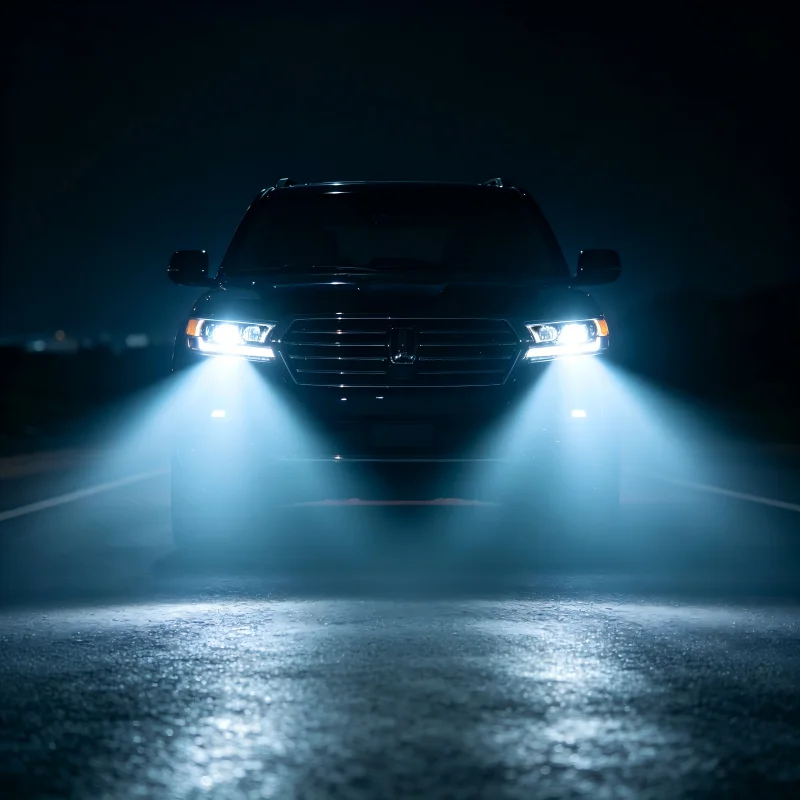
Проверка реальности в 3 часа ночи: почему ваши фары дальнего света вас подводят
Представьте себе. 3 часа ночи. Вы едете домой по шоссе через национальный лес. Ближний свет показывает вам, возможно, 200 футов дороги. При скорости 55 миль в час это дает вам примерно три секунды на реакцию на что-либо — оленя, заглохшую машину, участок черного льда. Три секунды.
Вы переключаетесь на дальний свет фар. В теории он должен расширить видимость до 350-400 футов. Это почти вдвое. Но на практике? Если ваши лампы старые, отрегулированы неправильно или используют устаревшую галогенную технологию, вы едва получаете 250 футов полезного света. При 55 милях в час это все еще всего около четырех секунд времени реакции. Одна дополнительная секунда. Это разница между своевременной остановкой и нет.
Теперь добавьте погоду. Дождь. Туман. Снег. Ваш дальний свет в тумане не помогает — он ухудшает ситуацию. Свет попадает на капли воды и рассеивается обратно к вам, создавая белую стену бликов. То, что должно быть вашим лучшим инструментом видимости, становится вашим злейшим врагом.
И вот в чем загвоздка: даже в идеальных условиях большинство ламп дальнего света на дорогах сегодня работают неэффективно. Галогенные лампы со временем деградируют — они теряют до 30% своей светоотдачи до перегорания. Газоразрядным лампам (HID) требуются секунды, чтобы разогреться до полной яркости. А дешевые светодиодные комплекты? Они выдают много люмен, но форма луча настолько рассеянная, что вы освещаете деревья, а не дорогу.
Что на самом деле происходит внутри вашего корпуса фары
Вот что большинство водителей не понимают. Дальний свет — это не только яркость. Дело в том, куда направляется этот свет.
Ваш корпус фары — будь то рефлекторный или проекторный — спроектирован вокруг конкретного источника света. Галогенные лампы имеют нить накаливания, расположенную в точном положении. Когда вы вставляете светодиодную лампу в тот же корпус, свет должен исходить из точно того же места. Если этого не происходит, форма луча разваливается. Вы получаете горячие точки, темные зоны и свет, рассеивающийся над дорогой, где он не помогает вам видеть.
Вот почему сырые цифры люмен обманчивы. Дешевая светодиодная лампа может заявлять о 20 000 люмен. Но если половина этого света попадает в верхушки деревьев или рассеивается в глаза встречного движения, ваша полезная дистанция дальнего света на самом деле хуже, чем у хорошей галогенной лампы.
Инженерная задача заключается в следующем: светодиодные чипы должны быть расположены с субмиллиметровой точностью, чтобы соответствовать расположению галогенной нити. Лучшие чипы на рынке — например, серия Philips ZES — имеют размер всего 1,6 мм x 2,0 мм, что близко соответствует ширине галогенной нити. Именно это обеспечивает четкую форму луча вместо рассеянного беспорядка.
В наших инженерных испытаниях мы видели, как светодиодные лампы дальнего света от производителей премиум-класса обеспечивают полезное освещение на расстоянии более 400 футов с чистым, сфокусированным лучом, который действительно освещает дорогу — а не канавы, не небо, не туман.
Реальная цена дешёвых фар дальнего света
Давайте поговорим о том, что происходит, когда вы покупаете, основываясь только на цене.
Светодиодный комплект за $15 с онлайн-площадки выйдет из строя в течение 6-12 месяцев. Терморегуляция недостаточна. Светодиодные чипы перегреваются, тускнеют и в конце концов перегорают. Форма светового пучка неконтролируема. Вы не экономите деньги — вы покупаете цикл замены.
Но стоимость не только финансовая. Подумайте, что поставлено на карту:
- Сниженная видимость на скоростях шоссе означает более позднее время реакции
- Плохая форма светового пучка увеличивает напряжение глаз и утомляемость водителя во время длительных ночных поездок
- Блики от смещенных или рассеянных пучков подвергают вас риску ослепить встречных водителей
- В тумане, дожде или снегу неправильная настройка дальнего света может активно снижать вашу видимость
Отраслевые данные показывают, что хотя только 9% вождения происходит между закатом и восходом, почти 49% смертельных аварий случаются в эти часы. Во многих случаях неэффективные фары являются способствующим фактором.
Дело не в том, чтобы иметь “самые крутые” фары. Дело в том, чтобы безопасно добраться домой.
Что на самом деле дают качественные фары дальнего света
Так что же отличает высокопроизводительные фары дальнего света от тех, которые заставляют вас щуриться в темноте?
Светодиодная технология, при правильной инженерии, обеспечивает срок службы в 10 раз больше, чем у галогенных ламп, мгновенную полную яркость (без задержки прогрева) и энергоэффективность, которая снижает нагрузку на электрическую систему вашего автомобиля. Но только если инженерия правильная.
Вот на что следует обратить внимание:
- Точность позиционирования чипа — светодиод должен располагаться точно там, где была бы нить накала галогенной лампы
- Терморегулирование — надлежащий отвод тепла и активное охлаждение для поддержания стабильной выходной мощности
- Целостность светового пучка — четкая линия отсечки на ближнем свете, сфокусированный луч на дальнем
- Цветовая температура около 6000K — яркий белый свет, улучшающий контраст без излишнего синего оттенка
- Совместимость с CANBUS — чтобы компьютер вашего автомобиля не выдавал коды ошибок
Серия Ultra 3 от GTR, например, использует премиальные светодиодные чипы с оптимизированным расположением для конкретных размеров ламп, таких как 9005 (HB3) — один из самых распространенных форматов дальнего света. Результат — дальний свет, который действительно обеспечивает дистанцию и четкость, ожидаемые водителями, когда они тянут рычаг вперед.
Что говорят водители о реальной работе дальнего света
Из реальных отзывов клиентов, полученных при более чем 50 000 заказах светодиодных ламп, последовательно вырисовывается одна закономерность: водители, перешедшие с галогенных на правильно спроектированные светодиодные лампы дальнего света, сообщают о трансформационных изменениях в уверенности при ночном вождении.
“Я езжу по одному и тому же сельскому маршруту уже 15 лет. После перехода на дальний свет GTR я увидел оленей, стоящих на обочине, о которых раньше даже не подозревал. Это как езда по другой дороге”.”
“Дальность дальнего света действительно впечатляет. Я вижу отражающие знаки с расстояния, которое кажется полмили. И световой пучок чистый — без рассеивания, без бликов”.”
“Раньше боялся ночной езды под дождем. Теперь? Дальний свет пробивает тьму без эффекта бликов, который был у моих старых галогенных ламп. Огромная разница”.”
Это не маркетинговые заявления. Это реальный опыт водителей, которые перешли с неэффективных ламп дальнего света на правильно спроектированные светодиодные решения.
Ваши фары дальнего света — исправлены, раз и навсегда
Проблема ясна: большинство ламп дальнего света на дорогах сегодня не обеспечивают видимость, необходимую водителям. Причины столь же очевидны — устаревшие технологии, плохая инженерия и ошибочные решения о покупке, основанные на цене, а не на производительности.
Но решение простое.
Высокопроизводительные светодиодные лампы дальнего света от GTR спроектированы так, чтобы обеспечивать полезный свет именно там, где он нужен — на дороге впереди, а не в деревьях, не в тумане и не в глазах встречных водителей. Благодаря правильному расположению чипов, продвинутому управлению температурой и световым пучкам, которые действительно работают с корпусом вашего автомобиля, это не просто более яркие лампы. Это правильно спроектированные световые решения.
Перестаньте щуриться в темноте. Перестаньте надеяться, что ваш дальний свет сработает, когда он нужен больше всего. Получите фары дальнего света, которые действительно работают.
Фары дальнего света — краткие ответы
Как выглядит значок фар дальнего света на приборной панели?
Символ фар дальнего света — это синий значок на приборной панели, похожий на фару с прямыми горизонтальными линиями, расходящимися наружу. В отличие от зеленого символа ближнего света (с линиями, направленными вниз), синий индикатор дальнего света сообщает вам, что ваши самые яркие огни активны.
Как далеко должны светить фары дальнего света?
Исправные фары дальнего света должны освещать дорогу на 350–400 футов вперед — примерно длину городского квартала. Некоторые премиальные светодиодные системы могут достигать еще дальше с чистым сфокусированным лучом. Регуляторные минимумы различаются в зависимости от региона, но 100 метров (около 328 футов) — это распространенный стандарт.
Следует ли использовать дальний свет в тумане?
Нет. Фары дальнего света в тумане на самом деле снижают видимость. Свет рассеивается на каплях воды и отражается обратно к водителю, создавая блики и эффект белой пелены. Вместо этого используйте ближний свет или противотуманные фары.
Когда следует переключать дальний свет на ближний?
Фары дальнего света следует переключать на ближний свет, когда вы находитесь в пределах 200 метров от встречного транспортного средства или транспортного средства, движущегося в том же направлении. Во многих юрисдикциях за непереключение дальнего света на ближний в пределах этого расстояния предусмотрены штрафы и штрафные баллы.
В чём разница между дальним и ближним светом фар?
Фары дальнего света проецируют яркий сфокусированный луч прямо вперед для максимальной дальности (350–400 футов), в то время как ближний свет дает более короткий и широкий луч (100–200 футов), направленный вниз, чтобы избежать бликов. Дальний свет предназначен для темных неосвещенных дорог без движения; ближний свет — для повседневного вождения.
Могу ли я использовать светодиодные лампы в существующих фарах дальнего света?
Да, но качество имеет огромное значение. Правильно сконструированные светодиодные лампы с точным позиционированием чипов будут работать в ваших существующих корпусах. Дешевые светодиодные комплекты с плохим распределением луча могут не соответствовать стандартам безопасности и создавать опасные блики. Всегда выбирайте светодиоды, специально разработанные для вашего размера лампы (например, 9005, H1 или H7).
Посетите www.rhgtr.com, чтобы найти подходящие фары дальнего света для вашего автомобиля.