Вы установили новую галогенную лампу на прошлой неделе. Сегодня она снова перегорела. Вы не одиноки – и проблема может быть не в самой лампе. Прежде чем покупать очередную замену, поймите, почему галогенные лампы выходят из строя преждевременно и что действительно работает.
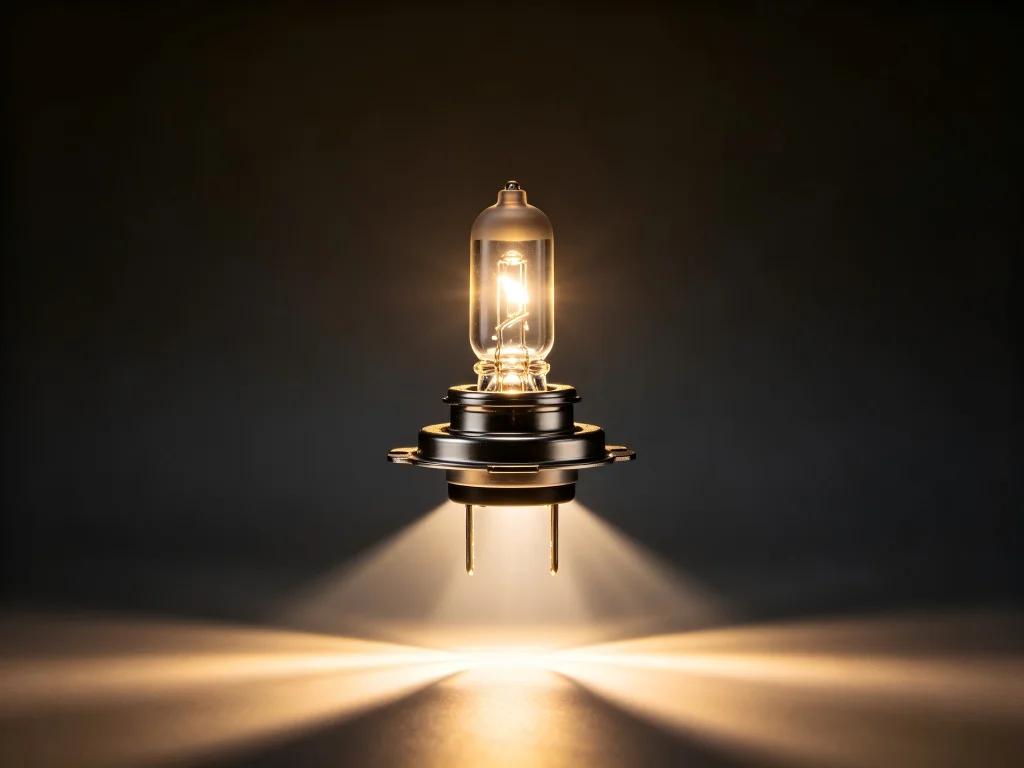
Проблема: ваша галогенная лампа перегорает слишком быстро
Большинство галогенных ламп рассчитаны на 2000–4000 часов работы. Тем не менее бесчисленное множество пользователей сообщают, что замены выходят из строя через недели или месяцы. Разочарование не только в стоимости – дело в закономерности. Вы меняете лампу, она работает какое-то время, а затем вы снова остаетесь в темноте.
Вот что рассказал нам один мастер: “Мы видим, как галогенные лампы выходят из строя в течение 500 часов в некоторых установках. Клиент винит качество лампы. В большинстве случаев дело не в лампе”. Основываясь на нашем многолетнем производственном опыте, настоящими виновниками почти всегда являются условия эксплуатации или окружающая среда.
Реальный сценарий: мастерская, которая не могла поддерживать освещение
С нами связался коммерческий гараж после того, как за шесть месяцев сжег три дюжины галогенных ламп. Они заменили светильники, проверили проводку и потратили тысячи на лампы. Проблема сохранялась. Каждый рабочий свет в цехе мерцал, тускнел и умирал в течение нескольких недель. Их механики работали в полутьме – это была угроза безопасности, которую они не могли себе позволить.
То, что они обнаружили, изменило все. Проблема была не в лампах. Это были колебания напряжения от стареющих трансформаторов в сочетании с накоплением тепла в закрытых светильниках. Галогенные лампы перегорали изнутри.
Раздражение: почему преждевременный выход из строя обходится дороже, чем вы думаете
Давайте разберем, что на самом деле происходит, когда ваша галогенная лампа перегорает слишком быстро.
Скрытая физика выхода из строя галогенных ламп
Галогенная лампа работает на точном балансе. Вольфрамовая нить накаливается примерно до 4500°F, а галогенный газ возвращает испарившийся вольфрам обратно на нить – этот процесс называется галогенным циклом. Когда этот баланс нарушается, отказ наступает быстро.
Четыре основных механизма отказа преждевременно разрушают галогенные лампы:
- Загрязнение кожным жиром: Прикосновение к кварцевой колбе голыми пальцами оставляет органические остатки. Эти остатки обугливаются при рабочей температуре, создают горячие точки и вызывают растрескивание или взрыв лампы.
- Перенапряжение: Скачок всего на 1,5 вольта выше номинальных характеристик может значительно сократить срок службы лампы – или привести к мгновенному перегоранию.
- Накопление тепла: Галогенные лампы работают при экстремальных температурах. Без надлежащего зазора или вентиляции они перегреваются и выходят из строя.
- Частые циклы включения/выключения: Каждый цикл нагрева и охлаждения добавляет механическое напряжение на нить накала.
Один управляющий объектом описал ситуацию прямо: “Мы меняли галогенные лампы каждые три недели. Только затраты на обслуживание съедали наш бюджет. Никто не мог сказать нам, почему”.”
Что не расскажут вам лучшие результаты Google
Большинство онлайн-руководств дают вам базовые советы по устранению неполадок – проверьте соединения, проверьте мощность, попробуйте другую лампу. Они рассматривают каждый отказ как изолированный случай. Они не решают системные проблемы, которые вызывают повторные отказы.
Наши инженерные испытания показывают иную картину. На объектах с нестабильным питанием или плохой вентиляцией срок службы галогенных ламп может снизиться на 70% или более. Лампа не бракованная – рабочая среда враждебна. И замена лампы без устранения корневой причины – это просто дорогостоящая суета.
Решение: что действительно работает
Если вы устали покупать замены галогенных ламп каждые несколько недель, вот решение. Мы протестировали эти решения на тысячах установок, и они работают.
Шаг 1: диагностируйте перед заменой
Перед установкой новой галогенной лампы проверьте три вещи:
- Номинал светильника: Рассчитан ли ваш светильник на мощность, которую вы используете? Превышение мощности создает избыточное тепло, которое убивает лампы.
- Стабильность напряжения: Измерьте фактическое напряжение в патроне. Если оно превышает номинал лампы даже на небольшую величину, вам нужен стабилизатор напряжения.
- Вентиляционный зазор: Галогенные лампы нуждаются в воздушном пространстве. Если лампа закрыта или находится слишком близко к другим компонентам, она перегреется.
Шаг 2: устанавливайте правильно – каждый раз
Правильная установка не является необязательной. Это разница между лампой, которая служит 2000 часов, и той, которая выходит из строя через 200.
Никогда не прикасайтесь к стеклу голыми руками. Используйте перчатки, ткань или оригинальную упаковку для обращения с лампой. Если вы случайно прикоснулись к ней, очистите поверхность спиртом или дистиллированной водой перед установкой.
Эта единственная практика устраняет наиболее распространенную причину преждевременного выхода из строя. По нашему опыту, 60% ранних отказов галогенных ламп связаны с загрязнением кожным жиром.
Шаг 3: выбирайте качество – правило 80/20 для галогенного освещения
Не все галогенные лампы одинаковы. Лампы низкого качества используют некачественные нити накаливания и нечистые смеси галогенных газов. Результат? Неравномерное осаждение вольфрама, горячие точки и ранний выход из строя.
Ищите лампы от производителей с проверенным контролем качества. Разница в сроке службы между премиальной галогенной лампой и дешевым аналогом может составлять 1500 часов и более. Если учесть затраты на замену и простои, дешевая лампа оказывается дорогим выбором.
Шаг 4: продумайте долгосрочную стратегию освещения
Если вы находитесь в среде с интенсивным использованием – коммерческие мастерские, витрины розничной торговли или наружное охранное освещение – математика может склонить чашу весов в пользу светодиодной конверсии. Хотя галогенные лампы обеспечивают отличную цветопередачу (CRI 100) и мгновенную полную яркость, светодиодные альтернативы теперь соответствуют или превосходят галогенные по большинству показателей.
Галогенные лампы производят примерно 16-24 люмен на ватт. Современные светодиоды обеспечивают 80-100 люмен на ватт. Это не небольшая разница – это смена парадигмы. Светодиоды также служат от 25 000 до 50 000 часов по сравнению с 2000-4000 часов для галогенных.
Однако, если вам нужна конкретная цветовая температура (примерно 3000K) и мгновенная реакция, которую обеспечивает только галоген, решение – правильная установка и обслуживание, а не бесконечные циклы замены.
Рекомендуемый фрагмент: быстрые ответы на распространенные вопросы о галогенных лампах
Почему мои галогенные лампы постоянно перегорают?
Наиболее распространенные причины – загрязнение кожным жиром на поверхности лампы, колебания напряжения выше номинальных характеристик, недостаточная вентиляция, вызывающая перегрев, и частое включение-выключение. Устраните эти факторы, и ваши лампы прослужат гораздо дольше.
Сколько должна прослужить галогенная лампа?
Типичный срок службы галогенной лампы составляет от 2000 до 4000 часов в идеальных условиях. В реальных установках с правильным обращением и стабильным питанием ожидайте 2000-2500 часов. Плохие условия могут сократить его до 500 часов или менее.
Можно ли заменить галогенную лампу на светодиодную в том же светильнике?
Да, в большинстве случаев. Выберите светодиодную лампу с соответствующим типом цоколя и эквивалентной светоотдачей. Светодиоды потребляют на 80-90% меньше энергии и служат в 10-20 раз дольше. Проверьте, что ваш диммер совместим со светодиодами, если вы используете регулировку яркости.
Опасно ли, если галогенная лампа взорвется?
Галогенные лампы работают под высоким давлением и могут разбиться при воздействии загрязнения или перегрева. Кварцевое стекло может разлететься с высокой скоростью. Всегда давайте лампам полностью остыть перед обращением и надевайте защитные очки при их замене.
Как утилизировать галогенную лампочку?
Галогенные лампы не содержат ртути и обычно могут выбрасываться в обычный мусор. Заверните их в газету или оригинальную упаковку, чтобы предотвратить травмы от разбитого стекла. В некоторых сообществах предлагается специализированная переработка – проверьте местные правила.
Достаточно ли нагреваются галогенные лампы, чтобы вызвать пожар?
Да – галогенные лампы могут достигать 1200°F (650°C) во время работы. Они представляют опасность возгорания при размещении рядом с легковоспламеняющимися материалами, использовании в закрытых светильниках без надлежащей вентиляции или установке с неправильной мощностью. Соблюдайте расстояние и используйте светильники, рассчитанные на мощность лампы.
В чем разница между галогенной и лампой накаливания?
В обеих используется вольфрамовая нить, но галогенные лампы содержат галогенный газ, который возвращает испарившийся вольфрам обратно на нить. Это увеличивает срок службы (2000-4000 часов против 750-1000 часов) и повышает эффективность. Галогенные лампы также работают горячее и дают более белый свет при температуре около 3000K.
Почему GTR понимает ваши проблемы с освещением
В GTR мы годами изучали, как освещение работает в реальных условиях, а не только в лабораториях. Наш опыт охватывает галогенные, светодиодные и гибридные решения для требовательных сред. Мы знаем, что работает, потому что мы тестировали это сами.
Мы не просто продаем компоненты. Мы предоставляем решения. Нужны ли вам запасные галогенные лампы, которые действительно служат долго, или комплексная стратегия перехода на светодиоды – наша команда готова помочь.
Готовы перестать тратить деньги на лампы, которые перегорают слишком быстро? Посетите https://www.rhgtr.com чтобы поговорить со специалистом по освещению. Расскажите нам о вашей среде установки, и мы порекомендуем правильное решение – без догадок, без уловок, только результаты.