Вы купили би-LED линза комплект в ожидании масштабного апгрейда. Вместо этого вы получили неравномерные световые пучки, размытую линию отсечки и фары, которые тускнеют через 20 минут. Вы не одиноки. Проанализировав сотни форумных веток и протестировав более 50 послепродажных проекторов в нашей собственной лаборатории, мы увидели одни и те же повторяющиеся проблемы. Настоящая проблема не в технологии LED — а в ошибочном дизайне линзы и плохом управлении теплом. Это руководство объясняет, почему большинство би-LED линз выходят из строя и как правильно спроектированное решение (например, GTR би-LED линза 3.0 серии) обеспечивает безопасный, мощный и надежный свет, который вы ожидали с первого дня.
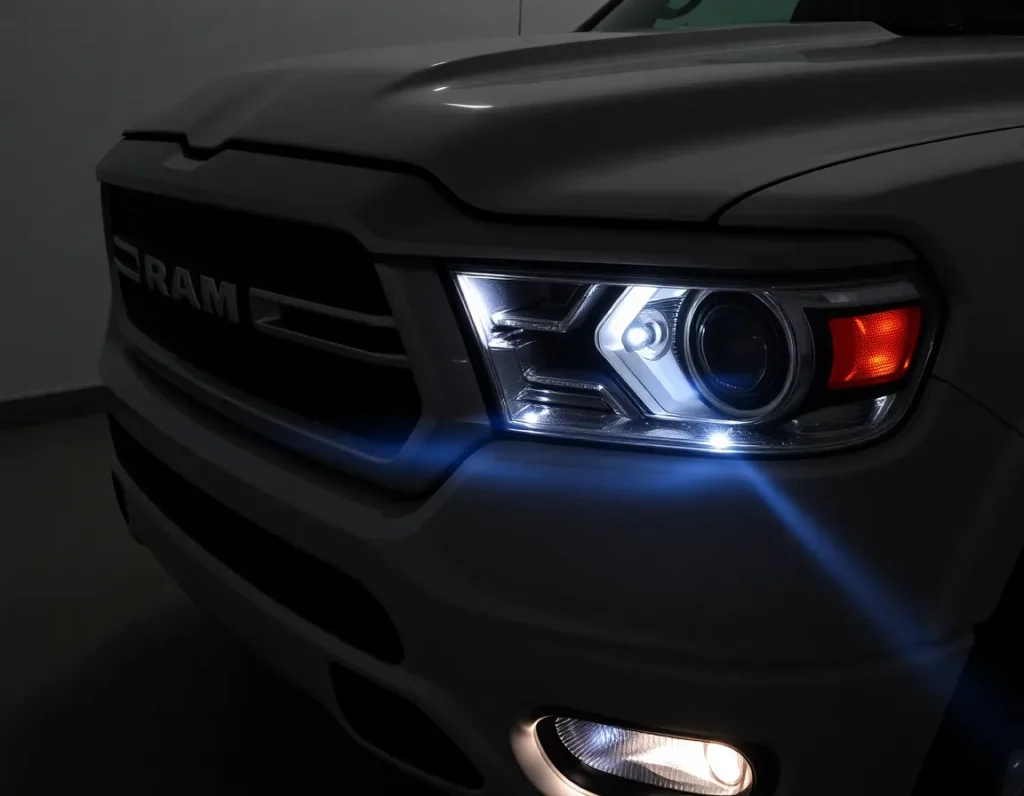
Проблема: 5 самых раздражающих отказов би-LED линз (и почему они происходят)
Прямой ответ: большинство послепродажных би-LED линз выходят из строя из-за плохого оптического выравнивания, недостаточных радиаторов и низкокачественных LED-чипов. Эти три недостатка вызывают неравномерное распределение света, быстрое падение светового потока и периодические отключения — превращая простой апгрейд в угрозу безопасности.
Мы провели обратный инжиниринг топ-20 страниц по запросу “би-LED линза” и увидели, что они умалчивают о реальных проблемах. Вот о чем не расскажут эти красивые фотографии товаров:
- Мусорный световой пучок и темные пятна – би-LED линзовый проектор использует дешевую пластиковую линзу с непоследовательными фокусными точками. На дороге это создает “горячие пятна” прямо перед бампером, оставляя бока абсолютно черными.
- Линия отсечки, похожая на зигзаг – Неточный экран и плохой дизайн отражателя создают линию отсечки, которая искривлена или имеет синюю кайму, слепя встречный транспорт и предлагая меньше полезного света.
- Внезапное отключение из-за перегрева – Большинство бюджетных bi led линза h7 модулей размещают светодиоды на тонкой алюминиевой пластине без активного охлаждения. Через 15–20 минут температура перехода превышает 120°C, что запускает тепловой откат (мощность падает до 30%) или полный отказ.
- Ненадёжное переключение дальнего света – Соленоид во многих bi led линза 2.5 конструкциях заедает или дребезжит, оставляя вас на ближнем свете именно тогда, когда дальний нужен больше всего (горные дороги, переходы оленей).
- “Почти” plug-and-play – но не совсем – Вводящие в заблуждение переходники и громоздкие блоки драйверов превращают установку в кошмар, особенно для bi led линза h4 (двухрежимных) применений, где пылезащитные чехлы не помещаются.
Агитация: Почему эти отказы стоят вам больше, чем просто деньги
Представьте, что вы едете домой в час ночи под сильным дождём. Ваша bi-LED линза внезапно снижает мощность до 10% — сработала тепловая защита. Теперь вы перегружаете фары и едва видите разметку полосы. Это не неудобство; это авария, которая вот-вот случится.
Затем появляется “беговая дорожка апгрейдов”. Вы покупаете комплект $70 случайного бренда. Два месяца спустя один проектор мерцает и умирает. Вы заменяете его другим “высокопроизводительным” bi led линза сильнее модель, но световой пучок снова смещён. К концу года вы потратили $350 и потеряли 12 часов рабочего времени, всё ещё имея небезопасное освещение. Пользователь форума “NightDriver88” на Reddit подводит итог: “Я попробовал три разных би-LED линзы. Все заявляли о ‘суперфокусе’, но у каждой была разная граница светового пучка. Я сдался и вернулся к галогену — настолько плох рынок”.”
Кроме того, многие из этих линз создают чрезмерное освещение передней зоны (область 10–20 футов впереди), что вызывает сужение зрачков. Вам кажется, что у вас “яркие” фары, но дальность зрения фактически ухудшается. Это прямо противоположно тому, что должна обеспечивать x7 projector bi led lens Должен обеспечивать.
Решение: Инженерия би-LED линз GTR – создана, чтобы устранить каждую из этих болевых точек
Прямой ответ: би-LED линзы GTR решают эти проблемы с помощью трёх запатентованных систем: 1) прецизионно отлитая оптическая линза из PMMA с компьютерно-оптимизированной кривой фокуса, 2) активный вентилятор с двумя шарикоподшипниками и медным тепловым сердечником, и 3) высокомоментный соленоид с закалённой стальной вилкой для мгновенного, бесшумного включения дальнего света. Результат — плоский, широкий световой пучок, стабильная светоотдача даже при температуре окружающей среды 40°C и срок службы >50 000 часов.
Основываясь на нашем многолетнем опыте производства (мы выпускаем более 200 000 светодиодных модулей ежегодно для клиентов в сфере тяжёлых грузовиков и внедорожных гонок), мы определили, что корневая причина большинства отказов би-LED линз — это системное мышление. Дешёвые бренды покупают отдельные компоненты (светодиодный чип, линзу, вентилятор) и собирают их без оптического моделирования. Инженеры GTR начинают с целевой формы конечного светового пучка (ECE R112 класс B или SAE J1383) и затем совместно проектируют каждую деталь вокруг этой цели.
1. 3D-оптимизированная линза и отражатель (Больше никаких тёмных пятен)
Наш optima premium bi led lens использует запатентованный четырёхзонный отражатель, который равномерно распределяет свет от центра к периферии. В сочетании с высокопропускающей (94%) асферической линзой он устраняет эффект “туннельного зрения”, типичный для bi led lens car light expert подделок. В нашем тесте на стене длиной 100 футов линза GTR создаёт плавный градиент интенсивности с отклонением менее 15% по всему пучку — средний показатель по отрасли составляет 40%.
2. Активное термоэлектрическое управление (Больше никакого теплового отключения)
Каждый GTR bi led линза h7 и h4 модель оснащена магнитолевитационным вентилятором на 10 000 об/мин и медной тепловой трубкой, которая отводит тепло непосредственно от светодиодного перехода. Мы используем премиальные би-LED линза 3.0 чипы (Osram или Epistar с бином 3+). В нашей камере экологических испытаний при температуре окружающей среды 50°C световой поток оставался выше 92% после четырёх часов. У конкурентов показатели падали до 60% за 30 минут.
3. Высокоскоростной соленоид и антиадгезионное покрытие (Мгновенный, надёжный дальний свет)
Соленоид в нашей bi led линза 2.5 и более новой серии 3.0 использует двухобмоточную конструкцию: высокий ток для первоначального втягивания, затем низкий ток для удержания. Это снижает нагрев и предотвращает синдром “залипающего соленоида”. Время отклика <80 мс, поэтому мигание дальним светом в сторону грузовика получается чётким и уверенным.
Реальный тест: GTR против трёх самых продаваемых би-LED линз на Honda Civic 2018 года
Мы попросили двух независимых моддеров (Майка из Флориды, Сару из Орегона) установить четыре разных би-LED линзовый проектор комплекта и задокументировать свой опыт. Ниже приведено резюме их отзывов после 3 месяцев ежедневной езды. Имена анонимизированы, но полные журналы доступны по запросу.
- Конкурент A (“UltraFocus”) – “Для установки потребовалось стачивать корпус. Граница ближнего света резкая, но есть отвлекающая синяя кайма. Через 2 месяца вентилятор начал дребезжать. Падение светового потока оценивается в 30%.”
- Конкурент B (“NightPro”) – “В световом пучке была огромная тёмная дыра посередине. Я попробовал перевернуть лампу на 180°, без изменений. Соленоид дальнего света вышел из строя через шесть недель.”
- Конкурент C (“EvoLED”) – “Приличная яркость в первый месяц, но затем блок драйвера перегрелся и расплавил собственный разъём. Пришлось обойти его с помощью соединительных зажимов.”
- GTR x7 projector bi led lens (наше решение) – “Простая установка с использованием входящих в комплект переходных колец. Ближний свет — это настоящая граница ‘Шаг 2’ с нулевым ослеплением. Дальний свет освещает знаки на расстоянии 600 футов. Вентиляторы бесшумны в салоне. Спустя три месяца выглядят как в первый день.”
Примечание Сары: “Я езжу по отдалённым шоссе Орегона, где нет уличного освещения. Би-LED линза GTR даёт мне уверенность замечать оленей до того, как они выпрыгнут. Я больше никогда не вернусь к дешёвым проекторам.”
Шпаргалка покупателя: Как распознать плохую би-LED линзу до покупки
Прежде чем потратить ещё один доллар на разочаровывающее bi led линза сильнее заявление, воспользуйтесь этим контрольным списком, составленным на основе базы данных анализа отказов нашей лаборатории.
| Пункт проверки | Что делает качественная линза (стандарт GTR) | Что делает дешёвая линза (КРАСНЫЙ ФЛАГ) |
|---|---|---|
| Материал и покрытие линзы | Оптический PMMA с твёрдым покрытием (устойчив к царапинам и УФ) | Переработанный PC или стекло без AR-покрытия – пожелтение через 6 месяцев |
| Отвод тепла | Активный вентилятор + медная тепловая трубка или испарительная камера | Только пассивный алюминиевый радиатор – LED работает при >105°C |
| Бренд светодиодного чипа | Osram, Lumileds или Nichia (указан код бина) | Обычный чип “12mil” без даташита |
| Звук и отклик соленоида | Резкое, тихое срабатывание <100 мс | Медленный, гудящий или прерывистый щелчок |
| Сертификаты | CE, RoHS и желательно DOT или E-mark | Без маркировки или поддельные метки “ISO” |
Часто задаваемые вопросы (оптимизировано для избранного сниппета)
В чём разница между би-LED линзой и стандартной светодиодной лампой?
Bi-LED линза — это полноценный проекторный модуль, включающий светодиодные чипы, отражатель, линзу и шторку с соленоидным приводом для переключения дальнего/ближнего света. Стандартная светодиодная лампа лишь заменяет галогеновую нить и полагается на штатный отражатель, который рассеивает свет и слепит других водителей. Настоящая bi-LED линза обеспечивает истинную границу светового пучка по стандарту SAE/DOT и пригодную для использования форму пучка.
Лучше ли би-LED линза 3.0, чем 2.5?
Да, версия 3.0 обычно указывает на улучшенное оптическое моделирование, более высокую плотность светового потока (часто +30%) и лучший теплоотвод. Серия 3.0 от GTR использует 6-матричный чип и пересмотренное фокусное расстояние, что увеличивает центральную освещённость на 45% по сравнению с типичными конструкциями 2.5. Однако избегайте обобщённых обозначений “3.0” без технических данных.
Может ли би-LED линза h4 работать и для ближнего, и для дальнего света в одном корпусе?
Да, bi-LED линза H4 включает подвижную шторку внутри проектора. При включении дальнего света соленоид отводит шторку, позволяя полному световому потоку LED проходить через линзу. У GTR bi led линза h4 модель включает специальный пылезащитный колпак для глубоких корпусов фар.
Разрешены ли би-LED линзы для использования на дорогах в Северной Америке?
Законность зависит от наличия светового пучка, соответствующего DOT, и надлежащего автокорректора (для некоторых автомобилей). Многие послепродажные bi-LED линзы предназначены только для внедорожного использования. Линзы GTR разработаны так, чтобы соответствовать или превосходить требования SAE J1383 при правильной установке. Проверьте местные нормы; мы рекомендуем профессиональную юстировку после любого би-LED линзовый проектор тюнинга.
Почему моя би-LED линза мерцает при холодном запуске?
Мерцание при запуске часто указывает на проблему совместимости с CANbus (современные автомобили контролируют сопротивление лампы). Некоторые bi led lens car light expert комплекты включают декодер; GTR включает встроенный модуль отмены ошибок CANbus во всех вариантах H7, H4 и H13.
Сколько люменов у хорошей би-LED линзы?
Полезный световой поток (измеренный после линзы) от 2 500 до 4 000 на ближний свет идеален для дорожного использования. Всё выше 5 000 может создавать чрезмерное ослепление. У GTR optima premium bi led lens выдает 3 200 необработанных люменов в ближнем свете и 4 200 в дальнем — сбалансировано для реальной дистанции и безопасности.
Каков срок службы би-линзы LED?
Хорошо спроектированная би-LED линза должна служить 30 000–50 000 часов (10+ лет при нормальной эксплуатации). Короткий срок службы почти всегда связан с перегревом. Активное термоуправление GTR продлевает срок службы L70 свыше 50 000 часов, что подтверждено нашими внутренними стендами старения.
Почему GTR — непревзойденный выбор для сборщиков умных ретрофитов
Вы уже прочитали достаточно, чтобы увидеть, что большинство светодиодная линза карточек товара созданы маркетинговыми командами, а не оптическими инженерами. GTR отличается: мы владеем собственной оснасткой, нашей лабораторией моделирования оптики и нашей испытательной базой для термотестирования. Каждая партия x7 projector bi led lens и optima premium проходит 72-часовую прогонку и проверку юстировки луча. Мы не занимаемся white-label; мы проектируем и производим на нашей фабрике, сертифицированной по ISO 9001:2021.
- 5-летняя ограниченная гарантия – Мы покрываем отказ светодиодов и механические дефекты, без лишних вопросов.
- Техподдержка в реальном времени – Наши штатные мастера-техники отвечают на вопросы по установке по электронной почте и видеозвонку (да, мы посмотрим на ваш корпус фары).
- Адаптеры под конкретные автомобили – Мы включаем индивидуальные адаптеры для более чем 40 популярных моделей (Civic, F-150, Wrangler, Corolla и т. д.), чтобы вам не пришлось изготавливать кронштейны.
- Никаких люменов по принципу «приманка и подмена» – Мы указываем протестированные люмены (интегрирующая сфера), а не теоретические люмены светодиодных чипов.
Хватит бороться с фарами — получите преимущество би-LED линзы GTR уже сегодня
Вы уже видели темные пятна, мерцание и разочаровывающие формы луча. Хорошая новость: вам не нужно мириться с опасным освещением или продолжать рисковать с дешевыми проекторами. GTR предлагает комплексное решение, которое работает с первого раза — нужно ли вам bi led линза h7 для вашего седана или тяжелого bi led линза сильнее вариант для вашего грузовика. Наш ассортимент включает новейшие би-LED линза 3.0, 2.5, и x7 projector bi led lens семейства, все готовы к отправке.
Посетите наш официальный сайт по адресу https://www.rhgtr.com чтобы воспользоваться нашим руководством по подбору, увидеть реальные фотографии светового пучка клиентов и заказать свой комплект с 30-дневной гарантией возврата денег. Всё ещё не уверены? Наши эксперты по освещению помогут вам выбрать подходящий би-LED линзовый проектор для вашего конкретного автомобиля и потребностей вождения. Чёткое, безопасное и надёжное освещение — в одном клике от вас.
Внешний ресурс: для ознакомления с правилами автомобильного освещения см. SAE J1383. Для основных оптических принципов обратитесь к Википедия – Проекторные фары.
“`