Faróis de neblina amarelos não são uma escolha de estilo. São uma decisão de segurança que pode salvar seu veículo—e sua vida—na próxima vez que a visibilidade cair para quase zero.
Você está dirigindo por uma passagem de montanha às 5:00 da manhã. A previsão dizia névoa irregular. O que você não esperava era uma parede de branco que engole seus faróis inteiros. Seus faróis altos pioram—uma cortina ofuscante de luz refletida. Seus faróis de neblina brancos padrão? Inúteis. Você está rastejando a 15 mph, com os nós dos dedos brancos, rezando para que a próxima curva não revele um caminhão parado. Isso não é hipotético. Isso é o que acontece quando seus faróis de neblina não conseguem realmente lidar com a névoa.
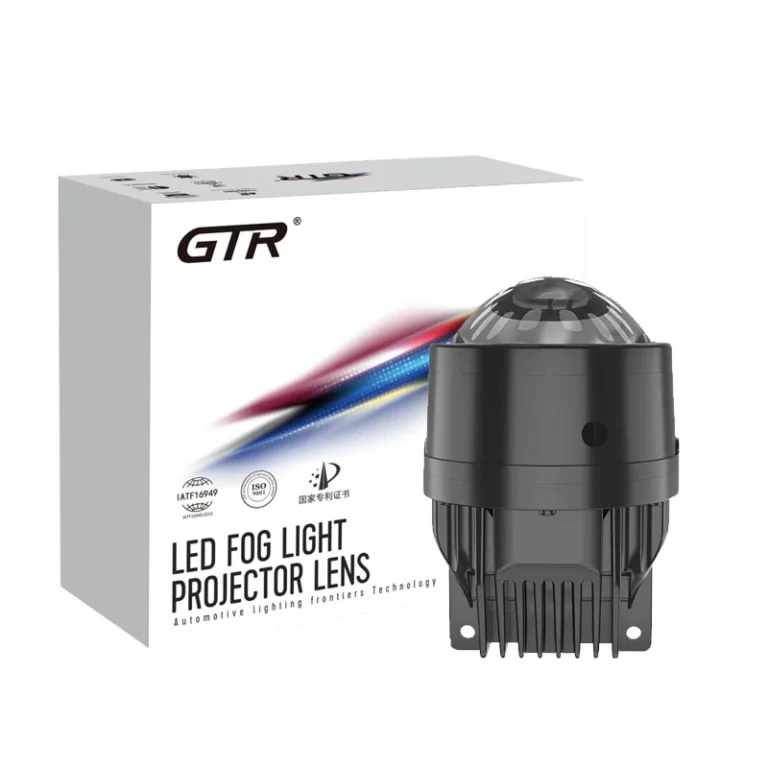
O Problema: Faróis de Neblina Padrão Criam Mais Perigo do que Resolvem
Aqui está a verdade brutal que a maioria dos motoristas descobre tarde demais: faróis de neblina brancos convencionais muitas vezes pioram a visibilidade ruim.
Faróis de neblina halógenos ou LED padrão emitem luz na faixa de temperatura de cor de 5000K a 6500K—branco frio ou até mesmo luz azulada. Em condições claras, isso parece nítido e moderno. Em névoa, chuva ou neve, é um desastre. Veja por quê.
A névoa consiste em milhões de minúsculas gotículas de água suspensas no ar. Quando a luz branca atinge essas gotículas, ela se espalha em todas as direções—um fenômeno chamado retroespalhamento. Essa luz espalhada reflete diretamente de volta aos seus olhos, criando aquele véu ofuscante que você já experimentou. Quanto mais brilhantes suas luzes, pior o ofuscamento. Você está essencialmente iluminando a própria névoa em vez da estrada sob ela.
Seus faróis de neblina de fábrica não foram projetados para isso. Eles foram projetados para atender aos requisitos regulatórios mínimos e parecer bons no showroom. Em névoa pesada do mundo real, eles criam um ciclo de feedback perigoso: você os liga esperando melhor visibilidade, mas o ofuscamento na verdade reduz sua visão útil.
A Física que Você Precisa Entender
A luz amarela tem um comprimento de onda mais longo do que a luz branca ou azul. Isso significa que ela se espalha menos quando atinge gotículas de água no ar.
Pense assim: luz branca é como jogar um punhado de cascalho em uma cerca de tela. Algumas pedrinhas passam, mas a maioria quica de volta em direções aleatórias. Luz amarela é como jogar uma bola de boliche—é mais provável que atravesse direto. O resultado? Menos ofuscamento refletindo de volta para você, e mais luz realmente alcançando a superfície da estrada onde você precisa.
Em condições de névoa densa, essa dispersão reduzida pode melhorar dramaticamente o contraste. Marcas de faixa, bordas de estrada e obstáculos se tornam discerníveis em vez de desaparecerem na névoa branca. A luz amarela também produz menos cansaço visual, reduzindo a fadiga do motorista durante longas viagens em mau tempo.
Fabricantes de veículos europeus entenderam isso por décadas—é por isso que faróis de neblina amarelos seletivos eram historicamente comuns em veículos projetados para os invernos nebulosos do continente.
A Agitação: O que Acontece Quando Você se Contentar com Faróis de Neblina Inferiores
Let’s be direct about the stakes here.
Every winter, multi-vehicle pileups on fog-shrouded highways claim lives and destroy vehicles. In many cases, drivers had their fog lights on. They just had the wrong fog lights.
White fog lights illuminate a wider area and offer better clarity when conditions are only moderately bad—light fog, mist, or light rain. But when visibility drops below 100 meters—the point where fog lights are actually legally required in many jurisdictions—white light becomes a liability.
You’re driving through dense fog. Your white fog lights are on. The glare is so intense you can barely see 20 feet ahead. You slow down. The car behind you doesn’t. Or you miss a curve. Or you can’t see the disabled vehicle on the shoulder until it’s too late.
This isn’t fear-mongering. This is the reality of driving with the wrong equipment in the wrong conditions. The difference between white and yellow fog lights isn’t cosmetic—it’s the difference between seeing the road and seeing nothing but reflected haze.
And here’s the kicker: many drivers don’t even realize they have a choice. They assume the fog lights that came with their vehicle are adequate. They’re not. Factory fog lights are often an afterthought—underpowered halogens with poor beam patterns and color temperatures chosen for appearance rather than performance.
E o Argumento de que “Luzes Amarelas Não Funcionam”?
You may have read that yellow light doesn’t technically penetrate fog better than white light. Here’s what that argument misses: penetration isn’t the goal. Reduction of backscatter is.
The research showing “no advantage” typically compares yellow and white light in laboratory conditions using identical beam patterns. In the real world, yellow light reduces the glare that blinds you. It doesn’t need to “penetrate” farther—it needs to reflect menos so your eyes can actually process what’s on the road.
Drivers who’ve made the switch report the same thing: yellow fog lights don’t necessarily let you see mais longe, mas eles permitem que você veja mais claramente no espaço que você já pode alcançar. Essa é a distinção que importa quando você está navegando por uma estrada de montanha enevoada à noite.
A Solução: Por que os Faróis de Neblina Amarelos GTR São a Resposta Definitiva
Você precisa de faróis de neblina que realmente funcionem quando as condições se tornam perigosas. Você precisa de faróis de neblina amarelos projetados para desempenho no mundo real, não para estética de showroom. É exatamente isso que a GTR oferece.
A GTR Lighting está na vanguarda da tecnologia LED automotiva há anos. Em testes independentes frente a frente contra os principais concorrentes—incluindo Diode Dynamics, Morimoto e S-V.4—as lâmpadas LED amarelas GTR Ultra 2.0 demonstraram consistentemente desempenho superior em aplicações de faróis de neblina.
Engenharia que Realmente Importa
Os faróis de neblina amarelos GTR são projetados com uma temperatura de cor precisa de 3000K—o ponto ideal científico para máxima penetração na neblina com mínimo ofuscamento.
Isso não é exagero de marketing. A faixa de 3000K a 3500K é amplamente reconhecida como a temperatura de cor ideal para dirigir em condições climáticas adversas. A luz amarelada nesta temperatura reduz o retroespalhamento e melhora o contraste em pavimento molhado, tornando as marcações de faixa e as bordas da estrada claramente visíveis.
Aqui está o que diferencia a GTR da concorrência:
- Padrão de feixe superior: A óptica de precisão da GTR entrega um feixe amplo e nítido que ilumina a superfície da estrada sem dispersar a luz na neblina. Em testes comparativos, as lâmpadas GTR superaram consistentemente os concorrentes em foco do feixe e saída de luz utilizável.
- Saída amarela verdadeira: Muitas lâmpadas LED “amarelas” usam filtros baratos que desbotam com o tempo. A GTR usa emissores avançados revestidos com fósforo que mantêm uma saída amarela rica e consistente durante toda a vida útil da lâmpada.
- Instalação plug-and-play: Substituição direta para faróis de neblina de fábrica. Sem cortes. Sem emendas. Sem chicotes de fiação complicados. A maioria das instalações leva menos de 30 minutos.
- Construído para durar: Construção em alumínio de grau aeronáutico com gerenciamento térmico avançado previne a degradação do lúmen. A classificação de impermeabilidade IP68 significa que eles sobrevivem ao pior clima.
- Certificação legal para estrada: Em conformidade com SAE, DOT e ECE para uso em estrada na América do Norte e Europa. Você obtém o desempenho sem o risco legal.
Resultados reais de condutores reais
Aqui está o que os clientes reais da GTR relatam—o tipo de feedback que você encontra em fóruns e seções de avaliações, não em materiais de marketing polidos:
“Instalei os faróis de neblina amarelos GTR Ultra 2.0 no meu Tacoma antes de uma viagem de inverno pelas Sierra. Diferença de noite para o dia em comparação com os halógenos originais. Em neve pesada, eu podia realmente ver as marcações da estrada em vez de apenas um borrão branco.” — Proprietário de Tacoma, fóruns TacomaWorld
“Eu dirijo 60 milhas de rodovia costeira com neblina todas as manhãs. Os amarelos GTR cortam a camada marinha como nada que eu já usei. Menos cansaço visual, melhor contraste, e eu realmente me sinto seguro às 6 da manhã agora.” — Proprietário de Focus ST
Estes não são depoimentos pagos. São as experiências reais de motoristas que fizeram a mudança e descobriram o que faróis de neblina amarelos adequados podem fazer.
Faróis de Neblina Amarelos: O que Você Precisa Saber Antes de Comprar
Nem todos os faróis de neblina amarelos são iguais. Aqui está o que procurar:
| Caraterística | O que procurar | Porque é que é importante |
|---|---|---|
| Temperatura de cor | 3000K – 3500K | Faixa ideal para penetração em neblina com brilho mínimo |
| Saída de lúmen | 6000+ lúmens por conjunto | Maior saída = melhor iluminação da estrada, mas o padrão do feixe importa mais do que lúmens brutos |
| Certificação | Em conformidade com SAE/DOT/ECE | Garante legalidade rodoviária e padrão de feixe adequado |
| Classificação de impermeabilidade | IP67 ou IP68 | Protege contra entrada de água em condições climáticas severas |
| Qualidade de construção | Alumínio aeronáutico com resfriamento ativo | Previne superaquecimento e degradação de lúmens |
Faróis de Neblina Amarelos São Legais?
Sim—na maioria das jurisdições, faróis de neblina amarelos são completamente legais para uso rodoviário quando devidamente certificados e usados corretamente.
Faróis de neblina dianteiros devem ser brancos ou amarelos seletivos na maioria das regiões. Na Austrália, faróis de neblina dianteiros devem projetar luz branca ou amarela. Na Europa, o amarelo seletivo é um padrão legal há décadas. Os requisitos principais são:
- Certificação adequada: Procure por marcações SAE, DOT ou ECE no alojamento
- Padrão de feixe correto: Faróis de neblina devem produzir um feixe baixo e largo que não ofusque o tráfego em sentido contrário
- Uso apropriado: Faróis de neblina devem ser usados apenas em condições de visibilidade reduzida—neblina, chuva forte, neve ou poeira
Produtos rotulados como “uso off-road apenas” podem não atender aos requisitos de legalidade rodoviária. Sempre verifique a certificação antes de comprar.
Perguntas Frequentes Sobre Faróis de Neblina Amarelos
Faróis de neblina amarelos são melhores que os brancos?
Faróis de neblina amarelos são geralmente melhores para neblina densa, chuva forte e neve porque reduzem o ofuscamento e melhoram o contraste. Faróis de neblina brancos podem oferecer melhor visibilidade em condições claras ou moderadamente ruins. Para motoristas que encontram frequentemente condições climáticas severas, o amarelo é a escolha mais inteligente.
Posso apenas colocar um tom amarelo nos meus faróis de neblina existentes?
Você pode, mas não é o mesmo que faróis de neblina amarelos adequados. O filme ou tonalidade amarela reduz a saída geral de luz ao filtrar outros comprimentos de onda. Lâmpadas LED amarelas dedicadas produzem um feixe verdadeiro de 3000K sem perda de luz. Muitos proprietários de Focus ST e Tacoma que começaram com tonalidade eventualmente atualizaram para LEDs amarelos adequados para melhor desempenho.
Qual temperatura de cor é melhor para faróis de neblina amarelos?
3000K a 3500K é a faixa ideal para faróis de neblina amarelos. Isso produz um âmbar-amarelo quente que corta a neblina de forma eficaz sem ser muito fraco.
Os faróis de neblina amarelos funcionarão com o sistema CANBUS do meu veículo?
Faróis de neblina LED amarelos de qualidade de fabricantes respeitáveis como a GTR incluem compatibilidade CANBUS integrada. Alternativas baratas podem acionar códigos de erro ou piscar. Sempre verifique a compatibilidade antes de comprar.
Quanto tempo duram os faróis de neblina LED amarelos?
Faróis de neblina LED amarelos premium geralmente duram de 30.000 a 70.000 horas. Isso são anos de uso regular sem substituição. Alternativas halógenas podem precisar de substituição anualmente.
Os faróis de neblina amarelos são legais na Austrália?
Sim. Os regulamentos australianos exigem que os faróis de neblina dianteiros projetem luz branca ou amarela. No entanto, eles só podem ser usados em condições de visibilidade reduzida. Verifique os requisitos específicos do seu estado antes da instalação.
Qual é a diferença entre faróis de neblina âmbar e amarelos?
Os termos são frequentemente usados de forma intercambiável. “Amarelo seletivo” geralmente se refere à faixa de 3000K usada em faróis de neblina. “Âmbar” pode se referir à faixa de 2000K-2500K usada em indicadores de direção. Para faróis de neblina, mire em amarelo 3000K-3500K.
Não Espere Até a Próxima Névoa Chegar
Você conhece a sensação—aquele momento de impotência quando a neblina engole seus faróis e você dirige às cegas. Você não precisa passar por isso de novo.
Os faróis de neblina amarelos GTR são projetados para cortar as piores condições climáticas. Eles são testados contra a concorrência e comprovadamente oferecem padrões de feixe superiores, saída verdadeira de 3000K e certificação legal para estrada. A instalação leva minutos. A paz de espírito dura anos.
Cada dia que você espera é mais um dia dirigindo com faróis de neblina que não funcionam de verdade na neblina.
Visitar GTR Lighting para encontrar a solução certa de farol de neblina amarelo para o seu veículo. Veja a diferença. Dirija com confiança. Chegue em segurança.