A farol de LED automotivo a atualização deve tornar a condução noturna mais segura e fácil. No entanto, muitos motoristas instalam uma lâmpada de LED mais brilhante e acabam com cintilação, erros no painel, visão de longa distância fraca, feixes dispersos, superaquecimento ou um farol que não funciona de forma alguma. O problema muitas vezes não é o chip de LED em si. É como a fonte de luz, óptica, driver, sistema de refrigeração e eletrônica do veículo trabalham juntos.
Essa diferença importa. Um farol pode parecer extremamente brilhante contra uma parede de garagem, mas ter um desempenho ruim em uma rodovia escura. Pode criar luz de primeiro plano intensa, mas não projetar iluminação útil suficientemente à frente. Pior, um padrão de feixe ruim pode enviar brilho excessivo para outros motoristas.
Com base em nossos anos de experiência em fabricação de iluminação automotiva na GTR, acreditamos que uma atualização confiável deve ser tratada como um sistema óptico e elétrico completo, em vez de uma simples substituição de lâmpada.
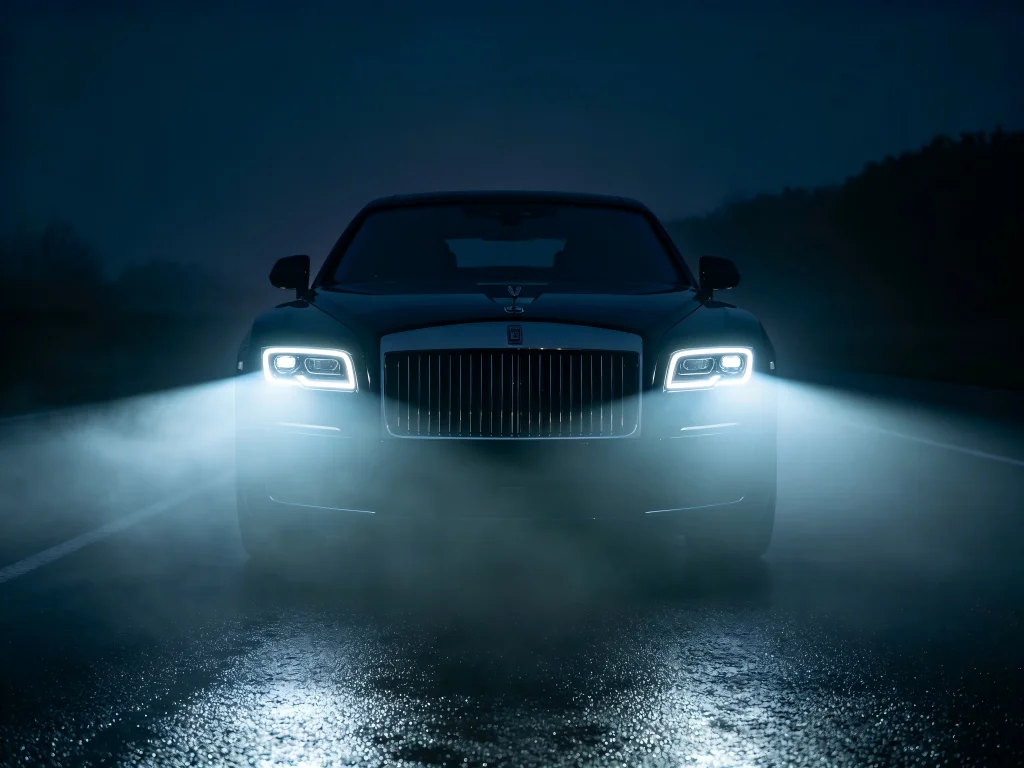
Por que um upgrade automotivo de farol de LED pode ter um desempenho ruim?
Um farol de LED automotivo pode ter um desempenho ruim quando a posição do emissor de LED não corresponde ao ponto focal óptico original, o alojamento não consegue controlar a nova fonte de luz, o calor não é removido de forma eficiente ou a eletrônica do veículo não consegue se comunicar corretamente com o driver de LED. Mais lúmens sozinhos não resolvem esses problemas.
Este é o primeiro erro que muitos compradores cometem. Eles comparam produtos de LED pelo fluxo luminoso anunciado, potência ou temperatura de cor. Esses números são fáceis de entender. Eles também são incompletos.
Um farol é um sistema óptico.
O LED produz luz. O refletor ou projetor coleta essa luz. A lente a molda. O corte controla o ofuscamento. O sistema de refrigeração controla a temperatura da junção do LED. O driver estabiliza a energia elétrica. A eletrônica do veículo pode monitorar o circuito para falhas.
Se uma parte falhar, todo o sistema pode ter desempenho inferior.
O problema real: brilho nem sempre significa que você pode ver mais longe
A iluminação automotiva útil depende de onde a luz atinge a estrada, não simplesmente de quanta luz o LED produz. Um feixe bem projetado coloca iluminação controlada em zonas críticas de condução, limitando o ofuscamento. A geometria ruim do LED pode criar luz de primeiro plano brilhante, mas visibilidade de longo alcance mais fraca e um corte instável.
Imagine dirigir a 100 km/h em uma rodovia sem iluminação.
Uma lâmpada de farol de LED automotivo de baixa qualidade pode fazer com que os primeiros 20 metros à frente do veículo pareçam extremamente brilhantes. Seus olhos se adaptam a esse primeiro plano brilhante. Objetos mais adiante na estrada podem então parecer relativamente mais escuros.
O motorista pensa:
“Estes faróis são incrivelmente brilhantes.”
Mas o brilho próximo ao veículo não é o mesmo que distância de visão utilizável.
É por isso que engenheiros profissionais de iluminação automotiva prestam muita atenção à distribuição do feixe, posição focal, qualidade do corte, localização do ponto quente, estabilidade térmica e compatibilidade óptica.
A posição do chip de LED muda todo o feixe de luz
Um filamento halógeno é pequeno e localizado em uma posição cuidadosamente definida dentro da lâmpada. O refletor ou projetor foi projetado em torno desse ponto de emissão de luz.
Substitua o filamento por chips de LED que sejam muito largos, muito grossos, muito para frente ou muito para trás, e a geometria óptica muda.
O resultado pode incluir:
- Luz dispersa acima do corte
- Um ponto quente fraco ou distorcido
- Áreas escuras dentro do feixe
- Brilho excessivo em primeiro plano
- Iluminação de longa distância reduzida
- Ofuscamento para o tráfego que se aproxima
Isso explica por que dois lâmpadas de farol de LED para carro com potência semelhante podem produzir desempenho rodoviário completamente diferente.
Problema #2: Farol de LED não funciona após a instalação
Pesquisando por farol de LED não funciona geralmente significa que a instalação chegou a um ponto frustrante: a lâmpada encaixa, o conector parece correto, mas a lâmpada pisca, desliga, aciona um erro ou não produz luz.
Não presuma que o LED falhou.
O sistema elétrico deve ser diagnosticado passo a passo.
1. Verifique a polaridade
LEDs são dispositivos eletrônicos sensíveis à polaridade. Alguns conectores de veículos podem permitir que um plugue encaixe enquanto a orientação positiva e negativa não corresponde ao que o driver de LED espera.
Se a lâmpada não acender, a polaridade é um dos primeiros itens que vale a pena verificar quando o produto e o design do veículo permitirem.
2. Verifique o conector e o adaptador
Um código de lâmpada como H7 nem sempre significa que a instalação será idêntica em todos os veículos.
Alguns carros usam:
- Clipes de retenção especiais
- Suportes de lâmpada específicos do veículo
- Soquetes incomuns
- Espaço limitado na carcaça traseira
- Adaptadores de fábrica
- Disposições de fiação integradas
Um LED H7 tecnicamente correto pode, portanto, ainda exigir um adaptador.
3. Verifique o CANbus e o monitoramento da lâmpada
Os veículos modernos podem monitorar circuitos de iluminação verificando a carga elétrica ou enviando pulsos de diagnóstico.
Um LED normalmente consome energia de forma diferente de uma lâmpada halógena. O veículo pode interpretar essa diferença como uma lâmpada com defeito.
Os sintomas possíveis incluem:
- Avisos de lâmpada no painel
- Cintilação
- Efeito estroboscópico durante a partida
- LEDs permanecendo levemente acesos após o desligamento
- Uma lâmpada desligando
- Operação intermitente
Um driver compatível, decodificador ou solução específica para o veículo pode ser necessário. No entanto, adicionar resistência sem entender o circuito não é ideal, pois componentes resistivos podem gerar calor significativo.
4. Verifique a estabilidade da tensão
O chip de LED precisa de energia elétrica controlada. Essa é a função do driver.
Um driver barato pode funcionar normalmente em uma bancada de testes, mas se comportar de forma diferente dentro de um veículo real, onde podem estar presentes variações de tensão, ruído elétrico, eventos de partida e sinais de controle.
Para produtos profissionais de faróis de LED automotivos a qualidade do driver merece quase tanta atenção quanto a qualidade do chip de LED.
Problema #3: Seu LED está lentamente se cozinhando
Os LEDs são eficientes, mas ainda geram calor no semicondutor e nos componentes eletrônicos. Esse calor deve ser afastado das áreas sensíveis.
Se a resistência térmica for muito alta, a temperatura aumenta.
À medida que a temperatura aumenta, o desempenho do LED pode cair e os componentes eletrônicos podem envelhecer mais rápido.
Isso cria um padrão comum no mundo real:
Nova lâmpada → brilho impressionante → operação prolongada → acúmulo de calor → redução da saída de luz → vida útil mais curta.
É por isso que não avaliamos um farol de LED automotivo apenas no primeiro minuto após a inicialização.
Resfriamento com ventoinha vs. resfriamento passivo
| Design de resfriamento | Vantagens | Possíveis fraquezas | Melhor método de avaliação |
|---|---|---|---|
| Ventilador ativo | Alto potencial de remoção de calor em designs compactos | Qualidade do ventilador, poeira, ruído, vida útil das peças móveis | Teste térmico de longa duração |
| Dissipador de calor de alumínio | Simples, sem peças móveis | Requer área de superfície e fluxo de ar suficientes | Medir temperatura estabilizada |
| Caminho térmico de cobre | Transferência rápida de calor | Custo de design e fabricação | Testar transferência de calor sob carga total |
| Design térmico híbrido | Pode combinar tamanho compacto e forte resfriamento | Engenharia mais complexa | Validação térmica do sistema completo |
Para contexto técnico sobre gerenciamento térmico de LEDs automotivos, compradores também podem revisar orientações da Recursos técnicos de iluminação automotiva HELLA.
Problema #4: Uma temperatura de cor alta parece moderna, mas tem desempenho pior em mau tempo
Muitos consumidores associam luz branco-azulada a desempenho.
Isso cria uma tentação de marketing poderosa: aumentar a temperatura de cor porque a lâmpada parece mais branca ou azulada durante uma demonstração em showroom.
Mas as condições da estrada não são um showroom.
Chuva, asfalto molhado, neblina, sinalização viária, contraste, idade do motorista, condição do para-brisa e iluminação ambiente afetam a visibilidade percebida.
Para muitas aplicações rodoviárias, uma saída de luz branca equilibrada tende a ser mais prática do que buscar uma aparência azul extrema.
O que os compradores devem avaliar em vez disso?
- Padrão de feixe e qualidade do corte
- Precisão do foco óptico
- Saída estável após estabilização térmica
- Confiabilidade do driver
- Compatibilidade com o veículo
- Consistência de cor
- Ajuste do alojamento e folga da tampa de proteção
- Proteção contra água e poeira
- Requisitos regulamentares específicos da aplicação
Problema #5: A lâmpada encaixa, mas a tampa de proteção contra poeira não
Este problema é mais comum do que muitas listagens de produtos sugerem.
Uma lâmpada de LED pode usar a base correta H4, H7, H11, 9005 ou 9006 e ainda assim não se encaixar no conjunto completo do farol.
Por quê?
O LED pode ter um ventilador grande, dissipador de calor, driver externo, módulo CANbus ou conjunto de cabos atrás da lâmpada.
Se a tampa traseira contra poeira não fechar corretamente, o instalador enfrenta uma escolha ruim: forçar as peças para dentro, modificar o alojamento ou deixar a tampa aberta.
Nenhuma é ideal.
Um alojamento aberto ou mal vedado pode permitir a entrada de umidade e contaminação na lâmpada.
Para distribuidores, isso pode se tornar um problema de garantia oculto. Um produto pode parecer lucrativo quando comprado, mas reclamações de instalação, devoluções, adaptadores e mão de obra técnica podem destruir a margem.
Como diagnosticamos um farol de LED que não está funcionando
Comece com as variáveis mais simples antes de substituir peças. Confirme a especificação da lâmpada, conector, polaridade, instalação física, fonte de alimentação e sistema de monitoramento do veículo. Em seguida, teste o driver e a unidade de LED. Esse processo ajuda a separar uma lâmpada defeituosa de um problema de compatibilidade do veículo ou de instalação.
- Confirme o tipo de lâmpada original. Não confie apenas em uma lista de veículos online.
- Inspecione o soquete. Procure por contatos danificados, corrosão, superaquecimento ou conexões soltas.
- Confirme a polaridade e a alimentação. Verifique se o driver recebe a entrada esperada.
- Troque as unidades esquerda e direita. Se o problema seguir a lâmpada, o sistema de LED merece uma inspeção mais detalhada.
- Verifique o comportamento do monitoramento do veículo. Cintilação ou avisos podem indicar um problema de compatibilidade eletrônica.
- Inspecione o espaço de instalação. Certifique-se de que cabos, drivers e dissipadores de calor não estejam esmagados.
- Execute um teste térmico. Uma lâmpada que funciona fria e falha quente pode ter um problema térmico ou de driver.
- Verifique o alinhamento do feixe. A operação elétrica não garante o desempenho óptico correto.
Por que lâmpadas de farol automotivo de LED baratas se tornam caras
Para um driver individual, uma lâmpada queimada é inconveniente.
Para um importador, atacadista ou cadeia de modificação, é um problema de negócio.
Considere o custo real:
Custo do produto + frete internacional + mão de obra de instalação + solução de problemas + frete de reposição + manuseio de garantia + insatisfação do cliente.
Uma economia de $5 na fábrica pode desaparecer após uma reclamação de garantia difícil.
É por isso que compradores B2B experientes tendem a ir além do preço unitário quando entendem a categoria.
Eles fazem perguntas melhores.
Quão estável é o driver?
Quão consistente é o feixe de lote para lote?
O que acontece após uma hora de operação?
A lâmpada cabe atrás da tampa de proteção de fábrica?
Quais veículos exigem adaptadores?
O fabricante pode apoiar a marca própria e embalagens específicas do mercado?
Com que rapidez a equipe técnica pode diagnosticar um problema em campo?
Essas perguntas separam um produto de iluminação de um programa de iluminação.
A Abordagem GTR: Projete o Sistema de Iluminação Completo
Na GTR, nosso foco é iluminação automotiva de reposição para mercados profissionais. Nosso trabalho com distribuidores, atacadistas e empresas de retrofit nos ensinou uma lição simples: a especificação impressa na caixa é apenas o começo.
Prestamos atenção à relação entre:
- Geometria do emissor LED
- Posição focal óptica
- Distribuição do feixe
- Gestão térmica
- Estabilidade do driver
- Espaço de instalação do veículo
- Compatibilidade elétrica
- Consistência de produção
Essa abordagem em nível de sistema é especialmente valiosa para compradores que estão construindo uma linha de produtos em vez de comprar um par de lâmpadas.
Para Atacadistas e Distribuidores
Um distribuidor precisa de mais do que brilho.
Você precisa de qualidade previsível em centenas ou milhares de unidades. Você precisa de informações claras de aplicação. Você precisa de embalagens que funcionem no seu mercado. Você precisa de um fornecedor que possa discutir problemas de engenharia em vez de simplesmente substituir unidades defeituosas.
Dependendo do projeto, a GTR pode trabalhar com compradores profissionais na seleção de produtos, branding, embalagem, correspondência de aplicação e requisitos de OEM/ODM.
Para Oficinas de Retrofit e Modificação
Tempo de instalação é dinheiro.
Um produto tecnicamente mais forte deve ajudar os técnicos a reduzir solução de problemas desnecessária e fornecer aos clientes um resultado mais limpo e mais repetível.
Isso significa selecionar a solução óptica correta em vez de instalar automaticamente o maior número de lúmens anunciado.
E Sobre Pesquisas de Fornecimento Automotivo de Faróis de LED?
Pesquisas como led headlamp auto supply ou led headlamp auto supply sdn bhd podem vir de compradores que procuram um fornecedor malaio específico, distribuidor local ou fonte de iluminação automotiva.
Para equipes de compras, no entanto, a localização do fornecedor deve ser apenas uma parte da decisão.
Avalie se o seu fornecedor pode fornecer:
- Qualidade de produção consistente
- Especificações técnicas
- Rastreabilidade de lote quando necessário
- Suporte de aplicação
- Prazos de entrega estáveis
- Capacidade OEM/ODM
- Procedimentos de garantia
- Personalização de embalagem
- Controle de qualidade pré-embarque
Se você importa em grande escala, esses fatores podem importar mais do que uma pequena diferença no preço unitário.
FAQ: Problemas Automotivos com Faróis de LED
Por que meu farol de LED não está funcionando?
As causas possíveis incluem polaridade invertida, conector incompatível, driver defeituoso, alimentação instável, monitoramento de lâmpadas do veículo, compatibilidade relacionada a CANbus, fiação danificada ou lâmpada instalada incorretamente. Teste o sistema elétrico sistematicamente antes de assumir que o chip de LED falhou.
Por que meu farol de LED pisca?
A cintilação pode ocorrer quando o veículo envia pulsos de diagnóstico ou quando o driver de LED não funciona corretamente com o sistema elétrico do veículo. Conexões ruins e tensão instável também podem causar cintilação.
Por que meus faróis de LED são brilhantes, mas difíceis de enxergar com eles?
O feixe pode estar colocando muita luz perto do veículo ou espalhando luz fora da zona de condução útil. Verifique a geometria focal do LED, orientação da lâmpada, compatibilidade do alojamento, corte, ponto quente e alinhamento do farol.
Mais lúmens são sempre melhores?
Não. A saída de lúmens brutos não descreve a qualidade do feixe. A iluminação útil da estrada depende de óptica, distribuição de intensidade, precisão focal, estabilidade térmica e alinhamento.
Qual temperatura de cor é melhor para um farol de LED veicular?
Não há um único número para cada aplicação. Uma cor branca prática tende a oferecer um melhor equilíbrio entre aparência moderna e visibilidade utilizável do que luz extremamente azul. Regulamentações locais também devem ser consideradas.
Posso colocar lâmpadas de farol automotivo de LED em qualquer invólucro de halogênio?
Não automaticamente. O ajuste físico não prova compatibilidade óptica ou legal. O alojamento foi projetado em torno de uma geometria específica da fonte de luz, portanto, o padrão de feixe resultante deve ser avaliado cuidadosamente.
Faróis de LED precisam de resfriamento?
Sim. Os LEDs geram calor no semicondutor e na eletrônica, mesmo que o feixe emitido contenha muito menos energia infravermelha do que uma lâmpada halógena. A transferência de calor eficaz ajuda a manter a saída estável e a vida útil.
Faróis de LED de reposição são legais?
As regras variam por país e aplicação. Os compradores devem verificar a configuração completa do farol ou retrofit em relação aos regulamentos aplicáveis, em vez de assumir que uma lâmpada marcada como “DOT”, “ECE” ou “legal para estrada” é automaticamente aprovada para cada invólucro e veículo. Para requisitos dos EUA, consulte orientação da NHTSA e FMVSS No. 108. Para mercados internacionais, verifique os regulamentos de iluminação veicular UNECE.
Pare de Resolver Problemas de Faróis Uma Lâmpada de Cada Vez
Se você é um distribuidor, atacadista de iluminação automotiva, rede de retrofit ou importador profissional, o maior risco não é comprar um LED ligeiramente menos brilhante do que o esperado.
O maior risco é construir sua linha de produtos em torno de especificações impressionantes que falham quando veículos reais, calor real, óptica real e clientes reais entram na equação.
A GTR desenvolve soluções de iluminação automotiva tendo essas condições em mente.
Se seus produtos LED atuais geram muitos reclamações sobre padrão de feixe, calor, compatibilidade CANbus, instalação ou qualidade inconsistente, não espere até que outro envio transforme esses problemas em custos de garantia.
Traga-nos suas aplicações de veículos-alvo, requisitos de mercado, problemas atuais de produtos e volume de pedidos esperado. A GTR pode ajudá-lo a avaliar uma solução de farol LED mais confiável para seu negócio de distribuição ou retrofit.
Explore as soluções de iluminação automotiva da GTR e inicie seu próximo projeto através do site oficial da GTR.