Conta com as suas luzes halógenas todos os dias. Quer estejam a iluminar a estrada à sua frente durante o seu trajeto noturno ou a iluminar a sua oficina durante um projeto crucial, espera que funcionem. Mas eis a verdade incómoda que a maioria dos fabricantes não lhe dirá: as suas luzes halógenas estão a custar-lhe muito mais do que imagina — em tempo, dinheiro e segurança.
Há anos que nos dedicamos ao fabrico de iluminação automóvel e temos assistido ao surgimento repetido das mesmas frustrações. O cintilar. A queima prematura. O padrão de feixe de luz dececionante que nos obriga a espreitar no escuro. Não se trata de defeitos isolados — são limitações fundamentais da tecnologia halogénea que a maioria dos condutores e profissionais simplesmente aprende a tolerar.
O problema: as suas luzes halógenas estão a prejudicá-lo
As lâmpadas halógenas duram normalmente apenas entre 450 e 1 000 horas de utilização ativa — o que significa que terá de as substituir várias vezes por ano em condições normais de condução. Isso não é um plano de manutenção; é uma despesa recorrente que o mantém preso a ciclos de substituição.
Pense na última vez que uma lâmpada avariou. Estava numa autoestrada escura? A entrar na sua entrada de garagem a altas horas da noite? Talvez estivesse no meio de um local de obra quando as luzes de trabalho se apagaram de repente. A frustração não se deve apenas à lâmpada — tem a ver com ficar no escuro quando mais precisa de luz.
O que se passa realmente no interior das vossas lâmpadas halógenas
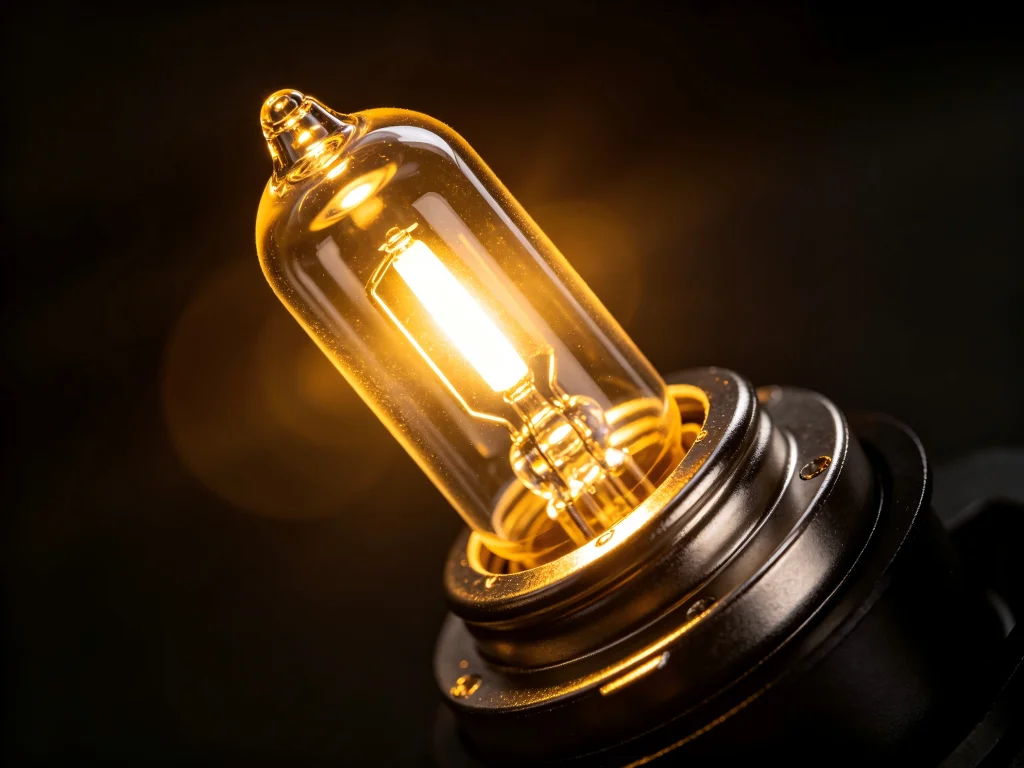
Uma lâmpada halogénea é, essencialmente, uma fonte de luz incandescente. No interior do invólucro de vidro, um filamento de tungsténio é aquecido por uma corrente elétrica até brilhar, produzindo luz. Uma pequena quantidade de gás halogéneo — normalmente iodo ou bromo — ajuda a reciclar o tungsténio evaporado de volta para o filamento, através do chamado ciclo halogéneo.
Mas há um senão: este ciclo só funciona dentro de um intervalo de temperatura muito restrito. Se tocar no vidro com os dedos nus durante a instalação, os resíduos de óleo criam pontos quentes que aceleram a avaria. Se a lâmpada funcionar a uma tensão ligeiramente superior à ideal, o filamento degrada-se mais rapidamente. O ciclo halogéneo não é à prova de falhas — é um equilíbrio delicado que a maioria das condições do mundo real perturba.
Mesmo quando funcionam na perfeição, as lâmpadas halógenas convertem até 85% da sua energia em calor, em vez de luz. Isso significa que, por cada dólar que se gasta em eletricidade, apenas cerca de 15 cêntimos são efetivamente utilizados para produzir iluminação. O resto? Está, literalmente, a transformar-se em calor.
A agitação: por que é que este problema é mais grave do que se pensa
Os problemas com as lâmpadas halógenas não se limitam à curta vida útil e à baixa eficiência. Vamos ver o que realmente acontece quando as suas lâmpadas halógenas não têm o desempenho esperado.
Estás a pagar mais do que imaginas
Uma lâmpada halogénea pode custar menos inicialmente — normalmente entre $20 e $30 por lâmpada —, mas é preciso ter em conta o custo total de propriedade. Quando se tem de substituir as lâmpadas a cada 450 a 1 000 horas, os custos de substituição acumulam-se rapidamente. Acrescente a isso o incómodo de avarias inesperadas e essa lâmpada “barata” começa a parecer cara.
Compare isso com a tecnologia LED. Um LED de qualidade pode durar entre 10 000 e 25 000 horas — 5 a 15 vezes mais do que uma lâmpada halogénea —, consumindo cerca de 75% menos eletricidade. A conta é simples: as lâmpadas halogéneas são uma opção pouco vantajosa a qualquer horizonte temporal razoável.
As implicações em termos de segurança são reais
A diminuição da intensidade luminosa é outro custo oculto. As lâmpadas halógenas não avariam de repente — a sua intensidade diminui gradualmente. A intensidade luminosa diminui com o tempo, à medida que o filamento se desgasta e o invólucro de vidro escurece. Pode não notar a diferença de uma semana para a outra, mas o efeito cumulativo significa que está a conduzir ou a trabalhar com menos luz do que pensa.
No que diz respeito às aplicações automóveis, isto é particularmente preocupante. Os faróis halogéneos produzem uma luz mais quente e amarelada em comparação com as alternativas modernas — e essa temperatura de cor afeta a capacidade de ver as marcações rodoviárias, os obstáculos e os potenciais perigos em condições de pouca luz. Em estradas rurais mal iluminadas, cada lúmen conta.
Em ambientes industriais, os riscos são ainda maiores. Luzes halógenas que piscam ou perdem intensidade podem indicar uma instalação elétrica pouco fiável, circuitos deficientes ou uma conversão de tensão defeituosa. Não se trata apenas de incómodos — são sinais de alerta de que algo no seu sistema elétrico não está bem.
O prazo regulamentar está a esgotar-se
Muitas regiões estão a eliminar gradualmente a iluminação halogénea. O Reino Unido já aprovou proibições relativas às lâmpadas halógenas no âmbito dos esforços de redução das emissões de carbono, e outros mercados estão a seguir o exemplo. Mesmo nos casos em que as lâmpadas halógenas continuam a ser legais, aplicam-se restrições: as lâmpadas halógenas para automóveis com temperaturas de cor superiores a 4200 K não são autorizadas na estrada em muitas jurisdições, uma vez que a tonalidade azulada pode confundir os outros condutores.
Não se trata apenas de uma tecnologia desatualizada — trata-se de uma tecnologia que as entidades reguladoras estão a trabalhar ativamente para eliminar.
A solução: Por que razão as alternativas halógenas da GTR são a resposta que procura
Eis a boa notícia: já não tem de continuar a aturar estes problemas. Em GTR, passámos anos a desenvolver soluções de iluminação que dão resposta a cada um destes pontos críticos.
A nossa abordagem não consiste em melhorar marginalmente a tecnologia halogénea — trata-se, sim, de ultrapassar as suas limitações fundamentais. Combinamos um controlo de qualidade rigoroso, materiais de qualidade superior e engenharia avançada para oferecer uma iluminação que funcione realmente da forma que precisa.
O que distingue a GTR
Com base nos nossos anos de experiência na área da produção, identificámos três fatores essenciais que distinguem uma iluminação fiável de uma fonte de frustração constante:
- Gestão térmica superior: O calor é o inimigo de qualquer sistema de iluminação. Os nossos projetos incorporam sistemas avançados de dissipação de calor que mantêm os componentes a funcionar dentro de intervalos de temperatura ideais, prolongando a vida útil e garantindo um rendimento constante.
- Engenharia ótica de precisão: A luz não se resume apenas ao brilho — tem a ver com o local para onde essa luz se dirige. Os nossos sistemas óticos proporcionam uma iluminação focada e útil exatamente onde é necessária, eliminando os padrões dispersos e irregulares que caracterizam os produtos de qualidade inferior.
- Garantia de qualidade rigorosa: Todos os componentes são submetidos a testes exaustivos antes de saírem das nossas instalações. Não enviamos produtos que não tenham demonstrado o seu desempenho em condições reais.
Resultados reais de utilizadores reais
Não se limite a acreditar na nossa palavra. Em fóruns sobre automóveis e debates do setor, profissionais e entusiastas relatam consistentemente a mesma experiência com alternativas de qualidade ao halogéneo: menos substituições, melhor visibilidade e verdadeira tranquilidade.
O proprietário de uma oficina resumiu a situação da seguinte forma: “Eu tinha de substituir as lâmpadas halógenas de trabalho a cada poucos meses. Desde que passei a utilizar as soluções da GTR, não toquei numa única lâmpada há mais de um ano. A qualidade da luz é melhor e a minha conta de eletricidade baixou significativamente.”
Outro condutor partilhou: “Conduzir à noite costumava ser uma tarefa árdua. A diferença na visibilidade é como a noite e o dia — literalmente. Só me apercebi do quanto estava a comprometer a minha segurança quando experimentei o que é realmente uma iluminação adequada.”
O seu caminho para uma melhor iluminação começa aqui
Tem uma escolha. Pode continuar a substituir lâmpadas, a tolerar a diminuição da intensidade da luz e a cruzar os dedos sempre que ligar um interruptor. Ou pode optar por uma iluminação que funcione de verdade.
Em GTR, não nos limitamos a vender produtos — oferecemos soluções para os problemas que o têm vindo a frustrar há anos. A nossa equipa compreende a engenharia, as aplicações e as condições reais que mais importam aos nossos clientes.
Pronto para deixar de ter problemas com as luzes? Visite a GTR ainda hoje e descubra a diferença que uma iluminação de nível profissional faz. O seu tempo, dinheiro e segurança valem a pena.
Perguntas frequentes sobre lâmpadas halógenas
Quanto tempo duram normalmente as lâmpadas halógenas?
As lâmpadas halógenas têm, normalmente, uma duração entre 450 e 1 000 horas de utilização ativa, o que é significativamente menos do que as alternativas LED, que podem durar entre 10 000 e 25 000 horas.
Porque é que as minhas luzes halógenas estão sempre a piscar?
O cintilar pode ser causado por uma instalação elétrica pouco fiável, circuitos defeituosos, uma conversão de tensão com falhas ou, simplesmente, por uma lâmpada que está a chegar ao fim da sua vida útil. As ligações soltas na luminária também podem causar um cintilar intermitente.
As luzes halógenas são mais caras de utilizar do que as de LED?
Sim. As lâmpadas halógenas convertem uma elevada percentagem da eletricidade em calor, em vez de luz, o que as torna significativamente menos eficientes. Os LEDs consomem normalmente 75-85% menos energia, produzindo a mesma quantidade de luz.
Posso substituir as minhas lâmpadas halógenas por lâmpadas LED?
Na maioria dos casos, sim — mas a compatibilidade varia consoante a aplicação. Verifique sempre se a lâmpada LED de substituição cumpre as mesmas especificações que a sua lâmpada halogénea original e se está em conformidade com os regulamentos locais aplicáveis ao seu caso de utilização específico.
As lâmpadas halógenas vão ser proibidas?
Várias regiões, incluindo o Reino Unido, aprovaram proibições relativas às lâmpadas halógenas no âmbito de iniciativas de redução das emissões de carbono. Embora as lâmpadas halógenas já existentes ainda possam ser utilizadas, as restrições à produção e à importação de novas unidades são cada vez mais comuns.
As lâmpadas halógenas de alta temperatura de cor são legais?
As lâmpadas halógenas para faróis com temperaturas de cor superiores a 4200 K não são autorizadas para circulação em muitas jurisdições, uma vez que a luz azul pode confundir outros condutores, que podem confundi-la com as luzes de veículos de emergência.
Porque é que as lâmpadas halógenas ficam tão quentes?
As lâmpadas halógenas convertem até 85% da sua energia elétrica em calor, em vez de luz visível. Esta ineficiência é inerente à tecnologia incandescente, que gera luz através do aquecimento de um filamento a temperaturas extremas.