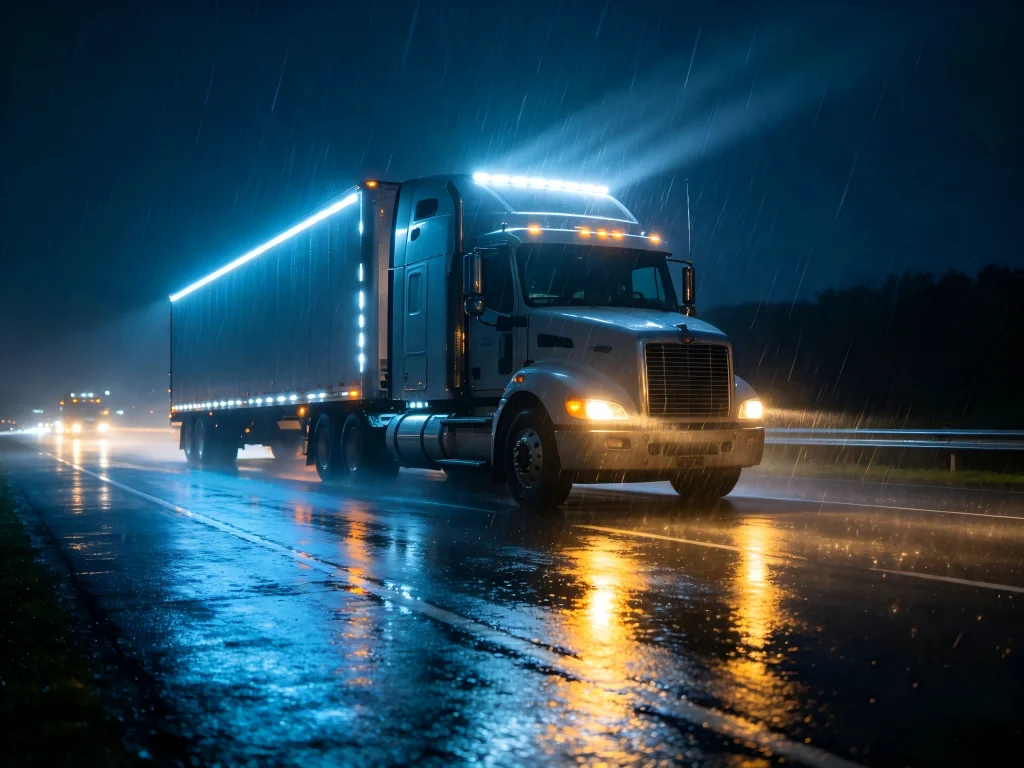
You’re cruising down a dark highway at 65 mph. Your stock headlights cast that familiar dull yellow glow—just enough to see the lane lines, but not nearly enough to spot the deer standing on the shoulder. Then the flickering starts. One headlight dims. The other strobes like a dying fluorescent tube. You’re not just annoyed. You’re unsafe. Truck lighting isn’t just about seeing the road—it’s about getting home alive. And for too many truck owners, the lighting they trust is quietly failing them every single night.
ヘッドライトハウジングに潜む隠れた危機
Most truck owners don’t realize their lighting is underperforming until they’re in a situation where it matters most. The problem isn’t always obvious during the day or under streetlights. But take your truck off the pavement or onto an unlit rural road, and the truth becomes painfully clear.
あなたの工場純正ライトが実際の作業用に作られていない理由
Factory headlights on most trucks project roughly 150 to 250 feet ahead in a narrow cone optimized for oncoming traffic courtesy, not for actual visibility. High beams extend reach to perhaps 350 to 500 feet but still leave your peripheral vision completely dark. On a winding forest trail at 15 mph, where fallen branches and washouts sit just 10 feet off the center line, those peripheral blind spots become a genuine hazard.
This isn’t a design flaw—it’s a compromise. OEM lighting is built to meet minimum regulatory standards at the lowest possible cost. The result? Light that’s adequate for suburban commutes but dangerously insufficient for anyone who actually works their truck.
ライティングが故障していることを示す3つの警告サイン
直接回答: 卡车照明出现故障的三个最常见迹象是:输出变暗,使能见度降低超过50%;闪烁,表明电气不稳定;以及湿气侵入,腐蚀内部部件并导致完全失效。.
以下是要注意的事项:
- 逐渐变暗: 卤素灯泡在其使用寿命期间会损失高达20%的输出。大多数驾驶员没有注意到,因为退化发生得非常缓慢——直到他们突然看不清前方的道路。.
- 闪烁或间歇性工作: 这通常指向接地不良、电压波动或不兼容的CAN总线系统。在我们审查的许多安装案例中,接地不良是唯一最常见的电气问题。.
- 灯壳内部有湿气: 腐蚀是当今卡车灯失效的头号原因。水和除冰化学品通过破裂的透镜或密封不良的连接器进入,一旦湿气进入,失效就不可避免。.
「ただ明るくする」だけでは答えにならない理由
这是大多数卡车车主出错的地方。他们追逐流明数就像追逐马力一样。更多的流明一定意味着更好的能见度,对吗?错。.
在灰尘、雪、雾或雨中,过度不受控制的光会产生后向散射——光从空气中的颗粒反射回你的眼睛。这会降低地形对比度,增加长途驾驶中的眼睛疲劳,并且在高速行驶时实际上会破坏你的深度感知。光束控制不良且向上溢出过多会产生眩光,恶化对向交通的安全。.
重要的不是你的卡车产生了多少光。重要的是 光是如何被控制的——光束图案、截止线、焦点。照明不仅仅是照亮。它是关于控制。.
ビームパターンの問題
大多数廉价的LED升级灯将光线散射到各个方向。当你站在卡车前面时,它们看起来很亮,但在路上,它们提供的是模糊、不聚焦的混乱,实际上降低了可用能见度。如果光束不聚焦或设计不良,高流明的灯仍然可能表现不佳。.
当社のエンジニアリングテストでは、2,000ルーメンのLEDバルブが4,000ルーメンの競合製品を上回る性能を発揮するのを何度も見てきました。それは単にビームの焦点と光学設計が優れているからです。ルーメンは量を測定します。. カンデラは、使用可能な距離と強度を測定します。. 300フィート先の危険を発見しようとするとき、実際に重要なのはその数字です。.
「LEDアップグレード」の90%が状況を悪化させる理由
アフターマーケットには、ありとあらゆることを約束しながら、まぶしさとフラストレーションしか提供しない安価なLEDバルブが溢れています。それらのほとんどが間違っている点は次のとおりです。
- フィラメントの位置が正しくない: 元のハロゲンフィラメントの正確なサイズと配置を模倣していないLEDは、光を不正確に散乱させ、ハウジングが生成するように設計されたビームパターンを台無しにします。.
- 熱管理が不十分: LEDはかなりの熱を発生します。適切なヒートシンクと熱分離がないと、過熱して暗くなり、早期に故障します。.
- CANバス互換性なし: 多くのトラックは、バルブの故障を検出するCANバスシステムを使用しています。互換性のないLEDは、エラーメッセージ、ハイパーフラッシング、またはシステム全体のシャットダウンを引き起こします。.
- シーリングが標準以下: 湿気の侵入は、故障への確実な道です。安価なハウジングは、数ヶ月以内にひび割れて水の侵入を許す劣ったシールを使用しています。.
私たちが話を聞いたあるフリートオペレーターは、予算のLEDバルブを使用して、3台のトラックのフリートのすべてのライトを18ヶ月で2回交換していました。絶え間ないちらつき、エラーコード、早期故障—彼は、初日からプレミアム照明を使用していた場合よりも、交換とダウンタイムに多くの費用を費やしていました。.
実際のトラックオーナーが語ること
私たちは、工場出荷時の照明に苦労していた状態から、適切に設計されたLEDシステムに切り替えた何百人ものトラック所有者から話を聞きました。フィードバックは驚くほど一貫しています:
“「自分が何を逃していたのかわかりませんでした。違いは明るさだけではありません—光の質です。今では道路の路肩が実際に見えます。夜のドライブで目を細めたり、緊張したりすることはもうありません。」” — 車両管理者、12年の長距離運転経験
“「2年間で安物のLEDバルブを3セットも交換しました。ちらつき、減光、そして突然の故障。最後にGTRのUltra 3.0を取り付けてから14ヶ月間、一度も問題がありません。ビームは完璧で、シャープなカットオフライン、グレアなし、鹿が車線に入る前に実際に見えます。」” — オーナーオペレーター、太平洋岸北西部ルート
“「取り付けは簡単でした。夜間運転の違いは文字通り雲泥の差です。妻がすぐに気づきました。彼女は『新しいヘッドライトにしたの?今はちゃんと見えるわ』と言いました。」‘ — 商用トラック運転手、8年の経験
GTR Lightingが他の誰もが間違える点をどう解決するか
GTR Lightingは、道路上で本当に重要なことを理解しているからこそ、トラック用ライトを異なる方法で製造しています。.
実際に機能するビーム精度
GTR Ultra 3.0 LEDバルブは、工場純正のハロゲンフィラメントの正確な位置を再現するデジタル精密LED配置を特徴としています。これにより、トラックのヘッドライトハウジングが光を道路に完璧に焦点を合わせ、シャープなカットオフラインを実現します。散乱もグレアもなく、必要な場所にだけ使える光を届けます。.
Ultra 3.0は、1バルブあたり最大4,700ルーメン、鮮明な5750Kの色温度を提供します。しかし、より重要なのは、ビームが焦点を絞られ制御されていることです。独立したテストでは、Carbideシリーズは最大580ルクスを達成し、純正のロービームより38%明るく、ビームパターンの幅全体にわたってより均一なカバレッジを実現しました。.
故障を防ぐサーマルエンジニアリング
熱はLEDを殺します。それだけです。GTRのカスタムTST 7045チップセットは、LEDダイをドライバー回路とは別の熱プレーンに配置する熱分離技術を使用しています。これが、GTRバルブが同じワット数を消費する競合他社よりも低温で動作し、大幅に長持ちする理由です。.
実際の条件に合わせて構築
すべてのGTR CarbideシリーズヘッドライトはDOT準拠で、包括的な保証が付いています。ハウジングはABSプラスチック構造で、ポリカーボネートレンズにはUV耐性コーティングが施されています。湿気やほこりの侵入を防ぎ、これらのライトは安価な製品を破壊するような過酷な環境にも耐えます。.
GTR Carbideテールライトは、OEMスタイルのハウジングにフルLED機能を備えています。統合されたLEDデイタイムランニングライトは非常に明るく、日中でもトラックの視認性を高めます。多くのモデルには、トラックの外観を現代化し、安全性を高めるフルシーケンシャルLEDターンシグナルが装備されています。.
トラックライティングに関するよくある質問
トラックのライトが点滅し続けるのはなぜですか?
ちらつきは通常、接地不良、電圧変動、またはCANバスシステムとの非互換性を示します。多くの場合、問題は接続不良または湿気のあるプラグ接続です。GTRバルブは、現在道路上のトラックの95%と互換性のある内蔵CANバス統合を備えており、エラーコードやハイパーフラッシングを排除します。.
トラックのLEDライトはどのくらい持ちますか?
高品質のLEDヘッドライトは、30,000〜50,000時間持続します。これはハロゲンバルブの約30倍です。ハロゲンライトは通常、ロービームで約1,000時間、ハイビームで約320時間の寿命です。その違いは単なる利便性だけでなく、ダウンタイムの削減と、車両管理者にとってのCSAスコアの向上です。.
ルーメンとカンデラの違いは何ですか?
ルーメンは光源が生成する光の総量を測定します。カンデラは特定の方向に投影される光の量、つまり有効距離と強度を測定します。適切に設計された低ルーメンシステムでカンデラが強い場合、高ルーメンのフラッドライト設定よりも優れた性能を発揮することがよくあります。トラック用ライトでは、ルーメンよりもカンデラが重要です。.
Are LED truck lights legal?
はい、FMVSS 108の光度要件を満たしている場合に限ります。2024年1月現在、FMVSS 108は、ハロゲンランプと同じ性能基準を満たす高出力LEDライトを明示的に認めています。GTR Carbideシリーズヘッドライトは完全にDOT準拠です。.
Why is my truck lighting getting moisture inside?
湿気は、ひび割れたレンズ、劣化したシール、またはシール不良のコネクタから侵入します。水が入ると、腐食が発生します。高品質のハウジングは、適切なシーリングとUV耐性ポリカーボネートレンズを使用してこれを防ぎます。.
What color temperature is best for truck headlights?
5000K〜5750Kの白色光は、視認性と目の疲れ軽減の最適なバランスを提供します。アンバー光(約3000K)は霧をよりよく透過しますが、知覚されるシャープネスは低下します。ほとんどの用途では、5750Kの白色光が最適なパフォーマンスを提供します—これはまさにGTR Ultra 3.0バルブが提供するものです。.
Can I install LED truck lights myself?
ほとんどのLEDアップグレードバルブは、プラグアンドプレイ設置用に設計されています。ただし、適切な設置には、配線、接地、モジュールの互換性に注意が必要です。GTRバルブは、OEMスタイルのコネクタを使用した簡単な設置用に設計されています。.
Your Truck Deserves Lighting You Can Trust
トラックを購入するのは、甘やかすためではありません。仕事のためです。牽引のためです。天候や時間に関係なく、必要な場所に行くためです。あなたの照明もそのコミットメントに一致する必要があります。.
薄暗くちらつく光の中で目を細めて過ごす夜は、安全性を損なう夜です。6ヶ月で故障する安価なLEDバルブは、無駄な費用と不要なダウンタイムです。長距離運転中の目の疲れは、疲労が蓄積してリスクを高めます。.
GTR Lightingは、マーケティングの誇大広告ではなく、実際のエンジニアリングでこれらの問題を解決する製品を構築します。実際に機能するビームパターン。早期故障を防ぐ熱管理。より劣ったライトを破壊する条件に耐える構造。そして、すべての製品を保証します。.
実際のトラックの使い方に合わせて設計されていない照明に苦労するのはやめましょう。. 訪問 https://www.rhgtr.com GTRのトラック照明ソリューションの全範囲を探索する—Ultra 3.0 LEDバルブからCarbideシリーズの完全なヘッドライトアセンブリまで。エンジニアリングされた照明がもたらす違いをご覧ください。. 次の夜間ドライブはギャンブルであってはなりません。.