Freni bruscamente. Il cuore ti batte forte. Un cervo si blocca in mezzo alla strada, a malapena illuminato dai tuoi fari deboli e giallastri.
Guidare di notte non dovrebbe sembrare un film dell'orrore. Eppure, per innumerevoli automobilisti, ogni tragitto serale è un gioco d'azzardo ad alto rischio. Il problema non è la tua vista. È una tecnologia di illuminazione obsoleta che crea pericolose zone buie, abbagliamento incontrollato e fasci di luce imprevedibili che ti costringono a guidare più lentamente del traffico.
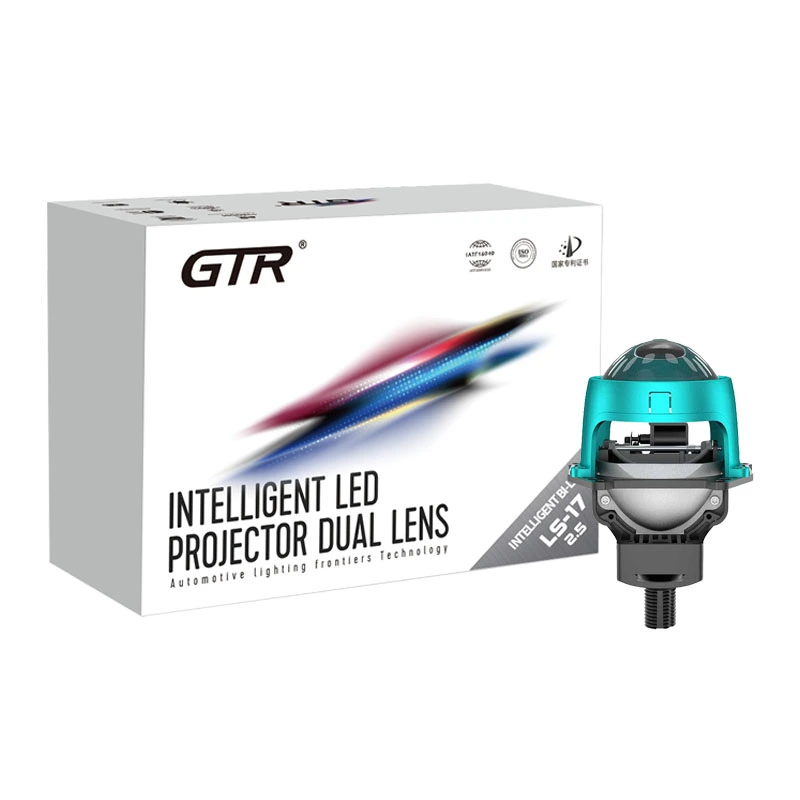
Un proiettore bi-LED mini proiettore bi-LED per fari elimina questi problemi sostituendo la luce sparsa e inaffidabile con un fascio focalizzato e nitidissimo che mette l'illuminazione utilizzabile esattamente dove serve.
Nel nostro laboratorio di test ingegneristico presso GTR, abbiamo visto questa trasformazione centinaia di volte. Quello che segue è la vera storia del perché la tua configurazione attuale fallisce—e di come un vero mini proiettore LED per fari migliora la tua sicurezza, non solo l'aspetto della tua auto.
1. Problema: I tre incubi della guida notturna che affronti ogni sera
I tuoi fari di serie non sono mai stati progettati per le condizioni di guida reali. Sono stati progettati per soddisfare gli standard legali minimi al costo più basso possibile.
Nel momento in cui lasci le strade cittadine ben illuminate, tre specifici difetti diventano pericolosi:
- La trappola della zona buia: I riflettori alogeni proiettano un fascio di luce sparso che lascia ampi vuoti bui su entrambe le banchine. Un pedone o un animale che si trova a soli 15 piedi dalla strada diventa invisibile finché non ci sei quasi sopra.
- La guerra dell'abbagliamento: Le lampadine LED aftermarket ficcate nei proiettori a riflettore diffondono la luce verso l'alto negli occhi dei conducenti che sopraggiungono. Ogni riflesso li costringe a distogliere lo sguardo—direttamente verso la tua corsia.
- Il tetto del tiro corto: Gli anabbaglianti tradizionali raggiungono al massimo circa 150-200 piedi di portata utile. A 60 mph, questo ti dà solo 1,7 secondi per individuare, elaborare e reagire a un pericolo.
“Pensavo che le mie nuove lampadine LED fossero fantastiche fino al primo viaggio notturno sotto la pioggia. La strada è semplicemente… scomparsa. È stato allora che ho capito che luminoso non significa sicuro.” — Utente Reddit dopo un quasi-incidente su un'autostrada di montagna.
I conducenti inseguono spesso i numeri di lumen pubblicizzati—16.000 lm, 20.000 lm, numeri che sembrano impressionanti su una pagina di prodotto. Eppure sulla strada, queste luci spesso si comportano peggio delle alogene di base. Perché? Perché i lumen grezzi non significano nulla senza il controllo del fascio. È come cercare di leggere con una lampadina flash: molta luce, zero usabilità.
2. Agitazione: Perché il tuo “aggiornamento” ha in realtà peggiorato le cose
Ecco la scomoda verità che l'industria dell'illuminazione non vuole che tu sappia: la maggior parte degli upgrade aftermarket dei fari crea più problemi di quanti ne risolva.
Entra in qualsiasi negozio di ricambi auto o scorri Amazon e troverai lampadine LED che promettono “300% più luminose dell'alogeno!” per meno di $50. Si installano in pochi secondi. Sembrano un affare. Sono pericolose.
Ecco cosa non ti diranno quelle lampadine economiche:
2.1 Il disastro dell'incompatibilità del riflettore
Una lampadina alogena emette luce a 360 gradi attorno al proprio filamento. Gli ingegneri hanno impiegato anni a progettare la parabola del riflettore per catturare quello specifico schema di emissione. Quando inserisci un chip LED piatto e a doppia faccia nello stesso alloggiamento, la fisica semplicemente non funziona. La luce si disperde ovunque tranne che sulla strada. Il risultato: un'illuminazione frontale intensa (che nel tuo vialetto sembra impressionante) abbinata a una proiezione in distanza pari a zero. Vedi chiaramente il paraurti davanti a te. La curva più avanti? Completamente buia.
2.2 Il collasso termico di cui nessuno parla
I LED ad alta potenza generano un calore enorme in uno spazio più piccolo della punta del tuo dito. Senza raffreddamento attivo—ventole adeguate, dissipatori di qualità, driver ottimizzati termicamente—la temperatura del chip LED schizza alle stelle entro pochi minuti di funzionamento. Il circuito driver integrato lo rileva e automaticamente limita la potenza per prevenire la fusione. I tuoi fari “super luminosi” si attenuano del 40-60% dopo appena 15 minuti di guida, lasciandoti con meno luce utilizzabile rispetto ai tuoi vecchi alogeni.
Un cliente che ha acquistato una lente proiettore economica da un marketplace online ha descritto la sua esperienza: “I primi cinque minuti, fantastici. Poi ha iniziato a sfarfallare. Dieci minuti dopo, si è spenta completamente. Quasi distrutto su una strada secondaria buia. Mai più.”
2.3 La bugia sulla durata
Quella valutazione di 50.000 ore stampata sulla confezione? Presuppone condizioni operative perfette: temperatura ambiente di 25°C, flusso d'aria perfetto, tensione stabile. In un vano motore sigillato sotto un cofano estivo, la durata effettiva crolla. Le ventole economiche si guastano entro sei mesi. Le parabole in plastica si deformano per il calore. I moduli driver si bruciano da soli. L'affare da $40 si trasforma in un rituale di sostituzione annuale—e ogni reinstallazione rischia di danneggiare l'alloggiamento del faro.
3. Soluzione: La svolta ingegneristica Bi-LED che cambia tutto
Un vero mini proiettore bi LED per fari non è una lampadina. È un sistema ottico completo progettato da zero per un'illuminazione controllata, utilizzabile e sostenibile.
A differenza delle lampadine plug-and-play che cercano di adattarsi agli alloggiamenti esistenti, il mini proiettore bi-LED per fari sostituisce l'intero modulo di illuminazione. All'interno di un pacchetto compatto da 2,5 pollici, integra ogni componente necessario per prestazioni di livello professionale: il chip LED, la parabola del riflettore di precisione, la lente in vetro asferica, il meccanismo dell'otturatore elettromagnetico e il sistema di gestione termica attiva.
3.1 Come funziona davvero la tecnologia a doppio fascio
Uno degli aspetti più fraintesi della tecnologia bi-LED è la funzione doppio fascio. I fari tradizionali richiedono due lampadine separate—una per gli abbaglianti, una per gli anabbaglianti. Un mini proiettore bi-LED per fari utilizza una singola sorgente luminosa e uno schermo di cutoff mobile per generare entrambi i fasci dallo stesso gruppo ottico.
Per gli anabbaglianti, il solenoide elettromagnetico posiziona uno schermo metallico di precisione direttamente davanti al percorso del fascio LED. Questo schermo blocca la porzione superiore della luce, creando la famosa linea di cutoff netta che illumina la tua corsia mantenendo il bagliore fuori dagli occhi dei conducenti che arrivano in senso opposto. Per gli abbaglianti, il solenoide ritrae completamente lo schermo, consentendo all'emissione completa di proiettarsi lungo la strada alla massima distanza.
Questo approccio meccanico può sembrare semplice, ma le tolleranze ingegneristiche sono estreme. Lo schermo deve muoversi in millisecondi, riposizionarsi esattamente nella stessa posizione ogni singola volta e sopravvivere a decine di migliaia di cicli senza deriva. I produttori economici saltano i test di precisione. Il risultato è un taglio degli abbaglianti che oscilla, sfarfalla o si guasta completamente.
A GTR, ogni proiettore bi-LED viene testato attraverso 50.000 cicli del solenoide prima di lasciare la fabbrica—garantendo che i tuoi abbaglianti funzionino perfettamente ogni volta che ne hai bisogno.
3.2 Il fascio luminoso che riconquista la notte
Quando gli ingegneri progettano un mini proiettore LED per fari, l'obiettivo non è il massimo dei lumen. L'obiettivo è la distribuzione dei lux: quanta luce utilizzabile raggiunge la strada a 100 piedi, 200 piedi e 300 piedi. Un proiettore bi-LED di qualità crea un tappeto di luce ampio e uniforme da spalla a spalla, con un hotspot centrale uniforme che si estende lontano lungo la strada. Non ci sono bordi scuri. Nessun picco abbagliante. Nessuna luce sprecata per illuminare le cime degli alberi.
Il miglioramento rispetto agli upgrade alogeni o LED a riflettore è immediatamente visibile. Su una strada rurale buia, un proiettore bi-LED adeguato estende la tua portata visiva effettiva di 150-200 piedi. Alle velocità autostradali, quella distanza extra si traduce in ben 2-3 secondi di tempo di reazione aggiuntivo—spesso la differenza tra fermarsi in sicurezza e una collisione.
3.3 Gestione termica: la chiave nascosta per le prestazioni a lungo termine
Le prestazioni grezze non significano nulla se non possono essere sostenute. GTR gli ingegneri hanno risolto il collasso termico attraverso un approccio a tre strati ottimizzato nel corso di anni di test sul campo:
- Una ventola a levitazione magnetica ad alto numero di giri allontana continuamente il calore dal chip LED, anche in condizioni di temperatura ambiente elevata.
- Un massiccio dissipatore di calore in alluminio di grado aeronautico distribuisce l'energia termica su una vasta area superficiale prima che possa accumularsi attorno ai componenti sensibili.
- Il modulo driver utilizza circuiti di regolazione termica che mantengono una fornitura di corrente stabile su tutto l'intervallo di temperatura.
Il risultato: luminosità costante a piena potenza dal momento in cui le accendi fino a quando arrivi a destinazione. Nessun attenuazione. Nessuno sfarfallio. Nessun throttling termico.
3.4 Perché un sistema completo batte qualsiasi aggiornamento della “lampadina”
Il vantaggio fondamentale di un mini proiettore bi-LED per fari rispetto a qualsiasi conversione a lampadina LED è l'integrazione. Una lampadina è un componente progettato per funzionare all'interno del sistema di qualcun altro. Un proiettore completo è un sistema progettato interamente attorno ai propri componenti.
Ogni elemento—curvatura della lente, geometria del riflettore, posizionamento dei LED, percorso del calore, messa a punto del driver—è calcolato al millimetro. Questo livello di ingegneria ottica è impossibile da ottenere con un retrofit a bulbo. Quando installi un proiettore bi-LED GTR, non stai aggiornando una parte del tuo faro. Stai sostituendo l'intero sistema di illuminazione con qualcosa di meglio di quanto qualsiasi produttore abbia mai offerto di serie.
4. Come scegliere un proiettore Bi-LED che offre davvero prestazioni (5 test critici)
Non tutti i proiettori bi-LED sono uguali. Ecco esattamente cosa cercare prima di spendere un dollaro.
Il mercato dell'illuminazione aftermarket è invaso da copie di bassa qualità che sembrano identiche nelle foto dei prodotti ma falliscono catastroficamente su strada. Sulla base dei nostri anni di esperienza produttiva e di migliaia di installazioni su clienti, questi cinque criteri distinguono i sistemi premium dalle pericolose contraffazioni:
4.1 Nitidezza della linea di taglio
Punta il proiettore verso una parete a 25 piedi di distanza. Un proiettore di qualità mini proiettore bi-LED per fari produce un taglio orizzontale netto come un rasoio con un distinto gradino sul lato passeggero (per i paesi con guida a sinistra). I proiettori economici producono un taglio sfocato e irregolare con luce che filtra sopra la linea—abbagliamento garantito.
4.2 Uniformità della larghezza del fascio
Gli anabbaglianti dovrebbero illuminare in modo uniforme dalla spalla del conducente alla spalla del passeggero, senza punti scuri o “buchi caldi”. Molte lenti economiche producono un punto caldo concentrato al centro e lasciano i bordi pericolosamente scuri.
4.3 Distanza di proiezione degli abbaglianti
Prova gli abbaglianti su una strada buia e dritta. I proiettori bi-LED di qualità proiettano luce utilizzabile a oltre 1.000 piedi di distanza. Le unità economiche disperdono il fascio, creando un primo piano luminoso e una distanza buia.
4.4 Stabilità termica
Fai funzionare il proiettore per 30 minuti ininterrottamente, poi misura la temperatura dell'involucro e osserva la luminosità del fascio. Se il fascio si attenua o l'involucro diventa troppo caldo al tatto, la gestione termica è inadeguata.
4.5 Ispezione della qualità costruttiva
Cerca schede driver incapsulate (rivestite in resina protettiva), involucri in alluminio lavorato (non plastica economica) e chip LED autentici di marca di produttori come Philips o OSRAM.
5. Test sul campo: cosa ottengono i proiettori GTR sulla strada
A Illuminazione GTR, non ci affidiamo a specifiche teoriche. Ogni prodotto viene sottoposto a validazione nel mondo reale su migliaia di miglia di guida in condizioni che vanno dal caldo del deserto alle tempeste invernali di montagna.
Ecco cosa riportano costantemente i nostri collaudatori:
- “La linea di taglio è così netta che sembra una linea dipinta sulla strada. Nessuna lamentela per abbagliamento dal traffico in arrivo, anche su colline ripide.” — Operatore di flotta commerciale, 150.000 miglia con proiettori GTR
- “Le notti piovose un tempo erano terrificanti. L'acqua sulla strada disperdeva le mie vecchie luci in un caos accecante. Con il GTR bi-LED, riesco davvero a vedere chiaramente le strisce di corsia durante i temporali.” — Pendolare quotidiano, Pacific Northwest
- “Ho installato i proiettori Mini 2.0 nel mio pickup del 2004. La differenza è incredibile. Sembra di guidare un'auto di lusso nuova di zecca.” — Post sul forum dei clienti retrofit
Oltre al feedback soggettivo, misuriamo oggettivamente. Un proiettore GTR bi-LED correttamente orientato fornisce 2-3 volte i lux sulla superficie stradale di un sistema alogeno di fascia alta e il doppio della distanza utile di proiezione anche delle migliori lampadine LED “plug-and-play”. Questo non è marketing. Questa è una misurazione ripetibile dal nostro tracciato di prova calibrato.
6. Domande frequenti sui mini proiettori bi-LED per fari
D1: Un proiettore bi-LED si adatta all'alloggiamento del faro esistente della mia auto?
La maggior parte dei veicoli con fari di tipo proiettore di serie può ospitare un retrofit bi-LED, anche se alcuni richiedono piccole modifiche alle staffe. Il fattore di forma compatto da 2,5 pollici dei mini proiettori è progettato specificamente per adattarsi dove i proiettori a grandezza naturale da 3 pollici non possono. Verificare sempre lo spazio interno in profondità prima dell'acquisto.
D2: I proiettori bi-LED sono legali per l'uso su strada?
Negli Stati Uniti e in Canada, la legalità stradale dipende dalla conformità DOT ai sensi della FMVSS 108, che specifica i requisiti prestazionali per i fari. I proiettori bi-LED di qualità come quelli di GTR sono progettati per soddisfare o superare questi standard, producendo schemi di cutoff legali e temperature di colore entro gli intervalli consentiti (tipicamente 5000K-6000K). Verificare sempre che il vostro modello specifico sia dotato di certificazione DOT per l'uso previsto.
D3: Quanto tempo richiede l'installazione?
Per i veicoli con alloggiamenti dei fari accessibili e competenze meccaniche DIY di base, prevedere 3-5 ore in totale. Ciò include la rimozione del gruppo faro, l'apertura dell'alloggiamento (che potrebbe richiedere la cottura per ammorbidire il sigillante), il montaggio del proiettore, il cablaggio del solenoide al circuito degli abbaglianti, la risigillatura e il reinstallo. L'installazione professionale aggiunge $150-$300 ma garantisce un orientamento e una sigillatura perfetti.
D4: I proiettori bi-LED richiedono un cablaggio speciale?
La maggior parte dei proiettori bi-LED di qualità include cablaggi plug-and-play che si collegano direttamente ai connettori dei fari di serie. Il solenoide elettromagnetico richiede un collegamento aggiuntivo al circuito degli abbaglianti, solitamente realizzato tramite cablaggi relè inclusi o semplici connettori piggyback.
D5: Perché i fasci dei miei proiettori sembrano irregolari dopo l'installazione?
Questo è quasi sempre un problema di orientamento, non un difetto del proiettore. Parcheggiare su terreno pianeggiante a 25 piedi da un muro, misurare l'altezza centrale di ciascun proiettore e regolare la linea di cutoff in modo che sia leggermente inferiore a tale altezza. Il gradino di cutoff lato passeggero dovrebbe allinearsi con la linea centrale della corsia per una copertura ottimale.
D6: Come posso prevenire l'umidità all'interno dei fari dopo aver installato i proiettori?
L'ingresso di umidità è l'errore di retrofit più comune. Utilizzare sigillante butilico di alta qualità classificato per uso automobilistico, applicare una pressione uniforme durante la risigillatura e lasciare 24 ore affinché la guarnizione si indurisca completamente prima di esporre i fari alla pioggia o al lavaggio. Alcuni retrofitter aggiungono una piccola bustina di essiccante all'interno dell'alloggiamento come precauzione extra.
D7: Quale temperatura di colore dovrei scegliere?
5000K-6000K rappresenta l'equilibrio ottimale: luce da bianco puro a bianco freddo che riduce al minimo l'affaticamento degli occhi massimizzando il contrasto sulle superfici stradali. Evitare temperature di colore “blu iper” da 6500K+, che riducono il contrasto utile e appaiono poco professionali. Evitare tonalità gialle da 3000K-4300K a meno che non si abbia specificamente bisogno di prestazioni di penetrazione della nebbia in condizioni di forte neve o pioggia.
7. La tua sicurezza alla guida notturna merita più di una lampadina economica
Hai provato la frustrazione. Hai sentito la paura di superare la portata dei tuoi fari su una strada buia. Sei stato lampeggiato da automobilisti arrabbiati in arrivo che pensavano che i tuoi abbaglianti fossero accesi quando non lo erano.
Niente di tutto ciò è colpa tua. Ti è stata venduta una soluzione che non è mai stata progettata per funzionare. Lampadine economiche, retrofit incompatibili e mercati non regolamentati hanno convinto milioni di automobilisti che un'illuminazione scadente sia normale. Non lo è.
A Illuminazione GTR, noi progettiamo i sistemi bi-LED a proiettore in modo diverso. Ogni componente è scelto per prestazioni, durata e sicurezza nel mondo reale. I nostri proiettori vengono testati su strada, non solo su un banco di laboratorio. Sosteniamo ogni sistema con il supporto tecnico di veri ingegneri che comprendono il tuo veicolo e le tue esigenze.
Smetti di giocare d'azzardo con la tua sicurezza. Smetti di accettare “abbastanza luminoso” come standard. Smetti di pagare troppo per “upgrade” sottoperformanti che si guastano nel giro di pochi mesi.
Visita oggi stesso GTR Lighting per trovare il corretto sistema bi-LED mini a proiettore per il tuo veicolo. Consulta le tabelle comparative. Leggi le recensioni reali dei clienti. Poi installa un'illuminazione che finalmente offre le prestazioni promesse.
Le tue guide notturne non saranno mai più le stesse.
Questa guida è stata scritta dal team di ingegneria di Illuminazione GTR, un produttore leader di soluzioni di illuminazione LED per auto con distribuzione tramite LEDCXR. Per specifiche tecniche, domande sulla compatibilità o richieste di prezzi all'ingrosso, contatta direttamente il nostro team di supporto.