Guidare di notte non dovrebbe essere come indovinare dove finisce la strada. Eppure molti conducenti lottano ancora con lampadine alogene fioche, abbaglianti deboli, illuminazione irregolare, distanza di illuminazione breve e scarsa visibilità in caso di pioggia. Un farò auto a LED progettato correttamente può risolvere questi problemi, ma solo quando design ottico, controllo termico, posizionamento dei LED e compatibilità con il veicolo lavorano insieme.
Il problema è che il mercato è saturo di prodotti che pubblicizzano 150W, 200W, 220W o addirittura 300W. Questi numeri possono sembrare impressionanti su una pagina prodotto, ma la potenza da sola non ti dice quanta luce utile raggiunge la strada.
Questa distinzione conta per i conducenti. Conta ancora di più per grossisti, distributori di illuminazione automobilistica, officine di retrofit e installatori professionisti che non possono permettersi reclami ripetuti, abbagliamento eccessivo, emissione instabile o guasti prematuri del prodotto.
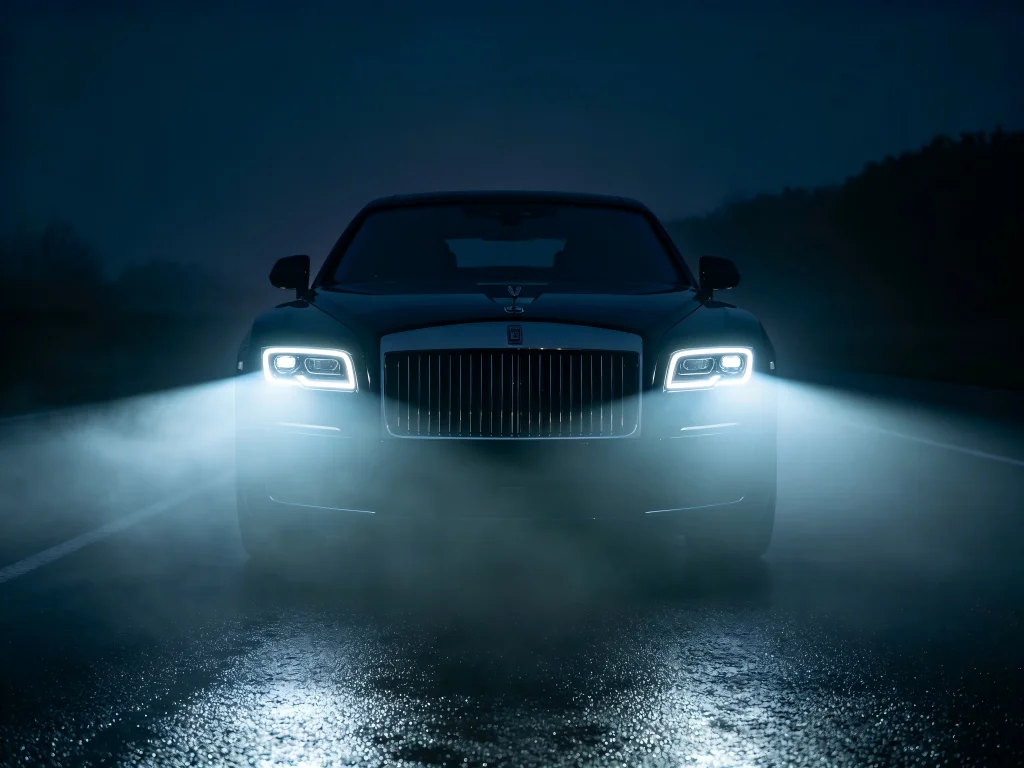
Perché un faro auto può sembrare ancora scuro dopo un upgrade a LED?
Un faro LED può sembrare ancora scuro quando i suoi chip LED non corrispondono alla posizione focale della lampadina originale, il fascio luminoso spreca luce o il calore causa un calo dell'emissione. Un'illuminazione stradale efficace dipende dal controllo ottico e dalla stabilità termica, non semplicemente dai lumen o dalla potenza pubblicizzati.
Questa è una delle frustrazioni più comuni negli aggiornamenti dell'illuminazione automobilistica. Un cliente sostituisce una lampadina alogena con una luce LED per auto. dall'aspetto più luminoso. Il muro del garage diventa molto più luminoso. Il cliente si aspetta un miglioramento drastico.
Poi il veicolo raggiunge un'autostrada buia.
Il primo piano può essere estremamente luminoso, ma il conducente non riesce ancora a vedere abbastanza lontano. I segnali stradali possono riflettere fortemente mentre il centro della corsia rimane debole. I conducenti in arrivo possono lampeggiare con gli abbaglianti perché la luce non controllata fuoriesce sopra la linea di taglio prevista.
Il LED sta producendo luce. Il sistema ottico semplicemente non sta indirizzando abbastanza di quella luce dove il conducente ne ha bisogno.
Il vero problema: la luminosità non è la stessa cosa della visibilità
Un buon faro per auto dovrebbe creare un'illuminazione controllata sulla strada, mantenere un taglio utile, fornire una distanza sufficiente e rimanere stabile dopo un funzionamento prolungato. Un'elevata luminosità grezza senza controllo ottico può creare abbagliamento, eccessiva luce in primo piano, zone d'ombra e affaticamento visivo invece di una guida notturna più sicura.
È qui che molti upgrade LED economici falliscono.
Immagina di guidare su una strada rurale non illuminata a 90 km/h. I tuoi fari creano un'area molto luminosa da 10 a 20 metri davanti al veicolo. I tuoi occhi si adattano naturalmente a quel primo piano luminoso.
Ma un ostacolo appare più avanti sulla strada.
Poiché l'illuminazione a distanza è debole, lo rilevi più tardi. Più luminosità vicino al paraurti non ha risolto il problema reale.
Ora aggiungi la pioggia. L'asfalto bagnato assorbe e riflette la luce in modo diverso dalla pavimentazione asciutta. Un fascio scarsamente controllato può diventare ancora meno confortevole perché la luce diffusa e i riflessi aumentano il rumore visivo.
Questo è il motivo per cui l'ingegneria professionale dei fari si concentra sulla distribuzione utilizzabile del fascio piuttosto che inseguire una specifica impressionante.
Come funziona realmente un faro auto a lampada LED
Un faro LED automobilistico converte l'energia elettrica in luce attraverso chip LED a semiconduttore. Tuttavia, produrre fotoni è solo l'inizio.
Un sistema di illuminazione completo deve controllare quattro cose:
- Generazione della luce: I chip LED devono fornire un'emissione stabile.
- Posizionamento ottico: la superficie emittente deve allinearsi correttamente con il punto focale del riflettore o del proiettore.
- Distribuzione del fascio: riflettori, lenti, schermi e proiettori devono dirigere la luce verso zone stradali utili.
- Gestione del calore: il calore deve lasciare efficientemente la giunzione LED per prevenire il degrado termico.
Perché la posizione del chip LED è importante
Un riflettore o proiettore per fari è progettato attorno a una posizione specifica della sorgente luminosa. Sposta quella sorgente lontano dall'area focale prevista e il fascio cambia.
Questo spiega perché due lampadine LED con potenze simili possono comportarsi in modo completamente diverso all'interno dello stesso faro.
Una può riprodurre fedelmente la posizione del filamento originale. Un'altra può utilizzare chip LED grandi posizionati troppo distanti. Il secondo prodotto può apparire estremamente luminoso se osservato direttamente, ma produrre un pattern stradale più ampio e meno controllato.
Per un' applicazione LED per fari auto H4 questo diventa particolarmente importante perché i sistemi H4 devono gestire sia le funzioni di anabbagliante che di abbagliante. Una geometria LED errata può compromettere uno o entrambi i pattern del fascio.
Perché le affermazioni su 150W, 200W, 220W e 300W possono ingannare gli acquirenti
Le ricerche per LED per fari auto 150 watt, LED per fari auto 200 watt, LED per fari auto 220 watt, e LED per fari auto 300 watt mostrano quanto fortemente gli acquirenti associno la potenza alle prestazioni.
Ma c'è una domanda critica:
La potenza indicata è per lampadina, per coppia, come potenza operativa effettiva, o come valore di marketing?
Non sono la stessa misurazione.
| Specifiche tecniche | Cosa spesso assumono gli acquirenti | Cosa dovrebbero verificare i professionisti |
|---|---|---|
| 150W | Automaticamente più luminose rispetto a LED a potenza inferiore | Potenza di ingresso effettivamente misurata e stabilità termica |
| 200W | Distanza di illuminazione maggiore | Intensità del fascio e distribuzione ottica |
| 220W | Prestazioni premium migliori | Efficienza del driver, gestione del calore e resa stradale reale |
| 300W | Luminosità estrema | Se la valutazione è realistica e sostenibile |
| Valutazione Lumen | Misurazione diretta della visibilità stradale | Metodo di prova più prestazioni del fascio utilizzabile |
Nei nostri test di ingegneria, uno dei confronti più utili non è semplicemente la luminosità iniziale. Osserviamo cosa succede dopo che la lampada ha funzionato abbastanza a lungo perché il sistema termico raggiunga condizioni di lavoro normali.
Un LED può produrre una resa iniziale impressionante e poi ridurre la potenza all'aumentare della temperatura. Se quel calo è significativo, l'esperienza di guida reale del cliente può essere molto diversa da una breve dimostrazione.
Calore: il nemico nascosto dietro il guasto dei fari LED
I LED sono efficienti, ma generano comunque calore. Quel calore è concentrato attorno ai componenti a semiconduttore e deve essere trasferito via in modo efficace.
Una scarsa gestione termica può portare a:
- riduzione della luminosità durante il funzionamento prolungato;
- degrado accelerato del LED;
- stress dei componenti del driver;
- instabilità del colore;
- problemi di affidabilità della ventola; e
- vita utile ridotta.
Ecco perché un acquirente professionale dovrebbe ispezionare l'intero percorso termico piuttosto che limitarsi a chiedere se una lampadina ha una ventola.
Il materiale del dissipatore, la superficie, il design del PCB, l'interfaccia termica, il flusso d'aria della ventola, la resistenza interna e la strategia del driver influenzano tutti le prestazioni a lungo termine.
La soluzione: compra il fascio luminoso, non il numero di marketing
Il modo più semplice per evitare aggiornamenti deludenti è cambiare la domanda d'acquisto.
Invece di chiedere:
“Quale LED ha la potenza maggiore?”
Chiedi:
“Quale sistema di illuminazione produce l'illuminazione più utile, controllata e stabile per la mia applicazione?”
Questo porta a un processo di valutazione molto migliore.
- Conferma il tipo di lampadina originale del veicolo e l'architettura del faro.
- Controlla se la posizione di emissione del LED corrisponde al sistema ottico.
- Valuta il taglio dell'abbagliante e la concentrazione dell'anabbagliante.
- Confronta l'intensità centrale e l'illuminazione a distanza, non solo la luminosità sulla parete.
- Fai funzionare il prodotto abbastanza a lungo per valutare la stabilità termica.
- Controlla la compatibilità elettrica e la qualità del driver.
- Conferma lo spazio di installazione e la distanza dal copriparabola.
- Verifica le normative applicabili sull'illuminazione dei veicoli nel tuo mercato.
La luce LED per fari auto è legale in India?
La legalità di un faro LED in India non può essere determinata solo dalla tecnologia LED. La conformità può dipendere dal veicolo, dal gruppo ottico, dall'installazione, dalle prestazioni del fascio luminoso, dai requisiti di omologazione e dalle normative applicabili. Conducenti e aziende dovrebbero verificare i requisiti indiani attuali prima di sostituire un sistema di illuminazione originariamente omologato.
La frase di ricerca led light for car headlight legal in India spesso porta gli acquirenti ad aspettarsi una risposta semplice sì o no. In pratica, la conformità dell'illuminazione dei veicoli è più complessa.
Il fatto che una lampadina si inserisca fisicamente in un faro non significa automaticamente che il sistema di illuminazione risultante soddisfi tutti i requisiti applicabili.
Gli importatori e i distributori professionali dovrebbero quindi esaminare i requisiti attuali attraverso organizzazioni autorevoli e standard automobilistici applicabili, piuttosto che fare affidamento sulle descrizioni del mercato. Punti di riferimento utili includono il Ministero indiano dei Trasporti Stradali e delle Autostrade e le normative pertinenti sull'illuminazione dei veicoli.
Perché GTR affronta il problema in modo diverso
A GTR, affrontiamo l'illuminazione automobilistica dalla prospettiva del sistema completo.
Basandoci sui nostri anni di esperienza nella produzione, un prodotto di illuminazione di successo deve bilanciare luminosità, prestazioni ottiche, controllo termico, struttura meccanica, affidabilità elettrica e compatibilità di installazione.
Questo approccio è particolarmente importante per i clienti B2B professionali.
Un distributore non ha bisogno solo di una scheda tecnica accattivante. Il distributore ha bisogno di prodotti che possano supportare ordini ripetuti.
Una catena di retrofit non ha bisogno solo di luminosità. Ha bisogno di un'installazione prevedibile e di prestazioni del fascio costanti.
Un importatore non ha bisogno solo di un prezzo competitivo prezzo faretto led auto. Deve essere un prodotto posizionato correttamente per il suo mercato, la base clienti e il canale di vendita.
GTR supporta quindi i partner aftermarket automobilistici con sviluppo prodotto e soluzioni di illuminazione progettate attorno ad applicazioni pratiche piuttosto che ai soli numeri di punta.
Cosa notano comunemente conducenti e installatori nell'uso reale
Le discussioni tra gli appassionati di auto tendono a tornare alla stessa lezione: la lampadina dall'aspetto più luminoso non è sempre la migliore per la guida.
Un'osservazione tipica da installatore suona così:
“La prima cosa che i clienti notano è la luminosità. Dopo aver guidato di notte, iniziano a parlare di distanza del fascio, linea di taglio, punti scuri e se gli altri conducenti lampeggiano loro.”
Questa esperienza riflette principi ottici di base.
Per un'introduzione tecnica ai sistemi di fari automobilistici, i lettori possono anche consultare fondamenti dei fari dei veicoli.
FAQ sui fari auto a lampada LED
Un faro auto LED con wattaggio più alto è sempre più luminoso?
No. Le prestazioni reali dipendono dall'efficienza dei LED, dalla corrente operativa, dalla gestione termica, dall'ottica e dai metodi di misurazione. Una potenza dichiarata più alta non garantisce una migliore illuminazione stradale.
Un faro LED da 300W è migliore di uno da 200W?
Non necessariamente. Prima di confrontare un LED per fari auto 300 watt con un modello da 200W, verificare se entrambe le potenze rappresentano la potenza operativa effettivamente misurata nelle stesse condizioni.
Qual è la migliore luce LED per la sostituzione del faro auto H4?
Un buon LED H4 dovrebbe riprodurre la geometria anabbagliante/abbagliante prevista, gestire efficacemente il calore, adattarsi correttamente al faro e produrre un fascio controllato piuttosto che luce diffusa eccessiva.
Quanto costa una luce LED per faro auto?
Prezzo faretto led auto varia ampiamente in base a chip LED, elettronica di pilotaggio, architettura di raffreddamento, design ottico, materiali, qualità di produzione, marchio e volume d'ordine. Gli acquirenti B2B dovrebbero confrontare il valore totale e il rischio di guasto piuttosto che il solo prezzo unitario.
Come trovo una luce LED per fari auto vicino a me?
Ricerca luce led per faro auto vicino a me può aiutare a trovare installatori e rivenditori, ma la qualità dell'installazione professionale è importante. Chiedere se l'officina controlla l'allineamento del fascio luminoso dopo l'installazione invece di sostituire semplicemente la lampadina.
Quale temperatura di colore è adatta per i fari LED?
La temperatura di colore influisce sull'aspetto e sulla percezione visiva. Una luce dall'aspetto estremamente freddo non è automaticamente migliore. Gli acquirenti dovrebbero bilanciare visibilità utilizzabile, condizioni meteorologiche, preferenze di mercato e normative applicabili.
Perché il mio faro LED diventa più fioco dopo alcuni minuti?
La regolazione termica può ridurre la potenza operativa all'aumentare della temperatura. L'effetto varia in base al design del prodotto, motivo per cui i test di emissione sostenuta possono rivelare più dei test di luminosità iniziale.
Smetti di pagare per una luminosità che non raggiunge mai la strada
Se i tuoi clienti si lamentano di una debole illuminazione a distanza, abbagliamento incontrollato, emissione instabile o prodotti LED che sembrano potenti sulla carta ma deludono dopo l'installazione, cambiare un altro numero di wattaggio non risolverà il problema di fondo.
Hai bisogno di una soluzione di illuminazione progettata intorno alla strada, al veicolo e all'ambiente operativo reale.
Per grossisti di illuminazione automobilistica, importatori, distributori e catene di retrofit che cercano una linea di prodotti più forte, esplora soluzioni di illuminazione automobilistica GTR a www.rhgtr.com. Portaci il tuo veicolo target, il mercato, i requisiti di prestazione e il posizionamento di vendita. Possiamo aiutarti a valutare una soluzione costruita per trasformare una migliore visibilità notturna in un prodotto che i tuoi clienti vorranno ricomprare.