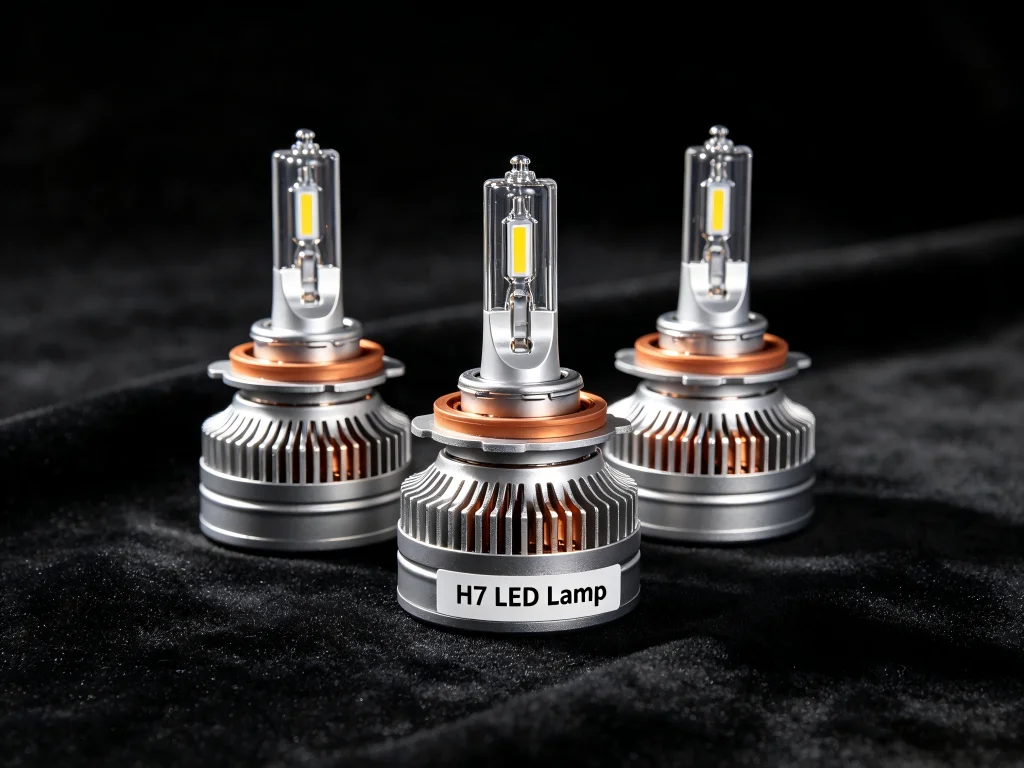
Anda memasang Lampu LED H7 mengharapkan visi malam yang lebih baik. Sebaliknya, Anda mendapatkan kedipan, kode kesalahan dasbor, dan pola sinar yang menyilaukan lalu lintas yang datang. Anda tidak sendirian. Ribuan pengemudi menghadapi frustrasi yang sama setiap tahun. Masalahnya jarang pada LED itu sendiri. Hampir selalu bohlam yang salah untuk sistem kelistrikan dan rumah lampu kendaraan Anda.
Mimpi Buruk Dimulai dengan Cukup Polos
Bohlam halogen H7 pabrik Anda redup. Cahaya kekuningan hampir tidak mencapai 50 meter di depan. Pada malam hujan, Anda berjuang untuk melihat marka jalan. Anda meneliti lampu LED H7 untuk mobil peningkatan. Pemasaran menjanjikan 500% lebih terang, instalasi plug-and-play, dan sinar putih modern. Anda memesan satu set. Anda memasangnya. Dan kemudian masalah dimulai.
Kedip-kedip yang Membuat Anda Gila
Anda menyalakan lampu depan Anda. Bohlam LED H7 berkedip seperti tabung fluoresen yang rusak. Kadang stabil. Kadang tidak. Pada kendaraan Eropa yang lebih baru dengan sistem CANBUS, ini hampir pasti terjadi. Komputer mobil memantau resistansi bohlam. Ia mengharapkan daya 55W dari halogen. LED Anda hanya menarik 20W. Komputer mengira bohlam sudah terbakar. Ia mengirim sinyal modulasi lebar pulsa untuk “memeriksa” sirkuit. LED menafsirkan ini sebagai perintah nyala/mati. Maka terjadilah kedipan.
Seorang pemilik BMW Seri 1 mendokumentasikan hal ini dengan tepat. “Gejala Anda menunjukkan ketidakcocokan antara pemantauan bohlam/kontrol PWM mobil dan LED yang Anda pasang,” demikian kesimpulan laporan diagnostik. Solusinya? Bukan sekadar coding sederhana. Anda perlu bohlam LED H7 CANBUS dengan resistor internal dan elektronik decoding.
Lampu Error Dashboard yang Tidak Mau Hilang
Anda menghapus kesalahan. Ia muncul lagi. Anda hapus lagi. Ia muncul lagi. Beberapa pengemudi melaporkan lampu peringatan tetap menyala permanen setelah memasang lampu LED H7 8000K atau bohlam non-CANBUS lainnya yang tidak kompatibel. Seorang pemilik truk Ram mengganti bohlam, lalu kabel, lalu seluruh rakitan lampu depan. Kedipan tetap terjadi.
Pola Sinar yang Membutakan Semua Orang
Anda mengarahkan lampu depan ke pintu garasi. Hamburan cahayanya sangat buruk. Cahaya menyebar ke mana-mana kecuali ke tempat yang Anda butuhkan. Pengemudi dari arah berlawanan mengedipkan lampu jauh ke arah Anda. Anda sekarang adalah pengemudi itu. Yang dibenci semua orang.
Mengapa ini terjadi? Chip LED memancarkan cahaya berbeda dari filamen halogen. Filamen halogen menyala 360 derajat dari satu titik. Banyak desain lampu LED H7 menempatkan chip di dua sisi, menciptakan pola emisi 160 derajat. Dalam rumah reflektor yang dirancang untuk halogen, ini menciptakan titik gelap dan silau berlebihan. Batas pancaran cahaya menghilang. “Peningkatan” Anda menjadi bahaya keselamatan.
Bencana Redupnya Cahaya
Bohlam LED H7 untuk mobil baru Anda terlihat terang di dalam kotak. Di jalan, nyalanya hampir tidak lebih terang dari halogen lama. Seorang pengemudi menguji beberapa pasang LED H7 dan menemukan bahwa “benar-benar redup di rumah proyektor lampu depan saya, membuat sulit mengemudi di malam hari.” Yang lain mengukur 296 lux dari LED H7 mereka dibandingkan dengan 5.361 lux dari LED pabrik di kendaraan lain. “Mereka pada dasarnya tidak lebih terang dari senter.”
Jawaban langsungnya: Kebanyakan bohlam LED H7 aftermarket gagal karena kurang decoding CANBUS yang tepat, menggunakan posisi emitter yang salah untuk housing Anda, atau melebih-lebihkan output lumen mereka sebesar 300-500%. Solusinya membutuhkan pemahaman tentang sistem kelistrikan kendaraan Anda, jenis housing lampu depan Anda, dan memilih bohlam yang direkayasa untuk kompatibilitas, bukan hanya kecerahan.
Mengapa Kebanyakan LED H7 “Colok dan Main” Justru Tidak Demikian
Penipuan CANBUS
Produsen menempelkan label “CANBUS ready” di kotaknya. Pada kenyataannya, banyak yang menyertakan resistor sederhana yang menghasilkan panas tanpa menyelesaikan masalah kompatibilitas PWM yang mendasarinya. Resistor tersebut menipu komputer agar melihat resistansi yang benar. Tetapi itu tidak mengatasi sinyal modulasi lebar pulsa yang menyebabkan kedipan. Kompatibilitas CANBUS yang sejati membutuhkan sirkuit decoding cerdas yang menafsirkan sinyal kendaraan dengan benar.
Seorang pemilik E46 BMW melaporkan: “Bohlamnya memiliki kecerahan yang bagus, tetapi di BMW E46 dan E39 bohlam tersebut berkedip terus-menerus dan memicu peringatan bohlam CANBUS begitu dinyalakan.” Lampu jauh bekerja dengan cemerlang. Kedipan tersebut membuatnya tidak dapat dikendarai.
Masalah Panas yang Tidak Ada yang Membicarakan
LED menghasilkan panas yang signifikan pada titik sambungan. Tanpa manajemen termal yang tepat, chip akan terdegradasi dengan cepat. Output menurun. Warna bergeser. Bohlam gagal dalam hitungan bulan.
Kualitas Bohlam LED H7 menggunakan rumah aluminium kelas penerbangan dengan kipas pendingin aktif atau sistem pasif canggih. Unit murah menggunakan aluminium minimal tanpa aliran udara. Mereka kepanasan. Mereka meredup. Mereka mati. Seorang pengulas mencatat: “pembuangan panas mungkin menjadi masalah yang dapat memperpendek umur LED.” Yang lain melaporkan kedua lampu gagal dalam 60 hari.
Mitos Ukuran 1:1
Banyak merek mengklaim “ukuran mini 1:1” untuk kemudahan pemasangan. Tetapi “mini” itu relatif. Seorang pengemudi mendokumentasikan: “Bohlamnya lebih tebal dan tidak muat di soket!!! Akhirnya saya mengikir soketnya agar lebih besar sehingga bisa mendorong bohlamnya.” Bohlamnya lebih panjang di bagian dasarnya, mencegah mekanisme pengunci terpasang.
Desain 1:1 yang sejati berarti emitter LED berada pada posisi yang persis sama dengan filamen halogen. Dimensi dasar cocok dengan presisi. Cincin pengunci terpasang tanpa modifikasi. Kurang dari itu adalah pemasangan yang kompromi.
Sakit Kepala LED H7 Anda Punya Nama – Dan Obatnya
Setelah bertahun-tahun pengujian teknik dan validasi dunia nyata, kami telah mengidentifikasi apa yang membedakan upgrade yang gagal dari yang transformatif. Solusinya bukan hanya LED yang lebih terang. Ini adalah rekayasa presisi yang mengatasi setiap titik kegagalan yang baru saja kami jelaskan.
Seperti Apa Integrasi CANBUS Asli Itu
Sejati bohlam LED H7 CANBUS kompatibilitas berarti bohlam secara aktif berkomunikasi dengan komputer kendaraan Anda. Ia mendekode sinyal PWM. Ia mempertahankan resistansi yang tepat tanpa menghasilkan panas berlebihan. Ia menghilangkan kedipan dan kode kesalahan pada sumbernya, bukan dengan resistor tambal sulam.
Dalam pengujian teknik kami, kami menemukan bahwa kendaraan dengan sistem CANBUS yang sensitif—terutama BMW, Mercedes, VW, dan Audi—membutuhkan bohlam dengan chip decoding khusus, bukan hanya resistor pasif. Perbedaannya langsung terlihat: tidak ada kedipan, tidak ada kesalahan, tidak ada lampu peringatan.
Presisi Pola Sinar Melalui Desain yang Sesuai Filamen
The Kit LED H7 harus menempatkan emitter-nya pada koordinat yang persis sama dengan filamen halogen asli. Ini tidak bisa ditawar. Seri Ultra 2 kami mencapai ini melalui jarak chip ultra-tipis 0,03 inci. Hasilnya adalah sinar terfokus dengan garis potong yang jelas, tanpa titik gelap, dan tanpa silau bagi lalu lintas yang melaju.
Satu tes independen mengonfirmasi: “GTR Lighting Ultra 2 memiliki pola sinar yang bagus” dan menghasilkan “hampir 400% lebih terang daripada bohlam halogen standar.” Uji perbandingan lain menempatkannya di posisi teratas, mencatat bahwa bohlam ini 709% lebih terang daripada halogen asli.
Manajemen Termal yang Menjaga Performa
Bohlam kami menggunakan rumah aluminium kelas penerbangan dengan sistem pendingin canggih. Kipas aktif menjaga suhu operasi optimal bahkan dalam kondisi ekstrem. Chip tidak pernah menurun. Output tidak pernah redup. Masa pakai jauh melampaui alternatif murah.
Seorang pelanggan melaporkan: “Ini adalah peningkatan yang signifikan dibandingkan bohlam halogen biasa. Mereka masih memiliki cutoff yang bagus dan sekarang menerangi sisi jalan jauh lebih baik. Dan lampu jauhnya luar biasa! Ini set kedua saya.”
Pengemudi Nyata, Hasil Nyata
Pemilik CRV 2019 membandingkan lampu standar dengan GTR Ultra 2: “Ini seperti siang dan malam!” Seorang anggota forum yang menguji beberapa merek menyimpulkan: “Pemenang untuk tes ini adalah GTR Lighting Ultra 2. Hampir 400% lebih terang daripada bohlam halogen standar dan memiliki pola sinar yang bagus.”
Dalam Uji Perbandingan 25 Bohlam Lampu Depan Terbaik dan Tercemerlang, GTR Lighting Ultra Two keluar sebagai pemenang di kedua tes individu. “Itu gila,” tulis pengulas.
Ini bukan klaim pemasaran. Ini adalah validasi independen dari pengemudi yang mencoba semuanya terlebih dahulu.
Berhenti Membuang Uang untuk Upgrade yang Gagal
Anda telah menghabiskan berjam-jam untuk meneliti Lampu LED H7. Anda telah membaca ulasan yang saling bertentangan. Anda mungkin sudah membeli satu set yang mengecewakan. Frustrasi itu nyata. Solusinya sudah terbukti.
Lampu LED H7 untuk dijual ada di mana-mana. Kualitas tidak. Jangan puas dengan bohlam yang berkedip, menyilaukan orang lain, atau redup dalam hitungan bulan. Pilih upgrade yang telah divalidasi oleh tes teknik dan pengemudi nyata sebagai solusi LED H7 paling terang dan paling andal yang tersedia.
Kunjungi https://www.rhgtr.com untuk menemukan bohlam LED H7 yang tepat untuk kendaraan Anda. Alat kompatibilitas kami mencocokkan kebutuhan spesifik mobil Anda. Tanpa tebakan. Tanpa upgrade yang gagal. Hanya mengemudi malam yang lebih terang dan lebih aman sejak pemasangan pertama.
Pertanyaan yang Sering Diajukan Tentang Bohlam LED H7
Mengapa bohlam LED H7 saya berkedip?
Kedipan terjadi ketika komputer CANBUS kendaraan Anda tidak mengenali daya rendah yang ditarik LED. Komputer mengirim sinyal modulasi lebar pulsa untuk “menguji” sirkuit, yang ditafsirkan LED sebagai perintah nyala/mati. Bohlam kompatibel CANBUS sejati dengan chip decoding menghilangkan masalah ini.
Apakah bohlam LED H7 akan berfungsi di mobil saya?
Kebanyakan bohlam LED H7 secara fisik pas di soket. Namun, kompatibilitas tergantung pada sistem kelistrikan kendaraan Anda (sensitivitas CANBUS) dan jenis rumah lampu depan (reflektor vs. proyektor). Selalu verifikasi keduanya sebelum membeli.
Apa perbedaan antara LED H7 6000K dan 8000K?
6000K menghasilkan cahaya putih murni yang mirip dengan siang hari, menawarkan visibilitas yang sangat baik dan mengurangi ketegangan mata. 8000K bergeser ke arah biru, yang tampak “lebih dingin” tetapi sebenarnya memberikan lebih sedikit cahaya yang dapat digunakan di jalan dan meningkatkan silau. Demi keselamatan dan legalitas, 6000K adalah pilihan yang direkomendasikan.
Apakah bohlam LED H7 legal untuk digunakan di jalan?
Legalitas tergantung pada negara Anda. Di Inggris dan UE, bohlam LED H7 legal HANYA jika memenuhi peraturan kecerahan dan pola sinar ECE. Banyak bohlam aftermarket tidak memenuhi standar ini. Selalu periksa sertifikasi ECE sebelum membeli.
Seberapa terang seharusnya bohlam LED H7?
Bohlam LED H7 berkualitas biasanya menghasilkan 2.000-4.000 lumen per bohlam. Bohlam halogen menghasilkan 700-1.200 lumen. Waspadai klaim yang melebihi 10.000 lumen per bohlam—sering kali dilebih-lebihkan atau diukur dengan cara berbeda. Performa dunia nyata lebih penting daripada angka yang tercetak.
Apakah bohlam LED H7 memerlukan instalasi khusus?
LED H7 berkualitas dirancang sebagai pengganti langsung bohlam halogen tanpa modifikasi kabel. Namun, tingkat kesulitan pemasangan bervariasi tergantung kendaraan. Beberapa rumah lampu memiliki ruang terbatas, sehingga memerlukan desain ringkas 1:1. Selalu periksa jarak bebas rumah lampu depan kendaraan Anda sebelum membeli.
Mengapa bohlam LED H7 saya tidak cukup terang?
Output redup biasanya disebabkan oleh manajemen termal yang buruk (panas berlebih menyebabkan penurunan output), posisi emitter yang salah (cahaya menyebar alih-alih fokus), atau klaim lumen yang dilebih-lebihkan dari pabrikan. Pilih bohlam dengan desain termal yang terbukti dan penempatan emitter yang sesuai filamen.