Lampu depan LED H11 Anda seharusnya membuat berkendara malam lebih aman. Sebaliknya, mereka berkedip, menyilaukan lalu lintas yang datang, atau menyebarkan cahaya ke mana-mana kecuali di tempat yang Anda butuhkan.
Anda menghabiskan uang untuk upgrade lampu depan LED H11 dengan harapan visibilitas yang lebih baik. Yang Anda dapatkan adalah sakit kepala. Berkedip yang membuat Anda terlihat seperti mengendarai bola disko. Pola sinar yang begitu tersebar sehingga Anda mungkin juga tetap menggunakan halogen. Dan kekhawatiran terus-menerus bahwa Anda akan ditilang karena menyilaukan setiap pengemudi di jalan.
Berdasarkan pengalaman manufaktur kami selama bertahun-tahun dalam pencahayaan LED otomotif, kami telah melihat ribuan pengemudi membuat kesalahan mahal yang sama. Panduan ini membawa Anda melalui apa yang sebenarnya salah dan bagaimana mendapatkan kinerja lampu depan LED H11 yang sebenarnya Anda bayar.
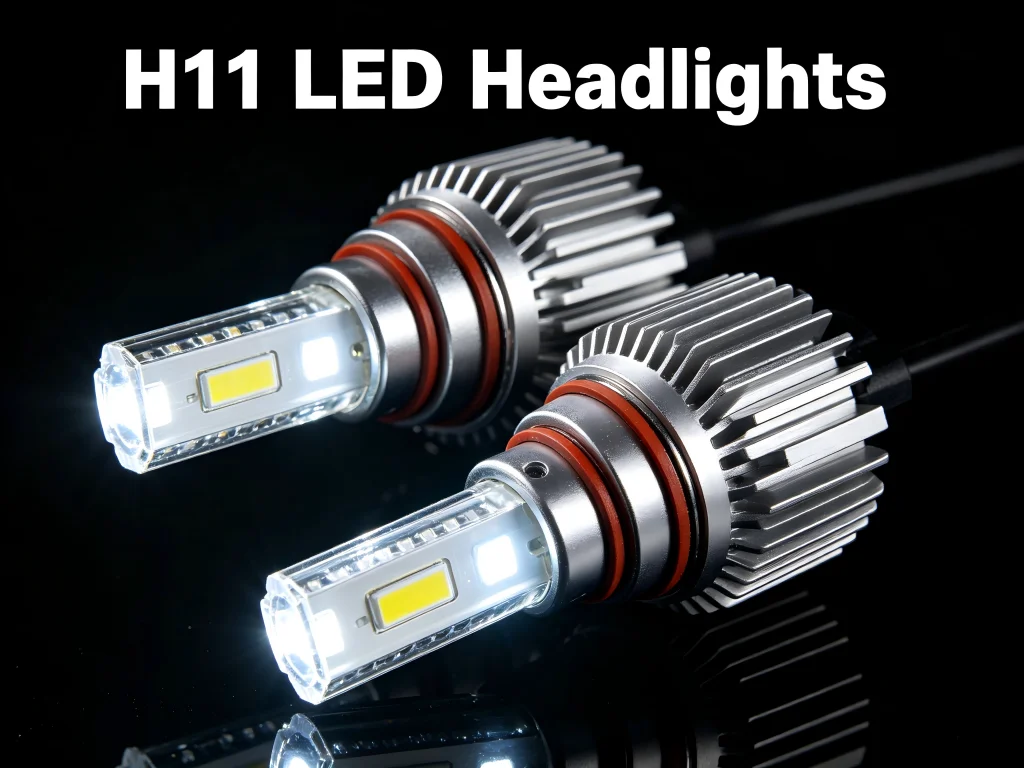
Mimpi Buruk Lampu LED H11 yang Buruk: Masalah Nyata yang Dihadapi Pengemudi
Anda tidak sendirian. Di forum-forum seperti Reddit dan ulasan Amazon, pengemudi melaporkan frustrasi yang sama dengan bohlam lampu depan LED H11 mereka. Mari kita bahas kegagalan yang paling umum.
Kedip-kedip yang Membuat Anda Terlihat Seperti Mobil Polisi (Tapi Bukan dalam Arti yang Baik)
Anda memasang lampu depan LED H11 baru, menyalakannya, dan mereka berkedip seperti klub malam. Ini bukan hanya mengganggu — ini berbahaya. Berkedip terjadi ketika sistem CANbus kendaraan Anda tidak mengenali daya tarik listrik yang lebih rendah dari LED. Mobil modern mengharapkan resistansi tertentu. Ketika mereka tidak mendapatkannya, mereka mengirim pulsa daya, menciptakan efek strobo itu.
Beberapa pengemudi mencoba mengabaikannya. Yang lain membeli modul “anti-kedip” murah yang rusak dalam hitungan minggu. Akar masalahnya? Bohlam lampu depan LED H11 tidak dirancang untuk berkomunikasi dengan benar dengan sistem kelistrikan kendaraan Anda.
Menyilaukan Semua Orang Lain Sementara Anda Sendiri Masih Tidak Bisa Melihat
Tidak ada yang lebih menunjukkan “Saya membuat pembelian yang buruk” selain disorot oleh setiap mobil yang melaju dari arah berlawanan. Anda memasang lampu depan LED H11 Anda, dan tiba-tiba Anda menjadi penjahat di setiap perjalanan malam. Cahaya menyebar ke mana-mana kecuali ke jalan.
Inilah yang terjadi: rumah lampu depan halogen Anda dirancang untuk posisi filamen tertentu. Kebanyakan bohlam LED H11 murah tidak meniru posisi itu secara akurat. Chip LED berada di tempat yang salah, sehingga reflektor atau proyektor memantulkan cahaya ke segala arah. Anda mendapatkan silau, bukan berkas cahaya yang terfokus. Lebih banyak cahaya, lebih sedikit penerangan yang berguna.
Mereka Bahkan Tidak Muat — Dan Sekarang Anda Terjebak dengan Pengembalian
Anda membuka kotaknya, bersemangat untuk memasang lampu depan LED H11 Anda. Lalu Anda menyadari bahwa kipas pendingin atau heat sink membuat bohlam terlalu besar untuk rumah lampu Anda. Penutup debu tidak bisa ditutup. Basis bohlam tidak duduk dengan benar. Anda dibiarkan dengan produk yang secara fisik tidak dapat bekerja di kendaraan Anda — dan proses pengembalian yang menyita waktu Anda.
Ini adalah salah satu keluhan paling umum dalam ulasan lampu depan LED H11. Pengemudi membeli bohlam yang terlihat kompatibel di atas kertas tetapi gagal dalam uji pemasangan di kehidupan nyata.
Mati dalam 6 Bulan — Taruhan yang Berisiko
Anda menemukan penawaran. Lima belas dolar untuk satu set lampu depan LED H11. Enam bulan kemudian, satu bohlam redup, menguning, atau benar-benar mati. Anda kembali ke titik awal, telah membuang-buang tidak hanya uang tetapi juga waktu dan frustrasi dari dua kali pemasangan.
Bohlam LED H11 murah memotong biaya pada manajemen termal. Mereka terlalu panas, chip LED menurun, dan Anda dibiarkan dalam kegelapan — secara harfiah. Pepatah lama tetap berlaku: beli murah, beli dua kali.
Kode Kesalahan yang Tidak Kunjung Hilang
Anda memasang lampu depan LED H11 Anda, dan dasbor Anda menyala seperti pohon Natal. Peringatan “Periksa Lampu Depan”. Kesalahan bohlam mati. Komputer kendaraan Anda mengira lampu depan Anda rusak karena LED menarik daya yang sangat sedikit.
Beberapa pengemudi menambahkan resistor beban untuk mengelabui sistem. Tetapi resistor menghasilkan panas. Banyak. Pasang dengan salah, dan Anda menciptakan bahaya kebakaran. Bukan peningkatan yang Anda harapkan.
Mengapa Kebanyakan Lampu LED H11 Gagal — Kebenaran Teknis
Setelah bertahun-tahun di bidang manufaktur pencahayaan otomotif, kami telah mengidentifikasi dengan tepat mengapa begitu banyak bohlam lampu depan LED H11 berkinerja buruk. Ini bukan sihir. Ini adalah rekayasa — atau kekurangannya.
Masalah Posisi Filamen
Rumah lampu depan Anda — baik reflektor atau proyektor — dirancang di sekitar filamen halogen di lokasi tertentu. Filamen itu kecil, sekitar 1,6mm lebarnya. Cahaya memancar dari titik yang tepat itu dan memantul dari reflektor atau melewati lensa proyektor dalam pola yang terkendali.
Ketika Anda memasukkan bohlam LED H11 ke dalam rumah itu, chip LED perlu berada di posisi yang sama persis. Bukan mendekati. Tepat. Meleset satu milimeter, dan pola berkas cahaya Anda hancur. Kebanyakan bohlam LED H11 murah tidak mencapai presisi ini. Chipnya terlalu besar, terlalu kecil, atau diposisikan salah.
Hasilnya? Cahaya yang menyebar. Silau yang membutakan. Dan pola berkas cahaya yang gagal menerangi jalan secara efektif.
Kebohongan Manajemen Termal
LED menghasilkan panas. Tidak sebanyak halogen, tetapi cukup untuk menghancurkan bohlam jika tidak dikelola dengan benar. Lampu depan LED H11 berkualitas menggunakan pemisahan termal canggih — menempatkan die LED pada bidang termal terpisah dari sirkuit driver. Ini menjaga chip tetap dingin dan bohlam berjalan selama 50.000 jam atau lebih.
Bohlam murah? Mereka melewatkan rekayasa ini. Panas menumpuk, chip menurun kualitasnya, dan lampu LED H11 Anda meredup, berubah warna, atau gagal total. Dalam pengujian rekayasa kami, kami telah melihat bohlam murah kehilangan 30% kecerahannya dalam tahun pertama penggunaan.
Kesenjangan Kompatibilitas CANbus
Komputer kendaraan Anda mengharapkan beban listrik tertentu dari setiap bohlam lampu depan. Halogen menarik sekitar 55 watt. LED menarik jauh lebih sedikit. Ketika komputer merasakan daya tarik yang lebih rendah itu, ia menganggap bohlam terbakar dan memunculkan kode kesalahan.
Bohlam LED H11 berkualitas mencakup dekoder CANbus internal yang mengelabui komputer agar mengira semuanya normal. Bohlam murah tidak. Mereka berkedip. Mereka memunculkan kode kesalahan. Atau mereka memerlukan resistor eksternal yang menambah kerumitan dan panas.
Cara Memilih Lampu LED H11 yang Benar-Benar Berfungsi
Pilih bohlam LED H11 yang cocok dengan posisi filamen halogen Anda persis, termasuk kompatibilitas CANbus terintegrasi, dan fitur manajemen termal aktif dengan sistem pendinginan yang terbukti.
Kami telah menguji puluhan bohlam LED H11 di fasilitas kami. Inilah yang membedakan yang berfungsi dari yang berakhir di tempat sampah.
1. Akurasi Pola Sinar Adalah Segalanya
Kecerahan tidak masalah jika cahaya tidak pergi ke tempat yang seharusnya. Carilah lampu LED H11 yang mengiklankan desain posisi filamen 1:1. Chip LED harus sekecil mungkin — idealnya di bawah 0,01 inci dalam jarak chip — untuk meniru ukuran dan posisi filamen halogen.
Di rumah proyektor, presisi ini menciptakan garis potong yang tajam. Di reflektor, ini memastikan distribusi cahaya yang tepat tanpa silau. Tanpa itu, Anda hanya menambah kecerahan tanpa menambah visibilitas.
2. Manajemen Termal Membedakan Premium dari Barang Murahan
Setiap bohlam LED H11 menghasilkan panas. Pertanyaannya adalah: apa yang dilakukan pabrikan tentang hal itu?
Bohlam premium menggunakan teknologi pemisahan termal yang mengisolasi die LED dari sirkuit driver. Mereka menggabungkan heat sink atau kipas pendingin yang efisien. Mereka direkayasa untuk menghilangkan panas secara terus menerus, bahkan selama perjalanan malam yang panjang.
Bohlam murah? Mereka menggunakan heat sink atau kipas yang terlalu kecil yang gagal dalam hitungan bulan. Degradasi termal lambat pada awalnya, kemudian dipercepat. Anda mungkin tidak menyadari peredupan sampai Anda mengemudi di jalan gelap dan menyadari Anda tidak bisa melihat sejauh dulu.
3. Kompatibilitas CANbus Tidak Bisa Ditawar
Jika kendaraan Anda memiliki sistem CANbus — dan kebanyakan mobil modern memilikinya — Anda memerlukan lampu LED H11 dengan dekoder CANbus internal. Bukan modul eksternal yang menambah kerumitan. Internal. Ini memastikan pemasangan plug-and-play tanpa berkedip dan tanpa kode kesalahan.
4. Kecocokan Lebih Penting dari yang Anda Kira
Sebelum membeli bohlam LED H11 apa pun, periksa dimensinya. Ukur ruang di belakang rakitan lampu depan Anda. Periksa apakah tutup debu memiliki ruang untuk kipas pendingin. Beberapa kendaraan memiliki ruang sempit yang memerlukan desain ringkas all-in-one dengan driver terintegrasi.
Dalam pengalaman kami, sekitar 30% pengembalian LED H11 disebabkan oleh masalah pemasangan — bukan masalah kinerja. Bohlamnya bagus. Hanya saja tidak cocok dengan kendaraan.
Apa Kata Pengemudi Sebenarnya tentang Upgrade Lampu LED H11
Inilah yang telah kami lihat di ribuan percakapan pelanggan dan diskusi forum.
Seorang pengemudi di forum Jeep mencatat bahwa setelah memasang lampu LED H11 berkualitas, pola sinar “dekat” dengan halogen standar — yang persis seperti yang Anda inginkan. Tujuannya bukan hanya kecerahan. Ini adalah cahaya yang dapat digunakan yang tidak menyilaukan siapa pun.
Pengemudi lain melaporkan bahwa bohlam GTR Lighting Ultra 2.0 H11 mereka adalah “pengubah permainan total,” dengan kipas pendingin kompak yang terselip di belakang tutup debu OEM tanpa modifikasi. Itulah perbedaan antara rekayasa premium dan kompromi anggaran.
Dalam pengujian head-to-head, bohlam GTR Lighting Ultra 2 H11 mengungguli semua set lainnya dalam uji perbandingan terbaru, memberikan cahaya putih 6000K yang tajam dengan rumah aluminium dan kipas pendingin internal untuk masa pakai 50.000 jam atau lebih.
Tetapi kami juga telah melihat kisah-kisah horor. Pengemudi melaporkan bohlam LED H11 yang “mulai bermasalah setelah 3 bulan” dengan kedipan dan kegagalan intermiten. Yang lain melaporkan bohlam yang “menjadi bahaya bagi setiap kendaraan lain di jalan” karena penyelarasan yang buruk. Dan banyak ulasan tentang bohlam yang tidak pas, memerlukan pengikiran atau modifikasi.
Polanya jelas: lampu depan LED H11 berkualitas adalah peningkatan yang transformatif. Yang murah adalah pemborosan uang dan bahaya keselamatan.
Pertanyaan yang Sering Diajukan Tentang Lampu Depan LED H11
Apakah lampu depan LED H11 legal?
Lampu depan LED H11 legal untuk penggunaan off-road dan untuk penggunaan di jalan di sebagian besar area ketika memenuhi standar DOT/SAE dan tidak menghasilkan silau berlebihan. Selalu periksa peraturan setempat Anda. Bohlam LED H11 berkualitas dengan pola sinar yang tepat cenderung tidak menarik perhatian penegak hukum.
Apakah lampu depan LED H11 berfungsi di rumah proyektor?
Ya — tetapi hanya jika chip LED meniru posisi filamen halogen secara presisi. Dalam rumah proyektor, pemotongan sinar lebih sensitif terhadap penempatan chip. Bohlam LED H11 premium yang dirancang untuk rumah proyektor memberikan hasil yang sangat baik dengan garis potong yang tajam. Bohlam murah menyebarkan cahaya dan menciptakan silau.
Mengapa lampu depan LED H11 saya berkedip?
Kedipan hampir selalu merupakan masalah kompatibilitas CANbus. Komputer kendaraan Anda tidak mengenali daya tarik listrik yang lebih rendah dari LED dan mengirimkan pulsa daya ke bohlam. Solusinya adalah decoder CANbus (idealnya terintegrasi dalam bohlam) atau resistor yang mensimulasikan beban listrik halogen.
Seberapa terang seharusnya lampu depan LED H11?
Bohlam LED H11 berkualitas menghasilkan 3.000-6.000 lumen per pasang, dibandingkan dengan sekitar 1.200 lumen untuk halogen H11 standar. Waspadai klaim di atas 20.000 lumen — itu hampir selalu berlebihan pemasaran. Kinerja dunia nyata tergantung pada pola sinar, bukan hanya keluaran lumen mentah.
Apakah lampu depan LED H11 cocok untuk kendaraan saya?
H11 adalah ukuran bohlam standar, tetapi pemasangan tergantung pada lebih dari sekadar konektor. Periksa dimensi fisik bohlam — terutama sistem pendingin — terhadap ruang di rumah lampu depan Anda. Banyak kendaraan modern memiliki ruang sempit yang memerlukan desain ringkas all-in-one.
Berapa lama lampu depan LED H11 bertahan?
Lampu depan LED H11 premium dinilai untuk 30.000 hingga 50.000 jam. Itu sekitar 10-15 tahun mengemudi normal. Bohlam murah sering gagal dalam 6-12 bulan karena manajemen termal yang buruk.
Bisakah H11 digunakan sebagai lampu jauh?
H11 terutama adalah bohlam lampu rendah, tetapi dapat berfungsi sebagai lampu tinggi di beberapa kendaraan tergantung pada desain rakitan lampu depan. Selalu periksa spesifikasi kendaraan Anda. Sebagian besar bohlam LED H11 dirancang untuk aplikasi lampu rendah atau lampu kabut.
Mengapa Lampu Depan LED H11 GTR Lighting Memecahkan Masalah-Masalah Ini
Kami telah menghabiskan waktu bertahun-tahun merekayasa lampu depan LED H11 yang tidak hanya berfungsi — tetapi unggul. Inilah yang membedakan GTR Lighting.
Chip TST 7045 menggunakan teknologi pemisahan termal yang menempatkan die LED pada bidang termal terpisah dari sirkuit driver. Ini bukan pemasaran. Ini adalah rekayasa yang membuat bohlam tetap dingin dan lebih awet daripada pesaing dengan watt yang sama. Dalam pengujian proyektor, GTR Ultra 3 H11 memberikan 920 lux maksimum di titik paling terang — itu 475% lebih terang dari standar.
Desain posisi filamen 1:1 memastikan pola sinar Anda tetap bersih dan fokus. Tanpa hamburan. Tanpa silau. Hanya cahaya yang dapat digunakan di tempat yang Anda butuhkan. Pola sinar mempertahankan garis potong yang tajam yang dirancang untuk dihasilkan oleh rumah proyektor.
Kompatibilitas CANbus bawaan berarti tidak ada kedipan, tidak ada kode kesalahan, dan tidak ada modul eksternal yang perlu dipasang. Colok dan mainkan. Itu saja.
Desain ringkas yang ramah kendaraan memastikan pemasangan di ruang sempit. Kipas pendingin kami dirancang cukup ringkas untuk disembunyikan di balik penutup debu OEM tanpa modifikasi.
Masa pakai 50.000 jam berarti Anda memasang sekali dan melupakannya. Tidak ada penggantian. Tidak ada peredupan. Tidak ada frustrasi.
Ketika HID Nation — dengan pengalaman lebih dari 25 tahun di bidang pencahayaan otomotif — merekomendasikan GTR Ultra 3 sebagai “lampu LED H11 terbaik di pasaran saat ini,” itu bukan sekadar gembar-gembor. Itu adalah pengalaman yang berbicara.
Berhenti Berjuang dengan Lampu Depan LED H11 yang Buruk
Anda sudah membaca ulasannya. Anda sudah melihat keluhannya. Anda tahu lampu LED H11 yang murah adalah pertaruhan — dan Anda lelah kalah.
Sudah waktunya untuk peningkatan yang benar-benar berfungsi. Mengemudi di malam hari seharusnya tentang kepercayaan diri, bukan kecemasan. Lampu depan Anda harus menerangi jalan, bukan menyilaukan lalu lintas yang datang. Pemasangan harus memakan waktu beberapa menit, bukan berjam-jam modifikasi.
Lampu LED H11 GTR Lighting memberikan performa yang Anda harapkan dari peningkatan pertama Anda. Tanpa kedipan. Tanpa silau. Tanpa kode kesalahan. Hanya cahaya cemerlang dan terfokus yang membuat setiap perjalanan lebih aman.
Jangan buang malam lagi dengan lampu depan yang mengecewakan Anda. Rasakan perbedaan yang dibuat oleh rekayasa premium.