Jika Anda pernah mengganti lampu halogen hanya untuk melihatnya mati beberapa minggu kemudian—atau lebih parah, pecah di dalam fitting—Anda pasti tahu frustrasinya. Lampu halogen seharusnya memberikan pencahayaan yang tajam dan terang selama ratusan jam. Namun bagi banyak pengguna, janji itu tidak terpenuhi. Masalahnya tidak selalu pada bohlam itu sendiri. Lebih sering, ini tentang cara kita menangani, memasang, dan memilihnya. Berdasarkan pengalaman manufaktur kami selama bertahun-tahun dalam pencahayaan otomotif dan khusus, kami telah melihat kesalahan yang sama berulang kali di bengkel, garasi, dan rumah di seluruh dunia. Inilah yang sebenarnya terjadi—dan cara berhenti membuang uang untuk kegagalan prematur.
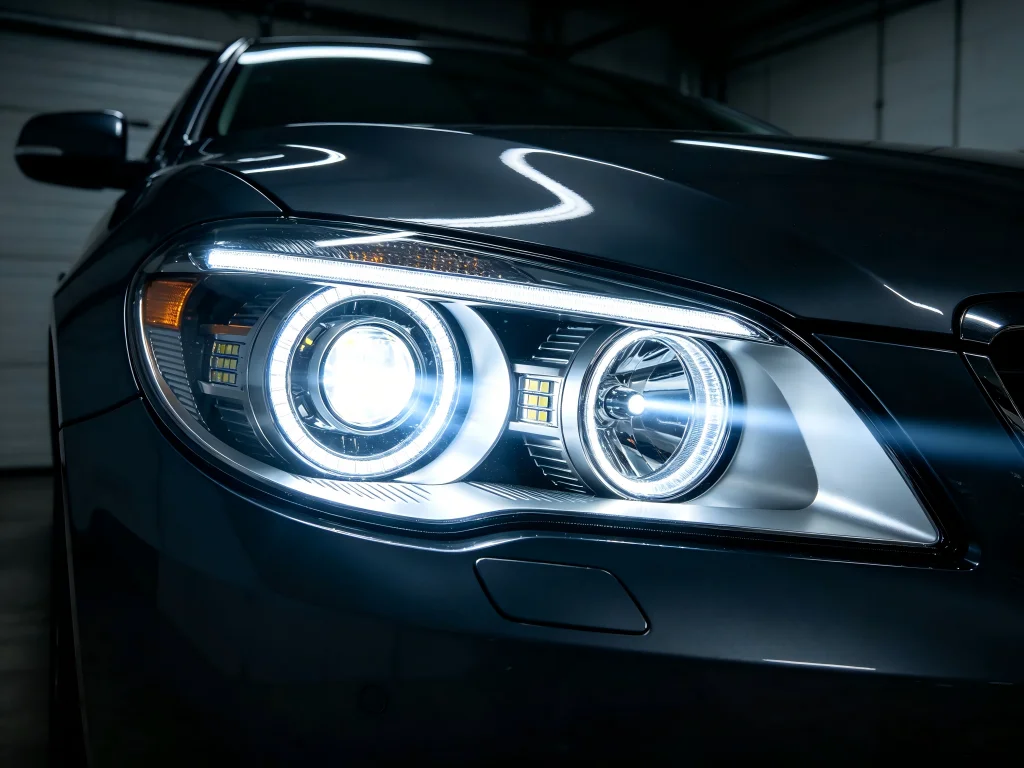
Anda Terlalu Sering Mengganti Bola Lampu Halogen
Kebanyakan bohlam halogen gagal sebelum waktunya karena kontaminasi, panas berlebih, atau ketidakcocokan tegangan—bukan karena mereka telah mencapai akhir umur alami mereka.
Mari kita langsung. Lampu halogen yang berfungsi dengan baik seharusnya memberikan layanan antara 1.000 hingga 3.000 jam tergantung pada aplikasinya. Namun banyak pengguna melaporkan menggantinya setiap beberapa bulan. Dalam aplikasi otomotif, bohlam halogen yang diandalkan pemilik mobil biasanya hanya bertahan 500 hingga 1.000 jam. Itu berarti jika Anda mengemudi dua jam sehari, Anda mengganti bohlam lampu depan setiap tahun—kadang lebih.
Mengapa? Siklus halogen—teknologi yang membuat lampu ini lebih terang dan lebih tahan lama daripada lampu pijar tradisional—sangat sensitif. Ini bergantung pada suhu operasi yang presisi, selubung kuarsa yang bersih, dan tegangan yang stabil. Ganggu salah satu dari ini, dan siklusnya rusak. Tungsten menguap dari filamen, menggelapkan kaca, dan bohlam mati. Lampu tidak gagal karena “tua”. Ia gagal karena ada yang salah.
Biaya Tersembunyi dari Penggantian yang Sering
Bohlam halogen yang terbakar di tangan Anda mewakili lebih dari beberapa dolar. Pertimbangkan polanya: Anda membeli pengganti, memasangnya dengan hati-hati (atau tidak), dan dalam hitungan minggu atau bulan, Anda kembali ke toko. Untuk operasi komersial—bengkel, ruang ritel, atau armada kendaraan—biaya ini berlipat ganda dengan cepat.
Satu bohlam halogen 100W dapat menghasilkan suhu hingga 200°C. Di fitting tersembunyi atau tertutup, panas itu menumpuk. Bohlam memasak dirinya sendiri, fittingnya rusak, dan dalam kasus ekstrem, Anda menciptakan bahaya kebakaran. Kami telah melihat pemilik bengkel mengganti seluruh susunan pencahayaan karena bohlam berkualitas buruk terlalu panas dan merusak soket.
Lalu ada waktu henti. Bohlam halogen lampu depan yang mati di malam hari tidak hanya merepotkan—itu berbahaya. Lampu halogen yang berkedip atau redup dalam pengaturan pencahayaan tugas mengurangi produktivitas dan membuat mata tegang. Ini bukan masalah teoretis. Ini adalah realitas sehari-hari bagi siapa pun yang bergantung pada pencahayaan halogen.
Mengapa Kebanyakan Bola Lampu Halogen Gagal—Ilmu yang Perlu Anda Ketahui
Lampu halogen (juga disebut tungsten halogen atau kuarsa-halogen) mengandung filamen tungsten yang disegel dalam selubung kuarsa kompak yang diisi dengan gas inert dan sejumlah kecil halogen—biasanya yodium atau bromin. Ketika filamen memanas, tungsten menguap. Dalam lampu pijar standar, tungsten itu mengembun di kaca, menghitamkannya. Dalam lampu halogen, gas halogen bergabung dengan tungsten yang menguap untuk membentuk senyawa yang mengendapkan kembali pada filamen.
Siklus halogen ini menjaga selubung tetap jernih dan memperpanjang umur filamen. Tetapi hanya bekerja dalam kisaran suhu yang sempit. Terlalu panas, dan tungsten menguap lebih cepat daripada siklus yang dapat mengembalikannya. Terlalu dingin, dan reaksi melambat atau berhenti sepenuhnya.
Inilah mengapa penanganan itu penting. Minyak dari ujung jari Anda menciptakan titik panas pada selubung kuarsa. Titik panas itu mengganggu keseimbangan termal dan dapat menyebabkan bohlam gagal atau bahkan meledak. Ini juga mengapa fluktuasi tegangan berbahaya—mereka mendorong filamen keluar dari kisaran operasi optimalnya.
Cara Berhenti Membuang Uang untuk Penggantian Bola Lampu Halogen
1. Tangani Setiap Bola dengan Benar
Jangan pernah menyentuh kaca bohlam halogen dengan jari telanjang. Gunakan sarung tangan lateks, tisu, atau kain bersih selama pemasangan. Praktik tunggal ini menghilangkan penyebab paling umum kegagalan prematur. Jika Anda tidak sengaja menyentuh kaca, bersihkan secara menyeluruh dengan isopropil alkohol sebelum menyalakan lampu.
2. Cocokkan Tegangan dan Wattage Secara Tepat
Bohlam pengganti harus memiliki peringkat tegangan yang sama dan watt tidak lebih tinggi dari yang ditentukan fitting Anda. Memasang bohlam watt lebih tinggi mungkin tampak seperti peningkatan kecerahan, tetapi menghasilkan panas berlebih yang memperpendek umur dan merusak fitting.
3. Biarkan Pendinginan yang Tepat Sebelum Menangani
Lampu halogen beroperasi pada suhu ekstrem. Selalu tunggu setidaknya 10 menit setelah mematikan sebelum menyentuh atau mengganti bohlam. Ini bukan hanya tentang keselamatan—kejutan termal dari pendinginan cepat dapat membahayakan selubung kuarsa.
4. Pilih Kualitas daripada Harga
Tidak semua bohlam halogen diciptakan sama. Bohlam di bawah standar dapat melebihi watt dan lumen yang diizinkan hingga 49%, berisiko menyebabkan kabel terlalu panas dan menghasilkan silau yang berbahaya. Opsi termurah seringkali lebih mahal dalam jangka panjang melalui penggantian yang sering dan kerusakan perlengkapan.
Pengguna Nyata Berbagi Pengalaman Mereka
“Saya mengganti downlight halogen setiap tiga bulan di ruang pamer saya. Beralih ke lampu halogen GTR dan set pertama bertahan lebih dari 18 bulan. Perlengkapan yang sama, penggunaan yang sama—hanya bohlam yang lebih baik.” — Marcus T., Manajer Pencahayaan Ritel
“Bengkel armada kami dulu menyimpan kotak bohlam lampu depan halogen. Sejak beralih ke halogen kelas otomotif GTR, kami mengurangi frekuensi penggantian lebih dari setengahnya. Pola pancaran sinarnya juga lebih bersih.” — Sarah K., Supervisor Pemeliharaan Armada
Ini bukan kasus yang terisolasi. Dalam pengujian teknik kami, kami secara konsisten mengamati bahwa lampu halogen yang diproduksi dengan benar—dengan campuran gas yang presisi, kuarsa kemurnian tinggi, dan lilitan filamen yang dikontrol secara ketat—memberikan masa pakai 40-60% lebih lama daripada rata-rata alternatif pasar.
Mengapa Lampu Halogen GTR Berbeda
GTR tidak hanya merakit bohlam. Kami merekayasanya dari kuarsa. Setiap lampu halogen dalam jajaran kami menjalani beberapa pemeriksaan kualitas: verifikasi pengisian gas, penyelarasan filamen, pengujian toleransi tegangan, dan siklus termal. Kami hanya menggunakan kuarsa kemurnian tinggi yang tahan terhadap devitrifikasi pada suhu ekstrem. Campuran gas halogen kami dikalibrasi secara presisi untuk mempertahankan siklus halogen pada rentang operasi yang lebih luas—sehingga bohlam Anda tetap berkinerja bahkan saat kondisi tidak sempurna.
Untuk aplikasi otomotif, bohlam lampu halogen yang dipilih pemilik mobil kami dibuat untuk menahan getaran, kelembapan, dan fluktuasi tegangan yang umum terjadi pada sistem kelistrikan kendaraan. Untuk pencahayaan industri dan khusus, kami menawarkan konfigurasi khusus yang sesuai dengan persyaratan perlengkapan Anda—bukan sekadar “cukup dekat”.”
Kami mendukung setiap bohlam dengan dukungan teknis yang membantu Anda mendiagnosis masalah sebelum menjadi kegagalan. Karena kami percaya pengganti terbaik adalah yang tidak perlu Anda lakukan.
Pertanyaan yang Sering Diajukan tentang Lampu Halogen
Berapa lama lampu halogen seharusnya bertahan?
Biasanya 1.000 hingga 3.000 jam untuk bohlam tujuan umum dan 500 hingga 1.000 jam untuk aplikasi lampu depan otomotif. Masa pakai tergantung pada penanganan, stabilitas tegangan, dan suhu operasi.
Mengapa bola halogen menghitam dan meredup seiring waktu?
Penghitaman terjadi ketika siklus halogen rusak—biasanya karena kontaminasi, panas berlebih, atau ketidakcocokan tegangan. Tungsten menguap dari filamen dan mengembun di kaca alih-alih kembali ke filamen.
Bisakah saya mengganti bola halogen dengan LED?
Ya, tetapi kompatibilitas penting. Pengganti LED menggunakan energi jauh lebih sedikit—biasanya 80-85% lebih sedikit daripada halogen—dan bertahan jauh lebih lama. Namun, beberapa perlengkapan dengan transformator yang ada yang dirancang untuk halogen mungkin tidak berfungsi dengan benar dengan bohlam LED.
Mengapa bohlam halogen menjadi sangat panas?
Lampu halogen menghasilkan cahaya dengan memanaskan filamen tungsten hingga suhu ekstrem. Sebagian besar energi dilepaskan sebagai panas—ini melekat pada teknologi tersebut. Ventilasi perlengkapan yang tepat sangat penting.
Apakah berbahaya jika bola halogen pecah?
Ya. Bohlam halogen beroperasi di bawah tekanan tinggi dan dapat meledak jika selubung kuarsa terganggu. Jangan pernah mengoperasikan bohlam yang rusak atau retak. Ganti segera.
Apa perbedaan antara halogen dan pijar?
Lampu halogen adalah jenis pijar yang menggunakan gas halogen untuk mengendapkan kembali tungsten yang menguap ke filamen, memperpanjang umur dan menjaga kejernihan. Lampu ini lebih panas dan lebih terang daripada lampu pijar standar.
Bagaimana cara membuang bohlam halogen dengan aman?
Bohlam halogen tidak mengandung merkuri seperti CFL, tetapi tetap harus dibuang dengan benar. Bungkus dengan kertas atau plastik untuk mencegah pecah, lalu ikuti pedoman pembuangan setempat.
Hentikan Siklus Penggantian—Dapatkan Bohlam yang Tahan Lama
Anda sudah cukup lama menghadapi kedipan, penghitaman, dan keausan dini. Setiap lampu halogen yang gagal adalah waktu, uang, dan produktivitas yang hilang. Lampu halogen GTR dirancang untuk memberikan cahaya yang konsisten dan andal selama ribuan jam—sehingga Anda dapat fokus pada pekerjaan Anda, bukan pada perlengkapan lampu Anda. Baik Anda membutuhkan bohlam lampu depan otomotif, pencahayaan tugas industri, atau solusi halogen khusus, kami memiliki keahlian dan jangkauan produk yang sesuai.
Kunjungi https://www.rhgtr.com untuk menjelajahi berbagai lampu halogen kami dan menemukan pengganti yang tepat untuk aplikasi Anda. Hubungi tim teknis kami untuk rekomendasi yang dipersonalisasi—karena bohlam yang tepat mengubah segalanya.