Finalmente hizo el cambio a bombillas LED para automóviles. Leyó las reseñas, verificó los lúmenes y hizo clic en “comprar”. Luego las instaló. Y algo se sintió… raro.
La luz se dispersó por todas partes excepto donde la necesitaba. Los conductores que venían en sentido contrario le destellaron las luces altas. O peor: las bombillas parpadearon como un tubo fluorescente defectuoso, y su tablero se encendió con una luz de advertencia.
Esto no es culpa suya. La Bombillas LED para faros de automóvil el mercado está inundado de productos que se ven muy bien en el papel pero fallan en condiciones reales de conducción. Y la mayoría de los conductores no se dan cuenta hasta que ya están atrapados con un juego de bombillas caras e inútiles.
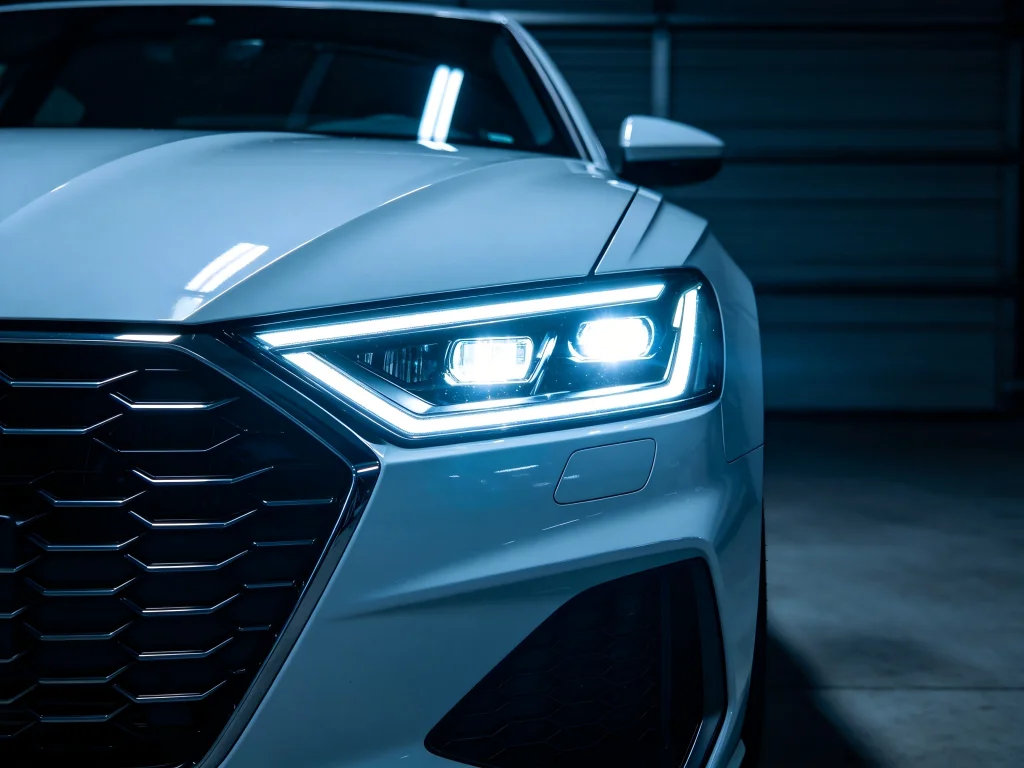
La pesadilla de la que nadie habla al actualizar a bombillas LED para automóviles
Pintemos un cuadro. Son las 10 PM. Estás en una carretera oscura y sinuosa. Está lloviendo. Tus nuevas bombillas LED para automóviles se supone que te dan mejor visibilidad — por eso las compraste.
En cambio, el patrón del haz está tan disperso que apenas puedes ver 50 pies hacia adelante. ¿La afirmación de “600% más brillante” en la que confiaste? Resulta que se midió en un laboratorio, no en una carretera real. Y ahora estás agarrando el volante, entrecerrando los ojos a través de la lluvia, preguntándote por qué alguna vez pensaste que ¿puedo poner bombillas LED en mi coche? era una pregunta simple de sí o no.
Este escenario se repite miles de veces cada semana. Los conductores compran kits de retroadaptación LED baratos o mal especificados, los instalan y terminan con peor visibilidad que sus antiguas bombillas halógenas — además de un dolor de cabeza por el deslumbramiento y un tablero lleno de códigos de error.
El costo real de una mala actualización a LED
El problema no es que la tecnología LED no funcione. Es que la mayoría de las opciones de precio de bombilla LED para faro de automóvil en el mercado recortan gastos donde más importa. Esto es lo que realmente sucede cuando instalas las bombillas equivocadas:
- Patrones de haz dispersos que reducen la iluminación útil de la carretera en un 40-60% en comparación con la luz correctamente enfocada
- Deslumbramiento que ciega al tráfico que viene en sentido contrario — y te convierte en un objetivo para las paradas policiales
- Parpadeo y errores de CANbus porque la computadora de tu vehículo no reconoce el menor consumo de energía
- Fallo prematuro por una disipación de calor inadecuada: los LED generan calor intenso en la unión del chip, y sin un enfriamiento adecuado, se degradan rápidamente
- Problemas legales — en los EE. UU., instalar bombillas LED de posventa en carcasas halógenas viola la FMVSS 108 y puede resultar en multas
Un usuario del foro en un sitio de entusiastas de camionetas Ford lo dijo sin rodeos: “Si ves un producto que afirma 25,000 lúmenes por bombilla, necesitaría consumir más de 220 W de potencia real, suficiente para potencialmente derretir la carcasa de plástico del faro y estresar el cableado de fábrica.”
Eso no es una mejora. Eso es una responsabilidad.
Por qué sus bombillas LED para faros de automóvil siguen parpadeando: el problema del CANbus
Aquí hay una verdad difícil que la mayoría de los vendedores no te dirán: tu automóvil es más inteligente que tus nuevas bombillas.
Los vehículos modernos utilizan un sistema de red de área de controlador (CANbus) que monitorea constantemente los componentes eléctricos. Cuando reemplazas una bombilla halógena (que consume 55 W) con una bombilla LED (que puede consumir 15-25 W), el sistema detecta una “discrepancia de consumo de energía”. Asume que la bombilla está fundida y activa una luz de advertencia.
Esto no es un defecto: es tu automóvil haciendo exactamente lo que fue diseñado para hacer. El problema es que la mayoría de los kits LED económicos no incluyen el circuito necesario para comunicarse correctamente con la computadora de tu vehículo.
Respuesta directa: los errores de CANbus ocurren porque las bombillas LED consumen significativamente menos energía que las bombillas halógenas, y la computadora de tu vehículo interpreta este menor consumo como una bombilla fundida. La solución requiere bombillas compatibles con CANbus con decodificadores integrados o resistencias externas que imiten la carga eléctrica de una bombilla halógena.
¿El parpadeo que ves? Eso suele ser el resultado de los pulsos de diagnóstico que envía la computadora de tu vehículo para comprobar si la bombilla sigue funcionando. Los LED estándar reaccionan a estos pulsos parpadeando. Los LED preparados para CANbus están diseñados para ignorar estos pulsos o responder de una manera que la computadora acepte.
Sin esta característica, no solo estás lidiando con un parpadeo molesto. Estás comprometiendo tu seguridad cada vez que conduces de noche.
El peligro oculto: el patrón de haz y la regla de diseño 1:1
Probablemente hayas oído que las bombillas LED son “más brillantes” que las halógenas. Pero el brillo sin enfoque es inútil, y peligroso.
Aquí está la realidad de la ingeniería: los reflectores halógenos están diseñados en torno a la posición exacta del filamento dentro de la bombilla. La superficie curva del reflector está calculada para captar la luz desde ese punto preciso y proyectarla hacia adelante en un haz controlado.
Cuando instalas una bombilla LED donde los chips emisores de luz no se encuentran en exactamente la misma posición que el filamento halógeno, el reflector no puede hacer su trabajo. La luz se dispersa por todas partes. Obtienes:
- Puntos oscuros donde más necesitas luz
- Exceso de luz por encima de la línea de corte que deslumbra a otros conductores
- Visibilidad a distancia reducida porque el punto caliente no está enfocado correctamente
Respuesta directa: un diseño 1:1 significa que los chips LED están posicionados en exactamente el mismo lugar que estaba el filamento halógeno. Esto asegura que la carcasa del reflector de tu vehículo proyecte la luz correctamente, manteniéndola en la carretera donde la necesitas y fuera de los ojos de los conductores que vienen de frente.
Incluso el LED más brillante no funcionará bien si el haz no está formado correctamente. En nuestras pruebas de ingeniería en GTR, hemos visto bombillas de “20,000 lúmenes” que producían menos iluminación útil en la carretera que una halógena de 1,000 lúmenes, simplemente porque la luz iba a todas partes excepto a donde debía.
El asesino pasado por alto: la gestión del calor
A diferencia de las bombillas halógenas que irradian calor hacia atrás, los LED generan calor intenso justo en la unión del pequeño chip. Si ese calor no se elimina rápidamente, el chip LED se degrada. El brillo disminuye. El color cambia. Y eventualmente, la bombilla falla.
Hay dos enfoques principales de enfriamiento en el mercado:
| Tipo de refrigeración | Cómo Funciona | Ventajas | Desventajas |
|---|---|---|---|
| Pasivo (Disipador de calor) | Las aletas de aluminio disipan el calor mediante convección natural | Silencioso, sin partes móviles, compacto | Capacidad de enfriamiento limitada para bombillas de alta salida |
| Activo (Enfriado por ventilador) | Un pequeño ventilador extrae el calor del chip | Rendimiento térmico superior, admite mayor brillo | Ligero ruido operativo, el ventilador puede fallar |
Los LED de alta salida generan más calor del que los sistemas pasivos pueden disipar de manera realista en carcasas pequeñas. El flujo de aire forzado es necesario para mantener temperaturas de operación seguras en la mayoría de los vehículos.
Pero esto es lo que las hojas de especificaciones no te dirán: la calidad del ventilador importa. Un ventilador barato fallará en cuestión de meses. Un ventilador de ingeniería de precisión con rodamientos sellados puede durar más que tu vehículo.
En nuestras pruebas de durabilidad, hemos visto bombillas LED sin ventilador perder un 30-40% de su brillo inicial dentro de las 500 horas de operación debido a la degradación térmica. Las bombillas con enfriamiento activo y una gestión térmica adecuada mantuvieron más del 85% del brillo inicial después de 3,000 horas.
Lo que las reseñas no le cuentan sobre las bombillas LED para faros de automóvil
Desplazarse por las reseñas de Amazon no te salvará. La mayoría de los revisores instalan sus nuevos LED, conducen alrededor de la cuadra y publican una reseña de 5 estrellas basada en los primeros 10 minutos de uso.
No te cuentan sobre:
- El parpadeo que comenzó tres semanas después
- El error CANbus que apareció después del primer viaje largo
- El patrón de haz que se ve bien en la entrada pero se dispersa en carreteras reales
- El brillo que se redujo a la mitad después de seis meses de conducción diaria
Los hilos de Reddit están llenos de estas historias. Un conductor escribió: “Compré un kit $60 con reseñas de 5 estrellas. La primera semana fue genial. La segunda semana, comenzó el parpadeo. La tercera semana, una bombilla murió por completo. ¿Atención al cliente? Inexistente.”
Otro compartió: “Instalé LED ‘plug and play’ en mi Civic. Tuve que quitarlos después de una semana porque cada conductor que venía de frente me encandilaba con sus luces altas. El deslumbramiento era terrible.”
Estos no son incidentes aislados. Son el resultado predecible de elegir el producto equivocado para tu vehículo específico y tus condiciones de conducción.
Su exposición legal: ¿son siquiera legales las bombillas LED de posventa?
Aquí hay una verificación de la realidad que la mayoría de los fabricantes no mencionarán: en los Estados Unidos, instalar bombillas LED o HID en carcasas halógenas viola la FMVSS 108 a menos que el ensamblaje completo cumpla con los estándares de certificación DOT.
La ley federal exige que todos los equipos de iluminación de vehículos cumplan con la Norma Federal de Seguridad de Vehículos Motorizados No. 108. Si bien los LED están permitidos como fuente de luz en los faros, ninguna bombilla de repuesto LED está actualmente aprobada por la NHTSA para su uso en sistemas de faros halógenos.
¿Qué significa esto para ti? Si instalas bombillas LED de posventa en las carcasas halógenas originales de tu automóvil, técnicamente estás violando la ley federal. Y en algunos estados, puedes recibir una multa por ello.
Esto no se trata de tácticas de miedo. Se trata de entender el panorama completo antes de gastar tu dinero.
La solución GTR: diseñada para carreteras reales, no para bancos de laboratorio
Después de años de experiencia en fabricación y miles de horas de pruebas en condiciones reales, construimos algo diferente en GTR.
Las bombillas de faro LED GTR Ultra 3 están diseñadas desde cero para resolver cada problema que acabamos de describir:
- Posicionamiento de filamento 1:1 real — los chips LED se colocan exactamente donde pertenece el filamento halógeno, ofreciendo un patrón de haz nítido y enfocado que mantiene la luz en la carretera
- Refrigeración activa avanzada con un ventilador de precisión que mantiene la temperatura óptima del chip incluso en condiciones extremas
- Diseño compatible con CANbus con decodificación integrada: sin parpadeos, sin códigos de error, sin resistencias externas que cablear
- 4700 lúmenes brutos de salida de luz utilizable que conserva el 87% del brillo inicial después de un viaje típico de 27 minutos
- Consumo de 43W — lo suficientemente brillante como para transformar tu conducción nocturna sin sobrecargar el sistema eléctrico de tu vehículo
Pruebas independientes realizadas por Headlight Revolution encontraron que el GTR Ultra 3 produjo las lecturas de lux más altas jamás registradas en el alojamiento del reflector de un Honda Civic: 742% más brillante que el halógeno de serie. En las pruebas con Jeep Wrangler, nuestras bombillas fueron un 58% más brillantes que el competidor más cercano.
Pero los números solo cuentan parte de la historia. Los conductores reales informan lo que más importa: “Corte plano y nítido con el levantamiento correcto del haz de cruce y un aumento instantáneo en brillo, temperatura de color y, lo más importante, mayor alcance.”
Eso es lo que ofrece una ingeniería adecuada. No solo más luz — la tipo luz, en el tipo lugar, cada vez que conduces.
Preguntas frecuentes sobre bombillas LED para automóviles
¿Puedo poner bombillas LED en mi coche?
Sí, pero no todos los coches pueden aceptar todas las bombillas LED. Debe verificar la compatibilidad del tamaño de la bombilla, el ajuste físico (los LED suelen ser más grandes que los halógenos) y si su vehículo tiene monitoreo CANbus que requiere bombillas sin errores.
¿Puedo reemplazar las bombillas del coche con LED sin modificar mi vehículo?
En la mayoría de los casos, sí — siempre que elija un kit LED plug-and-play diseñado para el tamaño específico de su bombilla. Sin embargo, puede necesitar decodificadores CANbus para vehículos con sistemas de monitoreo de bombillas.
¿Las bombillas LED para faros de coche causarán deslumbramiento a otros conductores?
Solo si el patrón del haz es incorrecto. Las bombillas con posicionamiento de filamento 1:1 y patrones de haz enfocados minimizan el deslumbramiento. Las bombillas baratas con haces dispersos son una causa principal de quejas de los conductores que vienen de frente.
¿Cuánto duran las bombillas LED para coches?
Las bombillas LED de calidad están clasificadas para 25,000-30,000 horas o más — aproximadamente 20-30 veces más que las halógenas. Pero esto supone una gestión térmica adecuada. Un enfriamiento deficiente puede reducir drásticamente la vida útil.
¿Son legales las bombillas LED para faros?
Los sistemas LED instalados de fábrica son legales. Las bombillas LED de repuesto del mercado de accesorios en carcasas halógenas técnicamente violan la FMVSS 108 en los EE. UU. Siempre verifique las regulaciones locales y elija bombillas diseñadas para su tipo de carcasa específico.
¿Por qué parpadean mis faros LED?
El parpadeo generalmente es causado por un problema de comunicación CANbus: la computadora de su vehículo envía pulsos de diagnóstico a los que los LED estándar reaccionan. Los LED compatibles con CANbus con decodificadores integrados eliminan este problema.
¿Cuánto debería pagar por una bombilla de faro LED para automóvil?
Las bombillas de faro LED de calidad generalmente oscilan entre $50 y $150 o más. Las bombillas por debajo de este rango a menudo recortan en chips, refrigeración o compatibilidad CANbus. Recuerde: el precio de bombilla LED para faro de automóvil refleja la ingeniería interna.
¿Cuál es la mejor temperatura de color para bombillas LED para automóviles?
5000K-6000K produce una luz blanca limpia que mejora la claridad. Evite superar los 6000K: el tinte azulado reduce la visibilidad en lluvia, niebla y nieve.
Deje de jugar a la ruleta con su seguridad al conducir de noche
No buscó bombillas LED para automóviles porque quería gastar dinero en productos que no funcionan. Buscó porque quiere ver mejor de noche. Quiere conducir con confianza. Quiere una mejora que realmente funcione.
La diferencia entre una experiencia LED frustrante y una transformadora se reduce a una cosa: ingeniería que prioriza el rendimiento en el mundo real sobre las afirmaciones de marketing.
En GTR, no perseguimos números de lúmenes. Buscamos luz utilizable — luz enfocada donde la necesita, que permanece brillante con el tiempo y funciona perfectamente con los sistemas de su vehículo. Luz que hace que conducir de noche se sienta como de día.
Más de 250 bombillas LED probadas por revisores independientes. La GTR Ultra 3 salió en primer lugar, no por especificaciones infladas, sino por ingeniería superior.
Tu coche merece algo mejor que un kit barato que falla en seis meses. Tú mereces algo mejor que entrecerrar los ojos a través de luz dispersa en carreteras oscuras.
Mejora a las bombillas LED para faros GTR Ultra 3 hoy. Experimenta la diferencia que hace la ingeniería de precisión: patrones de haz más nítidos, brillo constante, cero parpadeo y confianza al conducir de noche que no sabías que te faltaba.
Visita GTR Lighting para encontrar las bombillas adecuadas para tu vehículo. Porque cuando se trata de ver claramente de noche, conformarse con menos no es una opción.