You replace a halogen bulb. Two months later, it’s dead again. You’re not alone. That frustrating cycle isn’t bad luck. It’s physics. And once you understand why halogen bulbs fail the way they do, you can finally break it.
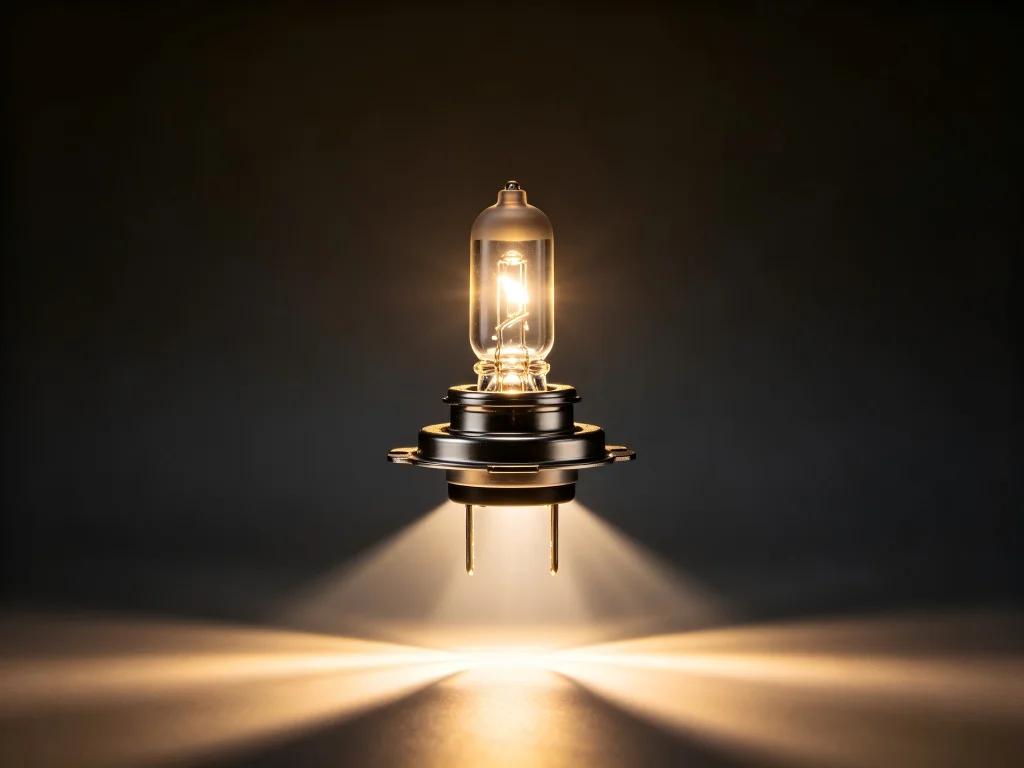
The Problem: Halogen Bulbs That Burn Out Too Fast
Let’s be honest about what’s happening. You’re buying halogen bulbs from the hardware store, popping them in, and crossing your fingers. Sometimes they last a year. Sometimes they last six weeks. There’s no consistency, and you’re tired of climbing ladders or popping hoods to replace the same fixture over and over.
Halogen bulbs are designed to burn hot. Very hot. The filament inside reaches approximately 4,500°F during normal operation. That extreme temperature is what creates that crisp, bright light you love. But it’s also the reason these bulbs have a notoriously short lifespan compared to modern alternatives.
Here’s what most people don’t realize: a halogen bulb at 75% of its original life may produce significantly less light than a new one, even though it still appears to be functioning. You’re not just replacing dead bulbs. You’re driving with dim bulbs for months before they finally give out.
The Agitation: Why the Cycle Keeps Repeating
Here’s where it gets frustrating. The same features that make halogen bulbs attractive are the features that cause them to fail.
Heat Is the Enemy
Halogen bulbs convert about 95% of their energy into heat rather than light. That heat doesn’t just warm up the bulb. It stresses every component. The tungsten filament evaporates over time. The halogen gas cycle tries to redeposit that evaporated tungsten back onto the filament, but it’s a losing battle. Eventually, the filament thins, weakens, and breaks.
You may have noticed that halogen bulbs get dangerously hot to the touch. That’s not an exaggeration. These bulbs operate at temperatures that can cause burns, melt nearby materials, or even start fires if installed incorrectly.
Contamination Kills Bulbs
Ever touched the glass of a halogen bulb with your bare fingers? The oil from your skin creates a hot spot on the quartz envelope. That hot spot weakens the glass. The bulb fails prematurely — sometimes spectacularly.
This isn’t speculation. It’s a known design limitation. Halogen bulbs are sensitive to contamination, and many users don’t realize they’ve compromised their new bulb before it’s even installed.
Voltage Fluctuations Are Silent Killers
Your home or vehicle’s electrical system isn’t perfect. Voltage spikes, even small ones, stress the filament. Each spike shortens the bulb’s life a little more. Over time, those micro-stresses accumulate until the filament finally snaps.
Standard halogen bulbs from big-box retailers aren’t built to handle these fluctuations. They’re built to a price point, not a performance standard.
The Solution: Halogen Bulbs Engineered to Last
Not all halogen bulbs are created equal. The difference between a bulb that fails in six months and one that lasts years comes down to engineering, materials, and quality control.
The solution isn’t to abandon halogen technology. It’s to choose halogen bulbs that are built correctly.
What Makes a Halogen Bulb Last Longer?
Based on our years of manufacturing expertise, here’s what actually matters:
- Filament quality. Premium bulbs use reinforced filaments with anti-vibration coatings. This isn’t marketing hype. A stronger filament handles thermal stress better and lasts longer.
- Gas mixture purity. The halogen gas inside the bulb determines how effectively the tungsten-halogen cycle works. Impure gas mixtures mean less redeposition and shorter life. Premium manufacturers use quartz-enriched gas mixtures that can prolong operational life by 30% or more.
- Quartz glass quality. The envelope must withstand extreme temperatures without deforming or cracking. High-grade quartz glass maintains its integrity longer than cheaper alternatives.
- Precise manufacturing tolerances. Small variations in filament positioning affect beam pattern, heat distribution, and ultimately, lifespan. Automated production with rigorous quality control makes a measurable difference.
Why GTR Halogen Bulbs Break the Cycle
At GTR, we don’t treat halogen bulbs as commodities. We treat them as precision components. Our manufacturing process includes:
- German-engineered filament technology for superior durability
- Premium gas mixtures that optimize the halogen cycle
- Rigorous ISO 9001 and SAE quality standards
- Automated production lines that eliminate human error in critical assembly steps
The result? Halogen bulbs that deliver the crisp, warm light you expect — without the constant replacement cycle.
Real-World Results: What Our Customers Say
We’ve heard from fleet operators who switched to GTR halogen bulbs and saw their replacement frequency drop by half. From homeowners who installed GTR bulbs in hard-to-reach fixtures and haven’t touched them in over two years. From automotive enthusiasts who wanted the classic halogen look without the constant bulb changes.
One customer put it simply: “I was replacing bulbs every few months. I put GTR bulbs in and forgot about them. That’s what I wanted all along.”
Frequently Asked Questions About Halogen Bulb Failure
Why do my halogen bulbs keep burning out?
Halogen bulbs fail prematurely due to filament degradation from heat, contamination from skin oils, voltage fluctuations, or poor manufacturing quality. Premium halogen bulbs with reinforced filaments and pure gas mixtures last significantly longer than standard retail options.
Can I touch a halogen bulb with my fingers?
No. The natural oils from your skin create hot spots on the quartz envelope, weakening the glass and causing premature failure. Always handle halogen bulbs with a clean cloth or gloves.
How long should a halogen bulb last?
Standard halogen bulbs typically last 500 to 2,000 hours under normal conditions. Premium halogen bulbs can extend that significantly through better materials and construction. However, actual lifespan varies based on usage patterns, voltage stability, and environmental factors.
Are halogen bulbs being banned?
Regulations vary by region. In the EU, halogen bulbs now score F or G on energy labels and are practically banned for general lighting. The UK phased out halogen bulb sales in 2021. However, automotive halogen bulbs and specialty applications often have exemptions. Check your local regulations for specific guidance.
Do halogen bulbs dim over time?
Yes. Halogen bulbs gradually lose brightness as the filament degrades. A bulb at 75% of its rated life may produce significantly less light than a new one, even though it still appears to work.
Are halogen bulbs better than LED?
It depends on your priorities. Halogen bulbs offer instant full brightness, excellent color rendering (100 CRI), and warm light quality. LEDs are more energy-efficient and last longer but cost more upfront and may not work in all fixtures. Many users prefer halogen for specific applications where light quality matters more than energy savings.
Stop the Replacement Cycle Today
You don’t need to accept constant bulb failures as normal. You don’t need to climb that ladder every few months or keep spare bulbs in your glove box. You need halogen bulbs that are engineered to last.
GTR halogen bulbs are built differently. Better materials. Tighter tolerances. Real quality control. The result is a halogen bulb that delivers the light you want without the frustration you’ve been tolerating.
Visit www.rhgtr.com to explore our full range of premium halogen bulbs. Find your bulb type. Install it once. And stop thinking about it.