You’re six miles from home. No streetlights. Your bicycle headlight starts flickering, then dies. You’re left squinting at the pavement, one hand on the brakes, praying a car’s headlights catch you before you catch a pothole. That sinking feeling isn’t just uncomfortable—it’s dangerous. And yet, thousands of cyclists experience this exact scenario every week. Here’s why it keeps happening, and what actually works.
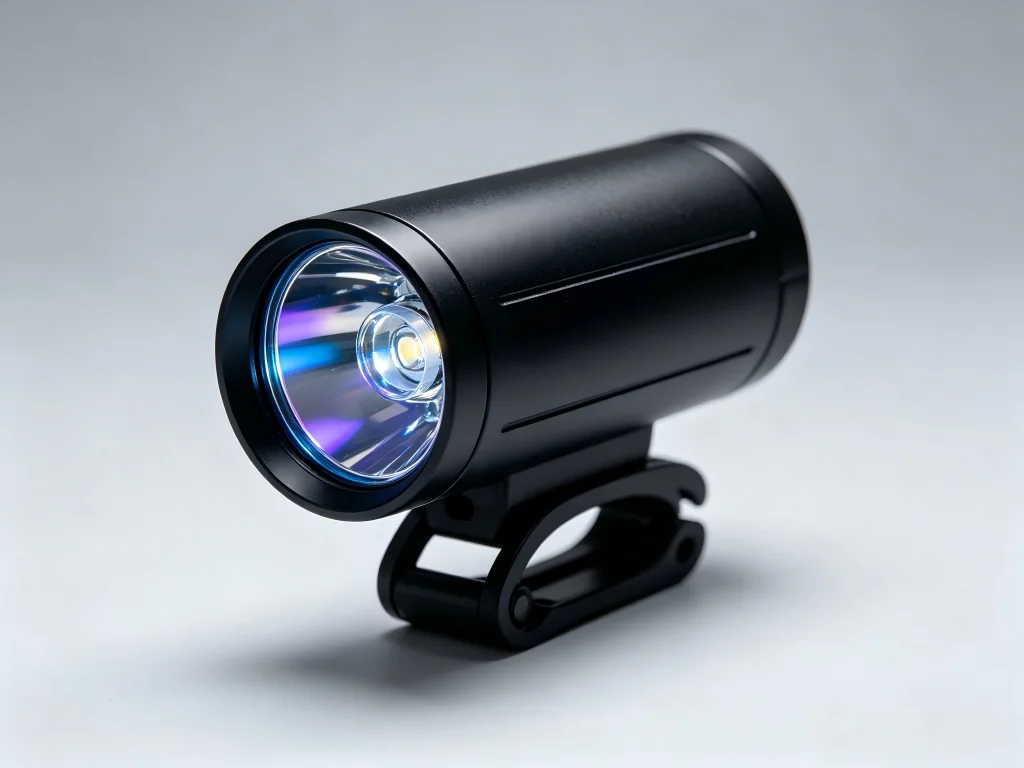
The 3 AM Reality: When Your Headlight Becomes a Liability
Let’s paint the picture honestly. You invested in what looked like a decent bicycle headlight and taillight combo. The packaging promised “ultra-bright” and “long-lasting.” But on a damp autumn night, with traffic merging from your left, that “500-lumen” claim turns out to be closer to 150. The beam is so narrow you can’t see the curb. The battery indicator says full, but twenty minutes in, you’re already running on reserve.
We’ve spoken to commuters who’ve had their bicycle headlight mount snap mid-ride, sending their only light source bouncing down the road. Mountain bikers who’ve had their bicycle headlight rechargeable battery swell and fail after six months of use. Urban riders who bought a bicycle headlight with horn only to discover the horn drains the battery so fast it’s practically useless by the time they hit traffic.
This isn’t bad luck. It’s bad engineering. And it’s far more common than most bicycle headlight reviews let on.
Why Most Bicycle Headlights Let You Down
The Lumen Lie
Here’s what the industry doesn’t tell you. Lumen ratings on most consumer-grade bicycle headlights are measured at the LED source—not what actually hits the road. A light claiming 1,000 lumens may deliver barely 400 in real-world conditions once heat, optics, and battery sag take their toll. As one industry analysis notes, max lumen ratings often aren’t the best metric for choosing your next light. What matters is sustained output, beam pattern, and thermal management.
The Battery Betrayal
Die meisten bicycle headlight rechargeable units use cheap lithium-ion cells with no thermal protection. They overheat, they degrade, and they lie about their capacity. A battery that promised four hours of runtime may give you ninety minutes after fifty charge cycles. And when it fails, you can’t replace it—the whole unit becomes e-waste.
The Mount That Doesn’t
A bicycle headlight bracket should be simple. But cheap plastic mounts crack under vibration. Rubber straps stretch and slip. And when your light rotates downward mid-ride, you’re suddenly illuminating your front tire instead of the road ahead. Most bicycle headlight mount designs treat the bracket as an afterthought—and your safety pays the price.
The Beam That Blinds
Have you ever been on the receiving end of an oncoming cyclist’s bicycle headlight? It’s disorienting and dangerous. Most lights scatter light upward into oncoming eyes instead of focusing it on the road where you need it. A proper beam with a cutoff line—common in German StVZO-approved designs—keeps the light where it belongs. But very few consumer lights bother with this level of optical engineering.
What Real Riders Are Saying
Scour the forums and you’ll find the same complaints echoing. One Reddit user described buying a highly-rated bicycle headlight Amazon bestseller only to have the mount snap on the first bumpy descent. Another shared photos of a “waterproof” light that filled with moisture after a single rainy commute. A third reported that their bicycle headlight and taillight set stopped holding a charge after three months—right when they needed it most for winter riding.
These aren’t isolated incidents. They’re symptoms of a market flooded with products that prioritize margin over durability, marketing over engineering. And the worst part? Most riders don’t realize they’ve bought a lemon until they’re already stranded.
The Solution: Engineering That Actually Works
Hier kommt GTR enters the picture. Not as a brand making claims, but as a manufacturer that’s spent years in the LED lighting industry solving exactly these problems. Our approach starts with a simple premise: a bicycle headlight should work when you need it, where you need it, for as long as you need it.
What Sets GTR Apart
True lumen output. We rate our lights conservatively and test them in real-world conditions—not in a lab with ideal temperatures and fresh batteries. What you see on the spec sheet is what you get on the road.
Premium battery cells. We use automotive-grade lithium-ion batteries with built-in thermal management and over-discharge protection. Our bicycle headlight rechargeable units maintain consistent output from full charge to empty, with no sudden drops or surprise failures.
Engineered mounts. Unser bicycle headlight bracket systems are CNC-machined from aircraft-grade aluminum. They clamp securely, adjust precisely, and won’t crack under vibration. Whether you need a standard bicycle headlight mount for your handlebars or a specialized solution for your fork, we’ve designed it to stay put.
Optical precision. We design our beam patterns with a clear cutoff line—the same technology used in premium automotive headlights. You see the road. Oncoming riders see a polite, non-blinding light. Everyone stays safer.
Beyond the Light: Complete Visibility Systems
A front light alone isn’t enough. That’s why GTR offers integrated bicycle headlight and taillight systems designed to work together. Our taillights use advanced optics to project visibility up to 2 kilometers—not just a tiny red dot that disappears in traffic. And for riders who need extra awareness, we offer bicycle headlight with horn configurations that don’t compromise battery life or beam quality.
What to Look For in Your Next Headlight
Before you buy any bicycle headlight, verify three things: sustained lumen output (not peak), thermal management (aluminum housings dissipate heat better than plastic), and battery type (replaceable lithium-ion is a green flag).
Key Decision Factors
- Sustained vs. peak lumens: Ask for runtime charts, not just max numbers.
- Beam pattern: Look for a defined cutoff line. It matters for everyone’s safety.
- Mount quality: Metal brackets outlast plastic. Full stop.
- Waterproofing: IPX6 or higher for all-weather reliability.
- Battery replaceability: Can you swap the cell when it degrades, or is the whole unit disposable?
Real-World Testing: What Riders Are Saying About GTR
“I’ve been through five bicycle headlights Amazon bestsellers in three years. My GTR has outlasted all of them combined. The beam is actually usable—not just a bright spot in the middle of nowhere.” — Mark T., commuter, Portland
“The bicycle headlight bracket on my old light snapped during a gravel descent. The GTR mount is rock solid. I don’t even think about it anymore, which is exactly what I want.” — Sarah K., gravel rider, Colorado
“I needed a bicycle headlight with horn for city commuting. Every other option drained the battery in no time. GTR’s design keeps the horn functional without killing the light. Finally, someone got it right.” — James R., courier, Chicago
Frequently Asked Questions About Bicycle Headlights
How many lumens do I actually need for a bicycle headlight?
For urban commuting with streetlights, 200-400 sustained lumens is sufficient. For unlit roads or trails, look for 600-1,000+ sustained lumens. Remember: sustained output matters more than peak claims.
What’s the difference between a bicycle headlight and taillight?
A headlight illuminates the road ahead and makes you visible to oncoming traffic. A taillight signals your presence to traffic behind you. Taillights typically emit red light and are designed for visibility rather than illumination.
How do I mount a bicycle headlight properly?
Handlebar mounts are the most common and secure option. Ensure the bracket fits your handlebar diameter (typically 22-35mm) and allows tilt adjustment so you can aim the beam correctly without blinding oncoming traffic.
What IP rating should a bicycle headlight have?
IPX4 is the minimum for wet conditions. IPX6 or higher is recommended for serious all-weather riding. IPX7 and IPX8 offer even greater water resistance for heavy rain or submersion.
How long should a rechargeable bicycle headlight battery last?
A quality lithium-ion battery should deliver 2-4 hours at medium output and 1-2 hours at maximum, with consistent performance across its lifespan. Look for models with replaceable batteries to extend the product’s useful life.
What beam pattern is best for a bicycle headlight?
A beam with a sharp horizontal cutoff focuses light on the road and prevents glare for oncoming traffic. This is especially important for road riding where you share space with cars and other cyclists.
Can I use a bicycle headlight in the rain?
Yes—if it has adequate waterproofing. Look for IPX6 or higher. Even with good waterproofing, ensure the charging port cover is securely closed before riding in wet conditions.
Your Next Ride Deserves Better
You shouldn’t have to choose between a light that’s bright enough, durable enough, and reliable enough. You shouldn’t have to carry a backup light because your primary can’t be trusted. And you definitely shouldn’t have to ride home in the dark, hoping for the best.
GTR builds bicycle headlights for riders who refuse to compromise. Whether you’re a daily commuter navigating city traffic, a weekend warrior hitting gravel roads, or a mountain biker pushing through technical singletrack after sunset—we engineer solutions that work. Every time.
Stop settling for lights that fail when you need them most. See what real engineering looks like.
Explore GTR’s full range of bicycle headlights and visibility systems at www.rhgtr.com