Choosing an h9 led bulb looks simple. Type the part number into a search bar, pick a listing, and wait for delivery. That approach works fine for floor mats. It fails badly for lighting. A wrong bulb can scatter light into oncoming traffic, trigger dashboard errors, overheat in a sealed housing, or die within weeks. This guide walks through the real differences between options so you can buy once and buy right.
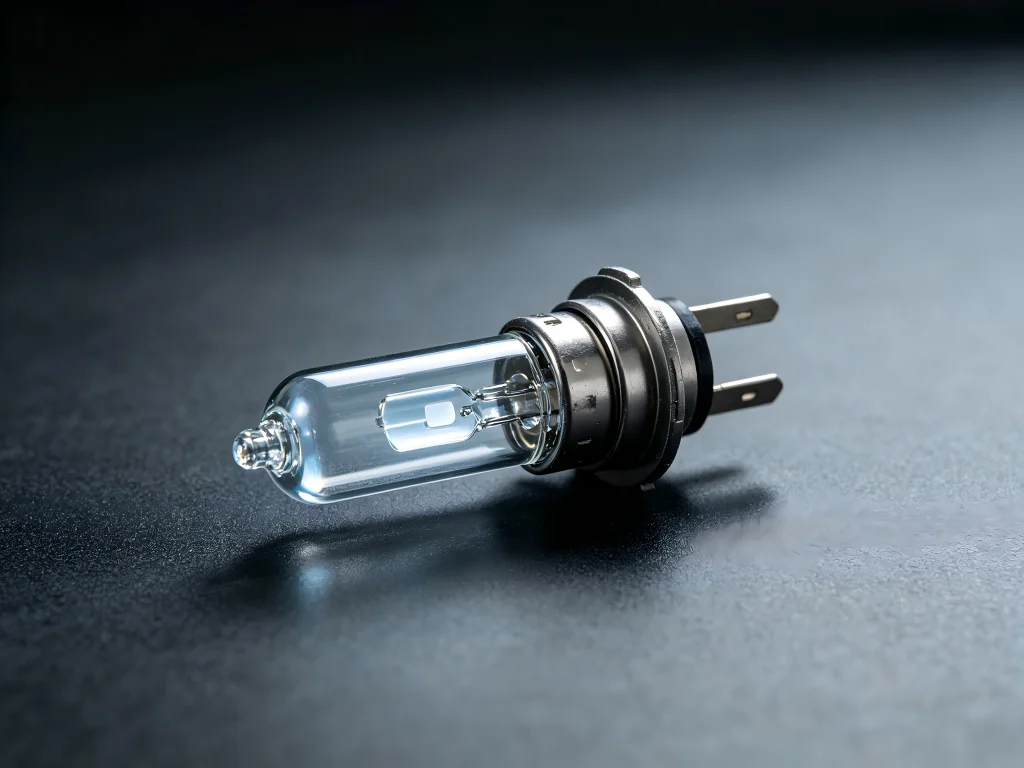
Halogen vs. LED vs. HID: What Actually Fits Your Needs
Halogen bulbs are cheap and legal but dim and short-lived. HID kits are bright but complex. LED bulbs offer the best balance of brightness, efficiency, and lifespan when properly engineered. Each technology has trade-offs. The right choice depends on your housing, your vehicle’s electrical system, and how you use your lights.
Halogen remains the baseline. It works with every housing, costs the least upfront, and never triggers CANbus errors. The downsides are well known: low output, yellow color, high heat, and frequent replacement. If you only drive in well-lit cities and rarely use high beams, halogen may be adequate. For everyone else, it is a compromise.
HID, or xenon, systems produce strong light and a wide beam. They require ballasts, warm-up time, and careful installation. Retrofitting HID into a halogen housing often creates glare because the arc source does not match the reflector’s focal point. HID also draws significant power at startup. For projector housings designed for HID, it can work well. For reflector housings, it is usually a poor match.
LED technology has matured rapidly. Modern LED bulbs produce high lumens per watt, start instantly, and last tens of thousands of hours. The critical caveat is design quality. A well-made LED bulb places chips at the correct focal point, manages heat, and works with vehicle electronics. A poorly made one does none of those things.
Comparison Table: Key Decision Factors
| Faktor | Halogen | HID | Quality LED (GTR) |
|---|---|---|---|
| Helligkeit | Niedrig | Hoch | Hoch |
| Color | Yellow | White/Blue | Crisp White |
| Lebenserwartung | Short | Mittel | Very Long |
| Einrichtung | Einfach | Complex | Easy (plug-and-play) |
| Strahlsteuerung | Factory | Housing-dependent | Factory-matched when designed correctly |
| CANbus Issues | Keine | Häufig | Managed with built-in drivers |
| Cost Over Time | Repeated replacements | High upfront | Higher upfront, lowest long-term |
Five Specs That Separate Good H9 LED Bulbs From Bad Ones
The five specs that matter most are lumen output, color temperature, chip placement, cooling design, and driver compatibility. Marketing pages often highlight only the first two. The last three determine whether the bulb actually works in your vehicle.
- Lumen output: Look for realistic numbers. A pair of quality H9 LED bulbs may produce 4,000 to 6,000 lumens. Claims of 20,000 lumens from a single bulb usually indicate exaggerated testing or misleading math. Higher lumens are not automatically better if the beam pattern scatters.
- Color temperature: 6,000K to 6,500K produces a crisp white light that mimics daylight. Higher temperatures shift toward blue, which looks trendy but performs worse in rain and fog. Lower temperatures look yellow and reduce contrast.
- Chip placement: This is the most overlooked spec. The LED chips must sit at the same location as the halogen filament. If they do not, the reflector or projector cannot focus the light. The result is glare and dead spots. Reputable manufacturers publish focal point data or test bulbs in real housings.
- Cooling design: LEDs degrade when hot. Passive aluminum heat sinks work for some applications. High-output bulbs often need active fans. Copper heat pipes can move heat away from the chip. A bulb with no visible cooling strategy is a bulb that will fade.
- Driver compatibility: CANbus systems check bulb resistance. A mismatch triggers warnings, flickering, or shutdown. Built-in drivers or external decoders solve this. Not every vehicle needs them, but the manufacturer should tell you which is which.
Where You Buy Matters More Than You Think
Search results for h9 led bulb autozone, h9 led bulb oreillys, und h9 led bulb napa reflect a common habit. Drivers want to grab a bulb locally and install it the same day. That convenience has a cost. Local shelves often carry generic LED bulbs with vague specs. Staff may not know focal point details or CANbus compatibility. You may end up with a bulb that fits the socket but fails in the housing.
Online marketplaces bring different risks. Searches for h9 led bulb amazon return thousands of listings. Some are excellent. Many are rebranded imports with inflated lumen claims. Reviews can be manipulated. Return policies vary. The low price is tempting, but a bulb that glares, flickers, or dies in three months is not a bargain.
Buying directly from a manufacturer changes the equation. You get verified specifications, real testing data, and support before and after the sale. GTR sells through https://www.rhgtr.com and works with customers to confirm fitment. That level of service is rare in the auto parts world, and it prevents expensive mistakes.
Application-Specific Advice
H9 LED Bulbs for Projector Headlights
Projector housings use a lens to focus light into a sharp beam. They are less forgiving than reflectors. An h9 led bulb for projector headlights must have chips positioned precisely at the focal point. If the chips are too tall or too far forward, the beam scatters upward and blinds other drivers. GTR tests projector compatibility before releasing a bulb. If you drive a car with projector low beams or high beams, prioritize focal accuracy over raw lumen claims.
H9 LED Bulbs for High Beam Use
High beams need reach. They also run for longer stretches on dark roads. Heat management becomes critical. A bulb that fades after 20 minutes of continuous use is useless on a highway trip. Look for active cooling and stable output. GTR high-beam bulbs maintain brightness without overwhelming the vehicle’s wiring.
H9 LED Bulbs for Bikes
Motorcycles and scooters present unique challenges. Vibration is constant. Airflow around the headlight varies with speed. Space behind the bulb is often tight. An h9 led bulb for bike application needs a compact body, vibration-resistant construction, and reliable cooling. Many riders also need CANbus decoders to prevent flicker. GTR offers bike-specific guidance to match the right bulb to the housing.
H9 LED Bulbs for Cars and Trucks
Full-size trucks and SUVs often use H9 bulbs in high-beam positions. These vehicles benefit from LED upgrades because their large reflectors can handle increased output. However, lifted trucks may need headlight aim adjustment after installation. Always re-aim your lights after upgrading to avoid blinding other drivers.
Installation Tips That Prevent Headaches
- Disconnect the battery before starting. This prevents accidental shorts and protects sensitive electronics.
- Check clearance behind the housing. Some LED bulbs are longer than halogen bulbs. Measure before ordering if space is tight.
- Do not touch the LED chips with bare fingers. Oils can reduce performance and lifespan.
- Test both bulbs before reassembling the airbox or trim. It is easier to troubleshoot with access.
- Re-aim your headlights after installation. Park facing a wall or garage door and adjust according to your vehicle’s manual.
- Keep the original halogen bulbs as spares. They are useful for emergencies or if you need to revert for inspection.
What Real Owners Report
We pay attention to owner feedback across forums and review platforms. A few patterns stand out. Drivers who upgrade from halogen to a quality LED consistently mention better night vision and less eye strain. Truck owners appreciate the reduced power draw, especially when running auxiliary lights. Bike riders value the compact options that fit tight housings. The most common complaint comes from buyers who chose the cheapest listing and received a bulb with poor beam control. Those stories reinforce a simple lesson: specifications and testing matter more than the lowest price.
Häufig gestellte Fragen
Are H9 LED bulbs legal?
Legality depends on your region and how the bulb performs in your housing. Many places allow LED upgrades if the beam pattern remains compliant and does not glare. Check local regulations and choose bulbs that preserve the factory cutoff. GTR designs with road safety in mind. For general context, see Wikipedia’s headlamp overview.
Will an H9 LED bulb fit my car if it uses H11?
H9 and H11 bulbs share a similar base but differ in key dimensions. They are not always interchangeable. Using the wrong bulb can damage the socket or create a poor beam. Always match the bulb type specified in your owner’s manual.
Do I need to replace both bulbs at once?
Yes. Bulbs age together. Replacing only one side can create uneven light output and color mismatch. Replace in pairs for consistent performance.
How do I know if my vehicle needs a decoder?
Symptoms include flickering, error messages, or bulbs that do not turn on. European vehicles and newer models are more likely to need decoders. GTR can confirm compatibility for your specific make and model.
Can I use H9 LED bulbs in fog lights?
Some drivers do, but fog lights have specific beam requirements. A bright white LED may reflect off fog and reduce visibility. Yellow or selective yellow bulbs often perform better in fog. Use H9 LEDs in fog housings only if the beam pattern is appropriate.
What is the lifespan of a quality H9 LED bulb?
A well-engineered LED bulb can last 30,000 to 50,000 hours. That is many times longer than halogen. Cooling design and driver quality determine whether it reaches that potential.
Why do some H9 LED bulbs cost so little?
Low-cost bulbs often skip thermal management, use lower-grade chips, and ignore focal point accuracy. They may work briefly, but they tend to fail early or perform poorly. The upfront savings rarely last.
Can I install H9 LED bulbs myself?
Yes, for most vehicles. Installation is similar to replacing a halogen bulb. Some engine bays require removing a battery or airbox for access. No special tools are needed. If you are unsure, a local mechanic can install them quickly.
Make the Right Choice the First Time
The difference between a great LED upgrade and a frustrating one comes down to engineering and guidance. You can gamble on a generic listing and hope for the best. Or you can choose a manufacturer that tests focal points, manages heat, and supports your specific vehicle. GTR exists for the second path.
Besuchen Sie https://www.rhgtr.com to compare H9 LED options, confirm fitment, and get answers before you buy. Your night vision, your safety, and your peace of mind are worth more than a few dollars saved on the wrong bulb. Choose the upgrade that works the first time.