أنت تنطلق بسرعة 65 ميلاً في الساعة على طريق سريع مظلم. أضواء شاحنتك أضواء شاحنتك تخترق الضباب أمامك، لكن هناك شيء غير طبيعي. الشعاع أضعف مما كان عليه الشهر الماضي. الحواف غير واضحة. تضيق عينيك محاولًا رؤية الكتف. عيناك تحترقان. قبضتك تشتد على المقود. أنت لست غير مرتاح فحسب — بل غير آمن. وأنت تعرف ذلك.
هذا ليس عن الراحة. هذا عن ما إذا كنت ستعود إلى المنزل الليلة.
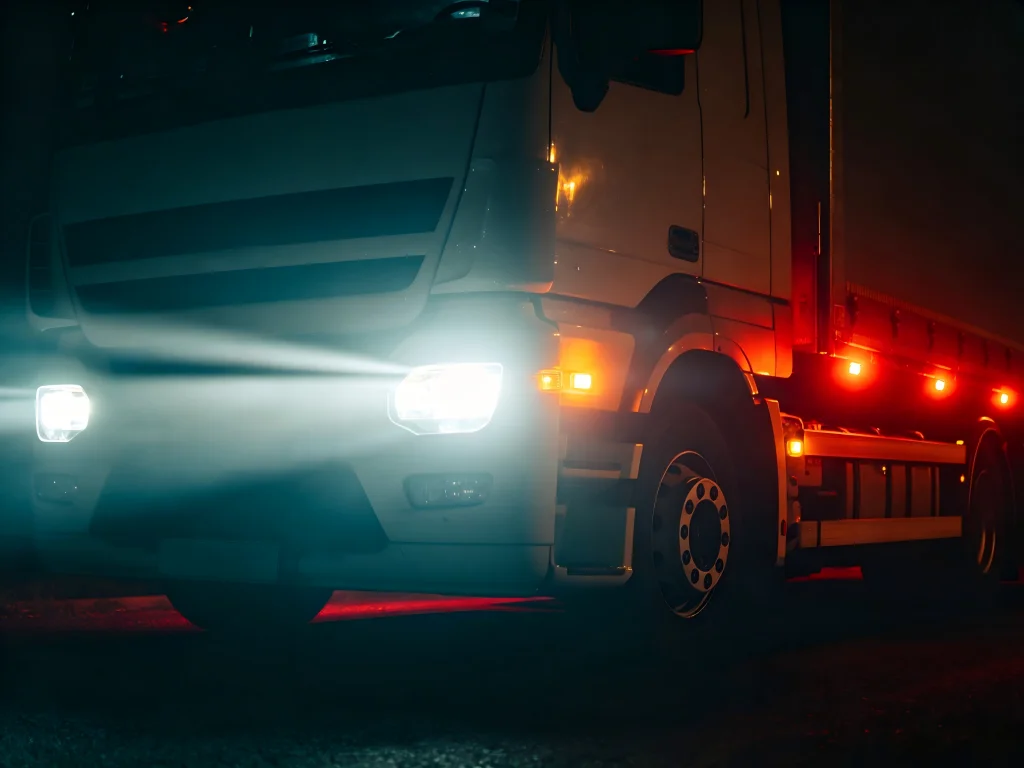
المشكلة: أضواء شاحنتك تكلفك أكثر مما تدرك
معظم مشغلي الشاحنات لا يلاحظون تدهور إضاءتهم حتى يكاد يكون الأوان قد فات. تفقد مصابيح الهالوجين ما يصل إلى 30% من إنتاجها قبل أن تحترق فعليًا. هذا الخفوت التدريجي خبيث — تتكيف معه، دون أن تدرك مقدار الرؤية التي تنازلت عنها. تعاني زمن رد فعلك. يضيق مجال رؤيتك المحيطية. وكل ثانية إضافية من التردد على سرعة الطريق السريع تضيف 100 قدم إلى مسافة توقفك.
إليك كيف يبدو الفشل أضواء شاحنتك فعليًا في ظروف العالم الحقيقي:
- الوهج من حركة المرور القادمة يعميك لأن مصابيحك تفتقر إلى الشدة اللازمة للمنافسة، مما يتركك تقود بنصف رؤية لمدة ثلاث إلى خمس ثوانٍ بعد كل مركبة تمر
- المطر والضباب يتحولان إلى جدران — ضعف اختراق الشعاع يعني أنك تخمّن مكان خطوط المسار، لا تراها
- تظهر حطام الطريق والحيوانات من العدم لأن نطاق الإضاءة الفعّال لديك تقلص من 300 قدم إلى أقل من 150
- تتعب عيناك خلال ساعتين بدلاً من ست، مما يتركك منهكًا وأقل يقظة لبقية ورديتك
الحسابات قاسية. وفقًا للمعيار الفيدرالي لسلامة المركبات الآلية رقم 108، يجب أن يحافظ كل مصباح مطلوب على شاحنتك على مسافات رؤية محددة. عندما أضواء شاحنتك تنخفض إلى ما دون تلك الحدود — وهذا ما تفعله معظم أنظمة الهالوجين القديمة — فأنت تعمل خارج نطاق الامتثال دون أن تعلم حتى.
ماذا عن تحويلات LED؟
ربما فكرت في التحول إلى مصابيح LED. وينبغي لك ذلك. لكن هنا حيث يتعرض معظم أصحاب الشاحنات للخداع.
ليست كل مصابيح LED أضواء شاحنتك متساوية. تغرق الوحدات الرخيصة من السوق البديل بمزاعم لومن مبالغ فيها وانعدام إدارة حرارية. فهي ترتفع حرارتها. وتومض. وتتعطل خلال أشهر. والأسوأ — أنها تطلق أنماط أشعة تعمي السائقين القادمين، مما يعرضك لخطر المخالفات والحوادث.
أحد مستخدمي ريديت قالها بصراحة: “اشتريت مصابيح LED رخيصة من أمازون. بعد ستة أشهر، تسربت الرطوبة داخل ثلاثة منها. كانت الحشوات سيئة.” وأعرب آخر عن إحباطه قائلاً: “كان نمط الشعاع مشتتاً في كل الاتجاهات. كانت كل سيارة أمر بها تومض لي.”
هذه ليست حالات نادرة. إنها واقع شراء أضواء شاحنتك بناءً على السعر وحده.
الإثارة: ماذا يحدث عندما تفشل أضويتك
لنرسم الصورة التي لا تريد أن تعيشها.
السيناريو الأول: الحادث الوشيك. إنها الثانية صباحاً. أنت على طريق ريفي خارج إدمونتون. مصابيحك الهالوجينية أضواء شاحنتك عمرها سبع سنوات — كنت تنوي استبدالها، لكنها ما زالت تعمل، أليس كذلك؟ يظهر موظ على حافة الطريق. تراه في آخر لحظة ممكنة. تنحرف. تتأرجح المقطورة. تستعيد السيطرة، لكن قلبك يخفق بـ 140 نبضة في الدقيقة. لم يكن ذلك قيادة. كان ذلك نجاة.
السيناريو الثاني: المخالفة. يتم إيقافك للتفتيش. يلاحظ الضابط أن ضوء التحديد الجانبي في جهة الراكب خافت — 25% من الصمامات الثنائية معطلة. في كندا، هذا مخالفة. في الولايات المتحدة، يتطلب معيار FMVSS 108 أن تستوفي جميع المصابيح معايير قياس ضوئي محددة. تُفرض عليك غرامة. يتم وضع علامة على شاحنتك لتفتيش شامل. يتأخر حملك. تتضرر سمعتك.
السيناريو الثالث: التعطل. أنت تسير عبر منطقة إنشاءات تحت مطر غزير. مصابيحك الخلفية بالكاد تُرى عبر الرذاذ. السيارة خلفك لا تراك تفرمل. تسمع صرير الإطارات. تستعد للاصطدام.
هذه السيناريوهات ليست افتراضية. إنها تحدث كل يوم لمشغلي الشاحنات الذين رضوا بمصابيح أضواء شاحنتك.
وفقاً لـ HELLA، لا تتعلق تقنية الإضاءة الحديثة بالرؤية فحسب — بل بتقليل إجهاد السائق ومنع الحوادث في العمل اليومي الشاق لسائقي الشاحنات. الإضاءة السيئة لا تضر بسلامتك فحسب. بل تضر بمصدر رزقك وسجل التزامك وراحة بالك.
التكلفة الخفية لأضواء الشاحنات الرخيصة
إليك ما لا تخبرك به بطاقة السعر عن الميزانية أضواء شاحنتك:
- تكرار الاستبدال: تدوم المصابيح الهالوجينية من 500 إلى 1,000 ساعة. عند القيادة 10 ساعات يوميًا، هذا يعني 50 إلى 100 يوم. أنت تستبدل المصابيح كل ثلاثة أشهر. كل عملية استبدال تكلّف وقتًا ومالًا وتوقفًا عن العمل.
- الإجهاد الكهربائي: تستهلك المصابيح الهالوجينية طاقة أكثر بكثير من مصابيح LED. هذا الحمل الإضافي يُجهد المولّد والبطارية — خاصة أثناء التشغيل البارد والتشغيل الخامل طوال الليل.
- تلف بسبب الاهتزاز: المصابيح التقليدية هشّة. كل حفرة، وكل طريق وعر، وكل ميل على الطرق الوعرة يقرّبها من التعطل. مصابيح LED صلبة الحالة، مما يعني أنها تقاوم الصدمات والاهتزازات بشكل أفضل بكثير.
- الفحوصات والغرامات: الإضاءة غير المطابقة هي أحد أكثر الأسباب شيوعًا لرسوب الشاحنات في فحوصات الطريق. مخالفة واحدة قد تكلّف أكثر من ترقية كاملة إلى LED.
أنت لا توفّر المال بالاستمرار في استخدام المصابيح الرخيصة أضواء شاحنتك. أنت تؤجّل التكاليف — وتدفع الفائدة على شكل ضغط ومخاطر وفقدان للإنتاجية.
الحل: GTR — أضواء شاحنات مصممة للعالم الحقيقي
هنا تتغير القصة.
GTR لا تصنع أضواء شاحنتك مصابيح تستوفي المعايير فقط. نحن نهندس مصابيح تتجاوزها — بفارق كبير.
استنادًا إلى سنوات من خبرتنا في التصنيع، حدّدنا بالضبط ما يميّز أضواء شاحنتك الاستثنائية عن البقية. الأمر لا يتعلق فقط بعدد اللومن. بل بالإدارة الحرارية. ودقة نمط الشعاع. وإحكام الإغلاق ضد العوامل الجوية الذي يعمل فعليًا. والمتانة التي تصمد في العالم الحقيقي — وليس فقط في اختبار مختبري.
ما الذي يجعل أضواء شاحنات GTR مختلفة
1. إدارة حرارية فائقة
الحرارة عدو أداء مصابيح LED. بدون تبريد مناسب، تفقد مصابيح LED سطوعها، وينزاح لونها، وتتعطل قبل الأوان. GTR أضواء شاحنتك تتضمن تصاميم متقدمة لمشتتات الحرارة وأنظمة إدارة حرارية تحافظ على درجات حرارة التشغيل تحت السيطرة — حتى أثناء الرحلات الليلية الممتدة في المناخات الحارة.
2. أنماط شعاع دقيقة
الأكثر سطوعاً ليس دائماً أفضل. ما يهم هو إلى أين يتجه الضوء. GTR أضواء شاحنتك مصممة ببصريات شعاع مركّزة تضع الضوء حيث تحتاجه — على الطريق وعلى الأكتاف — دون تسرب نحو حركة المرور القادمة. تحصل على أقصى رؤية دون إبهار السائقين الآخرين.
3. متانة بمواصفات عسكرية
تصنيفات مقاومة الماء IP67 وIP68 لا تعني شيئاً إذا تشقق الهيكل تحت الاهتزاز. تستخدم GTR عدسات من البولي كربونات وهياكل محكمة الإغلاق تقاوم الصدمات والرطوبة والتعرض الكيميائي. هذه أضواء شاحنتك تصمد في الظروف التي تدمر المنتجات الأدنى — رذاذ الملح، والطين، ودرجات الحرارة القصوى، والاهتزاز المستمر.
4. الامتثال لمعايير DOT/FMVSS 108 — مضمون
كل GTR ضوء الشاحنة يلبي أو يتجاوز متطلبات FMVSS 108. وهذا يعني أنك محمي من مشكلات الامتثال، وفشل الفحص، والغرامات المترتبة عليها. في كندا، منتجاتنا تلبي معايير CMVSS 108 أيضاً.
5. تركيب جاهز للتوصيل والتشغيل
نصمم أضواء شاحنتك منتجات تُركّب دون قطع أو وصل أو معاناة. منتجاتنا مصممة لتطابق توصيلات الشركة المصنعة الأصلية، لتقضي وقتاً أقل في الورشة ووقتاً أطول على الطريق.
ملاحظات حقيقية من مشغلين حقيقيين
لا تأخذ كلامنا فقط. إليك ما يقوله المشغلون عن GTR أضواء شاحنتك:
“قمت بتركيب GTR Carbide Canbus 2.0 في شاحنتي. عند مقارنتها مع Diode Dynamics التي كانت لدي سابقًا، فهي تسحب نفس التيار لكن نمط الشعاع أنظف بشكل ملحوظ. كانت عواكس ضوء الحمولة قد بدأت تبهت من حرارة المصابيح الأصلية عند أقل من 10,000 ميل — GTR تعمل ببرودة أكبر وإضاءة أقوى.”
“سلسلة GTR Ultra Series 3 لا تضاهي الهالوجين فقط — بل تتفوق عليها في كل النواحي. 3,300 لومن من ضوء نقي بدرجة 5750K. إجهاد القيادة الليلية لدي اختفى تقريبًا.”
هذه ليست اقتباسات تسويقية. إنها تجارب حقيقية من أصحاب الشاحنات الذين أجروا التبديل ولم ينظروا إلى الوراء أبدًا.
قرار أضواء شاحنتك — أصبح بسيطًا
إليك ما تحتاج معرفته قبل شراء أي أضواء شاحنتك:
- طابق الجهد بعناية — معظم الشاحنات الثقيلة تستخدم أنظمة 12 فولت أو 24 فولت. توصيل المصباح الخاطئ قد يحرق المصباح والأسلاك معًا.
- لا تخلط مصابيح LED مع المصابيح المتوهجة على نفس الدائرة — المقاومة المختلطة قد تخل بتوقيت الوميض أو تسبب إنذارات كاذبة.
- انظر أبعد من ادعاءات اللومن — نمط الشعاع والمدى الفعلي أهم من أرقام السطوع الخام.
- تحقق من علامات الامتثال — شهادات DOT وSAE ليست اختيارية. إنها الفرق بين اجتياز الفحص والتوقف عن العمل.
- ضع في اعتبارك بيئة التشغيل — المناخات الباردة تتطلب خيارات LED مُدفأة لمنع تجمد العدسة. الاستخدام على الطرق الوعرة يتطلب مقاومة صدمات أعلى ومقاومة للماء.
الأسئلة الشائعة حول أضواء الشاحنات
س: كم تدوم مصابيح LED للشاحنات فعليًا؟
إضاءة LED متميزة أضواء شاحنتك عادةً ما توفر من 25,000 إلى 50,000 ساعة تشغيل. عند القيادة 10 ساعات يوميًا، أي ما يعادل 7 إلى 14 سنة من الخدمة — أطول من المدة التي يحتفظ فيها معظم المشغلين بشاحناتهم.
س: هل مصابيح الشاحنات LED قانونية للاستخدام على الطرق السريعة؟
نعم — بشرط أن تستوفي متطلبات القياس الضوئي FMVSS 108. GTR أضواء شاحنتك مصممة ومختبرة لتلبية هذه المعايير. تحقق دائمًا من علامات الامتثال قبل الشراء.
س: لماذا تحتوي بعض الشاحنات على أضواء كهرمانية في الأعلى؟
تلك هي علامات الخلوص والتعريف، المطلوبة بموجب FMVSS 108 للمركبات التي يزيد عرضها عن 80 بوصة. وهي تشير إلى عرض المركبة للسائقين الآخرين وتحسّن الرؤية في ظروف الإضاءة المنخفضة.
س: هل يمكنني تركيب مصابيح الشاحنة LED بنفسي؟
معظم مصابيح LED أضواء شاحنتك مصممة لتركيب مباشر. ومع ذلك، يضمن التركيب الاحترافي التوصيلات المناسبة والعزل والتوجيه — خاصةً للمصابيح الأمامية والوحدات المعقدة متعددة الوظائف.
س: ما الفرق بين تصنيفي IP67 وIP68؟
يعني IP67 الحماية من الغمر المؤقت (حتى متر واحد لمدة 30 دقيقة). يعني IP68 الحماية من الغمر المستمر. بالنسبة لـ أضواء شاحنتك, عادةً ما يكون IP67 كافيًا — لكن IP68 يوفر هامش أمان إضافيًا للظروف القصوى.
س: كم مرة يجب أن أفحص مصابيح شاحنتي؟
افحص العدسات والأجسام بانتظام بحثًا عن الشقوق أو التعتيم أو تسرب الرطوبة أو التآكل. تحقق من الخفوت أو الوميض أو أنماط الشعاع غير المتسقة — فغالبًا ما تسبق هذه عطل LED أو مشكلات التوصيلات.
س: ما هي أفضل درجة حرارة لونية لأضواء الشاحنات؟
يفضل معظم المشغلين 5000 كلفن إلى 6000 كلفن — ضوء أبيض نقي يوفر تباينًا ممتازًا دون مسحة زرقاء مفرطة. توفر الدرجات الأدفأ (3000 كلفن-4000 كلفن) اختراقًا أفضل للضباب ولكن سطوعًا مُدركًا أقل.
توقف عن المقامرة بسلامتك. قم بالترقية إلى أضواء شاحنات GTR.
لقد شعرت بالإجهاد. لقد حدّقت في الظلام. لقد تساءلت إن كانت أضواء شاحنتك تقوم بعملها حقًا. هذا الشك ينتهي اليوم.
GTR أضواء شاحنتك مصممة لمشغلين يرفضون التنازل. سواء كنت تسير على طرق طويلة عبر السهول، أو تنقل عبر الممرات الجبلية، أو تتنقل في مواقع العمل في الظلام، فإن أضوائنا توفر الرؤية والمتانة والامتثال التي تحتاجها للقيادة بثقة.
تبدأ ورديتك التالية قريبًا. لا تواجهها بأضواء تتركك في حيرة.
قم بزيارة https://www.rhgtr.com لاستكشاف مجموعتنا الكاملة من أضواء الشاحنات المتميزة. اتصل بفريقنا للحصول على أسعار الأسطول، أو التكوينات المخصصة، أو الدعم الفني. سنساعدك في تحديد الأضواء المناسبة لشاحنتك — حتى تتمكن من التركيز على الطريق أمامك.