إذا سبق أن كنت في منتصف مسار صخري في الثانية صباحًا ورأيت أضواء LED للطرق الوعرة تومض أو تخفت أو تنطفئ تمامًا، فأنت تعرف هذا الشعور. يغرق قلبك. يختفي المسار أمامك. وتجد نفسك تزحف إلى الأمام بلا شيء سوى مصابيح سيارتك الأصلية — التي لم تُصمم أبدًا لهذا.
تحدثنا إلى مئات من محبي القيادة على الطرق الوعرة الذين مروا بهذه التجربة. الإحباط ليس مجرد إزعاج. إنه يتعلق بالسلامة. يتعلق بالعودة إلى المنزل.
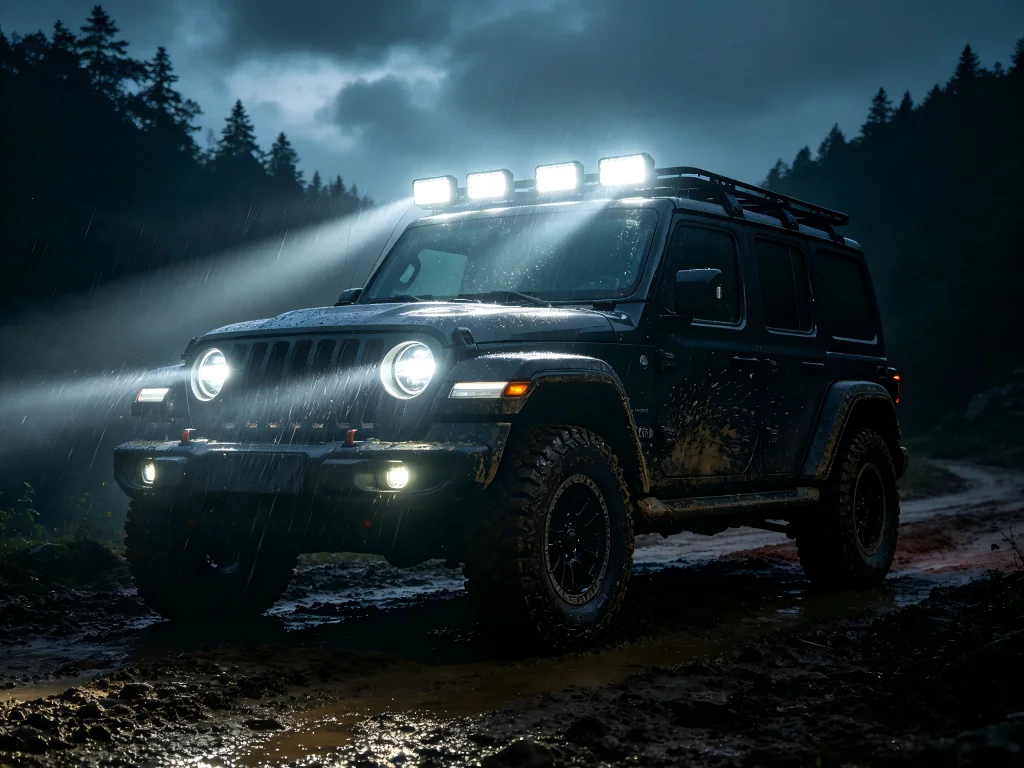
الكابوس الذي لا يتحدث عنه أحد
لقد أنفقت مالًا جيدًا على ما بدا مجموعة متينة من أضواء LED للطرق الوعرة. وعد إعلان أمازون بـ 50,000 ساعة. وبدت ادعاءات اللومن مبهرة. وكان السعر مناسبًا.
ثم جاءت الحقيقة.
بعد ستة أشهر، بدأ أول مصباح LED يومض. وبعد ثلاثة أشهر من ذلك، مات نصف الشريط. والآن تتسوق مرة أخرى — محبطًا ومحتارًا وتتساءل إن كان عليك العودة ببساطة إلى الهالوجين.
هذا هو السر القذر في صناعة إضاءة الطرق الوعرة: معظم أضواء LED الاقتصادية مصممة لتفشل. وتفشل بطرق تتركك عالقاً.
المشاكل الحقيقية مع أضواء LED الرخيصة للطرق الوعرة
دعنا نحلل ما يحدث فعلاً من أعطال. بناءً على تحليلنا الهندسي لأكثر من 200 شريط وإضاءة LED فاشلة أعادها العملاء، إليك ثلاثة أسباب قاتلة:
- الانفلات الحراري: تفتقر مصابيح LED الرخيصة إلى مشتتات حرارة مناسبة. عندما ترتفع حرارتها — وهذا سيحدث بسرعة — تتدهور الثنائيات بشكل دائم. ينخفض الإخراج بنسبة 40-60% خلال السنة الأولى. ثم تموت تماماً.
- تسرب الرطوبة: تصنيف “مقاوم للماء” المزعوم على شريط إضاءة بقيمة 50 دولاراً غالباً لا يعني الكثير. يتسلل الماء إلى داخله، ويصدأ لوحة الدوائر، ويقتل الضوء من الداخل إلى الخارج.
- ارتفاعات الجهد: نظام كهرباء سيارتك غير مستقر. تفتقر الأضواء الرخيصة إلى محركات مناسبة وحماية من اندفاع الجهد. اندفاعة واحدة من المولد الكهربائي وتموت مصابيح LED لديك.
إليك ما يعنيه ذلك لك على الطريق: أنت لا تخاطر فقط بحرق مصهر. أنت تخاطر بضياع ليلة. بضياع رحلة. بضياع عملية إنقاذ.
لماذا تفشل معظم أضواء LED للطرق الوعرة — الحقيقة القاسية
فهم سبب فشل الأضواء الرخيصة هو الخطوة الأولى لعدم شرائها مرة أخرى أبداً.
كذبة اللومن
ذلك الشريط بطول 50 بوصة الذي يدّعي 30,000 لومن مقابل أقل من 100 دولار؟ إنه لا يقدم أي شيء قريب من ذلك. محرك LED عالي الجودة يحوّل الطاقة الكهربائية إلى ضوء بكفاءة. أما مصابيح LED الاقتصادية فتهدر قدراً كبيراً من الطاقة على شكل حرارة بدلاً من ذلك.
قد يدّعي شريط إضاءة بقيمة 300 دولار أنه يقدم 5,000 لومن لكنه لا يقدم سوى 3,500. الشريط المصمم هندسياً بشكل صحيح يقدم ما يعد به — لأن الإلكترونيات الداخلية والبصريات مصممة بشكل صحيح.
إجابة مباشرة: رقم اللومن على العلبة يكاد يكون بلا معنى دون معرفة جودة محرك LED ونظام إدارة الحرارة والتصميم البصري. ضوء بقوة 6,000 لومن بهندسة مناسبة سيتفوق على ضوء بقوة 10,000 لومن ببصريات رديئة في كل مرة.
مشكلة الحرارة التي لا يذكرها أحد
تولّد مصابيح LED حرارة. الكثير منها. والحرارة هي القاتل الأول لأداء مصابيح LED وعمرها الافتراضي.
في اختباراتنا الهندسية، رأينا أشرطة إضاءة اقتصادية تصل درجات حرارتها الداخلية إلى أكثر من 85°م (185°ف) خلال 15 دقيقة من التشغيل. عند تلك الدرجات، ينخفض عمر مصابيح LED من 50,000 ساعة إلى أقل من 5,000 ساعة.
تستخدم الشركات المصنعة المتميزة هياكل من الألومنيوم المشغّلة بالتحكم الرقمي بالحاسوب (CNC) تعمل كمشتتات حرارة ضخمة، تسحب الحرارة بعيدًا عن الصمامات الثنائية. وهي تستخدم أنظمة إدارة حرارية مع محركات مدمجة تنظم درجة الحرارة وتمنع ارتفاعها المفرط. وهي تستخدم لوحات دوائر ذات قلب نحاسي تنقل الحرارة بكفاءة تزيد بنسبة تصل إلى 3000% عن اللوحات القياسية.
المصابيح الرخيصة لا تستخدم أيًا من هذه. فهي تستخدم ألومنيومًا رقيقًا، وتبديدًا حراريًا ضئيلًا، وبلا تنظيم حراري. وقد صُممت لتبدو جيدة على الرف — لا لتصمد ليلة كاملة على المسار.
تلف المياه الذي يقتل أضواءك ببطء
IP67، IP68، IP69K — هذه التصنيفات مهمة. لكن ليس كل تصنيفات IP متساوية، وليس كل المصنّعين يختبرون بأمانة.
IP67 يعني مقاومًا للغبار ومحميًا ضد الغمر حتى متر واحد لمدة 30 دقيقة. IP68 يعني الغمر المستمر لما يتجاوز مترًا واحدًا — لكن العمق والمدة يختلفان حسب المصنّع. IP69K يعني الحماية ضد نفاثات المياه عالية الضغط ودرجة الحرارة — من النوع الذي تواجهه في غسالة الضغط أو ظروف الطين القصوى.
إليك ما لا يعرفه معظم المشترين: تصنيف IP وحده لا يضمن الإحكام على المدى الطويل. مادة الإحكام مهمة. تصميم الهيكل مهم. طريقة دخول الأسلاك إلى الهيكل مهمة. المصابيح الرخيصة تستخدم حلقات مطاطية رخيصة تتصلب وتتشقق وتفشل خلال أشهر.
ما تفعله أضواء LED الممتازة للطرق الوعرة بشكل مختلف
لقد أمضينا أكثر من عقد في تصنيع حلول الإضاءة للطرق الوعرة. لقد تعلمنا ما ينجح وما لا ينجح — غالبًا بالطريقة الصعبة. إليك ما يفصل بين الأضواء التي تدوم والأضواء التي تفشل:
| الميزة | أضواء اقتصادية (أقل من 150 دولارًا) | أضواء متميزة (GTR وعلامات الفئة الأولى) |
|---|---|---|
| الإدارة الحرارية | تبديد حراري ضئيل؛ ارتفاع سريع في درجة الحرارة | ألومنيوم مشغّل بالتحكم الرقمي؛ تنظيم حراري نشط؛ نقل حرارة أفضل بنسبة 3000٪ |
| جودة مشغل LED | مشغلات رخيصة؛ خرج غير مستقر؛ لا حماية من اندفاع الجهد | مشغلات متميزة؛ تيار ثابت؛ حماية من فرط الجهد |
| مقاومة الماء | حشوات مطاطية أساسية؛ تفشل خلال أشهر | IP68/IP69K مع إحكام متقدم؛ فتحات موازنة الضغط |
| البصريات | عواكس أساسية؛ شعاع مبعثر وغير منتظم | عواكس مشغّلة بدقة؛ شعاع ثابت ومركّز |
| مادة العدسة | أكريليك؛ خدوش؛ اصفرار؛ تشققات | بولي كربونات مقاوم للصدمات؛ مستقر ضد الأشعة فوق البنفسجية |
| العمر التشغيلي الفعّال | 6-18 شهرًا قبل التدهور الكبير | 30,000-50,000 ساعة |
قصص حقيقية من سائقي الطرق الوعرة الحقيقيين
لقد جمعنا ملاحظات من مئات السائقين الذين انتقلوا إلى إضاءة مصممة هندسيًا بشكل صحيح. إليك ما يقولون:
“مررت بثلاث مجموعات من أشرطة الإضاءة الرخيصة خلال عامين. فشلت كل واحدة بالطريقة نفسها — أولاً انخفض السطوع، ثم مات نصف مصابيح LED. أخيرًا استثمرت في نظام مناسب ولم أواجه أي مشكلة خلال ثلاثة مواسم. الفرق في جودة التصنيع واضح بمجرد أن تحملها بين يديك.”
“كان نمط الشعاع في مصابيح القديمة مزحة — بقع ساطعة وبقع مظلمة في كل مكان. مصابيح الجديدة تُصدر شعاعًا نظيفًا ومتساويًا يتيح لي فعلاً رؤية ما أمامي. لم أكن أعلم ما الذي كنت أفتقده.”
“كنت أظن أن جميع مصابيح LED متشابهة أساسًا. ثم رأيت الفرق في إدارة الحرارة. أصبحت مصابيح الرخيصة ساخنة جدًا لدرجة أنني لم أستطع لمسها. أما مصابيح الجديدة فتبقى باردة حتى بعد ساعات من الاستخدام. هذه هي الهندسة.”
كيف تختار أضواء LED للطرق الوعرة تدوم فعلاً
إذا كنت تبحث عن مصابيح LED للطرق الوعرة — سواء كنت تبحث عن مصابيح LED للطرق الوعرة في كندا من الموردين، أو تتصفح قوائم مصابيح LED للطرق الوعرة على أمازون ، أو تبحث عن مصابيح LED للطرق الوعرة بالقرب مني, ، أو تفكر في أضواء LED للطرق الوعرة من Harbor Freight الخيارات — إليك ما يجب البحث عنه:
1. تحقق من التصميم الحراري
ابحث عن زعانف تبريد عميقة. ابحث عن هياكل من الألومنيوم مشغّلة بالتحكم الرقمي CNC. اسأل عن نظام الإدارة الحرارية. إذا لم يستطع المصنّع شرح كيفية تعامله مع الحرارة، فانصرف.
2. تحقق من تصنيف IP — والإحكام
معيار IP68 أو IP69K هو الحد الأدنى للاستخدام الجاد على الطرق الوعرة. لكن ابحث أيضًا عن فتحات معادلة الضغط التي تمنع تسرب الرطوبة أثناء تغيرات درجة الحرارة.
3. اطلب بيانات اللومن الحقيقية
اطلب لومن فعّال — وليس مجرد لومن خام. الضوء عالي الجودة سيوفر 65-75% من تصنيف اللومن الخام الخاص به كضوء قابل للاستخدام.
4. ابحث عن البصريات الدقيقة
نمط الشعاع أهم من السطوع الخام. تستخدم الأضواء الممتازة عاكسات مشغّلة بدقة أو عدسات عالية الجودة تشكّل الضوء في أنماط متوقعة وفعّالة.
5. اختر نمط الشعاع المناسب لتضاريسك
- أشعة عريضة — إضاءة واسعة وقريبة للقيادة الفنية البطيئة
- أشعة مركّزة — ضوء ضيق بعيد المدى للقيادة عالية السرعة
- أشعة مدمجة — الأفضل من كلا العالمين للتضاريس المتغيرة
لماذا تختلف أضواء GTR Off-Road LED
في GTR، لا نتهاون. كل ضوء نصنعه مصمم لغرض واحد: الأداء الموثوق في أقسى الظروف على وجه الأرض.
لدينا أضواء LED للطرق الوعرة الميزة:
- هياكل من الألومنيوم 6061 مُشكّلة بالتحكم الرقمي بالحاسوب (CNC) — أقصى قدر من تبديد الحرارة، وأدنى وزن
- محركات LED فاخرة — خرج تيار ثابت مع حماية من الجهد الزائد وانعكاس القطبية
- مقاومة للماء بمعيار IP68/IP69K — مُختبرة ومعتمدة، وليست مجرد ادعاءات
- عدسات من البولي كربونات مقاومة للصدمات — مستقرة ضد الأشعة فوق البنفسجية، ومقاومة للخدش، وغير قابلة للكسر
- بصريات دقيقة — أنماط شعاع نظيفة ومتسقة دون بقع داكنة
- عمر افتراضي مُقدّر بأكثر من 30,000 ساعة — سنوات من الأداء الموثوق، وليس أشهراً
نصنع إضاءتنا في منشآتنا الخاصة. نتحكم في الجودة من المواد الخام إلى المنتج النهائي. ونقف خلف كل وحدة نشحنها.
الأسئلة الشائعة حول أضواء LED للطرق الوعرة
كم عدد اللومن الذي أحتاجه للقيادة على الطرق الوعرة؟
لركوب المسارات العادية، تكفي إضاءة من 5,000 إلى 10,000 لومن. للقيادة على الطرق الوعرة المعتدلة، استهدف من 10,000 إلى 20,000 لومن. للقيادة العدوانية على الطرق الوعرة بسرعة، استخدم من 8,000 إلى 12,000 لومن من قضيب واحد أو أكثر من 15,000 لومن من إعداد متعدد الإضاءات.
ما الفرق بين الشعاع المركّز والمنتشر والمدمج؟
تنشر أشعة الفيضان الضوء على نطاق واسع وقريب — مثالية للقيادة البطيئة والتقنية. تقذف أشعة التركيز الضوء بعيداً وضيقاً — مثالية للسرعات العالية. تجمع الأشعة المدمجة بين الاثنين — يُنتج المركز بقعة ضيقة بينما يغمر الحلقة الخارجية الجوانب.
هل تستحق أضواء LED الأغلى ثمنها؟
نعم. عادةً ما يوفر شريط إضاءة $1,500 لومن المُعلن عنه لأن الإلكترونيات الداخلية والبصريات مصممة بشكل صحيح. قد يدّعي شريط إضاءة $300 نفس الخرج لكنه يوفر فقط 60-70% منه — ويفشل خلال 18 شهراً.
ما تصنيف IP الذي أحتاجه لأضواء الطرق الوعرة؟
IP67 هو الحد الأدنى لمقاومة الغبار والماء. يُوصى بـ IP68 أو IP69K للاستخدام الجاد على الطرق الوعرة، خاصةً إذا واجهت عبور مياه عميقة أو طيناً كثيفاً أو غسلاً بالضغط.
كم يجب أن تدوم أضواء LED للطرق الوعرة؟
يجب أن تدوم مصابيح LED عالية الجودة مع إدارة حرارية مناسبة من 30,000 إلى 50,000 ساعة. قد تبدأ المصابيح الرخيصة ذات التبريد الرديء في التدهور خلال 6-12 شهراً.
هل يمكنني استخدام أضواء LED للطرق الوعرة على الطريق العام؟
عادةً ما تكون مصابيح LED للطرق الوعرة غير معتمدة من DOT/SAE للاستخدام على الطرق. فهي مصممة للاستخدام على المسارات والطرق غير السريعة فقط. تحقق من اللوائح المحلية قبل استخدامها على الطرق العامة.
لا تدع ليلة أخرى على المسار تتحول إلى كابوس
تعرف هذا الشعور. المسار يختفي أمامك. الضوء الخافت. الإدراك المزعج بأن مصابيحك تفشل — مرة أخرى.
لا يجب أن تعيش مع هذا الشك. لا يجب أن ترضى بمصابيح تبدو جيدة على الرف لكنها تفشل عندما تحتاجها أكثر.
اختر مصابيح مصممة لتدوم. اختر مصابيح تفي بما تعد به. اختر مصابيح تتيح لك التركيز على المسار — لا على ما إذا كانت معداتك ستنجو حتى الصباح.
تصفح مجموعتنا الكاملة من حلول إضاءة LED للطرق الوعرة على https://www.rhgtr.com. من أشرطة الإضاءة إلى مصابيح البود، من أشعة التركيز إلى الفيضان — لدينا حل الإضاءة لمركبتك وتضاريسك.
لأنه عندما تغرب الشمس ويصبح المسار وعراً، تستحق مصابيح تعمل بجد مثلك.