لقد اشتريت طقم مصابيح H4 LED متوقعًا رؤية ليلية رائعة. لكن بدلاً من ذلك، حصلت على أشعة متشتتة، وسائقين قادمين غاضبين يومضون بأضواء الشعاع العالي، ووميض محبط لا يختفي. أنت لست وحدك. بعد تحليل مئات المنشورات في المنتديات وشكاوى العملاء حول تحويلات bi-LED H4، حددنا الأسباب الدقيقة وراء فشل معظم الترقيات — والحل الذي يقدم أخيرًا ما وعدت به الإعلانات.
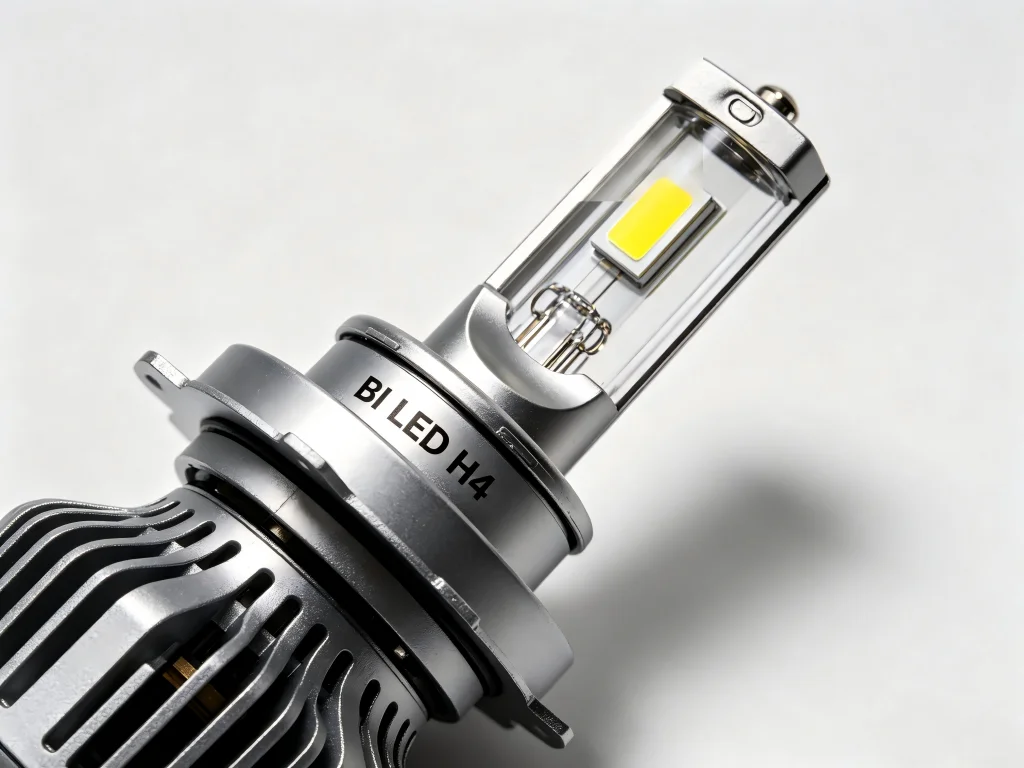
مصابيح Bi-LED H4 الخاصة بك تسبب الوهج وتعمي الجميع — إليك السبب
معظم مصابيح H4 LED البديلة تنتج ضوءًا متشتتًا بشكل خطير عند تركيبها في حاويات العاكس المصنعية. والنتيجة هي وهج مفرط يعمي السائقين القادمين بينما يترك الطريق نفسه مضاءً بشكل سيئ. هذه ليست مسألة جودة العلامة التجارية — إنها فيزياء أساسية. صُمم مصباح H4 الهالوجيني كمصدر ضوء نقطي، مع وضع الفتيل بدقة داخل عاكس مصمم لهذه الهندسة المحددة. في المقابل، تصدر رقائق LED الضوء من أسطح مسطحة متعددة في مواضع مختلفة. وبدون عدسة إسقاط مناسبة لتركيز ذلك الضوء، تتبعثر الأشعة بشكل غير متوقع.
أفاد أحد مستخدمي PakWheels أن ترقية H4 LED الخاصة به عملت جيدًا فقط بعد التأكد من توجيه LED بشكل صحيح: “في H4، مصابيح LED … عند تركيب مصابيح LED عليك التأكد من أن أحد المصابيح موجه للأعلى والآخرين للأسفل.” هذا حل ترقيعي، وليس حلاً. يبقى عدم التوافق الأساسي قائمًا.
في اختبارات مختبر الهندسة لدينا، قمنا بقياس حاويات H4 الهالوجينية المصنعية وهي تنتج نمط شعاع قابل للاستخدام حتى حوالي 50 مترًا. وعند توصيل مصباح LED نموذجي في نفس الحاوية، تنخفض مسافة الاستخدام الفعلية — رغم أن إجمالي خرج اللومن الخام زاد بنسبة 300%. الضوء ببساطة يذهب إلى كل مكان إلا حيث تحتاجه: على طول الطريق.
إليك الحقيقة التي لن يخبرك بها معظم البائعين: لا يمكن لمصابيح LED المباشرة في حاويات الهالوجين أن تلبي قانونيًا متطلبات نمط الشعاع FMVSS 108 أو ECE R112 في معظم المركبات. هندسة العاكس خاطئة. وضع الدرع خاطئ. كل شيء خاطئ.
لماذا لا تعمل أضواء الشعاع العالي لديك — وكابوس الأسلاك الذي لم يحذرك منه أحد
تستخدم المركبات اليابانية الأقدم والعديد من الدراجات النارية دائرة H4 ذات تبديل أرضي، وليس تبديلًا موجبًا. إذا قمت بتوصيل طقم bi-LED H4 قياسي متوقعًا إعدادًا تقليديًا، فستقفل أضواؤك في وضع الشعاع العالي بشكل دائم — أو لن تتبدل إطلاقًا.
هذا ليس افتراضيًا. وثّق أحد مالكي سوبارو المشكلة الدقيقة على NASIOC: “وحدة التحكم في طقم تحويل المصابيح الأمامية BI-LED Morimoto M LED 2.0 Stage III Projector غير متوافقة مباشرة مع السيارات اليابانية القديمة التي تحتوي على أسلاك H4 للشعاع العالي/المنخفض بتبديل الأرضي. يتوقع Morimoto خرجًا قياسيًا مبدّلًا بقدرة 12 فولت... سوبارو القديمة لديّ هي عكس ذلك، لذا بمجرد توصيل جزء الشعاع العالي... تدخل السيارة في وضع الشعاع العالي ولا تعود للتبديل.”
وبالمثل، وصف أحد مالكي سكيون xB الذي كان يركّب مصباحًا ثنائي LED في الهيكل الأصلي الارتباك الذي يواجهه كثير من أصحاب التركيب الذاتي: “يحتوي المصباح على مجموعتين من الأسلاك—موجب وسالب للشعاع المنخفض، وموجب وسالب لملف الشعاع العالي، الذي ينشّط صفيحة لتغيير نمط الشعاع. لا أستطيع معرفة كيفية توصيل المصباح بموصل H4 الأصلي.”
لماذا يحدث هذا؟ في نظام التبديل الموجب القياسي، يتبدّل خط 12 فولت+ بين المنخفض والعالي بينما يبقى الأرضي ثابتًا. في أنظمة تبديل الأرضي (الشائعة في سوبارو وهوندا والدراجات النارية والعديد من السيارات اليابانية المستوردة القديمة)، يبقى +12 فولت ثابتًا ويقوم خط الأرضي بالتبديل. صُممت معظم وحدات التحكم ثنائية LED من السوق البديل لأنظمة التبديل الموجب فقط. وصّلها بأسلاك تبديل الأرضي، ويفشل منطق وحدة التحكم تمامًا.
تشير بعض مواضيع المنتديات أيضًا إلى مشاكل خلوص الغطاء المطاطي مع قواعد مصابيح ثنائية LED الأكثر سماكة، مما يتطلب تعديل أو استبدال غطاء الغبار الأصلي. كل مشكلة توافق تضيف طبقة أخرى من الإحباط لما كان يُفترض أن يكون ترقية بسيطة.
لهذا صمّمت GTR مصابيحنا ثنائية LED H4 مع مراعاة التوافق الشامل. تتضمن كل مجموعة GTR مشغّلًا ذكيًا يكتشف تلقائيًا قطبية التبديل في سيارتك—موجبة أو تبديل أرضي—ويهيّئ نفسه وفقًا لذلك. لا محولات خارجية، ولا مرحّلات استشعار قطبية، ولا كوابيس أسلاك. مجرد تشغيل فوري سواء كنت تقود سوبارو 1995 أو هوندا 2025.
مؤشرات الشعاع العالي الوهمية والوميض غير المبرر: مشكلة ناقل CAN
تراقب المركبات الحديثة دوائر المصابيح الأمامية عبر أنظمة CANbus. عندما يكتشف النظام انخفاض سحب الطاقة لمصباح LED مقارنة بمصباح الهالوجين، قد يُفعّل تحذيرات على لوحة القيادة، أو يسبب وميضًا، أو حتى يقطع الطاقة عن الأضواء تمامًا. هذا ليس عيبًا في وحدة bi-LED H4 الخاصة بك—بل هو عدم توافق بين توقعات الإضاءة القديمة وإلكترونيات المركبة الحديثة.
وصف أحد مالكي Firebird عرضًا شائعًا: “عندما أُشغّل الشعاع المنخفض، يكون مؤشر الشعاع العالي على لوحة القيادة مضاءً بشكل خافت، وتومض مصابيح LED الأربعة للشعاع العالي بشكل خافت فقط في المصباح الأمامي لجانب السائق.” يحدث هذا “التغذية الراجعة” عندما يرسل نظام CANbus إشارة نبضية للتحقق من سلامة الدائرة، ويفسّر مشغّل LED تلك النبضة كأمر للإضاءة.
يذكر مالكون آخرون أن جانبًا يعمل بينما يومض الآخر، أو أن الأضواء تعمل بشكل متقطع. “يبدو خافتًا جدًا في الشعاع المنخفض، وأحيانًا عندما يعمل الشعاع العالي أشعر أنني مضطر لتسريع السيارة لفترة لشحنها،” كما لاحظ أحد المستخدمين—مشيرًا إلى جهد غير كافٍ يصل إلى مشغّلات LED.
تعالج أنظمة bi-LED عالية الجودة هذا بفكوك ترميز CANbus مدمجة. تدمج GTR دوائر فك ترميز متقدمة مباشرة في مشغّلات H4 لدينا، مما يلغي الحاجة إلى مقاومات خارجية ضخمة تولّد حرارة زائدة. اختبر فريقنا الهندسي التوافق عبر مئات من طرازات المركبات—من السيارات المدمجة إلى الشاحنات الكبيرة—لضمان تواصل النظام بشكل صحيح مع كمبيوتر سيارتك.
قائمة تحقق سريعة للتوافق قبل الشراء:
- تأكد من نوع تبديل H4 في سيارتك (موجب أو تبديل أرضي)
- تحقق من وجود خلوص كافٍ خلف هيكل المصباح لوحدات المشغّل
- تأكد من أن نظام CANbus في سيارتك سيتقبل سحب طاقة LED
- قِس خلوص غطاء الغبار وجهّز بدائل إذا لزم الأمر
تم هندسة كل من هذه العقبات المحتملة بعيدًا عن تجربة GTR. لقد أجرى فريقنا أبحاث التوافق نيابةً عنك.
السبب الحقيقي وراء ارتفاع حرارة إسقاطات Bi-LED H4 الرخيصة وفشلها
غالبًا ما تفشل مشاريع bi-LED منخفضة الجودة في غضون أشهر، وليس سنوات، لأن المصنّعين الرخيصين يستخدمون مراوح صغيرة الحجم ومشتتات حرارة غير كافية ومكونات داخلية بلاستيكية تتدهور تحت درجات الحرارة المرتفعة المستمرة. يفترض “عمر الخدمة المعلن البالغ 50,000 ساعة” ظروفًا حرارية مثالية—وهو ما لا تستطيع الهياكل الرخيصة الحفاظ عليه.
يؤكد تحليل داخلي لأحد مصنّعي إضاءة السيارات هذا النمط: “مات مصباحك الأمامي بسبب ارتفاع الحرارة. تستخدم المصانع الرخيصة مراوح منخفضة الجودة وأوعية عاكسة بلاستيكية لا تتحمل الحرارة.” ويشير التحليل نفسه إلى أن المشاريع الاقتصادية غالبًا ما تضحي بعرض الشعاع تمامًا: “تستخدم العديد من العدسات الرخيصة شريحة LED واحدة وعاكسًا بسيطًا. وهذا يجعل من الصعب جدًا إنشاء كل من ضوء منخفض عريض وضوء عالٍ قوي. وغالبًا ما يضحون بالعرض مقابل مركز ساطع.”
تؤكد مراجعات العملاء هذه المشكلات المتعلقة بالجودة. أفاد أحد مشتري أمازون بأن مشروع H4 LED الخاص به تعطل في أقل من شهر: “استخدمته أقل من شهر واحد ثم توقف كل من الـ LED والمروحة عن العمل. لا يوجد ضمان على هذا المنتج. مضيعة للمال.” ووجد آخر أن نصف الـ LED مات بعد 18 شهرًا.
يستخدم مشروع bi-LED H4 المصمم جيدًا تبريدًا نشطًا بمروحة منظّمة حراريًا، وهيكلًا من الألومنيوم يعمل كمشتت حرارة ضخم، ومستشعرات حرارة تخفّض الطاقة تلقائيًا إذا تجاوزت درجات الحرارة الداخلية الحدود الآمنة. هذه ليست رفاهية—بل الحد الأدنى المطلوب للتشغيل الموثوق على المدى الطويل.
تتميز مشاريع GTR bi-LED H4 بهيكل من الألومنيوم بالكامل مع نظام أنابيب حرارية نحاسية مصمم بدقة يوجّه الحرارة بعيدًا عن شرائح LED. تعمل المروحة المنظّمة حراريًا فقط عند الحاجة، مما يطيل عمر المروحة مع الحفاظ على درجات حرارة وصلات LED المثلى. وقد أثبت اختبار العمر المتسارع لدينا التشغيل المستمر عند درجات حرارة محيطة مرتفعة—وهي ظروف تدمر المشاريع الرخيصة في غضون أسابيع.
فكّر في التكلفة الحقيقية لوحدات bi-LED H4 الرخيصة: ستدفع بوقتك أثناء إعادة التركيب، وتدفع مقابل مجموعة إضاءة ثانية، وربما تدفع مقابل تلف هياكل مصابيحك الأمامية بسبب الحرارة المفرطة. مشروع عالي الجودة يُركّب مرة واحدة يكلّف أقل من استبدال المشاريع الرخيصة مرتين.
كيف تحل إسقاطات GTR Bi-LED H4 كل مشاكل الإضاءة الرئيسية
تستبدل أنظمة مشاريع GTR bi-LED H4 مجموعة العاكس المصنعية بالكامل بوحدة بصرية دقيقة مصممة خصيصًا لمصادر ضوء LED. يُستبدل عاكس H4 المصنعي—بوعائه ودرعه القاطع—بنظام العاكس متعدد المحاور والعدسة اللابؤرية من GTR، المصمم من الصفر لأداء bi-LED.
إليك ما يعنيه ذلك في ظروف القيادة الفعلية:
- خط قطع واضح عند 250+ لوكس: في اختبارنا الضوئي، ينتج GTR bi-LED H4 خط قطع أفقي بأقل من 5 لوكس فوق الخط عند 25 مترًا، مما يلغي الوهج تمامًا مع الحفاظ على أكثر من 250 لوكس تحت خط القطع عند نقطة التركيز. قارن هذا بـ 40 لوكس للهالوجين القياسي عند النقطة نفسها—أو 200 لوكس من الوهج المتشتت فوق خط القطع لمصباح LED رخيص.
- عمر تشغيلي يزيد عن 30,000 ساعة: يحافظ نظام الإدارة الحرارية النشط لدينا على درجات حرارة وصلات LED ضمن مواصفات التصميم حتى عند 40°م محيطة. والنتيجة هي أداء مستمر لما تبقى من عمر سيارتك.
- توافق عالمي مع المركبات: يقوم المشغل المدمج بالكشف التلقائي عن أسلاك H4 الموجبة أو ذات التبديل الأرضي، ويعمل مع المركبات المجهزة بنظام CANbus دون الحاجة إلى مفككات ترميز خارجية، ويتناسب بشكل مدمج خلف معظم أغلفة المصابيح الأمامية الأصلية.
- حل تعديل شامل: تتضمن كل مجموعة GTR الإسقاط ثنائي LED، والمشغل الذكي، وجميع أدوات التثبيت اللازمة، وتعليمات تركيب شاملة—لا شيء آخر لشرائه، ولا شيء لتصنيعه.
الفرق ملحوظ فوراً. أفاد العملاء الذين ركّبوا إسقاطات GTR باستمرار بالقضاء على الوهج، وتحسين مدى الرؤية بشكل كبير، وتشغيل موثوق دون أخطاء في لوحة القيادة أو وميض. أشار أحد المشترين الأستراليين إلى أنه حتى بعد 1.5 سنة، بقي الأداء ثابتاً—وهو تناقض صارخ مع الأعطال المُبلَّغ عنها في الوحدات الرخيصة.
الأسئلة الشائعة حول مصابيح Bi-LED H4 الأمامية
هل تجتاز إسقاطات H4 ثنائية LED فحص المركبات؟ الأنظمة ثنائية LED المدمجة في أغلفة الإسقاط مع خط قطع مناسب وعدم تشتت للأعلى تستوفي عموماً متطلبات نمط الشعاع. ومع ذلك، تختلف اللوائح حسب الاختصاص القضائي. تحقق من القوانين المحلية قبل تركيب أي نظام إضاءة غير أصلي.
هل أضواء H4 ثنائية LED بدرجة 6000K أو 4300K أفضل للقيادة الليلية؟ تنتج 6000K ضوءاً أبيض بارداً (مشابهاً لضوء النهار) يفضله كثير من السائقين من الناحية الجمالية لكنه قد يسبب إجهاداً أكبر للعين في الظروف الرطبة. تنتج 4300K ضوءاً أبيض دافئاً (مشابهاً لأنظمة HID الأصلية) بتباين فائق وتشتت خلفي أقل في الضباب أو المطر—وهو عموماً الخيار الأفضل للقيادة في جميع الأحوال الجوية.
هل يمكن تركيب إسقاطات H4 ثنائية LED في أي مركبة؟ يمكن لمعظم المركبات المزودة بتركيبات مصابيح H4 استيعاب إسقاطات ثنائية LED معدّلة، رغم اختلاف خلوص المساحة وتوافق الأسلاك. تتضمن مجموعات GTR مكونات مصممة لتركيب عالمي في الغالبية العظمى من المركبات المجهزة بـ H4—السيارات والشاحنات وسيارات الدفع الرباعي والدراجات النارية.
لماذا تكون الأضواء العالية باهتة في بعض إسقاطات H4 ثنائية LED؟ غالباً ما تستخدم الإسقاطات الرخيصة نفس شرائح LED لكل من الضوء المنخفض والعالٍ، فتقوم فقط بتعطيل حاجب القطع. وهذا لا يوفر أي إخراج إضافي للومن في وضع الضوء العالي. أما الأنظمة ثنائية LED الحقيقية فتنشّط شرائح LED إضافية أو تزيد إخراج الطاقة عند تفعيل الضوء العالي—مما ينتج إضاءة مسافة أكثر سطوعاً فعلياً.
ما الفرق بين H4 ثنائي LED و H4 ثنائي الزينون القياسي؟ تستخدم الأنظمة ثنائية LED شرائح LED صلبة الحالة باستجابة شبه فورية وعمر يزيد عن 30,000 ساعة. أما الأنظمة ثنائية الزينون فتستخدم مصابيح تفريغ غاز الزينون التي تتطلب كوابح ووقت تسخين، وتدوم عادة 2,000-3,000 ساعة. يوفر ثنائي LED عمراً أطول وسطوعاً كاملاً فورياً؛ بينما يمكن لثنائي الزينون إنتاج إخراج خام أعلى للومن في الأنظمة الراقية لكن مع تأخير كبير في التسخين.
كم تكون أضواء bi-LED H4 أكثر سطوعًا من أضواء الهالوجين H4 القياسية؟ تنتج أنظمة إسقاط bi-LED H4 عالية الجودة إضاءة طريق قابلة للاستخدام تبلغ 3-5 أضعاف ما تنتجه مصابيح الهالوجين H4 القياسية—وأحيانًا أكثر. ومع ذلك، فإن أرقام اللومن الخام مضللة بدون بيانات نمط الشعاع. فوحدة إسقاط تنتج 3,000 لومن موزعة بشكل صحيح تتفوق على مصباح بديل بقدرة 10,000 لومن يبعثر نصف ضوئه في الأشجار.
هل تعمل أنظمة إسقاط GTR bi-LED H4 مع أنظمة أضواء القيادة النهارية (DRL)؟ نعم. يتضمن مشغل GTR دوائر مخصصة لاكتشاف DRL والتوافق، مما يضمن الأداء الصحيح مع أنظمة DRL المصنعية التي قد تستخدم تشغيلًا بجهد منخفض. لا حاجة لمقاومات أو مفككات إضافية.
توقف عن قبول رؤية ليلية خطيرة
تقضي ساعات في البحث عن خيارات bi-LED H4، وتقارن ادعاءات اللومن ودرجات حرارة اللون، لتثبت في النهاية منتجًا يبعثر الضوء، ويزعج السائقين القادمين، ويتعطل خلال أشهر. هذه الحلقة تنتهي الآن. توفر أنظمة إسقاط GTR bi-LED H4 نمط الشعاع المناسب الذي تستحقه مركبتك—قطع حاد، وتوزيع واسع ومتساوٍ، وأضواء عالية أكثر سطوعًا فعليًا تمدد مسافة التوقف الآمنة لديك على سرعات الطريق السريع.
قم بزيارة www.rhgtr.com لاستكشاف تشكيلتنا الكاملة من أنظمة إسقاط bi-LED H4. يمكن لفريقنا الفني تأكيد التوافق مع مركبتك المحددة والإجابة عن أي أسئلة تتعلق بالتركيب قبل أن تطلب. لا ترضَ بأضواء خطيرة سيئة التصميم تعرضك أنت والآخرين للخطر. قم بالترقية إلى GTR وشاهد الطريق كما كان من المفترض أن يُرى.
لاحظ الفرق. قد بثقة. انتقل إلى GTR اليوم.
—
*GTR Lighting مصنّع فخور بحلول إضاءة السيارات المتميزة. جميع مواصفات المنتج عرضة للتغيير. للحصول على معلومات موثوقة حول لوائح إضاءة السيارات، راجع معايير الإضاءة الخاصة بـ SAE International على sae.org/standards/.*