تقوم بفك كبسولة هالوجين محترقة من مصباح خزانة مطبخك، وتلتقط بديلاً لمبة LED ثنائية الدبوس من على الرف ولفها. يجب أن تكون هذه نهاية القصة. بدلاً من ذلك، يومض مصباح LED الجديد مثل ضوء ستروب، أو يصدر أزيزًا خافتًا، أو - الأسوأ من ذلك - يخفت ويموت في غضون ستة أشهر. أنت لست وحدك. خلال عملنا في توريد إضاءة السيارات والإضاءة المتخصصة للموزعين في 80 بلدًا، نسمع هذا الإحباط بالضبط كل أسبوع. الخبر الجيد؟ نادرًا ما تكون اللمبة هي المشكلة الحقيقية. بمجرد أن تفهم سبب هذه الأعطال، يمكنك إصلاحها بشكل دائم.
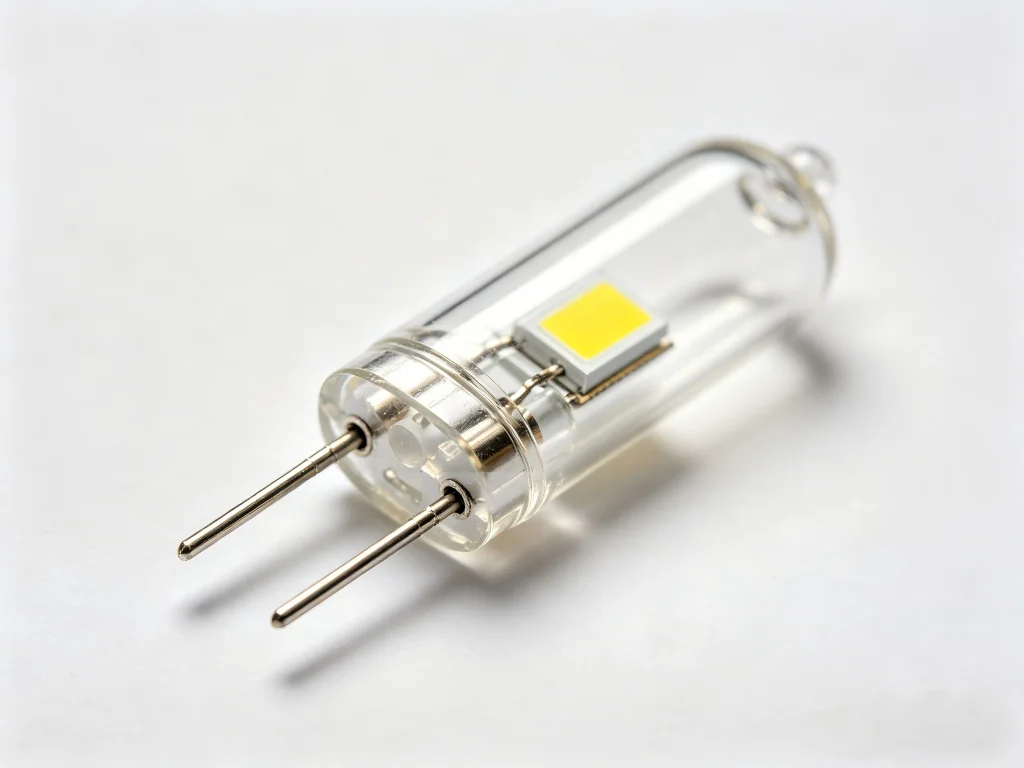
المشكلة الحقيقية التي لا يحذرك أحد بشأنها عند شرائك لمصباح LED ثنائي السنون
لا تنتج معظم أعطال مصابيح LED ثنائية السنون عن رقاقة LED تالفة. فهي ناتجة عن عدم توافق غير مرئي بين اللمبة الجديدة والبنية التحتية القديمة التي يتم توصيلها بها.
فكر فيما يفعله المصباح ثنائي السنون في الواقع. فهي تستقبل الطاقة من خلال سنّين متوازيين، وتحول تلك الكهرباء إلى ضوء، والأهم من ذلك أنها تتحكم بالحرارة في مساحة صغيرة مغلقة. يمكن لمبات الهالوجين تحمّل الجهد الكهربائي غير المستقر والسخونة الحارقة لأنها مصممة لتحترق ويتم استبدالها. أما مصابيح LED فلا يمكنها ذلك. فهي تحتاج إلى تيار مستقر، وجهد كهربائي نظيف، ومسار لخروج الحرارة. عند فقدان أي من هذه الشروط الثلاثة، تفشل اللمبة في وقت مبكر. عندما تقوم بتبديل هالوجين 12 فولت بمصباح لمبة LED ثنائية الدبوس 12 فولت في التركيبات التي لا تزال تعمل بمحول مغناطيسي قديم، قد يخرج المحول جهدًا متذبذبًا بشكل كبير لا يمكن لمُشغِّل LED أن يخفف من تذبذبها. النتيجة: وميض مرئي، طنين مسموع، وموت سريع للمكونات.
تكون هذه المشكلة أكثر وضوحًا مع تركيبات الجهد الخطي. A لمبة LED ثنائية الدبوس 120 فولت يجب أن تحزم دائرة تشغيل مصغرة داخل قاعدتها. تستخدم برامج التشغيل المصممة بشكل رخيص مكثفات صغيرة الحجم تتحلل بسرعة عند تركيب اللمبة في تركيبات مغلقة بدون تدفق هواء. لقد قمنا بتشريح لمبات منافِسة فاشلة في مختبر الجودة لدينا ووجدنا مكثفات مصنفة على درجة حرارة 85 درجة مئوية فقط على بعد بوصات من مصابيح LED التي تدفع المحيط الداخلي إلى ما بعد 100 درجة مئوية في أقل من ساعة. تصنيف المكثف هذا ليس اقتراحًا - إنه مؤقت للعد التنازلي.
لماذا تستمر المصابيح في الموت - ولماذا يبدو من المستحيل إصلاحها
مصيدة الجهد الكهربائي التي تصطاد معظم العاملين في مجال الأعمال اليدوية
من أخطر الأخطاء التي نراها الخلط بين أنظمة 12 فولت و120 فولت. A مقبس لمبة LED ثنائي السنون بسيطة من الناحية الميكانيكية - فتحتان ودبوسان - ولكنها لا ترحم كهربائيًا. في أحد منتديات DIY الشهيرة، وصف أحد المستخدمين إدخال لمبة MR16 ثنائية السنون بجهد 12 فولت في مقبس بجهد 120 فولت: “تومض اللمبة بشكل ساطع مرة واحدة، ثم يصدر صوت فرقعة ثم يخفت الضوء.” كان صوت الفرقعة هذا عبارة عن صوت انفجار المحرك الداخلي حرفيًا من إجهاد الجهد الزائد. قد تختلف مسافات المسامير المادية بين بعض المعايير ثنائية السنون بجهد 12 فولت و120 فولت، لكن العديد من مالكي المنازل يفترضون أنه “إذا كان مناسبًا، فهو يعمل” - وهو افتراض خطير يمكن أن يدمر اللمبة على الفور أو، في بعض الحالات، يتلف أسلاك التركيبات.
حتى عندما تحصل على الجهد الصحيح، قد يكون المحول أو الصابورة التي تغذيها غير متوافقة. تحتاج محولات الهالوجين الأقدم إلى حد أدنى من الحمل لتعمل بشكل صحيح: قد يتعطل محول 50-150 واط المصمم لأربع كبسولات هالوجين بقدرة 20 واط عندما يُطلب منه تشغيل أربعة بدائل لمصابيح LED بقدرة 2 واط لأن الحمل الكلي يقل عن الحد الأدنى للمحول. وفي الوقت نفسه، تحتوي تركيبات الفلورسنت التي كانت تحتوي في الأصل على أنابيب T8 أو T5 ثنائية السنون على كوابح صابورة صُممت بعض أنابيب LED المعدلة لتعمل معها (النوع A التوصيل والتشغيل)، بينما تتطلب تركيب أنابيب أخرى تجاوز الصابورة بالكامل (النوع B). يمكن أن يؤدي تركيب النوع الخاطئ إلى وميض المصباح، أو عدم انصهاره، أو ارتفاع درجة حرارة الصابورة.
| العَرَض | السبب الأرجح | ما الذي يجب التحقق منه أولاً |
|---|---|---|
| وميض مرئي، خاصة عند مستويات التعتيم المنخفضة | مخفت ضوئي غير متوافق (TRIAC مقابل ELV) أو محول مغناطيسي قديم | نوع المخفت؛ الحد الأدنى لتصنيف الحمولة الدنيا للمحول |
| طنين أو همهمة من المصباح أو التركيبات | اهتزاز مكونات السائق تحت طاقة الإدخال غير المستقرة | توافق المحولات؛ جودة جهد الخط الكهربائي |
| تموت البصلة في غضون 3-6 أشهر | ارتفاع درجة الحرارة بسبب التركيبات المغلقة بدون تدفق هواء | تهوية التركيبات؛ تصميم المشتت الحراري للمصباح |
| تظل مصابيح LED خافتة أو تفشل في الضرب | محول أقل من الحد الأدنى للحمل أو نوع صابورة غير صحيح | إجمالي القوة الكهربائية في الدائرة الكهربائية مقابل تصنيف المحول |
| تومض لمبة واحدة، بينما تكون اللمبات الأخرى في نفس الدائرة الكهربائية سليمة | عيب في مشغل اللمبة الفردية أو أكسدة المقبس | تنظيف ملامسات المقبس؛ جرب تبديل مواضع اللمبات |
مشكلة الحرارة التي لا يتحدث عنها أحد
تُباع مصابيح LED على أنها “باردة التشغيل”، وهذا صحيح على سطح الرقاقة. لكن إلكترونيات المحرك المعبأة في قاعدة ثنائية السنون بحجم ظفر الإبهام تولد حرارة مركزة لا مكان لها داخل تركيبات زجاجية محكمة الغلق. عندما اختبرنا مجموعة من المصابيح الجاهزة لمبة LED LED ثنائية الدبوس G4 الوحدات في مصباح قرص مغلق بالحجم الطبيعي في منشأتنا، وصلت درجة حرارة القاعدة الداخلية إلى 108 درجة مئوية في غضون 45 دقيقة. عند درجة الحرارة هذه، تفقد المكثفات الإلكتروليتية نصف عمرها الافتراضي المقدر تقريبًا لكل 10 درجات مئوية زيادة عن تصنيفها. قد يفشل المكثف المقدر له 5000 ساعة عند 105 درجة مئوية في أقل من 1500 ساعة عند تشغيله عند 115 درجة مئوية. هذا هو الفرق بين المصباح الذي يدوم 5 سنوات والمصباح الذي يموت قبل وصول بطاقة الضمان في البريد.
لمبات ذات قوة كهربائية أعلى ثنائية السنون مثل لمبات لمبة LED ثنائية الدبوس G9 التي غالبًا ما تعمل على 120 فولت ومزودة بمشغل أكثر قوة، تواجه تحديًا حراريًا أكثر صعوبة. إن عامل الشكل G9 صغير الحجم، والعديد من تركيبات G9 عبارة عن معلقات زجاجية مغلقة بالكامل أو شمعدانات حائطية بدون تهوية. في هذه الظروف، لا يمكن أن تنجو إلا المصابيح ذات الهندسة الحرارية الجدية - هياكل الألومنيوم التي تعمل كمشتتات حرارية، والرقائق المصنفة لدرجات حرارة الوصلة العالية، ودوائر المحرك المزودة بحماية من الانعكاس الحراري - في هذه الظروف.