شعاع ضعيف مصباح أمامي منخفض الشعاع لا يسبب فقط عدم الراحة أثناء القيادة الليلية. بل يقلل من الوقت المتاح لك لتحديد المشاة وحواف الطريق والحفر والحيوانات والعوائق المفاجئة. والأسوأ من ذلك، يحاول العديد من السائقين حل ضعف الرؤية بتركيب ألمع مصباح يمكنهم إيجاده. وهذا غالبًا ما يخلق وهجًا دون إضافة رؤية طريق مفيدة.
الهدف الحقيقي ليس أقصى سطوع. بل هو الضوء المتحكم به في المكان الصحيح.
بالنسبة للسائقين وورش العمل وموزعي الإضاءة ومشتري سوق ما بعد البيع للسيارات، فإن هذا التمييز يغير كيفية اختيار ترقية المصباح الأمامي الجيدة.
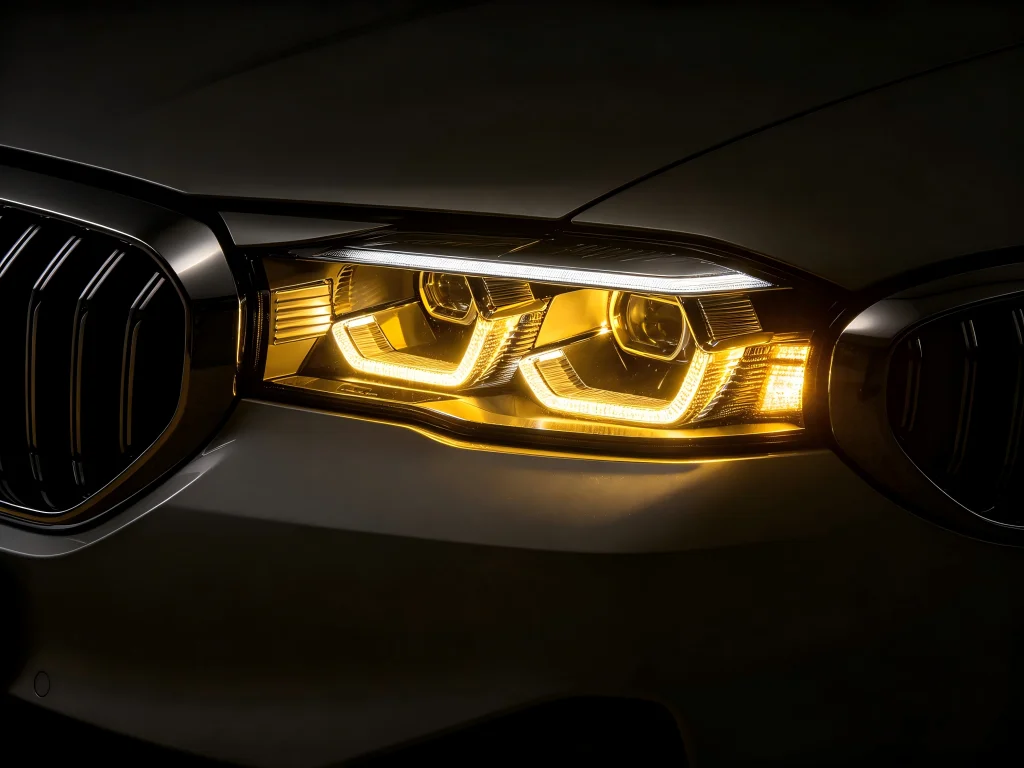
لماذا قد تبدو أضواء الشعاع المنخفض الأمامية ضعيفة جدًا؟
قد يبدو الشعاع المنخفض ضعيفًا بسبب ضعف تركيز الشعاع أو المصابيح القديمة أو العدسات الضبابية أو فقدان الجهد أو عدم ضبط اتجاه المصباح الأمامي أو تركيب LED لا يتوافق مع النظام البصري الأصلي. زيادة اللومن وحدها قد لا تحل المشكلة لأن الرؤية المفيدة تعتمد بشكل كبير على توزيع الشعاع.
تخيل موقفًا شائعًا. أنت تقود بسرعة 50 ميلاً في الساعة على طريق غير مألوف بعد غروب الشمس. الرصيف مبلل. هناك القليل من أضواء الشوارع. تبدو مصابيحك الأمامية ساطعة عند النظر إليها من خارج السيارة، ومع ذلك من مقعد السائق يبدو الطريق وكأنه يختفي بعد مسافة قصيرة من الضوء.
هذه هي المشكلة التي يصفها العديد من السائقين بأنها “مصابيح أمامية ليست ساطعة بما فيه الكفاية”.”
لكن السطوع قد لا يكون المشكلة الحقيقية.
إن مسافة الشعاع المنخفض للمصابيح الأمامية في الليل تعتمد على عدة عوامل تعمل معًا:
- تصميم الشعاع البصري
- موضع المصباح أو باعث LED
- حالة عدسة المصباح الأمامي
- كفاءة العاكس أو جهاز العرض
- الجهد الكهربائي
- توجيه المصابيح الأمامية
- ارتفاع المركبة وحمولتها
- الطقس وسطح الطريق
قد يؤدي مصباح LED عالي الإخراج المثبت في الموضع البصري الخاطئ إلى إنشاء مقدمة ساطعة جدًا بينما يرسل ضوءًا أقل فائدة إلى مسافة أبعد على الطريق. تتكيف عيناك مع المنطقة الساطعة القريبة من المركبة. وقد يصبح قراءة المنطقة الأكثر ظلمة خلفها أصعب.
قد يجعل ذلك ترقية “أكثر سطوعًا” تبدو أسوأ عند السرعة.
الخطر الخفي في مطاردة اللومن
لا تؤدي زيادة اللومن تلقائيًا إلى إنشاء مصباح أمامي منخفض الشعاع أفضل. تتطلب الإضاءة الليلية الفعالة شدة كافية، وقطعًا مضبوطًا، وإضاءة أمامية مفيدة، ومسافة كافية، ووهجًا محدودًا. قد يؤدي المصباح الذي ينتج ضوءًا خامًا أكثر ولكنه يوزعه بشكل سيئ إلى تقليل أداء القيادة الفعلي.
هذه واحدة من أكبر الفجوات التي نراها في سوق إضاءة ما بعد البيع.
غالبًا ما تتنافس قوائم المنتجات باستخدام الأرقام:
10,000 لومن. 20,000 لومن. 30,000 لومن.
ومع ذلك، لا يستخدم السائق اللومن مباشرة. يستخدم السائق الضوء الذي يصل إلى الطريق.
الضوء المفيد مقابل إنتاج الضوء الخام
تعمل مجموعة المصباح الأمامي كنظام بصري. يعمل مصدر الضوء، والعاكس أو جهاز العرض، والعدسة، والدرع، وهندسة التوجيه معًا.
في نظام جهاز العرض، على سبيل المثال، يجب أن يقع مصدر الضوء في موضع مضبوط بالنسبة للعاكس والعدسة. يساعد درع القطع في منع الضوء الزائد المتجه لأعلى من الوصول إلى مستخدمي الطريق الآخرين.
قد يؤدي تغيير موضع أو هندسة مصدر الضوء إلى تغيير الشعاع بالكامل.
وهذا يفسر لماذا يمكن لمصباحي LED ذوي إخراج معلن مشابه أن يعملا بشكل مختلف تمامًا داخل نفس المصباح الأمامي.
أضواء الشعاع المنخفض الأمامية مقابل أضواء الشعاع العالي الأمامية
تم تصميم المصابيح الأمامية ذات الشعاع المنخفض للقيادة الليلية العادية حول مستخدمي الطريق الآخرين. يتم توجيه شعاعها إلى الأسفل لإضاءة الطريق مع الحد من الوهج. تعرض الشعاعات العالية مسافة أبعد إلى الأمام وهي مخصصة بشكل أساسي للطرق المظلمة حيث لن تؤدي إضاءتها الأمامية الأقوى إلى إبهار السائقين الآخرين.
| الميزة | المصابيح الأمامية ذات الشعاع المنخفض | المصابيح الأمامية ذات الشعاع العالي |
|---|---|---|
| الغرض الأساسي | القيادة الليلية العادية | الرؤية بعيدة المدى |
| اتجاه الشعاع | نمط موجه للأسفل بشكل متحكم فيه | إسقاط أكثر للأمام |
| الاستخدام في حركة المرور | مناسبة حول المركبات الأخرى عند ضبطها بشكل صحيح | مقيدة حول حركة المرور القادمة |
| التحكم في الوهج | أولوية عالية | أولوية أقل لأن الاستخدام محدود |
| Typical dashboard indicator | Green dipped-beam symbol | Blue high-beam symbol |
| Main engineering priority | Cutoff + width + useful road illumination | Distance + central intensity |
This difference matters when selecting replacement lighting.
A good high beam can concentrate significant intensity far down the road. A good مصباح أمامي منخفض الشعاع has a more difficult job. It needs to illuminate enough of the road for the driver while keeping excessive light away from the eyes of approaching motorists.
إلى أي مدى يجب أن تضيء أضواء الشعاع المنخفض الأمامية؟
Searchers frequently ask, “low beam headlights must be bright enough to see how many feet?” Unfortunately, there is no responsible universal answer for every country, vehicle, road, and headlamp design.
Different jurisdictions and testing systems may use different visibility distances, photometric points, beam requirements, and driver-education guidance. Some consumer references describe typical low-beam coverage around 130-200 feet, but those figures should not be treated as a universal legal specification.
For regulatory information, buyers should check the applicable vehicle-lighting rules in their market, such as NHTSA المتطلبات في الولايات المتحدة أو السلطة الوطنية ذات الصلة.
مسافة التوقف تغير السؤال
السؤال الأفضل ليس ببساطة، “إلى أي مدى يقطع الضوء؟”
اسأل:
ما مقدار المعلومات القابلة للاستخدام التي يمكن للسائق رؤيتها ضمن المسافة اللازمة للتفاعل؟
السرعة تزيد مسافة التوقف. المطر يمكن أن يزيدها أكثر. الإطارات السيئة، التعب، الزجاج الأمامي المتسخ، التباين المنخفض، وأسطح الطرق الداكنة قد تقلل من هامش أمان السائق.
لهذا السبب مسافة مصابيح الشعاع المنخفض يجب تقييمها كجزء من بيئة القيادة الكاملة بدلاً من كونها رقمًا تسويقيًا.
المشكلة: أضواء أمامية ساطعة، نمط شعاع سيئ
أحد أكثر إخفاقات الترقية إحباطًا يحدث بعد استبدال لمبة هالوجين بمصباح LED بديل.
يتوقع العميل تحسنًا كبيرًا.
بدلاً من ذلك، تبدو النتيجة هكذا:
- تصبح المنطقة أمام المصد مباشرة ساطعة للغاية.
- يصبح خط القطع غير واضح.
- تظهر بقع داكنة داخل الشعاع.
- تنتج لافتات الطريق انعكاسات مزعجة.
- يقوم السائقون القادمون من الاتجاه المعاكس بتشغيل أضواءهم العالية.
- تحسين رؤية المسافة يكون طفيفًا جدًا.
هذا يشير عادةً إلى توافق بصري وليس إلى قوة غير كافية.
لماذا يهم موضع مصابيح LED؟
خيوط الهالوجين تحتل موضعًا فيزيائيًا محددًا داخل المصباح الأمامي.
عندما يغير استبدال LED حجم أو موضع أو اتجاه منطقة انبعاث الضوء، يستقبل العاكس الضوء من إحداثيات مختلفة. يمكن أن يتغير الإسقاط الناتج بشكل كبير.
بناءً على سنوات خبرتنا في التصنيع، لهذا السبب نولي اهتمامًا كبيرًا لهندسة مصدر الضوء بدلاً من التعامل مع القوة الكهربائية كمتغير الأداء الوحيد.
التهيج: ضعف الأضواء المنخفضة يزداد سوءًا في الظروف الصعبة
تصبح الإضاءة الضعيفة أكثر وضوحًا عندما تزيل بيئة القيادة التباين البصري.
المطر
يعكس الأسفلت الرطب الضوء بشكل مختلف عن الرصيف الجاف. قد يصبح تحديد علامات الطريق أكثر صعوبة، بينما قد يصبح وهج المركبات الأخرى أكثر إلهاءً.
الطرق السريعة غير المضاءة
يمكن للإضاءة الحضرية إخفاء أداء المصابيح الأمامية المتوسط. انتقل إلى طريق غير مضاء وسيصبح مدى الشعاع المحدود واضحًا.
المركبات المحملة
قد يؤدي الحمولة الثقيلة أو الركاب إلى تغيير ميل المركبة. إذا انخفض التعليق الخلفي، فقد تشير المصابيح الأمامية إلى أعلى وتسبب المزيد من الوهج.
عدسات المصابيح الأمامية المتقادمة
يمكن أن يصبح البولي كربونات المتضرر من الأشعة فوق البنفسجية غائمًا أو مصفرًا. يتشتت الضوء الذي يجب أن يمر عبر العدسة بدلاً من ذلك.
قد يؤدي تركيب مصباح أقوى خلف عدسة متدهورة بشدة إلى معالجة الأعراض بدلاً من السبب.
الحل: بناء الشعاع المنخفض حول التحكم البصري
في GTR، نتعامل مع إضاءة السيارات من الشعاع إلى الخارج.
الهدف ليس ببساطة جعل المصباح يبدو قويًا في صالة العرض. الهدف هو إنتاج نمط مفيد على الطريق.
لحل فعال للشعاع المنخفض، نركز على عدة أولويات هندسية.
- الهندسة البؤرية الصحيحة: يجب أن يعمل مصدر الضوء مع النظام البصري المقصود.
- قطع محكوم: يجب الحد من الضوء فوق منطقة الشعاع المفيد لتقليل الوهج.
- توازن المقدمة: الكثافة الزائدة في المجال القريب يمكن أن تجعل المناطق البعيدة تبدو أغمق.
- عرض الشعاع الفعال: يحتاج السائقون إلى معلومات من حواف الطريق وكذلك من مركز المسار.
- الاستقرار الحراري: تحتاج مصابيح LED إلى إدارة الحرارة للحفاظ على الناتج وعمر الخدمة.
- التوافق الكهربائي: يجب أن تعمل السائقون والأسلاك والإلكترونيات في المركبة معًا.
كيف يبدو رمز الأضواء المنخفضة (الشعاع المنخفض)؟
رمز الضوء المنخفض عادةً ما يُظهر مصباحًا أماميًا بعدة خطوط ضوئية مائلة للأسفل. ويُعرض عادةً باللون الأخضر. مؤشر الضوء العالي عادةً ما يكون أزرق ويُظهر أشعة ضوئية أفقية أكثر استقامة، مما يسهل على السائقين التمييز بين وضعي الإضاءة.
إذا كان الرمز غير مألوف، فراجع دليل المالك قبل افتراض أن المصابيح الأمامية تعمل في الوضع الصحيح.
يمكن أن تسبب أضواء النهار الجارية ارتباكًا إضافيًا. رؤية الضوء في مقدمة المركبة لا تعني دائمًا أن نظام الإضاءة الليلي الكامل نشط.
متى يجب تشغيل الأضواء المنخفضة (الشعاع المنخفض)؟
تعتمد القاعدة الدقيقة على الولاية القضائية.
بشكل عام،, يجب تشغيل المصابيح الأمامية ذات الشعاع المنخفض أثناء القيادة الليلية، ويجب استخدامها أيضًا عندما تنخفض الرؤية إلى مستوى يتطلب استخدام المصابيح الأمامية العادية. قد تفرض القوانين المحلية متطلبات إضافية تتعلق بالمطر أو الأنفاق أو الضباب أو الدخان أو استخدام مساحات الزجاج الأمامي.
يجب على السائقين مراجعة لوائح المرور المحلية بدلاً من افتراض أن قواعد دولة واحدة تنطبق في كل مكان.
ماذا عن ضوء الشعاع المنخفض لسيارة شيفروليه إكوينوكس 2015؟
الكلمة المفتاحية مصباح أمامي منخفض الشعاع لسيارة شيفروليه إكواينوكس 2015 تعكس درسًا مهمًا في الشراء: لا تشترِ أبدًا بديلًا بناءً على فئة المصباح العامة فقط.
يمكن أن تؤثر فئة السيارة، والتكوين الأصلي للمصباح الأمامي، ومواصفات السوق، والتعديلات السابقة على التوافق.
قبل الطلب، تأكد من:
- سنة الطراز
- فئة السيارة
- نوع المصباح الأمامي الأصلي
- مقبس المصباح
- مساحة التثبيت المتاحة
- خلوص غطاء الغبار
- المتطلبات الكهربائية
- اللوائح المحلية
يصبح هذا أكثر أهمية للموزعين. التوصية الخاطئة بالملاءمة لا تخلق مشكلة واحدة. على نطاق واسع، تخلق مرتجعات وشكاوى وتكاليف تركيب وضررًا لسمعة علامتك التجارية.
ما الذي يبلغ عنه السائقون غالبًا بعد الترقية المناسبة؟
عبر مجتمعات إضاءة السيارات، يظهر نمط واحد بشكل متكرر: يميل المستخدمون ذوو الخبرة إلى تقدير جودة الشعاع بعد أن جربوا لمبات عالية الإخراج ضعيفة التركيز.
تبدو تجربة المالك النموذجية هكذا:
“بدا أول LED ساطعًا بشكل لا يصدق أمام باب المرآب الخاص بي، لكن نمط الطريق كان فوضويًا. بعد التحول إلى إعداد أفضل تركيزًا وضبط الهدف، تمكنت بالفعل من الرؤية أبعد دون إضاءة كل لافتة طريق.”
هذا ملخص توضيحي لتجارب المستخدمين الشائعة في السوق الثانوي وليس اقتباسًا من عميل محدد.
هذا التمييز قيم.
يمكن لاختبار جدار المرآب أن يكشف عن القطع والشكل العام للشعاع. يظهر اختبار الطريق ما إذا كان هذا النمط يعطي السائق معلومات مفيدة بالفعل.
كيفية تشخيص الأضواء المنخفضة الضعيفة
- افحص العدسة. ابحث عن الضبابية أو الاصفرار أو التكثف أو التلف.
- قارن بين الجانبين. قد يشير الجانب الضعيف إلى مشكلة في اللمبة أو السائق أو الأسلاك أو الجهد.
- تحقق من توجيه الشعاع. يمكن أن يبدو المصباح الجيد الموجه للأسفل كثيرًا ضعيفًا.
- افحص النمط. ابحث عن تشتت مفرط، ومناطق مظلمة، وقطع غير متحكم فيه.
- تحقق من تركيب المصباح. يمكن أن يؤدي الجلوس غير الصحيح إلى تغيير الموضع البؤري.
- افحص الأداء الكهربائي. يمكن أن تقلل مشاكل الجهد من الناتج.
- اختبر على طريق مظلم بأمان. قم بتقييم العرض والمسافة والتباين والوهج بدلاً من السطوع وحده.
أسئلة شائعة حول الأضواء المنخفضة (الشعاع المنخفض)
ما هي الأضواء المنخفضة (الشعاع المنخفض)؟
الأضواء المنخفضة هي المصابيح الأمامية الأساسية المستخدمة للقيادة الليلية العادية. وهي توجه الضوء نحو الطريق مع التحكم في الوهج الصاعد نحو مستخدمي الطريق الآخرين.
يجب أن تكون الأضواء المنخفضة ساطعة بما يكفي لرؤية كم قدمًا؟
لا يوجد رقم عالمي واحد. تستخدم أدلة السائقين والسلطات القضائية إرشادات ومعايير فنية مختلفة. غالبًا ما تصف المراجع الاستهلاكية النموذجية رؤية الضوء المنخفض في نطاق 130-200 قدم تقريبًا، ولكن يجب التحقق من اللوائح المحلية للمتطلبات القانونية.
ما الفرق بين الأضواء المنخفضة والأضواء العالية (الشعاع العالي)؟
توفر الأضواء المنخفضة إضاءة محكومة لظروف المرور العادية. تسقط الأضواء العالية أبعد إلى الأمام ويجب استخدامها عندما تكون هناك حاجة إلى مسافة إضافية ولن يتم إبهار مستخدمي الطريق الآخرين.
ما هو الرمز النموذجي للأضواء المنخفضة؟
عادةً ما يكون رمز مصباح أمامي أخضر مع أشعة ضوئية مائلة لأسفل. مؤشر الضوء العالي عادة ما يكون أزرق.
لماذا يكون أحد الأضواء المنخفضة باهتًا أكثر من الآخر؟
قد يشمل السبب تقدم عمر المصباح، أو مشاكل مشغل LED، أو مقاومة الأسلاك، أو التركيب السيئ، أو تدهور العاكس، أو تلف العدسة، أو اختلافات الجهد.
لماذا تبدو أضواء LED المنخفضة ساطعة لكنها لا تضيء بعيدًا؟
الضوء المفرط في المقدمة، أو ضعف وضع الباعث، أو الهندسة البؤرية غير الصحيحة، أو الضبط غير السليم قد يركز الضوء بالقرب من المركبة بدلاً من توزيعه بفعالية على طول الطريق.
هل يجب ترقية المصباح أم الجهاز الإسقاطي بأكمله؟
يعتمد ذلك على النظام البصري الأصلي وهدف الأداء الخاص بك. إذا كان جهاز العرض أو العاكس الموجود غير قادر على التحكم في مصدر الضوء الجديد بفعالية، فإن ترقية النظام البصري الكامل قد تنتج نتيجة أكثر قابلية للتنبؤ.
بالنسبة للموزعين، جودة الشعاع هي قضية تجارية
بالنسبة للمشتري ذي العلامة الخاصة، أو تاجر الجملة، أو سلسلة التعديل، يصبح ضعف أداء المصابيح الأمامية أكثر من مجرد شكوى فنية.
يصبح مشكلة في معدل الإرجاع.
يمكن أن يتمتع المنتج بتغليف مذهل وادعاءات لومن جذابة. ولكن إذا واجه الفنيون صعوبة في التركيب أو اشتكى العملاء من تشتت الضوء وضعف الرؤية على الطريق، تظهر التكلفة التجارية بسرعة.
تعمل GTR مع عملاء سوق ما بعد البيع للسيارات الذين يحتاجون إلى أكثر من مجرد مورد لمبات. اعتمادًا على المشروع، قد تتضمن المتطلبات مطابقة المنتج، وتكوين الإضاءة، والتغليف، ودعم OEM/ODM، وحلول لقنوات ما بعد البيع المختلفة.
لا تشترِ مزيدًا من الضوء. ابنِ رؤية أفضل.
إذا كان عملاؤك يشكون من أن مصابيح الشعاع المنخفض ضعيفة، أو مشتتة، أو صعبة التركيب، أو ساطعة بدون مسافة مفيدة، فإن زيادة القوة الكهربائية ليست تلقائيًا الحل.
ابدأ بالمشكلة البصرية.
ثم قم ببناء حل الإضاءة حول التحكم في الشعاع، والتوافق، والأداء الحراري، والرؤية الحقيقية على الطريق.
إذا كنت موزع مصابيح أمامية، أو تاجر جملة لإضاءة السيارات، أو سلسلة تعديل، أو علامة تجارية لما بعد البيع تستعد لخط منتجات الشعاع المنخفض التالي، فتحدث مع فريق GTR قبل أن تتحول دفعة أخرى من الإضاءة غير المتطابقة إلى مرتجعات من العملاء. استكشف حلول إضاءة السيارات من GTR على www.rhgtr.com وناقش تكوينًا مبنيًا حول سياراتك وسوقك وقناة مبيعاتك.