1. Comprehensive Analysis of Fog Light Manufacturers: Everything You Need to Know
When it comes to ensuring safe driving in adverse weather conditions, fog lights play a crucial role. Fog light manufacturers are at the forefront of producing these essential automotive components. In this ultimate guide, we will explore everything you need to know about fog lights, from their definition and working principles to key purchasing factors, installation, maintenance, and why you should choose GTR fog lights. Whether you are a car enthusiast, a new driver, or someone looking to upgrade their vehicle’s fog lights, this guide will provide you with in-depth knowledge to make informed decisions.
2. What Are Fog Lights and How Do They Work?
2.1 Definition
Fog lights are specialized lighting devices installed on vehicles, both at the front and rear. Their primary function is to improve visibility during foggy, rainy, or dusty conditions when regular headlights may not be sufficient. They are designed to cut through atmospheric particles, such as water droplets in fog or rain, and dust particles, providing better illumination for the driver and making the vehicle more visible to other road users.
The front fog lights are mainly used to help the driver see the road ahead clearly in low-visibility situations. They usually emit a wide-angle, low-beam light that is directed close to the ground, reducing the reflection of light off the fog. Rear fog lights, on the other hand, are more about making the vehicle visible from behind. They are brighter than regular tail lights and are often red to provide a strong warning signal to following vehicles.
2.2 Working Principle
The working principle of fog lights is based on the properties of light and how it interacts with the environment. For LED fog lights, which are becoming increasingly popular, the process starts with the LED (Light-Emitting Diode) itself. LEDs are semiconductor devices that emit light when an electric current passes through them. When a forward-biased voltage is applied to the P-N junction of an LED, electrons from the N-type semiconductor recombine with holes in the P-type semiconductor, releasing energy in the form of photons, which is light.
In terms of the light’s interaction with fog, fog lights utilize light with a longer wavelength. In the visible light spectrum, yellow and red light have relatively long wavelengths. Yellow is a common color for front fog lights because it offers a good balance between visibility and minimal glare. Red is used for rear fog lights as it has a long wavelength and is a strong warning color. These longer-wavelength lights are less likely to be scattered by the small water droplets or dust particles in the air during foggy, rainy, or dusty conditions. This means the light can travel further and provide better visibility compared to shorter-wavelength lights, such as blue or violet, which would be quickly scattered and lose their intensity.
3. Các tình huống ứng dụng chính
Fog lights are a standard or optional feature in a wide variety of vehicles, including luxury cars, sedans, SUVs, and trucks.
BMW Models: In BMW vehicles, fog lights are integrated into the overall design of the front bumper, enhancing both aesthetics and functionality. For models like the BMW 3 Series, the fog lights are designed to complement the high-performance nature of the vehicle. They provide a focused beam of light that helps the driver navigate through foggy mountain roads or urban areas with reduced visibility. The fog lights in BMWs are often paired with advanced lighting technologies, such as adaptive headlights, to ensure optimal visibility in all weather conditions.
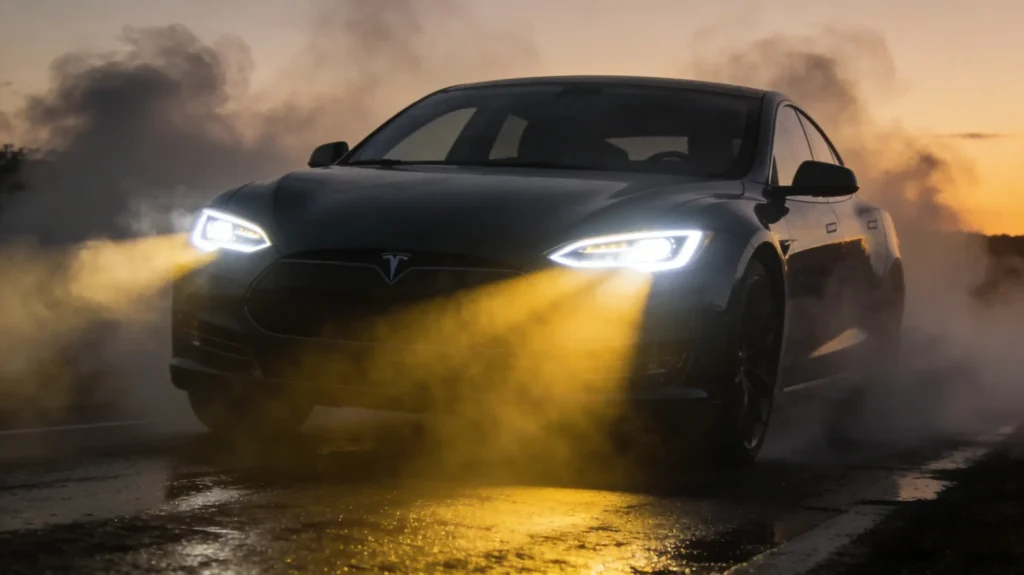
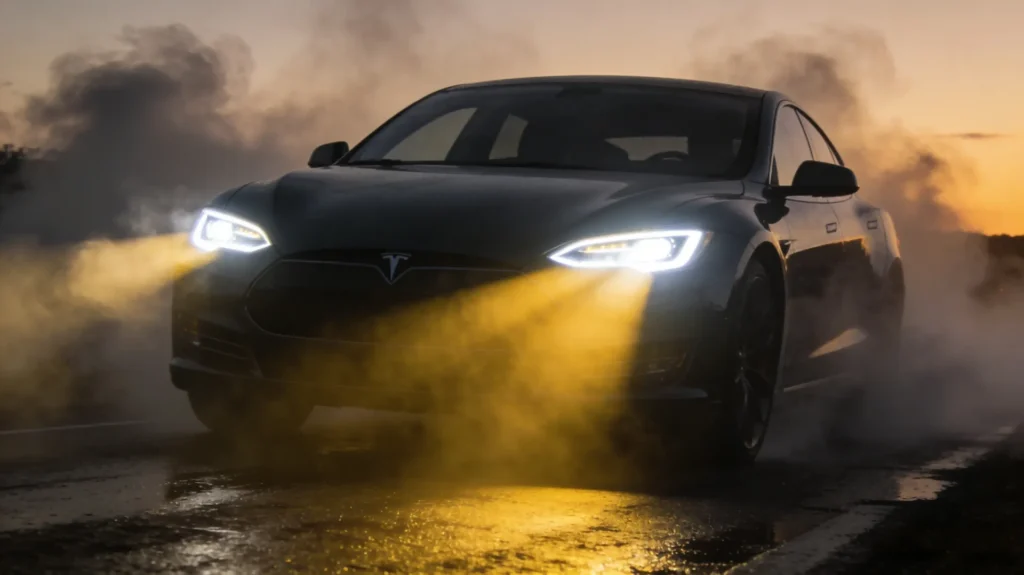
Tesla Models: Tesla, known for its innovative electric vehicles, also equips its cars with high-quality fog lights. In models like the Tesla Model 3 and Model Y, the fog lights are designed to be energy-efficient, in line with the overall philosophy of the brand. They use LED technology, which not only provides bright illumination but also consumes less power, contributing to the vehicle’s overall energy efficiency. The fog lights are also integrated with the vehicle’s autopilot and sensor systems, enhancing safety in low-visibility conditions.
Toyota Models: Toyota, one of the world’s largest automakers, offers fog lights in many of its models, from the popular Corolla to the rugged RAV4. In these vehicles, the fog lights are designed to be reliable and durable. They are tested to withstand various weather conditions, from heavy rain in tropical regions to thick fog in colder climates. For example, in the Toyota Corolla, the fog lights provide a wide-angle spread of light, allowing the driver to see the edges of the road clearly in foggy conditions, which is especially important on narrow or winding roads.
4. Key Purchasing Factors
4.1 Safety
Safety is the most crucial factor when choosing fog lights. In foggy conditions, proper fog lights can mean the difference between a safe journey and a dangerous one. They should be bright enough to cut through the fog and provide a clear view of the road ahead and any potential obstacles. Additionally, they should be designed to minimize glare, both for the driver and for oncoming traffic. Glare can reduce visibility and increase the risk of accidents. Look for fog lights that have a proper beam pattern and are made with anti-glare materials.
4.2 Brightness
The brightness of fog lights is measured in lumens. A higher lumen value generally means a brighter light. However, it’s not just about having the highest-lumen fog lights. You need to consider the balance between brightness and the ability to penetrate fog. Too bright a light can actually create a “white-out” effect in thick fog, as the light reflects off the water droplets. For most driving conditions, fog lights with a lumen output between 1000-3000 lumens are sufficient. If you often drive in extremely dense fog, you may consider slightly brighter fog lights, but always test them to ensure they don’t cause more problems than they solve.
4.3 Illumination Width
The road-illumination width of fog lights determines how much of the road you can see on either side. A wider illumination width is beneficial as it allows you to see the edges of the road, pedestrians, and any potential hazards on the sides. This is especially important when driving on narrow roads or in areas with a lot of traffic. Look for fog lights that provide a wide-angle beam pattern. Some fog lights are designed with a specific lens or reflector to achieve a broader spread of light, which can significantly improve your visibility in foggy conditions.
4.4 Illumination Distance
While fog lights are not meant to replace high-beam headlights for long-distance illumination, they still need to have a sufficient range to be effective. The ideal range for fog lights is usually around 30-50 meters. This range allows you to see far enough ahead to react to any obstacles or changes in the road conditions. If the fog lights have too short a range, you may not have enough time to brake or steer safely. On the other hand, if they have too long a range, they may not be as effective at cutting through the fog at closer distances.
4.5 Energy Efficiency
Energy efficiency is becoming an increasingly important factor, especially with the rise of electric vehicles. LED fog lights are generally more energy-efficient than traditional halogen fog lights. They consume less power while providing the same or even better illumination. This not only helps to reduce the load on your vehicle’s electrical system but also, in the case of electric vehicles, can contribute to longer driving ranges. Over time, the energy savings from using energy-efficient fog lights can add up, making them a cost-effective choice in the long run.
4.6 Heat Dissipation
Proper heat dissipation is essential for the longevity and performance of fog lights, especially LED fog lights. LEDs generate heat during operation, and if this heat is not dissipated effectively, it can cause the lights to dim, reduce their lifespan, or even fail completely. Look for fog lights that have a good heat-dissipation system, such as heat sinks or fans. Heat sinks are usually made of materials with high thermal conductivity, like aluminum, which help to transfer the heat away from the LED and into the surrounding air. Some high-end fog lights also have built-in temperature-sensitive sensors that can adjust the power output of the LEDs to prevent overheating.
5. Installation and Maintenance Overview
5.1 Installation Tips
Installing fog lights can be a bit tricky, but with the right steps and precautions, it can be done safely. First, make sure you have the right tools, which usually include a set of wrenches, screwdrivers, and wire cutters/strippers.
Installation Position: The ideal installation position for front fog lights is low on the front bumper. This is because fog tends to be closer to the ground, and having the fog lights low can help to cut through the fog more effectively. When installing, make sure the lights are level and aligned properly. Incorrect alignment can cause the light beam to be directed in the wrong direction, reducing their effectiveness.
Wiring Connection: When connecting the wires, always follow the manufacturer’s instructions. Make sure to use the correct gauge of wire and secure all connections properly to prevent any electrical shorts or loose connections. If your vehicle has a factory-installed fog light wiring harness, it’s best to use it. If not, you may need to install a new wiring harness, which should include a relay, fuse, and switch.
Angle Adjustment: After installing the fog lights, you need to adjust the angle of the light beam. This can usually be done using adjustment screws on the fog light housing. The goal is to have the light beam directed slightly downward and outward, providing maximum illumination of the road in front of and to the sides of the vehicle without causing glare for oncoming traffic.
5.2 Daily Maintenance
Regular maintenance of fog lights can help to ensure they continue to function properly and have a long lifespan.
Cleaning: Clean the fog light lenses regularly. Dirt, dust, and moisture can accumulate on the lenses, reducing the light output and clarity. Use a soft, clean cloth and a mild automotive cleaner to wipe the lenses. Avoid using abrasive cleaners or rough materials, as they can scratch the lenses.
Checking Seals: Check the seals around the fog light housing regularly. A damaged or worn-out seal can allow water or moisture to enter the housing, which can cause the bulbs to burn out or the electrical components to corrode. If you notice any signs of water inside the fog light housing, replace the seal immediately.
Bulb Replacement: Over time, the bulbs in the fog lights may burn out. When this happens, replace the bulbs with the correct type and wattage as specified by the manufacturer. It’s a good idea to keep a spare set of bulbs in your vehicle, especially if you often drive in areas with poor visibility.
Checking Wiring: Periodically check the wiring of the fog lights for any signs of wear, fraying, or corrosion. If you notice any problems with the wiring, repair or replace the affected parts immediately to avoid electrical problems and ensure the proper functioning of the fog lights.
6. Frequently Asked Questions (FAQ)
6.1 Question 1: What is the best color for fog lights?
The best color for fog lights depends on the specific application. For front fog lights, yellow is often considered the best color. Yellow light has a longer wavelength compared to white light, which means it is less likely to be scattered by the water droplets in fog. This gives yellow fog lights better penetration in foggy conditions. However, some modern fog lights also use white LED lights. White fog lights can provide a brighter and more natural-looking light, and they are also effective in many situations, especially in lighter fog or rain. For rear fog lights, red is the standard color. Red has a long wavelength and is highly visible, making it an ideal color for warning following vehicles of your presence in low-visibility conditions.
6.2 Question 2: How to tell if fog lights need to be replaced?
There are several signs that indicate your fog lights may need to be replaced. One of the most obvious signs is a significant decrease in brightness. If your fog lights seem much dimmer than they used to be, it could be a sign that the bulbs are starting to wear out. Another sign is if the light color has changed. For example, if a white-light fog light has started to turn yellow or if a yellow-light fog light has become duller, it may be time for a replacement. Additionally, if you notice any cracks or damage to the lens or housing of the fog light, it should be replaced to prevent water or moisture from entering and causing further damage.
6.3 Question 3: What types of fog lights are suitable for different vehicle models?
For small city cars, compact and energy-efficient LED fog lights are often a good choice. They are easy to install and can provide sufficient illumination for urban driving in low-visibility conditions. SUVs and trucks, on the other hand, may benefit from more powerful fog lights with a wider beam pattern. These vehicles are often used in more diverse driving conditions, including off-road driving, and a wider-beam fog light can help to improve visibility in these situations. Luxury cars usually come with high-end fog lights that are integrated with the vehicle’s advanced lighting systems. These fog lights may have features like adaptive beam patterns and automatic on/off sensors, which are designed to provide the best possible visibility while maintaining a high level of safety and convenience.
6.4 Question 4: What is the typical lifespan of fog lights?
The lifespan of fog lights can vary depending on several factors. Halogen fog lights typically have a lifespan of around 1000-2000 hours of use. LED fog lights, on the other hand, can last much longer, often up to 20,000-50,000 hours. However, these are just estimates, and the actual lifespan can be affected by factors such as the quality of the bulbs, how often the fog lights are used, the driving conditions, and the quality of the electrical system in the vehicle. For example, if the vehicle’s electrical system has voltage fluctuations, it can shorten the lifespan of the fog light bulbs.
6.5 Question 5: Will installing fog lights affect the vehicle’s warranty?
Installing aftermarket fog lights may affect your vehicle’s warranty, depending on the terms of your warranty and how the installation is done. If the installation involves modifying the vehicle’s electrical system or cutting into the bodywork, it could potentially void parts of the warranty. However, if you use a professional installer and choose fog lights that are designed to be a direct replacement for the factory-installed fog lights (or are approved by the vehicle manufacturer), the impact on the warranty may be minimal. It’s always a good idea to check with your vehicle’s dealership or manufacturer before installing aftermarket fog lights to understand how it may affect your warranty.
6.6 Question 6: Can I install fog lights myself?
Installing fog lights yourself is possible, but it requires some basic automotive knowledge and skills. You need to be comfortable working with electrical systems and have the right tools. If you are not experienced in automotive repairs, it may be best to have a professional install the fog lights. Installing fog lights incorrectly can lead to electrical problems, improper alignment of the lights, and reduced effectiveness. However, if you follow the manufacturer’s instructions carefully and take your time, you can successfully install fog lights on your own. Just make sure to test the lights thoroughly after installation to ensure they are working properly.
6.7 Question 7: How to clean fog lights?
To clean fog lights, first, turn off the lights and let them cool down if they have been in use. Then, use a soft, clean cloth or a microfiber towel. Dampen the cloth with a mild automotive cleaner or a mixture of water and a small amount of dish soap. Gently wipe the lens of the fog light in a circular motion to remove dirt, dust, and grime. Avoid using abrasive cleaners, harsh chemicals, or rough sponges, as they can scratch the lens and reduce the light output. If there are stubborn stains, you can use a little more pressure, but be careful not to damage the lens. After cleaning, dry the lens with a clean, dry cloth to prevent water spots.
7. Why Choose GTR
7.1 Technological Advantages
GTR is at the forefront of fog light technology. They have developed unique optical designs that optimize the light output and beam pattern of their fog lights. For example, their fog lights use advanced lenses and reflectors that are designed to provide a wide-angle, low-glare beam of light that is highly effective in foggy conditions. Additionally, GTR has incorporated smart control technology into some of its fog light models. These lights can automatically adjust their brightness and beam pattern based on the driving conditions, such as the density of the fog or the speed of the vehicle. This not only improves the visibility for the driver but also enhances the safety of the vehicle.
7.2 Quality Advantages
Quality is a top priority for GTR. Their fog lights are manufactured using high-quality raw materials. The lenses are made of durable, scratch-resistant materials that can withstand the rigors of daily driving, including impacts from small stones and debris. The electrical components, such as the bulbs and wiring, are also of the highest quality, ensuring reliable performance and a long lifespan. GTR follows strict production processes, with multiple quality-control checks at every stage of production. This attention to detail results in fog lights that are known for their reliability and performance.
7.3 Certification Advantages
GTR has obtained a wide range of international standard certifications for its fog lights. These certifications, such as ISO 9001 for quality management and E-mark for automotive lighting products in Europe, demonstrate that GTR’s fog lights meet the highest quality and safety standards in the industry. Additionally, GTR has won several industry awards for its innovative fog light designs and technologies. These awards are a testament to GTR’s commitment to excellence and its position as a leading fog light manufacturer.
7.4 Diverse Selection
GTR offers a diverse range of fog lights to meet the needs of different customers and vehicles. Whether you drive a small sedan, a large SUV, or a luxury car, GTR has a fog light model that is suitable for your vehicle. They offer different styles, sizes, and power outputs, allowing you to choose the fog lights that best fit your driving needs and budget. Additionally, GTR’s fog lights are available in both traditional halogen and modern LED versions, giving you the flexibility to choose the technology that works best for you.
8. Call to Action
If you are looking for high-quality, reliable fog lights, look no further than GTR. Our fog lights are designed to provide maximum visibility and safety in the most challenging weather conditions. To explore our full range of fog lights and find the perfect fit for your vehicle, visit our website at https://www.rhgtr.com/. You can also contact our customer service team for more information.