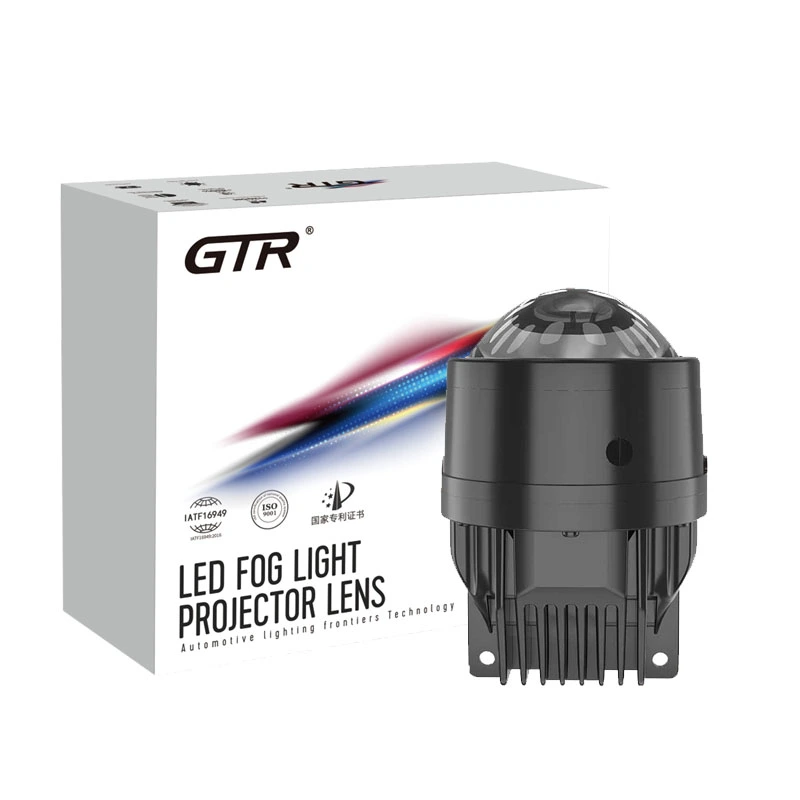
The automotive aftermarket is flooded with lighting options, making it difficult for B2B buyers and enthusiasts to distinguish between a gimmick and a genuine performance upgrade. When selecting a projector lens bi led, you are moving beyond simple bulb replacement into the realm of optical engineering. Understanding the nuances of wattage, lens diameter, and chip architecture is essential to avoid the “buying twice” trap of low-quality components.
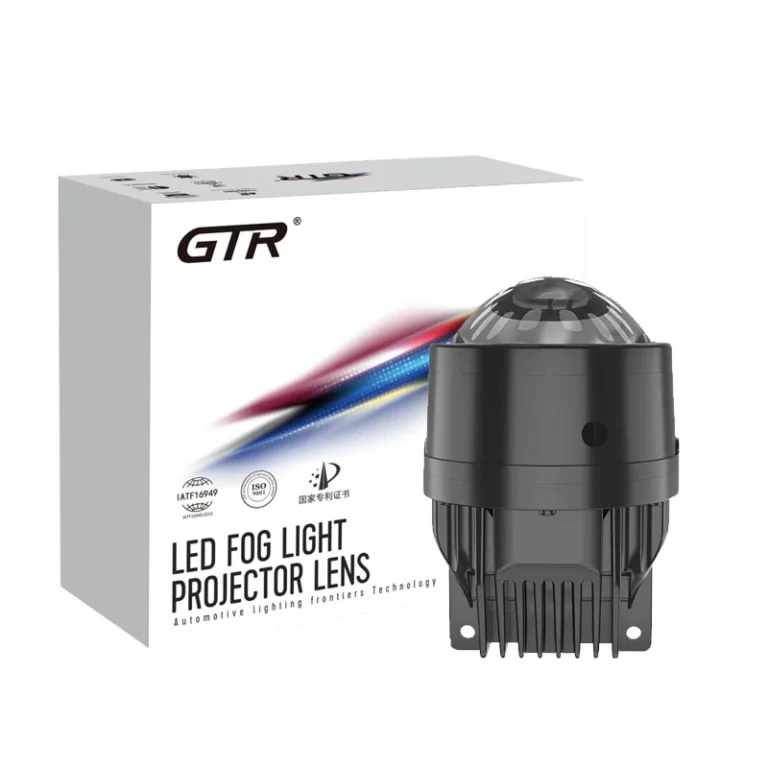
Choosing Your Size: 2.5 Inch vs. 3.0 Inch Projectors
The primary difference between a 2.5 inch and 3.0 inch bi led projector lens lies in the light spread and fitment compatibility. A 3.0-inch lens typically offers a larger “sweet spot” of light and a wider beam angle, whereas a 2.5-inch lens is designed for compact housings and ease of installation in smaller shrouds.
In our experience at GTR, the 3.0 inch bi led projector lens is the gold standard for retrofitting larger headlight assemblies. However, for motorcycles or modern vehicles with slim headlight designs, a mini bi led projector lens or a 2.5-inch unit is often the only viable path. Smaller does not necessarily mean weaker; high-end 2.5-inch models like our lupu auto bi led projector len series utilize high-density LED arrays to match the lumen output of their larger counterparts.
Decoding the Specs: N40D, N400, and Wattage Realities
When browsing for the n40d bi led projector lens price, it is easy to get distracted by inflated wattage claims. Some manufacturers advertise a “100W” output that is actually the combined power of two units, or worse, a peak burst that drops significantly after five minutes of heat soak.
Based on our years of manufacturing expertise, here is what to look for:
- Sustainable Wattage: A true 2.5 watt bi led projector lens (referring to individual chip segments) or a total system draw of 45W-60W is the “sweet spot” for brightness versus heat management.
- Chip Configuration: Look for “6+3” or “9” chip configurations. This indicates the number of LED diodes used for low and high beams respectively.
- Cooling Mechanism: High-speed ball-bearing fans are essential. Avoid “fanless” designs for high-output projectors as they will inevitably suffer from thermal throttling.
Avoiding Common “Budget” Pitfalls
To identify a high-quality projector lens bi led, inspect the clarity of the glass lens and the material of the reflector bowl. Premium units use high-transmittance “HD” glass and die-cast aluminum heat sinks, while budget versions often use plastic-coated reflectors that peel and yellow under heat.
A common mistake is focusing solely on the “K” (Kelvin) rating. While 6000K provides a modern white look, 5000K-5500K actually offers better contrast in rain and snow. Many generic sh4 bi led projector lens clones use 7000K+ chips which appear blue but offer very poor actual visibility on wet asphalt.
Technical Specifications Comparison Table
| Model Series | Lens Size | Primary Application | Key Advantage |
|---|---|---|---|
| N40D Series | 3.0 Inch | Main Headlight Retrofit | Maximum beam width; Best for city driving. |
| N400 Series | 3.0 Inch | Long-Range Highway | Enhanced center-weighted “hot spot” for distance. |
| GTR Mini / 2.5″ | 2.5 Inch | Compact/Motorcycle | Universal fitment; Minimal modification required. |
| Bi-LED Fog | 2.0/3.0 Inch | Lower Bumper Mount | IP67 Waterproofing; Optimized for low-to-ground throw. |
Expert Advice: The Installation Perspective
As professionals in the B2B space, we often see installers overlook the “back-half” of the projector. The threaded shaft length on a projector lens bi led determines whether you can use a “nut and bolt” installation or if you need to perform a “cut-and-epoxy” retrofit. Our n40d bi led projector lens is designed with a versatile threaded base, allowing for a non-destructive install in many H4, H7, and 9005 headlight housings.
Featured Snippet FAQ
Which is better: Bi-LED or Bi-Xenon?
Bi-LED is superior for most modern users because it offers instant-on capability, longer lifespan, and fewer components (no external ballasts). Bi-Xenon remains a choice only for those who prefer the specific color “flicker” of HID bulbs or require replaceable bulbs.
Can I install a bi led projector lens in my fog lights?
Yes, specifically by using a bi led fog light projector lens. These are sealed units (usually IP67 rated) designed to withstand the water and debris common at the bottom of the vehicle, providing a wide beam that sits below the fog line.
What does “Dual Direct” mean in Bi-LED technology?
It refers to systems that use two separate LED sets: one for the main beam and a second that activates specifically for the high beam to provide extra long-distance illumination without moving the shutter alone.
Why GTR is the Trusted Choice for Global Distributors
When you choose GTR, you are partnering with a manufacturer that understands the rigors of the automotive environment. Our projector lens bi led products undergo 48-hour continuous burn-in tests and vibration testing to ensure they survive everything from potholes to extreme temperature swings.
Whether you are looking to stock the high-demand n40d bi led projector lens or need custom 2.5 watt bi led projector lens configurations for a specific OEM project, our team provides the technical support and logistical reliability you need. Don’t compromise your brand’s reputation with inferior lighting. Visit GTR (LEDCXR) to view our wholesale catalog and technical white papers today.