Introduction: Illuminating the Road Ahead with H7 Xenon Bulbs
Night driving presents a unique set of challenges, where visibility is not just a convenience but a critical component of safety. For decades, drivers relied on the warm, familiar glow of halogen headlights, but a technological revolution quietly transformed automotive lighting. Enter the world of H7 xenon bulb technology—a leap forward that brings daylight clarity to the darkest roads. This upgrade isn’t merely about aesthetics or a whiter light; it’s about fundamentally enhancing how you see and are seen. By understanding what an H7 xenon system is, how it works, and the tangible benefits it offers, you can make an informed decision that elevates your driving experience, reduces eye strain, and creates a safer environment for everyone on the road. This guide will illuminate the path, from the core science to the practical considerations of upgrading.
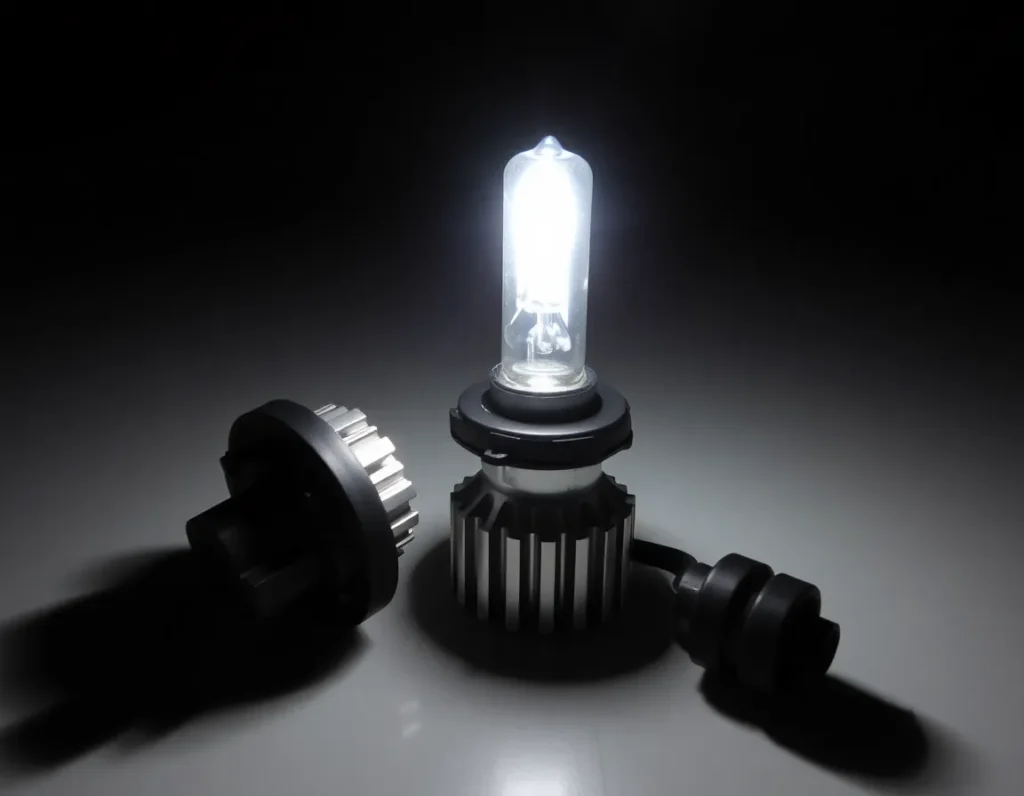
What is an H7 Xenon Bulb? Defining the Technology and Standard
An H7 xenon bulb is a specific type of high-intensity discharge (HID) headlight bulb designed to fit vehicle sockets using the H7 base configuration. The “H7” designation is crucial—it refers to an international standard for the bulb’s physical shape, size, and the arrangement of its electrical contacts. This standardization ensures that an H7 bulb, whether halogen or xenon, will physically fit into a headlight assembly designed for it. However, the similarity ends there. While a traditional halogen H7 bulb uses a glowing tungsten filament, an H7 xenon bulb creates light through an entirely different and more advanced process: an electric arc discharged through a chamber filled with xenon gas and metal salts.
It’s important to clarify terminology. “Xenon bulb” is often used interchangeably with “HID bulb,” though xenon is technically the gas that facilitates the initial arc. True xenon bulbs are a subset of HID technology. The H7 form factor for these bulbs means they are engineered as direct replacements or conversion options for vehicles originally equipped with H7 halogen bulbs. The system requires more than just the bulb itself; it needs a ballast (an electronic control unit) to provide the high voltage needed to ignite the arc and then regulate the current. This combination of a standardized fit and advanced discharge technology makes the H7 xenon bulb a popular gateway to superior automotive lighting.
The Science of Light: How Xenon Gas Discharge Creates Superior Illumination
The brilliance of an H7 xenon bulb stems from the physics of gas discharge, a principle far removed from the simple incandescence of a halogen filament. Inside the small quartz glass capsule of the bulb, you’ll find two tungsten electrodes separated by a precise gap. This chamber is filled with xenon gas and a carefully measured mixture of metal halide salts (often containing elements like sodium, scandium, or dysprosium). When you turn on your headlights, the ballast delivers a sudden high-voltage pulse (typically 20,000 to 30,000 volts) across the electrodes. This pulse ionizes the xenon gas, creating a conductive plasma bridge—an electric arc.
Once the arc is established, the ballast reduces the voltage to a stable operating level. The intense heat of the arc (around 4,500°F) vaporizes the metal halide salts, which then enter the plasma state. These excited metal atoms emit a tremendous amount of light across a broad spectrum as they return to their ground state. The xenon gas is key for two reasons: it allows the arc to strike instantly and provides immediate bright white light, while the metal salts take over to produce the sustained, high-lumen output that characterizes HID lighting. This process generates a light that is not only 2-3 times brighter than halogen but also has a color temperature (typically between 4000K and 6000K) much closer to natural daylight. This spectral quality reduces driver fatigue and improves contrast, making objects, road signs, and pavement details appear sharper and more defined.
H7 Xenon vs. Halogen: A Comprehensive Comparison of Performance and Safety
Choosing between H7 xenon and halogen is a decision between two generations of technology. A direct comparison reveals stark differences that impact every drive.
Light Output and Quality
Halogen bulbs produce about 1,000-1,500 lumens from their H7 filament. An H7 xenon system, in contrast, typically generates between 2,800 and 3,500 lumens. This isn’t just more light; it’s better light. The xenon’s daylight-color spectrum (around 4300K is OEM standard) provides superior color rendering. The light cuts through darkness, rain, and fog with better penetration and less back-scatter than the yellowish hue of halogen (typically 3200K). The result is a wider, longer, and more uniform beam pattern that illuminates the shoulders of the road and distant objects simultaneously.
Energy Efficiency and Longevity
Halogen bulbs are notoriously inefficient, converting only about 10% of their energy into light, with the rest wasted as heat. H7 xenon bulbs are far more efficient, producing significantly more light per watt. A standard 55-watt halogen H7 may be replaced by a 35-watt HID system that outputs triple the light. This efficiency translates to lifespan. A quality halogen H7 bulb lasts roughly 450-1,000 hours. A well-engineered H7 xenon bulb system can last 2,000 to 5,000 hours, often outliving the ownership period of the vehicle.
Safety Implications
This performance gap has direct safety consequences. The increased luminance and range of xenon lights give drivers more time to identify and react to hazards—animals, debris, or pedestrians—at greater distances. The improved beam pattern and reduced glare (when properly installed and aimed in projector-style housings) also mean less temporary blindness for oncoming traffic compared to the scattered light of high-beam halogens. However, this safety benefit is contingent on correct installation. Retrofitting xenon bulbs into halogen reflector housings designed for a filament’s specific focal point can create dangerous, scattered glare, which is a critical legal consideration.
Key Benefits of Upgrading to H7 Xenon Headlight Bulbs
The transition from halogen to H7 xenon technology delivers a suite of advantages that enhance both the function and feel of your vehicle.
- Unmatched Visibility: The primary benefit is a dramatic improvement in night vision. Roads are illuminated with a crisp, white light that reduces eye strain and mental fatigue on long journeys. Details are clearer, contrast is enhanced, and your effective reaction time is increased.
- Increased Safety Margin: With light that reaches farther and spreads wider, you gain precious seconds to perceive potential dangers. This creates a larger safety envelope around your vehicle, which is invaluable in poor weather conditions or on unlit rural roads.
- Superior Durability and Reliability: Without a fragile filament that can break from vibration or shock, HID xenon bulbs are more robust. Their long service life means fewer replacements, less hassle, and lower long-term costs despite a higher initial investment.
- Enhanced Aesthetic and Modern Appeal: The distinctive bright white or slight blue hue of xenon light gives a vehicle a modern, high-end appearance. It updates the look of older cars and matches the lighting technology found in contemporary luxury and performance models.
- Improved Energy Consumption: Drawing less power from your vehicle’s electrical system (35W vs. 55W or more for halogens) can marginally reduce alternator load, potentially contributing to very slight fuel efficiency gains in some vehicles and placing less stress on the wiring harness.
Understanding HID Kits: Components, Installation, and Legal Considerations
For vehicles not originally equipped with xenon lights, the upgrade path is typically through an aftermarket HID conversion kit. Understanding what’s in the box and the rules of the road is essential for a successful, legal, and safe upgrade.
Core Components of an HID Kit
A complete H7 HID conversion kit contains several key parts:
- Xenon Bulbs (H7 Base): These are the light sources, designed with the H7 plug to connect to your vehicle’s original wiring harness.
- Electronic Ballasts: These are the powerhouses of the system. They convert the car’s 12V DC power into the high-voltage AC needed to ignite and sustain the arc. Quality ballasts are sealed, have robust heat dissipation, and include safety features like short-circuit protection.
- Wiring Harnesses and Connectors: These link the ballasts to the bulbs and to the vehicle’s power source. High-quality kits include relay harnesses that draw power directly from the battery to ensure stable voltage and protect the car’s factory headlight wiring.
- Mounting Hardware: Brackets, clips, or double-sided tape to securely mount the ballasts in the engine bay, away from heat and moisture.
Installation Overview
Installation involves replacing the halogen bulbs with the HID bulbs, mounting the ballasts in a secure location, and connecting all components. The physical bulb swap is often straightforward, but the challenge lies in managing the additional components. The ballasts and wiring must be routed neatly and fastened securely to prevent damage from vibration, heat, or water. A proper installation also includes critically important beam pattern alignment. HID bulbs have a different arc geometry and light source position than a halogen filament. Simply dropping them into a reflector housing designed for halogen will almost certainly produce a poorly focused beam with excessive glare.
Critical Legal and Safety Considerations
This is the most important aspect of an H7 xenon conversion. Regulations in most regions, including the U.S. (DOT/SAE) and the EU (ECE), are very specific. Headlight systems are certified as a complete unit—the housing (lens, reflector/projector), bulb, and beam pattern. Retrofitting an HID bulb into a halogen housing typically voids this certification and is illegal for road use because it creates non-compliant and dangerously glaring light.
For a legal and safe conversion, the H7 xenon bulbs must be installed in projector-style headlight housings. Projector lenses have a cutoff shield that creates a sharp, horizontal beam pattern, preventing light from spraying upward into the eyes of oncoming drivers. Some enthusiasts perform a “retrofit,” which involves opening their headlights and installing OEM or aftermarket projector lenses designed for HID bulbs. The safest and most straightforward legal path is to purchase complete, certified aftermarket headlight assemblies that are designed from the factory for HID bulbs and carry appropriate regulatory markings (DOT, ECE). Always check your local vehicle codes before proceeding with any headlight modification.
A Step-by-Step Guide to Choosing the Right H7 Xenon Bulb for Your Vehicle
Selecting the correct H7 xenon bulb is more nuanced than simply matching a base type. A thoughtful approach ensures optimal performance, legal compliance, and a satisfying upgrade. Follow this guide to make an informed decision.
1. Verify Your Vehicle’s Headlight System
First, confirm your vehicle uses an H7 bulb for its low beam. Consult your owner’s manual or a reliable automotive parts database. Crucially, determine if your headlight housing is a reflector or projector type. As discussed, HID bulbs are only suitable for projector housings with a proper cutoff. Installing them in a reflector housing will create illegal and dangerous glare. If you have halogen reflector housings, your only legal path is to replace the entire headlight assembly with a certified projector-housing unit.
2. Understand Color Temperature (Kelvin Rating)
The Kelvin (K) rating defines the color and appearance of the light, not its brightness. Lower Kelvin values produce a warmer, yellowish light, while higher values create a cooler, bluish-white light. For optimal visibility and a balance between style and function, aim for a color temperature between 4300K and 6000K. 4300K-5000K offers the highest lumen output (brightest light) with a pure white color that closely matches sunlight, providing excellent road illumination and contrast. 6000K produces a crisp, diamond-white light with a slight blue tint, popular for its modern look. Avoid bulbs above 8000K, as they emit a deep blue or violet light that significantly reduces usable light output and can strain your eyes during long drives.
3. Prioritize Quality and Brand Reputation
Not all HID kits are created equal. The quality of components—especially the ballasts and igniters—directly impacts performance, reliability, and lifespan. Seek out established brands known for quality manufacturing and consistent performance. While premium brands may cost more, they invest in better materials, tighter quality control, and more robust electronics, leading to fewer failures, stable light output, and better electromagnetic compatibility (preventing interference with your car’s computer systems). Research reviews and user feedback specifically regarding long-term reliability.
4. Select the Right Kit Type
Most aftermarket HID kits are sold as complete conversion kits. Ensure the kit includes a pair of bulbs, a pair of ballasts, a pair of igniters (often integrated with the ballast), and all necessary wiring harnesses and mounting hardware. Pay attention to the ballast type: digital ballasts are generally preferred over older analog models. Digital ballasts are smaller, more efficient, generate less heat, provide instant or near-instant startup, and offer better protection against voltage spikes and bulb failures.
5. Check for Regulatory Compliance and Warranty
While the kit itself may not be “DOT approved” (as approval applies to the complete headlamp assembly), reputable manufacturers design their bulbs to focus light correctly within a proper projector housing. Look for kits that explicitly state they are designed for projector lens use. A substantial warranty is a strong indicator of manufacturer confidence. A warranty of 2-3 years or longer on the ballasts and 1 year on the bulbs is a good benchmark. This protects your investment against premature failure.
Installation Insights: Professional vs. DIY Approaches for H7 Xenon Conversion
Once you’ve selected your H7 xenon kit, the next critical decision is installation. The complexity of the job depends on your vehicle’s design and your technical comfort level.
The DIY Route: Considerations and Challenges
For a hands-on enthusiast, a DIY installation can be a rewarding project. Most kits are designed with a “plug-and-play” philosophy, meaning they connect to your vehicle’s original H7 bulb wiring via adapters. The general process involves accessing the back of the headlight assembly (often requiring removal of the headlight unit or wheel well liners), removing the old halogen bulb, securing the new HID bulb in its place, mounting the ballasts in a safe location (away from heat, moisture, and moving parts), and connecting all wires. However, significant challenges exist. Vehicle access is often extremely tight, requiring patience and special tools. You must create a clean, secure, and waterproof mounting solution for the ballasts. The wiring must be routed safely, away from hot engine components and sharp edges, and all connections must be protected from moisture. The most critical step is aiming the headlights precisely after installation. Even with projector housings, the focal point of an HID bulb differs from a halogen, requiring professional adjustment with an optical aimer to ensure the cutoff is perfectly horizontal and at the correct height.
The Professional Installation Advantage
Hiring a qualified automotive lighting specialist or a reputable car audio/accessory shop is the recommended path for most drivers. Professionals bring expertise, proper tools, and a guarantee of a job done correctly. They understand the intricacies of different vehicle models, know the ideal locations for ballast mounting, and possess the skill to route and secure wiring with factory-like quality. Most importantly, they have a certified optical headlight aimer, which is essential for setting the beam pattern to legal and safe specifications. A professional installation typically includes a warranty on the labor, giving you peace of mind. The cost of professional installation is an investment in safety, legality, and long-term reliability, ensuring your high-performance bulbs deliver their intended benefit without creating a hazard for others.
Legal and Safety Final Check
Regardless of who performs the installation, a final verification is mandatory. Before driving at night, check that both bulbs ignite consistently and light output is stable. Have the headlight aim checked professionally if it wasn’t part of the service. Ensure your headlight housings are clean and clear, as haze or yellowing can scatter the intense HID light. Remember, you are responsible for ensuring your vehicle’s lighting complies with local regulations. A properly installed system in the correct housing should pass inspection and, more importantly, keep you and other road users safe.
Maintenance, Troubleshooting, and Lifespan of H7 Xenon Bulb Systems
HID systems are largely maintenance-free but require an understanding of their unique characteristics for troubleshooting and maximizing their long life.
Lifespan Expectations
A significant advantage of HID technology is its extended lifespan. A quality H7 xenon bulb typically lasts between 2,000 and 3,000 hours, which translates to several years of normal driving. This is substantially longer than the 450-1,000 hour lifespan of a standard halogen bulb. The ballasts are also durable components, often rated for thousands of hours of operation. The system’s longevity is maximized by avoiding frequent on/off cycling (though this is less damaging with digital ballasts) and ensuring a stable power supply from the vehicle.
Common Troubleshooting Issues
- One Bulb Not Lighting: This is most commonly a ballast or igniter issue. First, try swapping the ballasts between sides. If the problem moves to the other side, the ballast is faulty. If the problem stays on the same side, the bulb may be dead. Also check all wiring connections for corrosion or looseness.
- Flickering or Intermittent Operation: This can indicate a failing bulb, a weak connection (especially at the ground point), or a ballast beginning to fail. Ensure the vehicle’s battery and charging system are in good health, as low voltage can cause flickering.
- Strange Colors or Dim Light: A bulb that takes on a pinkish or purplish hue is nearing the end of its life. Significantly dimmer light output can also indicate bulb aging or a ballast that is not providing the correct power.
- Delayed Start or “Flashing” Then Turning Off: This often points to a ballast struggling to ignite the bulb, possibly due to a weak bulb or a failing ballast. Check connections and try a known-good bulb to diagnose.
Maintenance Best Practices
Routine maintenance is simple. Periodically inspect the headlight lenses for clarity and cleanliness, as dirt and oxidation can drastically reduce light output and increase glare. Check that the bulbs are seated securely in their sockets and that the ballasts remain firmly mounted, protected from vibration and water splash. Always replace HID bulbs in pairs. Even if only one fails, the other is the same age and has experienced identical wear. Installing a new bulb alongside an old one will create a mismatch in color and brightness. When handling new HID bulbs, avoid touching the quartz glass envelope with bare fingers, as skin oils can create hot spots and lead to premature failure. Use the provided gloves or a clean cloth.
Summary of Key Points
Upgrading to an H7 xenon bulb system represents a major advancement in automotive lighting, but it demands an informed and responsible approach. The core technology uses an electric arc within xenon gas to produce a brighter, whiter, and more efficient light than traditional halogen bulbs. The benefits are substantial: dramatically improved road illumination and visibility, enhanced safety through better peripheral light and driver reaction time, superior energy efficiency, and a much longer operational lifespan.
The critical caveat is that this performance is only realized safely and legally when the bulbs are installed in headlight housings specifically designed for them—namely, projector lenses with a sharp cutoff shield. Retrofitting HID bulbs into standard halogen reflector housings is illegal and creates dangerous glare for other drivers. Therefore, the upgrade path is either a complete replacement of the headlight assembly with a certified projector-housing unit or a professional projector retrofit into existing housings.
Choosing the right kit involves careful selection of color temperature (4300K-6000K is ideal), investing in quality components from reputable brands, and ensuring you have the correct kit for your vehicle. Installation is a complex task best left to professionals who can ensure proper electrical integration, secure component mounting, and, most importantly, precise headlight aiming. With proper installation in the correct housing, an HID system requires minimal maintenance but offers years of superior illumination, making it a worthwhile investment for any driver prioritizing nighttime safety and visibility.
Frequently Asked Questions (FAQ)
Are H7 xenon bulbs legal?
The legality depends entirely on the installation. The bulbs themselves are legal components. They become illegal for road use if installed in a headlight housing not designed for them, which causes non-compliant and glaring light. They are legal when installed as part of a complete, certified headlight system (housing, bulb, and beam pattern) that meets DOT or ECE regulations. Always check your specific local vehicle codes.
Can I just replace my halogen H7 bulbs with xenon H7 bulbs?
Physically, they often plug into the same socket, but you should not do this. Halogen and HID bulbs have completely different light source shapes, sizes, and focal points. Placing an HID bulb in a halogen housing results in uncontrolled, scattered light that blinds other drivers and fails to properly illuminate the road ahead. It is both ineffective and illegal.
Why do my new HID bulbs look blue or purple sometimes?
HID bulbs require a brief warm-up period to reach full operating temperature. During the initial ignition (the first few seconds), they may emit a bluish or purplish light before stabilizing to their rated white color (e.g., 5000K or 6000K). A persistent strange color after warm-up can indicate a bulb nearing the end of its life or an issue with the ballast.
How long does it take for HID bulbs to reach full brightness?
With modern digital ballasts, HID bulbs reach about 80% brightness almost instantly (often called “instant-on”). They then take 10-30 seconds to warm up to 100% of their full, stable light output. This is a normal characteristic of the gas discharge technology.
Do HID kits drain my car battery?
No. In fact, HID systems are more energy-efficient. While they require a high-voltage pulse to ignite the arc (provided by the ballast), they operate at a lower steady-state wattage (typically 35W) compared to halogen bulbs (typically 55W). This results in less draw on your vehicle’s electrical system once running.
What should I do if one of my HID headlights goes out?
First, check the simple things: ensure the bulb is seated properly and inspect connections. The most common point of failure is the ballast/igniter unit. A basic diagnostic is to swap the ballasts from left to right. If the problem moves to the other side, the ballast is faulty. If the problem stays on the same side, the bulb is likely dead. Always replace HID bulbs in pairs to maintain consistent color and brightness.