
Have you ever watched another driver’s turn signal light flicker weakly, like a dying firefly, and wondered if they were even signaling at all? Now, imagine the chilling moment when you glance in your mirror and realize that the car behind you can’t see *your* intentions. A dim or failed turn signal isn’t just a minor annoyance; it’s a critical communication breakdown on the road. For many, the gradual dimming of this vital safety component becomes a silent, ignored problem—until it’s almost too late. This article directly addresses that widespread safety hazard, positioning modern turn signal light assembly upgrades as the definitive solution to restore clarity, reliability, and peace of mind to every lane change and turn.
Understanding the Problem: Why Traditional Turn Signals Fail
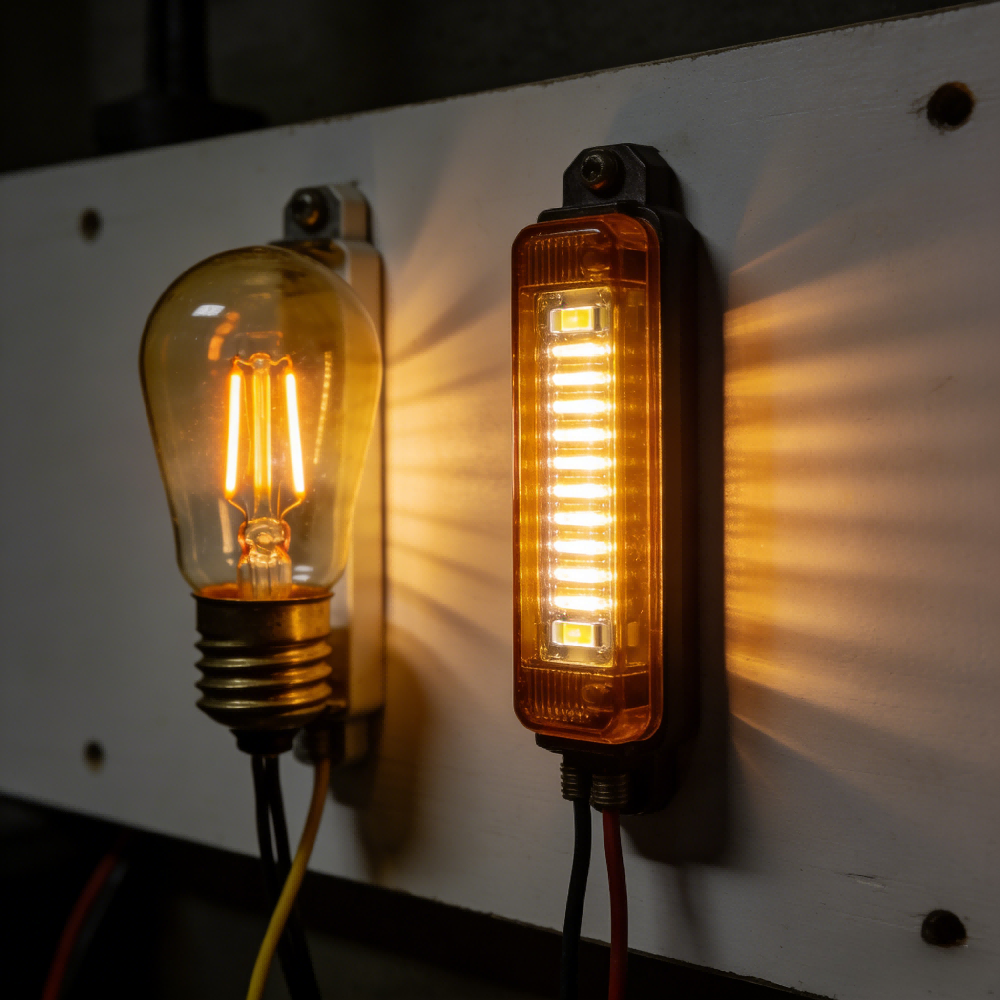
The core issue often lies in the technology itself. Incandescent turn signal light bulbs, the standard for decades, are inherently fragile and inefficient. Their thin tungsten filament is susceptible to vibration damage from potholes and rough roads, leading to sudden burnout. Furthermore, their lifespan is drastically shortened by the constant thermal shock of turning on and off. A discussion on a popular automotive subreddit highlighted user frustration, with one member noting, “My right front turn signal goes out like clockwork every 18 months. It’s not the socket; it’s just cheap bulbs that can’t handle daily driving vibrations.” This predictable failure cycle creates a recurring safety check—or a dangerous oversight.
The problem compounds when considering the entire turn signal light assembly. Older plastic lenses become yellowed and hazy from UV exposure, diffusing the light and reducing output by over 50% in some cases. Moisture ingress, a common issue noted in forum troubleshooting threads, can corrode sockets and connectors, leading to erratic blinking or complete failure. The result is a signal that is dim, inconsistent, and easily missed by other drivers, especially in bright daylight or heavy rain.
The Modern Solution: Advanced LED Turn Signal Technology
This is where a comprehensive upgrade to a modern turn signal light system comes in, not just as a replacement, but as a safety enhancement. At its heart, LED (Light Emitting Diode) technology addresses every weakness of its incandescent predecessor. Instead of a fragile filament, LEDs produce light through the movement of electrons in a semiconductor material. This fundamental difference yields remarkable benefits that solve the driver’s core problems.
How LED Turn Signals Work to Solve Key Issues
- Instant Illumination & Enhanced Safety: LEDs light up nearly instantaneously (in microseconds), compared to the perceptible delay of a filament heating up. This gives following drivers crucial extra reaction time. As one automotive safety study cited, faster illumination can improve reaction time by a measurable margin in emergency situations.
- Vibration Resistance & Longevity: With no moving parts or delicate filaments, LED modules are incredibly resistant to shock and vibration. This directly solves the “pothole burnout” issue, with lifespans typically rated for 30,000 to 50,000 hours—essentially the lifetime of the vehicle in most cases.
- Superior Brightness & Clarity: Modern LEDs, especially those using high-lumen output chips, produce a more intense, focused light. When paired with a clear, optically engineered lens (part of a quality turn signal light assembly), this results in a crisp, unmistakable signal that cuts through glare and poor weather.
- Energy Efficiency & System Health: LEDs draw significantly less power (often 80-90% less) than incandescent bulbs. This reduces load on the vehicle’s electrical system and prevents the excessive heat buildup that can damage sockets and wiring harnesses over time.
Choosing the Right Solution: Beyond Just the Bulb
While a simple LED bulb swap is an option, a full turn signal light assembly upgrade often provides a more complete and reliable solution. The assembly includes the housing, reflector, and lens—all optimized for the LED’s light pattern. A critical consideration is the need for CANBUS-compatible designs or load resistors. Many modern vehicles use computer systems to monitor bulb health, and the low power draw of an LED can be mistaken for a blown bulb, causing hyper-flashing (rapid blinking). Quality solutions integrate anti-hyper-flash technology to maintain normal operation.
Key Factors for Your Upgrade Decision
When selecting new turn signal lights for cars, consider these factors to ensure optimal performance and fit:
- Brightness & Color Temperature: Seek high-lumen output for maximum visibility. The color should be a pure amber (for front/rear signals) or red (for rear-only), adhering to legal requirements. A crisp 6000K amber LED offers excellent daytime visibility.
- Build Quality & Sealing: Look for assemblies with IP67 or higher waterproof ratings. This ensures the unit is completely protected against dust ingress and can withstand temporary immersion in water, preventing the moisture issues common in old units.
- Heat Management: Even efficient LEDs generate heat. Premium assemblies use aluminum housings or heat sinks to passively dissipate heat, protecting the LED chips and ensuring long-term reliability.
- Plug-and-Play Compatibility: The best upgrades require no cutting or splicing. They should use OEM-style connectors for a direct, secure fit that preserves your vehicle’s wiring integrity.
GTR: Engineering Your Safety Signal
At GTR, we approach the turn signal light not as a simple commodity, but as a critical safety component that demands engineering excellence. Our philosophy is rooted in solving the real-world problems drivers face every day.
Our assemblies are developed using automotive-grade materials. We utilize polycarbonate lenses with UV-resistant coatings to prevent yellowing, ensuring clarity lasts for years. The internal reflectors are computer-designed to maximize light output and create a uniform, non-glare pattern that is effective without blinding other drivers. Each unit undergoes rigorous testing for thermal cycling, vibration, and waterproofing before it reaches our customers.
We understand that vehicles are not all the same. That’s why our catalog at RHGTR.com and LEDCXR.com features application-specific designs for a vast range of vehicles—from everyday models like the Toyota Camry and Honda Civic, to performance vehicles and trucks. Whether you need a sleek switchback style for a modern sedan or a robust, high-output unit for a Ford F-150, GTR provides a solution engineered for perfect fitment and peak performance.
Installation Insights and Maintenance
Installing a new turn signal light assembly is generally a straightforward process designed for the enthusiast. Typically, it involves accessing the back of the headlight or taillight cluster from within the engine bay or trunk, releasing a few clips or screws, disconnecting the electrical plug, and reversing the steps with the new unit. The most important tip is to handle the new assembly by its edges and avoid touching the LED chips or the interior of the lens with your fingers, as oils can affect performance. Once installed, these units require virtually no maintenance beyond an occasional visual check during car washes to ensure they remain clean and secure.
Domande frequenti (FAQ)
Will LED turn signals cause hyper-flashing on my car?
They might, but high-quality kits like those from GTR often include built-in load resistors or CANBUS decoders to prevent this. It’s a key feature to look for during purchase.
Are brighter LED turn signals legal?
Yes, as long as they emit the correct color (amber for front/side, red or amber for rear) and are not so bright as to cause glare or be mistaken for a brake light. GTR products are designed to meet or exceed SAE and DOT standards for road use.
Can I install these myself, or do I need a professional?
Most installations are DIY-friendly with basic tools. Detailed, vehicle-specific guides are often provided. If you’re uncomfortable working with electrical components, professional installation is always an option.
How long do LED turn signal assemblies typically last?
With proper heat management and build quality, they can last for 5-10 years or more, often outlasting your ownership of the vehicle.
Do they work in extremely cold or hot weather?
LEDs perform exceptionally well in cold weather, lighting up instantly. Quality assemblies with good heat sinks are also designed to manage high under-hood temperatures effectively.
Stop compromising with a signal that whispers. Choose a declaration. Explore GTR’s range of high-performance, reliability-engineered turn signal lights for cars today. Visit GTR’s main catalog to find the perfect, problem-solving upgrade for your vehicle, or dive into the technical specifics at our LED expertise hub. Illuminate your intent with confidence.